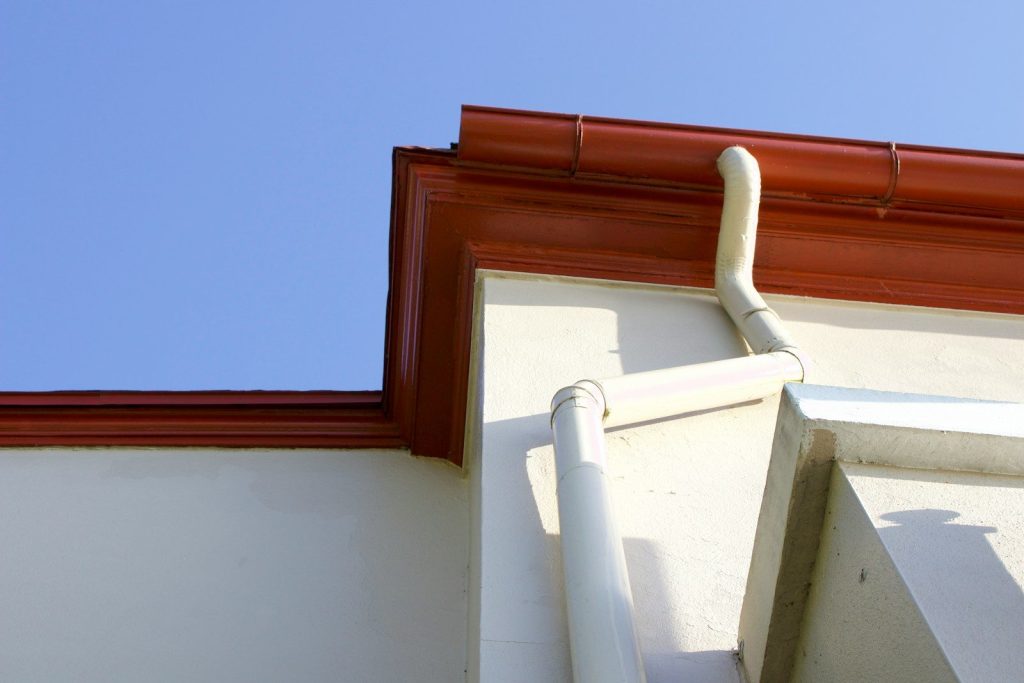

Homeownership in 2026 costs more than most people budgeted for. Materials are expensive, labor is tight in most markets, and the window between a small problem and a catastrophic one keeps shrinking.
The mistakes that drain bank accounts fastest are rarely dramatic. They’re the quiet ones, the ignored drip, the skipped inspection, the “I’ll get to it in the spring” that never comes.
1. Ignoring Gutters Until They Fail
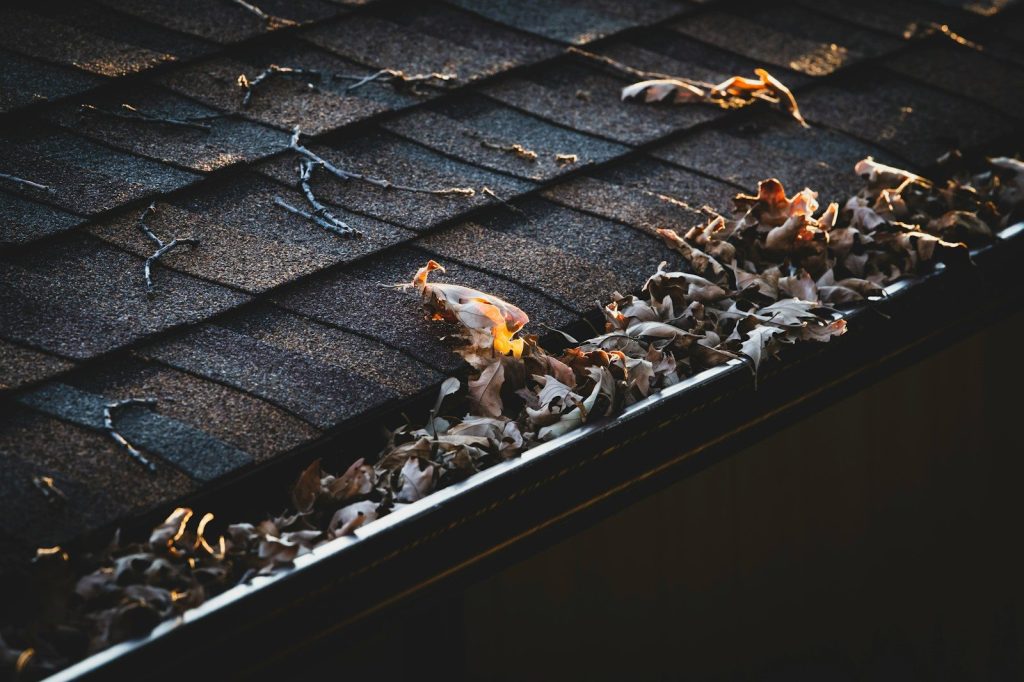
Clogged gutters don’t just cause water overflow. They pull away from fascia boards, trap moisture against the roofline, and in colder climates, create ice dams that force water under shingles.
Cleaning gutters twice a year, or installing mesh guards, costs a fraction of what a rotted fascia or damaged ceiling repair runs. The average fascia replacement job in the U.S. now runs between $600 and $2,400 depending on linear footage and material.
2. Skipping the HVAC Filter
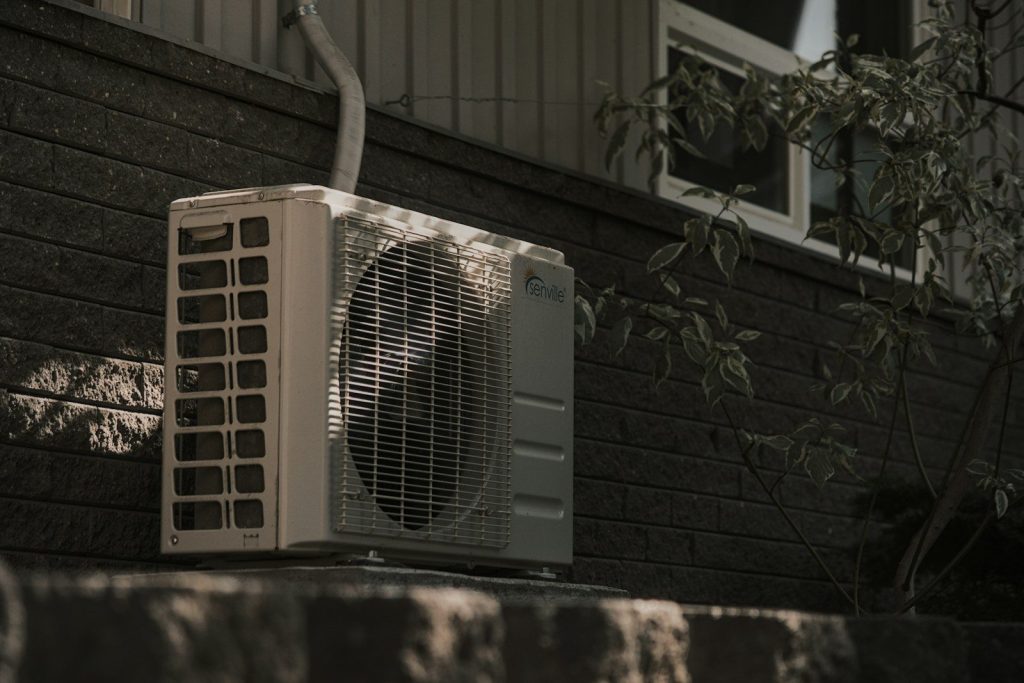
A clogged HVAC filter makes the system work harder, burns more energy, and shortens the lifespan of the unit. A new air handler or heat pump in 2026 can run $4,000 to $12,000 installed.
A filter costs $8 to $30. The filter should be changed every one to three months depending on household size, pets, and air quality. Most people change it once a year, if that.
3. Not Sealing Windows and Doors
Weatherstripping and caulking around windows and doors degrade over time. Once they go, conditioned air leaks out and outside air seeps in. Energy bills climb and nobody connects it to a $4 tube of caulk.
The Department of Energy estimates that sealing air leaks in a typical home can cut heating and cooling costs by 10 to 20 percent. That’s real money, especially with utility rates where they are in 2026.
4. Overlooking the Water Heater
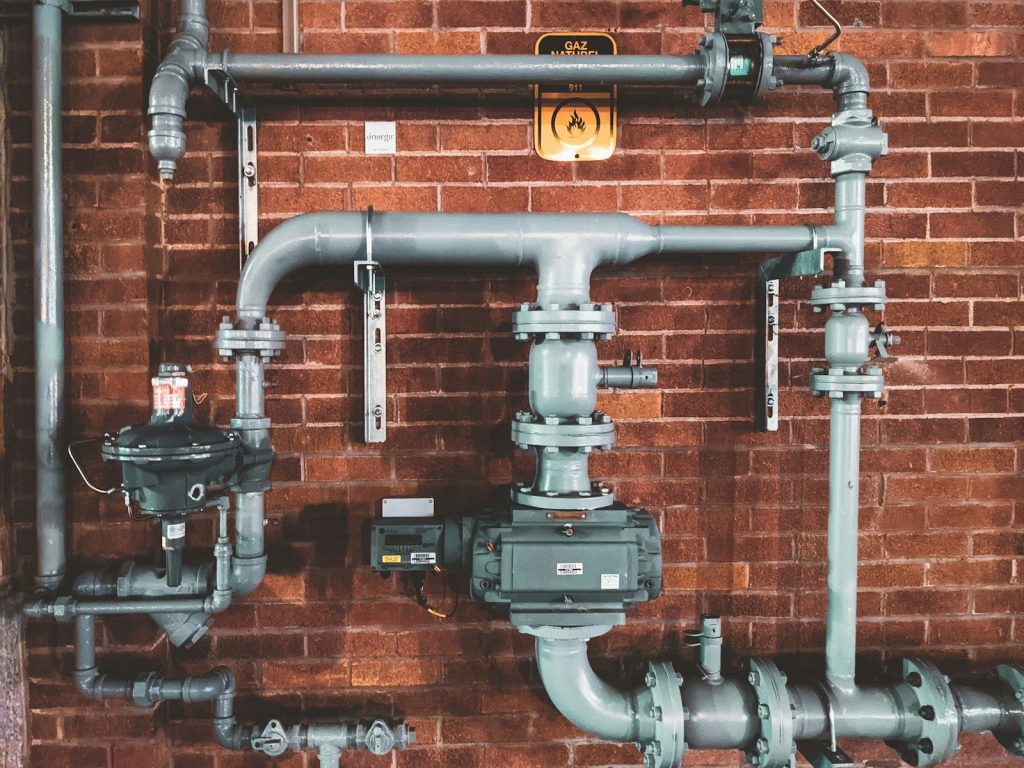
Water heaters get ignored until there’s a puddle on the floor or cold showers start. Flushing sediment from the tank once a year extends its life and keeps it running efficiently. The anode rod, which prevents corrosion inside the tank, should be checked every three to five years.
Most homeowners have never touched theirs. A water heater failure that soaks a finished basement can easily turn into a $10,000 repair between the unit replacement and water damage remediation.
5. Letting Small Roof Issues Sit
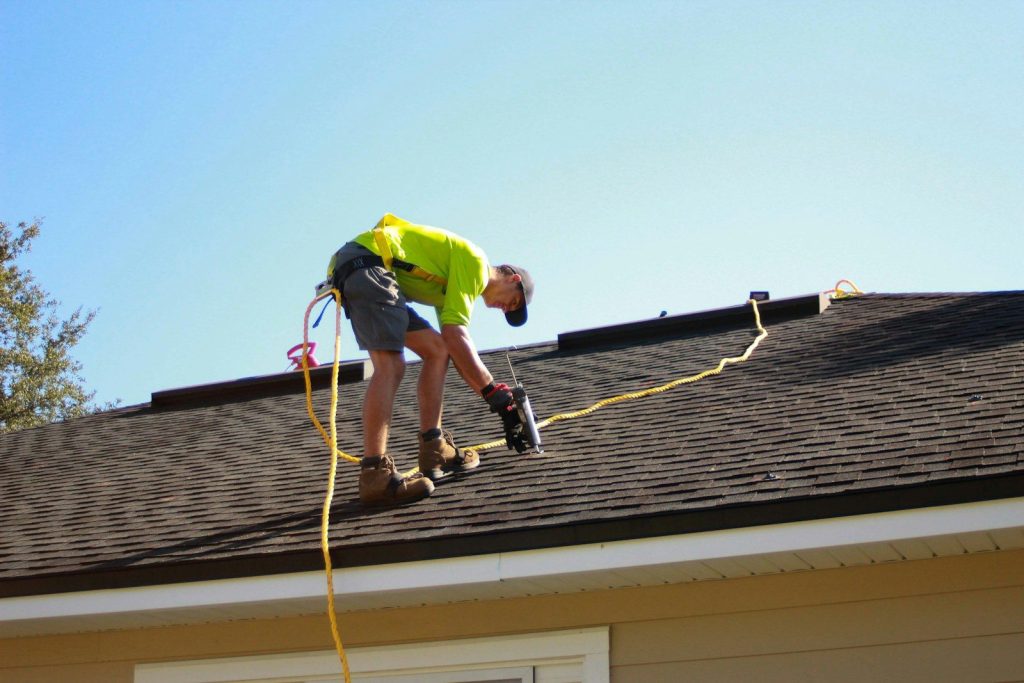
A missing shingle or a cracked flashing seal seems minor. Six months of rain later, there’s a stain on the ceiling. A year after that, there’s mold in the attic. Roof repairs caught early, a resealed flashing here, a few replaced shingles there, cost a few hundred dollars.
A full roof replacement on an average American home runs $9,000 to $22,000 in 2026. Getting a roof inspection every two to three years is cheap compared to finding out about damage through the ceiling.
6. Neglecting the Dryer Vent
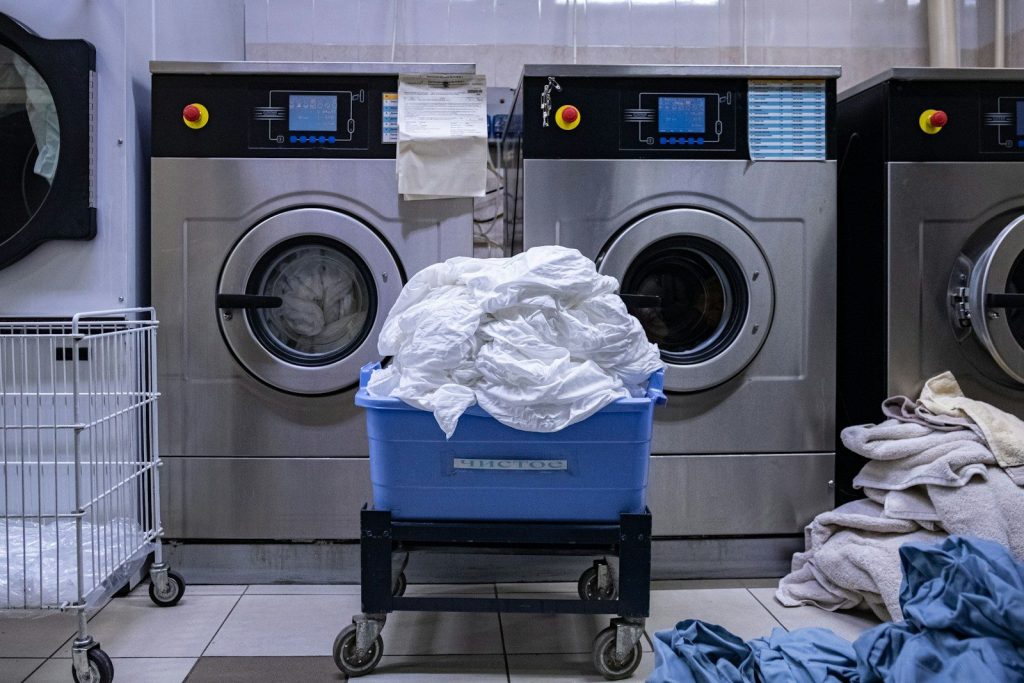
Lint buildup in dryer vents is a genuine fire hazard. The U.S. Fire Administration attributes roughly 2,900 home dryer fires annually to this single cause. Cleaning the vent once a year, or more often with heavy use, takes less than an hour with a vent brush kit.
The vent should exhaust to the outside of the home, not into a crawl space or attic. Check that the exterior flap opens freely when the dryer runs.
7. Forgetting Exterior Paint and Caulk

Paint on a home’s exterior protects the wood underneath. Once it peels and cracks, moisture gets in. What starts as a cosmetic issue becomes rot, which becomes a structural one.
Staying ahead of peeling paint, especially on south and west-facing walls that take the most sun, is far cheaper than replacing siding or trim boards. The same logic applies to caulking around windows, doors, and any penetration in the exterior walls.
8. Missing the Main Water Shutoff Test

Most homeowners have never touched their main water shutoff valve. When a pipe bursts at 2 a.m., that’s the wrong time to discover it hasn’t been turned in fifteen years and is now stuck. Test the valve once a year.
Turn it off, confirm water stops, turn it back on. Gate valves should be replaced with ball valves if they haven’t been already. Ball valves are more reliable and far less likely to seize. A plumber can swap one out for under $200.
9. Treating the Home as Maintenance-Free
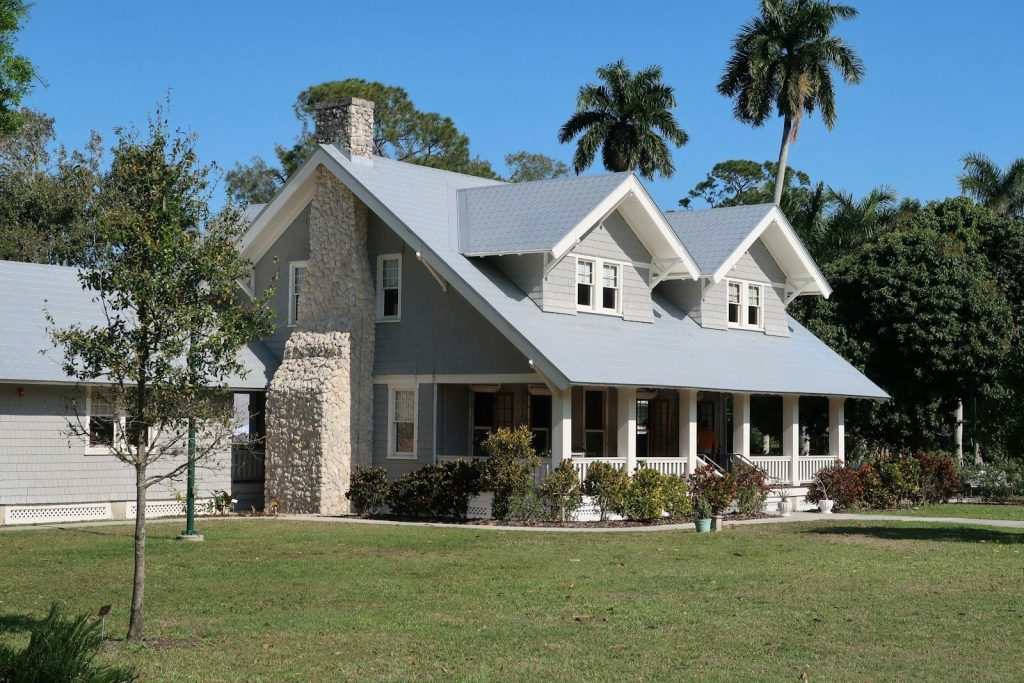
No house built by human hands is maintenance-free. The ones that hold their value and avoid catastrophic repair bills are the ones with owners who treat annual maintenance as a non-negotiable expense, not an optional one.
Setting aside one percent of the home’s value each year for maintenance is a commonly cited benchmark, and in most markets it still holds. For a $400,000 home, that’s $4,000 a year. Spent proactively, it prevents the $30,000 surprises.