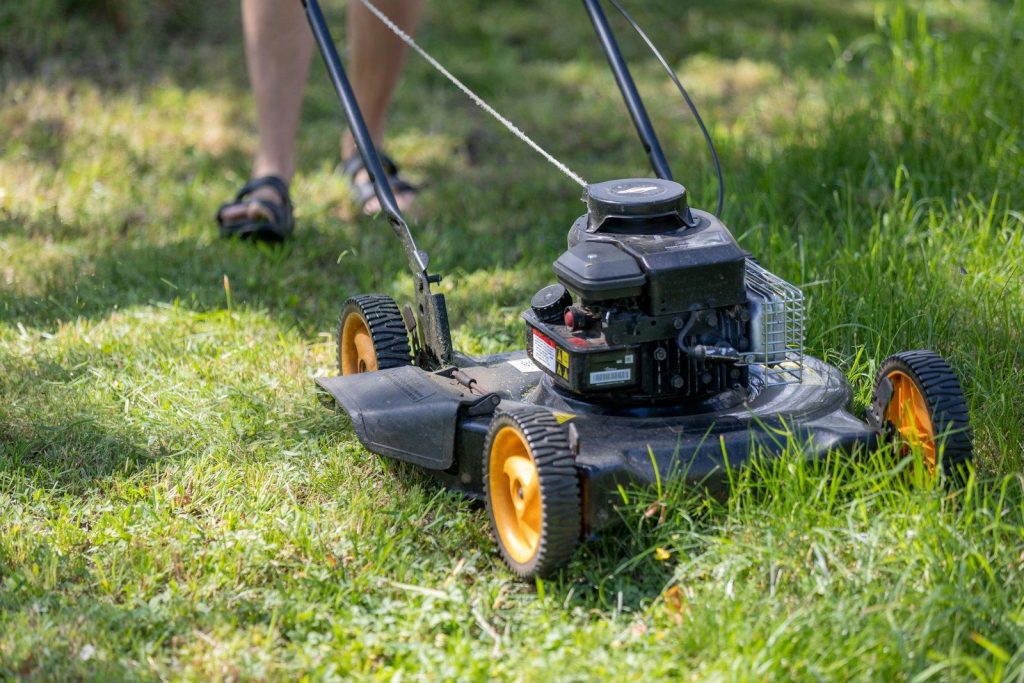

A lot of lawns look decent from the street. Green enough, trimmed enough, no obvious disasters. Then summer hits hard, or a dry stretch rolls in, and suddenly there are bare patches, yellowing strips, and soil so compacted it might as well be pavement.
Most of that damage traces back to habits that seemed harmless or even helpful at the time. These are eight lawn care mistakes worth knowing before the season gets away from you.
1. Mowing Too Short
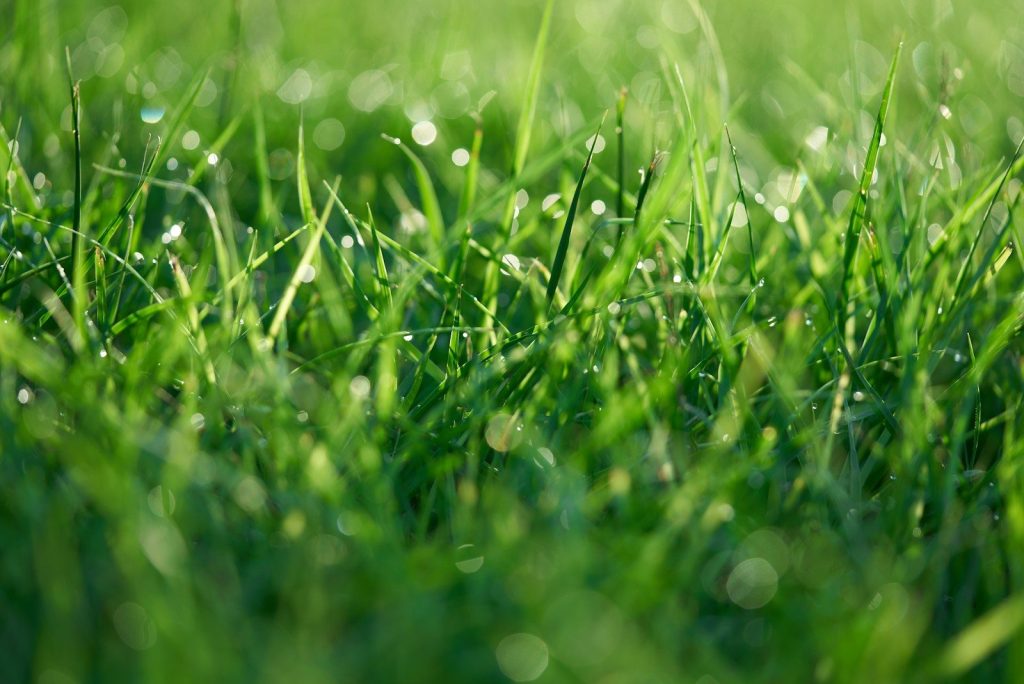
Cutting grass down as low as possible feels efficient. One mow, fewer mow days, clean look. The problem is that scalping the lawn removes too much of the grass blade at once, which stresses the plant and exposes soil to direct sun.
That bare soil dries out faster and gives weeds exactly the opening they need. Most cool-season grasses do best at three to four inches. Warm-season varieties like Bermuda or Zoysia can handle shorter cuts, but even those have a floor. The general rule: never cut more than one-third of the blade in a single mow.
2. Watering Every Day
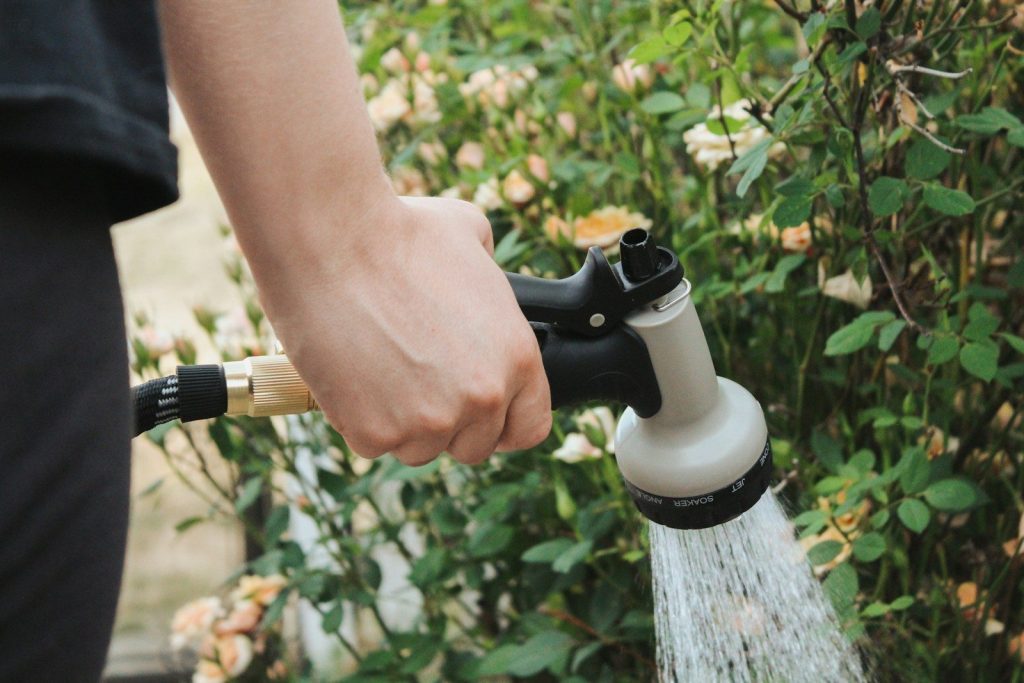
Daily watering trains grass roots to stay shallow because water is always right at the surface. Shallow roots make for a lawn that struggles the moment conditions change. Deeper, less frequent watering forces roots to reach down, which builds a lawn that holds up better through dry spells.
Aim for about an inch of water per week, applied in one or two sessions rather than seven small ones. Early morning is the best time. Evening watering leaves moisture sitting on the blades overnight, which invites fungal problems.
3. Ignoring Soil Health
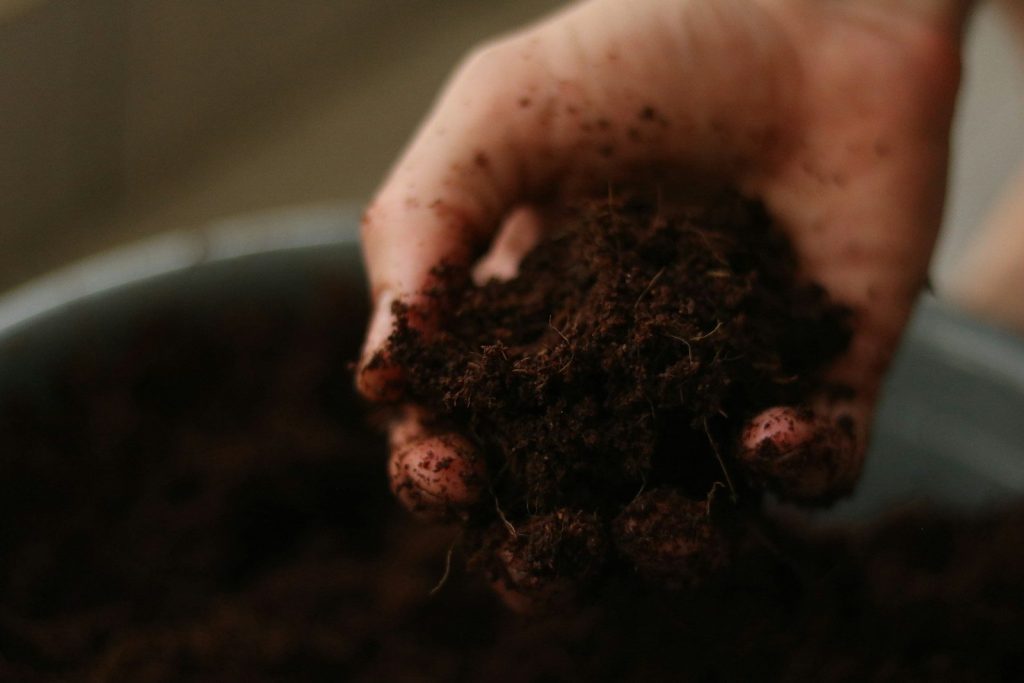
Grass is only as good as what it grows in. Soil that is heavily compacted, nutrient-depleted, or badly out of pH range will fight every effort to keep a lawn healthy. A basic soil test costs very little and takes the guesswork out of fertilizing.
Many homeowners apply fertilizer on a schedule without knowing whether nitrogen, phosphorus, or potassium is actually the limiting factor. In 2026, soil test kits are widely available at garden centers and through local cooperative extension programs. The results change how the whole season gets managed.
4. Fertilizing at the Wrong Time
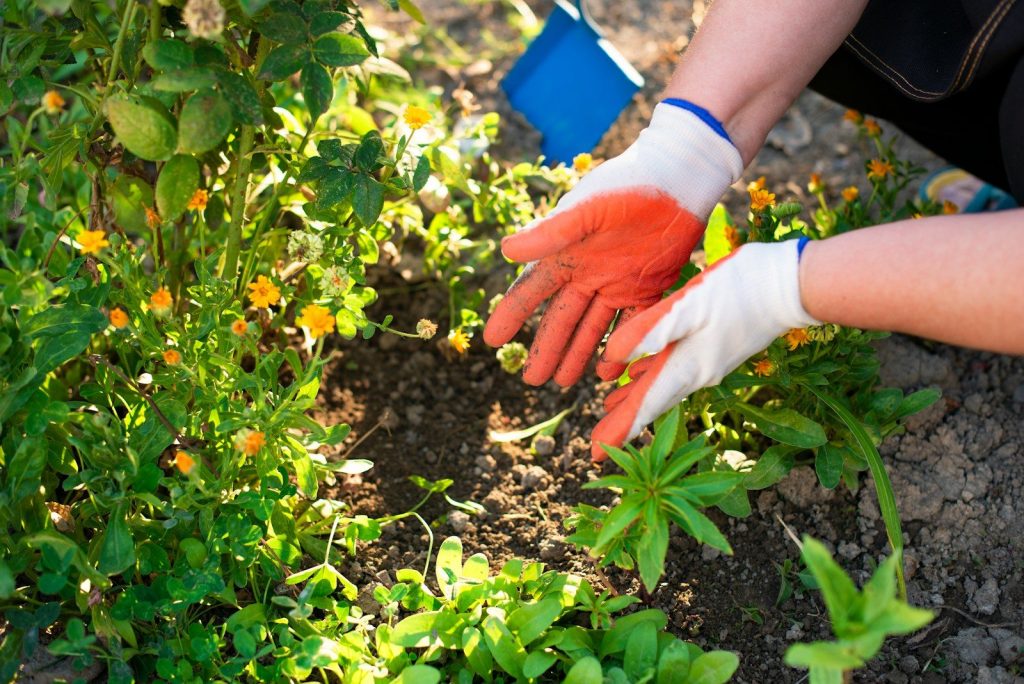
Putting down fertilizer when grass is dormant or heat-stressed is roughly as useful as feeding someone who is asleep. The nutrients either sit unused, wash away, or in some cases cause fertilizer burn.
Cool-season grasses need the big feeding in fall, when roots are actively growing even as the top growth slows. Warm-season grasses want fertilizer in late spring through summer. Timing matters more than brand.
5. Letting Thatch Build Up
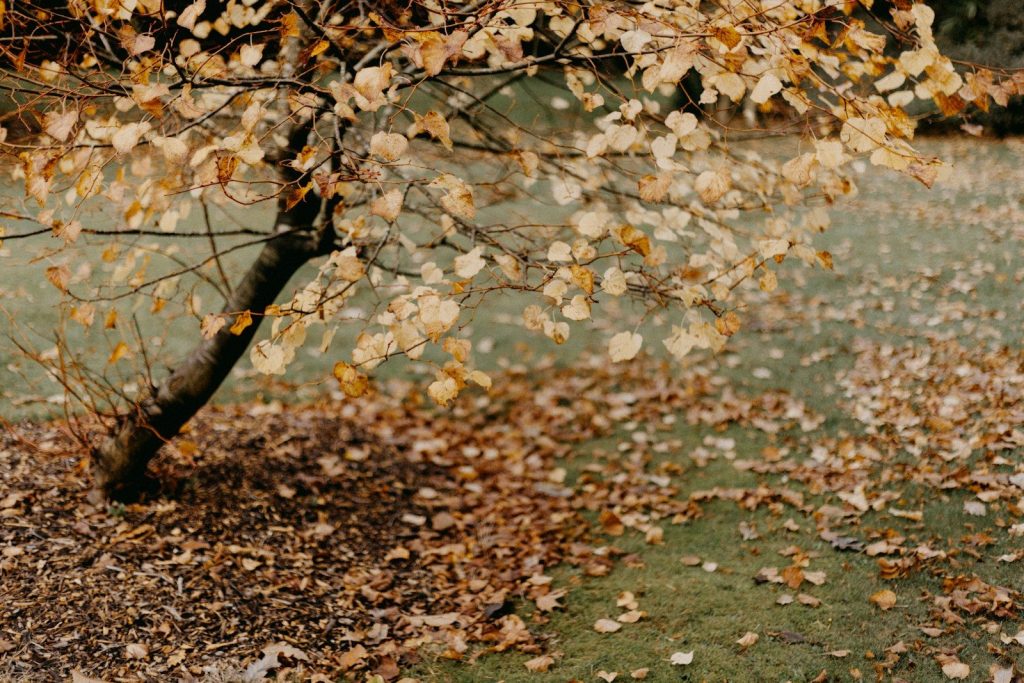
A thin layer of thatch, the matted mix of dead grass and organic debris just above the soil, is actually fine. It acts as a light mulch. When it thickens past about half an inch, though, it blocks water, air, and nutrients from reaching the roots.
Dethatching once a year or every other year, depending on the grass type, keeps that layer manageable. Aerating compacted soil around the same time makes a bigger difference than most people expect. The two tasks together tend to produce noticeably better results by the following season.
6. Using Dull Mower Blades
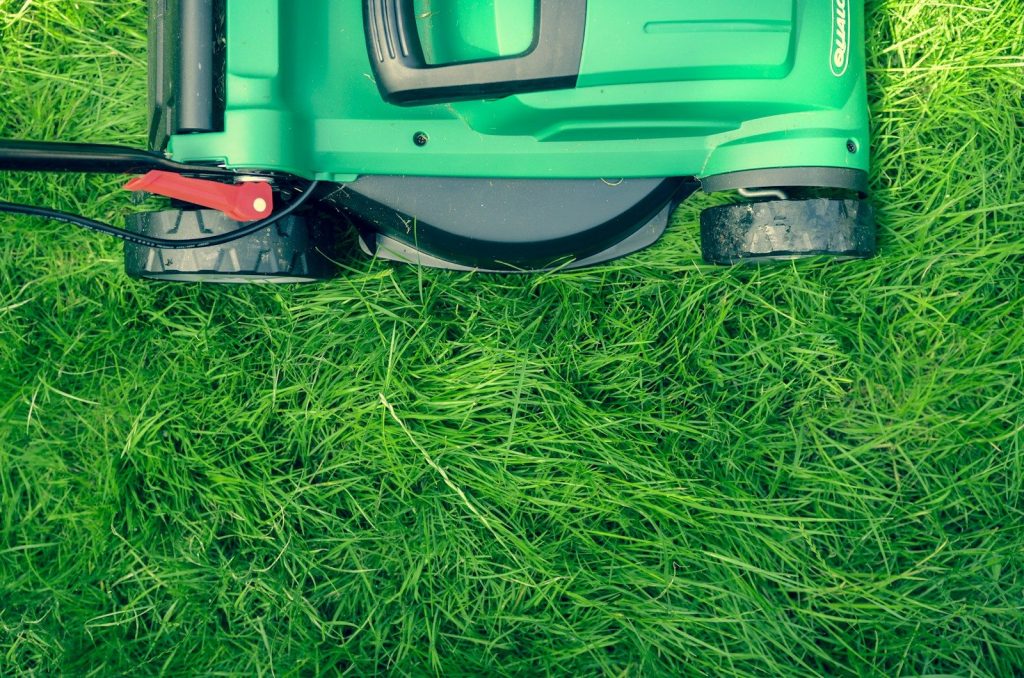
A dull blade tears grass rather than cutting it cleanly. Torn tips turn brown and create small entry points for disease. A sharp blade makes a clean cut that heals quickly.
Sharpening mower blades two or three times a season is one of the lowest-effort, highest-return tasks in lawn maintenance. It also reduces the strain on the mower engine, so the equipment lasts longer.
7. Overseeding Without Prep
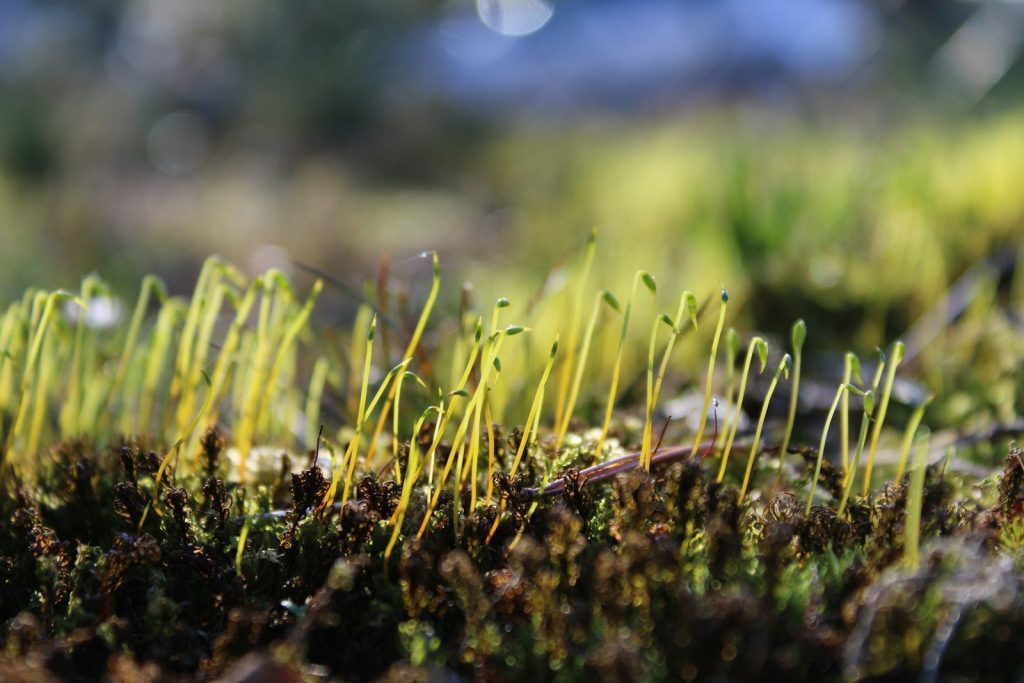
Throwing grass seed over an existing lawn without any preparation produces patchy, uneven results. Seed needs soil contact to germinate properly. Raking out dead material, aerating first, and lightly topdressing with compost gives new seed somewhere to land and take hold.
Overseeding right before or during a heat wave also tends to fail. Fall is the best window for cool-season grasses. The ground is still warm enough to support germination, but the air temperatures drop enough to reduce competition from crabgrass and other summer weeds.
8. Skipping the Edges
The edges of a lawn, along sidewalks, driveways, and garden beds, get overlooked more often than the main grass surface. Overgrown edges make an otherwise decent lawn look untended. Worse, grass that creeps into beds or cracks starts pulling resources and can be surprisingly hard to reclaim once it spreads.
A simple edging pass every two to three weeks during the growing season keeps the lines clean and reduces the time spent fixing bigger problems later.
9. Treating Every Lawn the Same
Grass type, climate zone, soil composition, sun exposure, and traffic patterns all affect what a specific lawn actually needs. Advice written for fescue lawns in the Pacific Northwest does not automatically apply to St. Augustine grass in Central Florida. With climate patterns becoming more variable heading through the mid-2020s, regional extension services have updated their guidance more frequently than in past decades.
Checking local recommendations before committing to a fertilizer schedule, watering plan, or overseeding window will produce better results than following generic instructions. No two lawns are identical, and the ones that thrive usually have someone paying close enough attention to notice the difference.