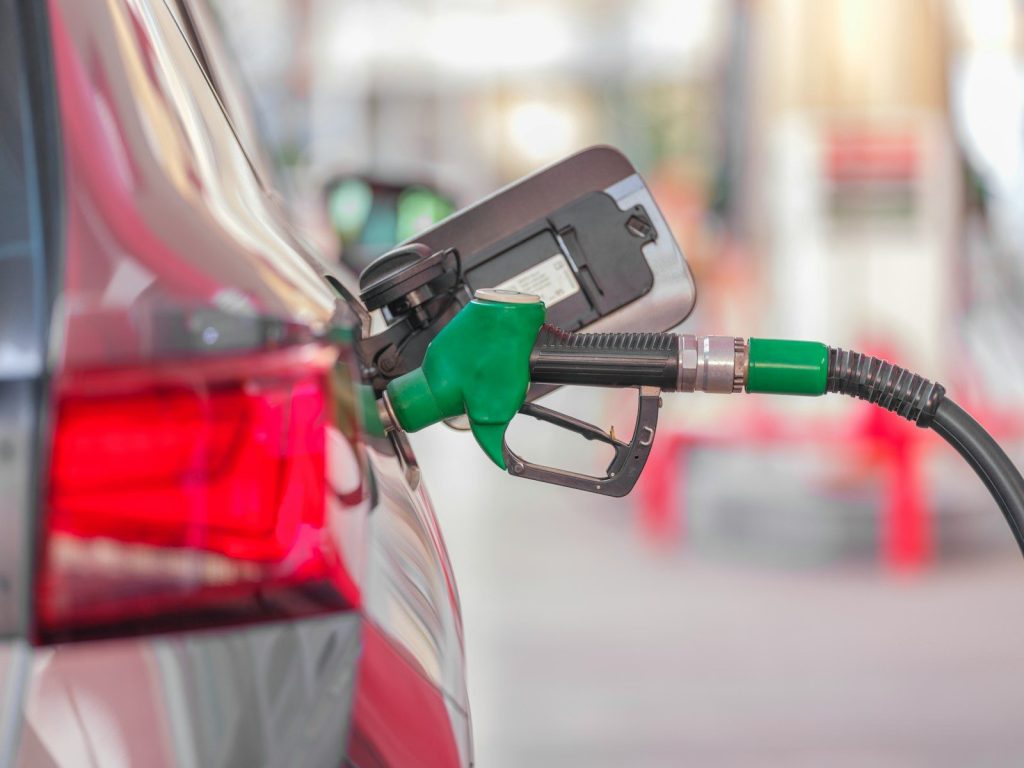

Fuel prices in 2026 have settled into a range that still stings, especially for anyone driving more than a couple hundred miles a week.
The pump is one of those places where small habits quietly drain a bank account over months and years. Most people pull in, fill up, and drive off without thinking twice. That routine is costing them.
1. Topping Off the Tank
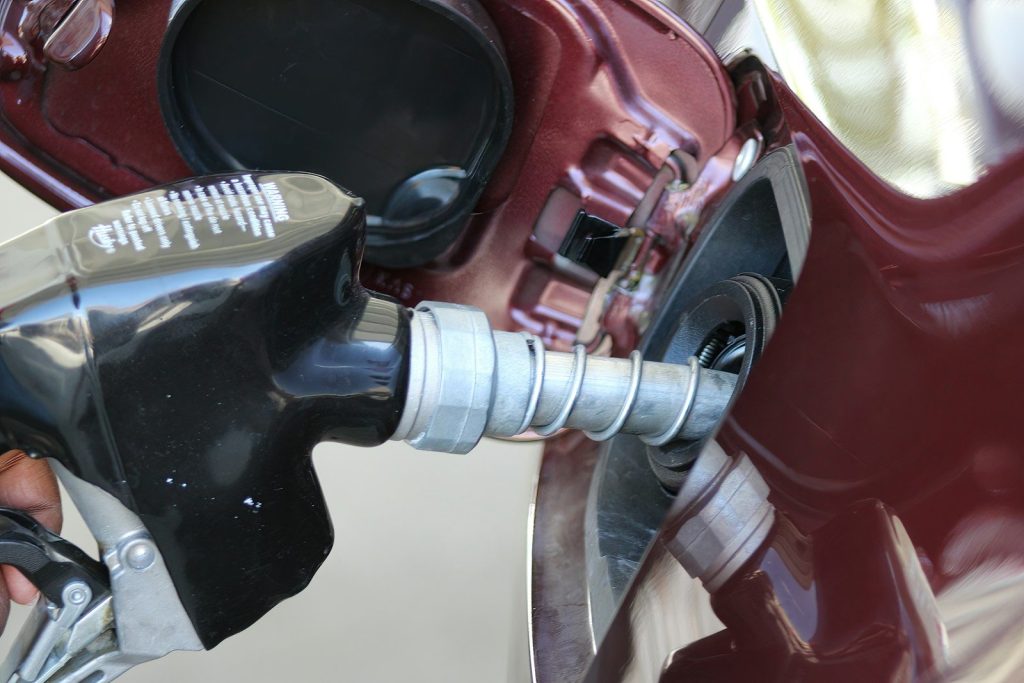
Once the pump clicks off automatically, the transaction is done. Continuing to squeeze in more fuel after that point is a habit that backfires. Modern fuel systems have a charcoal canister designed to capture vapor.
Forcing extra fuel into that system damages the canister over time, which can trigger a check engine light and an expensive repair. The few extra cents of gas added are not worth a $200 fix.
2. Ignoring Fuel Grade
Most standard engines run perfectly well on regular 87-octane fuel. Paying for premium when the owner’s manual does not require it is money left at the pump.
The flip side is also true: some turbocharged and high-compression engines genuinely need premium, and running regular in those cars reduces performance and can cause long-term wear. Checking the manual takes 30 seconds and settles the question permanently.
3. Not Checking Tire Pressure First
This one has a compound effect. Underinflated tires create more rolling resistance, which forces the engine to burn more fuel. The U.S. Department of Energy has noted that tire pressure even a few PSI below the recommended level can reduce fuel economy noticeably.
A quick check at the air station, which most pumps still offer for free or close to it, pays for itself within a single tank. Many drivers skip this entirely for years.
4. Paying with Cash When a Card Rewards Better
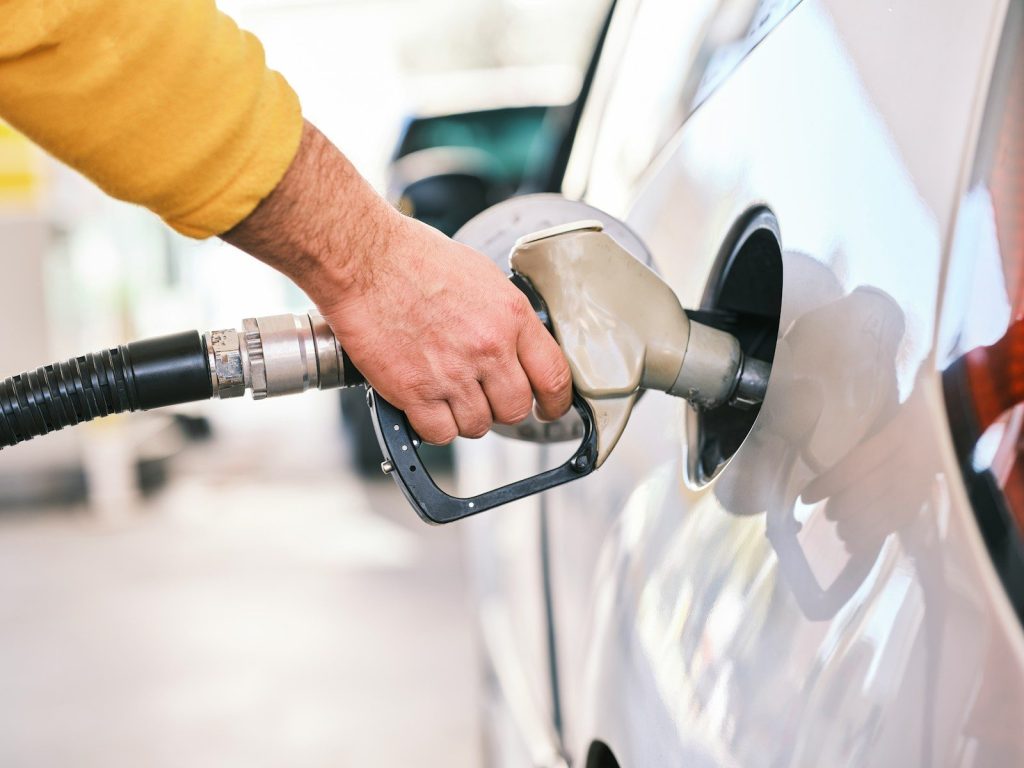
Some fuel retailers still post a cash price that is a few cents lower per gallon. That made more sense before fuel rewards credit cards became as competitive as they are now.
Several cards in 2026 offer 3 to 5 percent back on gas purchases, which often outpaces the cash discount. Running the numbers for a typical monthly fill-up reveals the better deal quickly. The mistake is assuming one option is always better without doing the math.
5. Filling Up on Weekends
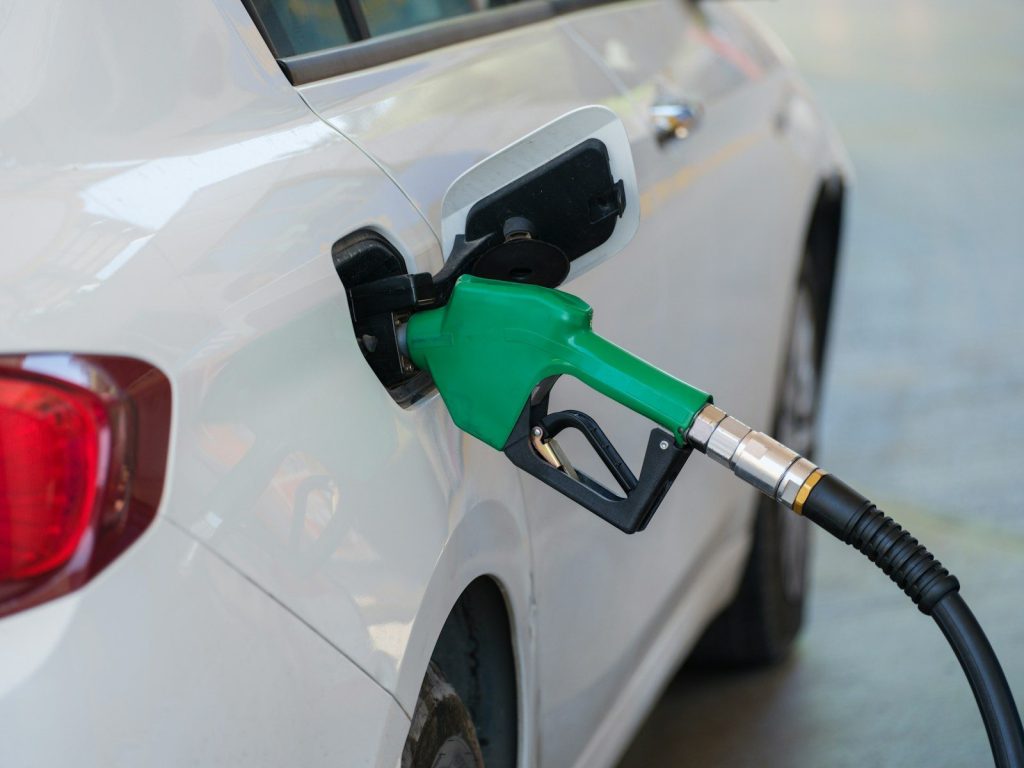
Fuel prices follow a predictable weekly pattern in most U.S. markets. Prices tend to rise ahead of the weekend as demand increases, then ease off early in the week.
GasBuddy and similar apps have tracked this pattern consistently over many years. Filling up on a Tuesday or Wednesday instead of a Saturday morning can save a few cents per gallon. Over a full year of fill-ups, that adds up to a real number.
6. Running the Tank Near Empty Regularly
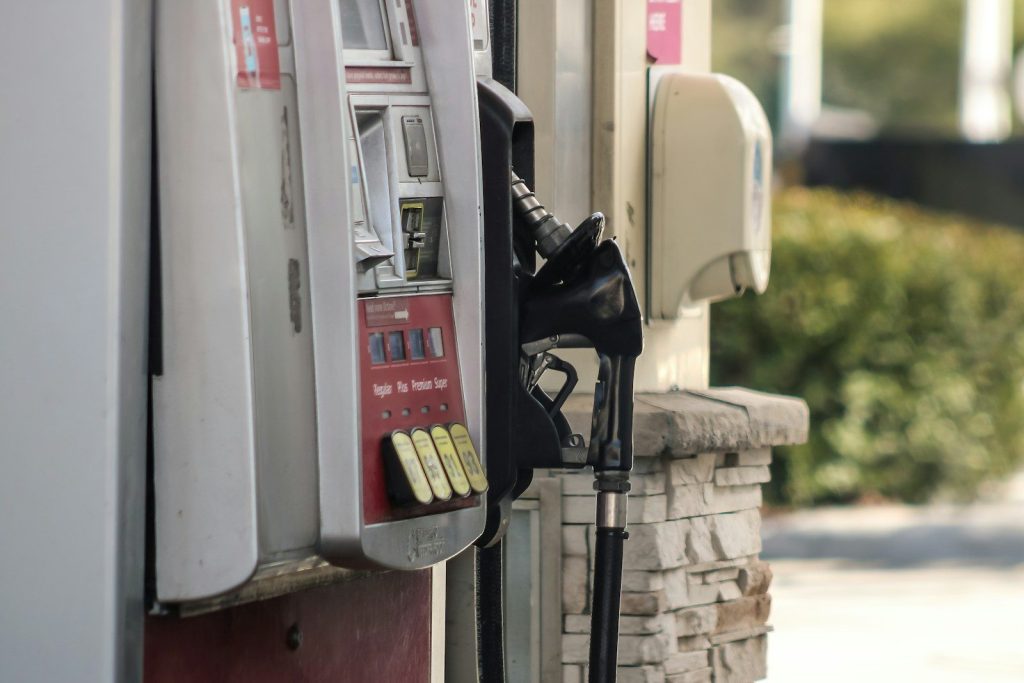
Waiting until the low-fuel light glows before stopping is harder on a car than most people realize. The fuel pump in most modern vehicles sits inside the tank and relies on surrounding fuel to stay cool. Running on fumes repeatedly shortens pump life.
Fuel pump replacements run anywhere from $400 to $900 depending on the make and model. Keeping the tank above a quarter full is a simple way to avoid that bill.
7. Buying Gas Near Highway Exits
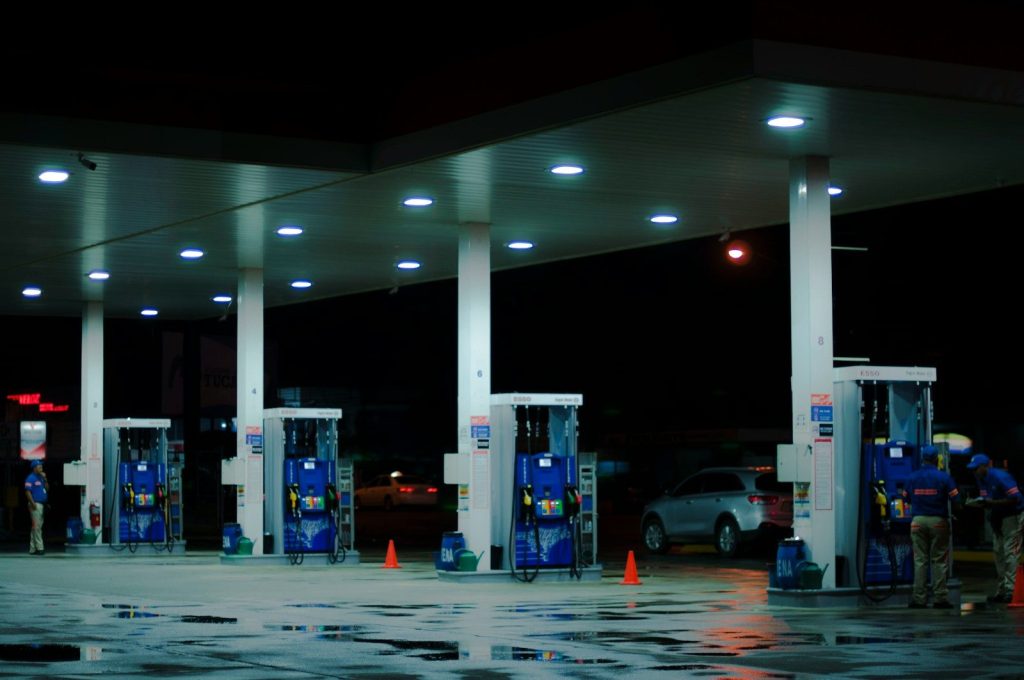
Convenience has a price. Gas stations positioned directly off highway exits charge a premium because they can. Drivers passing through unfamiliar areas who stop at the first sign they see often pay 15 to 30 cents more per gallon than they would a mile or two off the exit.
GasBuddy, Google Maps, and Waze all show nearby prices before committing to a stop. Taking two extra minutes to find a better price is one of the easiest saves on this list.
8. Letting the Engine Idle at the Pump
Sitting in a running car at the gas station, waiting for a passenger or scrolling a phone, burns fuel for nothing. An idling engine on a modern car consumes roughly a quarter to half a gallon per hour depending on engine size.
It is a small number in isolation, but the broader habit of unnecessary idling compounds across a year. Shutting the engine off while parked costs nothing.
9. Skipping Loyalty Programs
Nearly every major fuel retailer has a loyalty program in 2026, and most of them are free to join. Shell Fuel Rewards, BP Rewards, and various supermarket-linked programs offer discounts that range from 5 cents to 25 cents per gallon depending on spending habits elsewhere.
A grocery store that partners with a fuel brand can drop the price at the pump simply from regular food shopping. The sign-up takes a few minutes. Leaving those discounts unclaimed every week is one of the more avoidable leaks in a household fuel budget.