

Downsizing has become a common topic for many Baby Boomers in 2026. Rising maintenance costs, changing lifestyles, and the desire for simplicity often lead people to clear out belongings or sell larger assets. Yet not everything that seems unnecessary today will be easy or affordable to replace tomorrow.
Some possessions carry financial value. Others hold practical benefits, family history, or long-term usefulness. Before listing an item for sale, it helps to consider what could be lost along with the extra cash or storage space.
1. The Family Home

Selling a longtime family home can make sense in certain situations, especially when upkeep becomes overwhelming. Still, many homeowners underestimate how difficult it can be to reenter the housing market later.
Home prices in many parts of the United States remain high, and mortgage rates continue to fluctuate. A home that feels too large today may provide flexibility for visiting family members, future caregivers, or changing retirement plans. Once sold, a similar property could cost far more to buy back.
2. Vintage Furniture
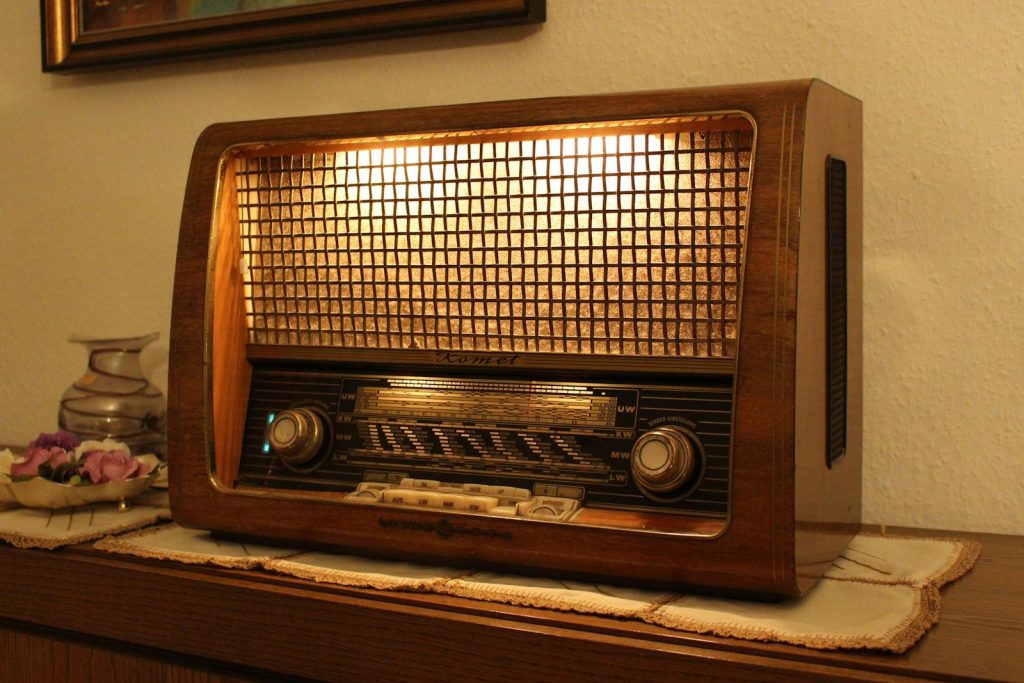
Older furniture is often among the first things considered during a move. Large dining sets, solid wood cabinets, and handcrafted pieces can seem outdated in a world filled with compact designs.
Yet quality furniture built decades ago frequently outlasts many modern alternatives. Solid oak, walnut, and maple pieces are becoming harder to find at reasonable prices. A piece that appears ordinary may also carry collector interest, particularly if it comes from a respected manufacturer or design period.
3. Classic Cars

Many retirees see a classic car as an easy way to free up garage space and generate extra money. In some cases, that decision works out well.
Certain vehicles, however, continue appreciating in value. Well-maintained models from the 1950s through the 1980s often attract strong interest from collectors. Beyond the financial aspect, classic cars can represent decades of memories tied to road trips, family events, and personal milestones. Once a favorite vehicle leaves the driveway, replacing that connection is rarely simple.
4. Family Heirlooms

Jewelry, antique clocks, military memorabilia, and handwritten letters may not seem useful in everyday life. Their value often extends beyond dollars and cents.
Family heirlooms tell stories that future generations cannot easily recover. A watch passed down through three generations or a collection of old photographs may become more meaningful as family members grow older. Selling such items can sometimes lead to regret, especially when younger relatives later express interest in preserving family history.
5. Land and Vacation Property

Vacant land and vacation homes often look expensive on paper. Property taxes, insurance, and maintenance costs can add up quickly.
At the same time, land is a limited resource. Areas that seem quiet today can experience growth over the next decade. A lake cabin, mountain retreat, or undeveloped parcel may gain value as populations shift and remote work continues to influence where people choose to live. Selling too quickly can close the door on future opportunities.
6. Collectibles
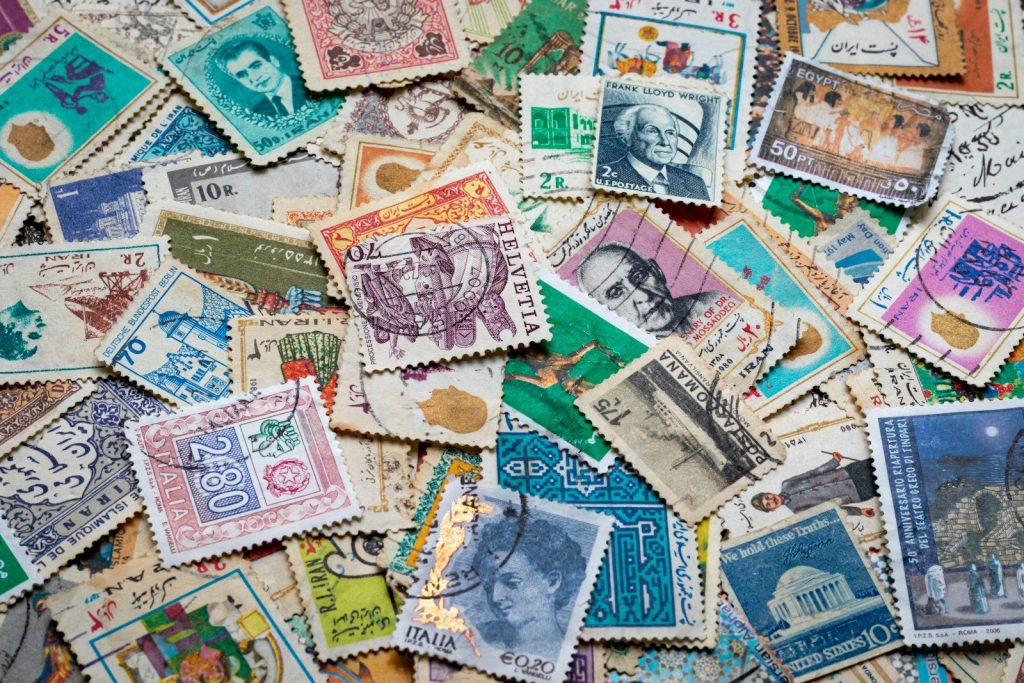
Collections of coins, stamps, sports memorabilia, comic books, and vintage toys are sometimes dismissed as clutter.
Collectors know that markets move in cycles. Items that appear to have modest value today can attract renewed attention when trends change. Many sellers discover later that they accepted far less than a collection was worth because they never obtained a professional appraisal. A little research can prevent an expensive mistake.
7. Tools and Workshop Equipment
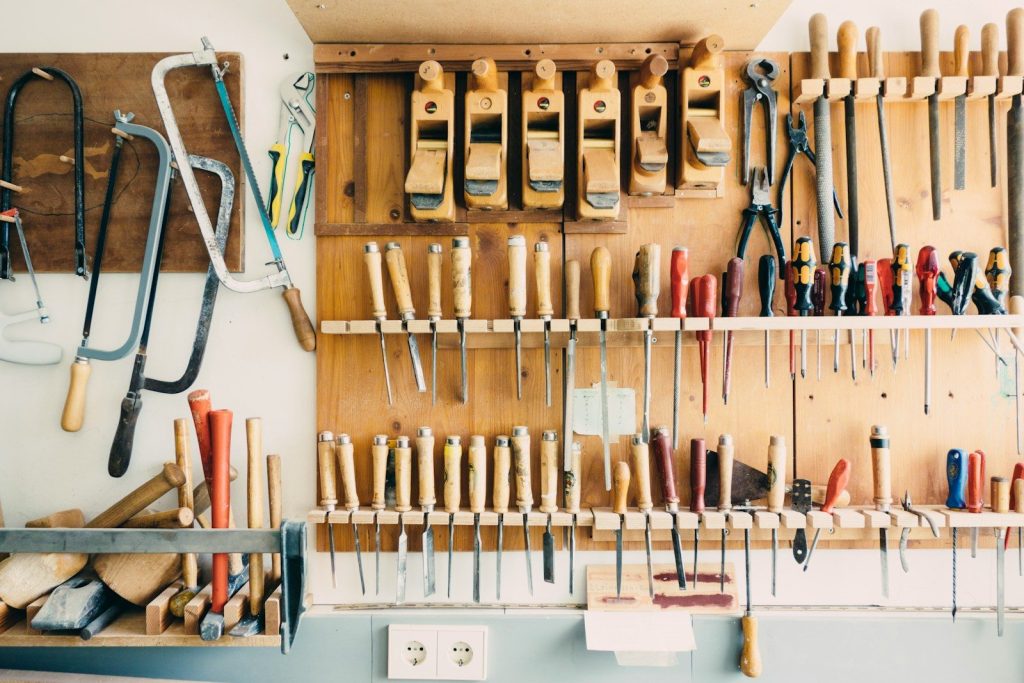
Retirement often inspires people to simplify workshops, garages, and storage sheds. Large tool collections may seem unnecessary once a career ends.
Yet many Boomers continue tackling home projects, woodworking, gardening, or vehicle maintenance well into their later years. Replacing specialized tools can be surprisingly expensive. Equipment purchased years ago may also be built to a higher standard than newer versions available today.
8. Rare Books and Personal Libraries

Books are heavy, and moving them can be a challenge. That reality leads many people to sell or donate entire libraries during a downsizing effort.
Some collections contain first editions, signed copies, or out-of-print works that have gained value over time. Even books without high market prices can serve as personal archives of interests, experiences, and lifelong learning. A shelf of carefully chosen titles often reveals more about a person’s life than many other possessions.
9. Retirement Investments Held for the Long Term

Not every sale involves a physical object. Retirement accounts, dividend-paying stocks, and long-term investments deserve careful consideration before being liquidated.
Market swings can tempt investors to cash out during periods of uncertainty. Selling too quickly may interrupt long-term growth and create tax consequences. Financial circumstances differ from person to person, but major investment decisions often benefit from patience and professional guidance. The goal is not simply to turn assets into cash. It is to preserve options for the years ahead.