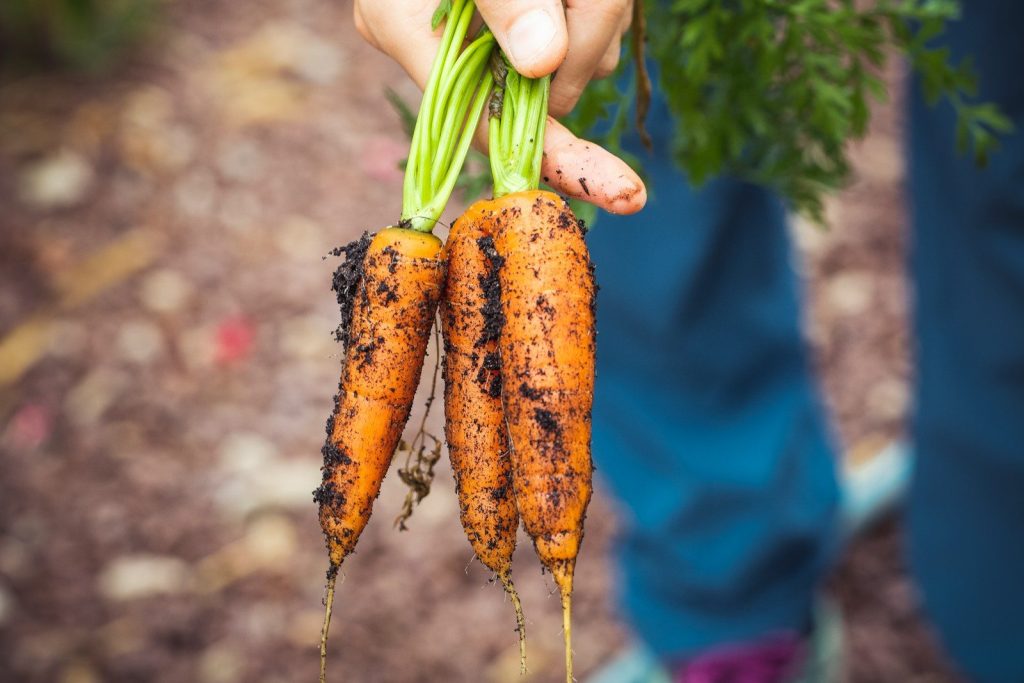

Grocery prices have stayed unpredictable into 2026, and plenty of households are looking for small ways to spend less without changing everything else about daily life. A vegetable garden remains one of the few projects that can lower food costs and produce something useful within a single season.
The catch is that many first-time gardeners overspend before the first tomato appears. Fancy raised beds, expensive soil systems, and giant seed collections can turn a money-saving plan into an expensive hobby. A smarter approach starts smaller and grows from there.
1. Start With Vegetables That Actually Get Eaten
One of the most common mistakes is planting vegetables that look good in a garden photo but rarely make it onto the dinner table. The better move is simple: grow what gets used weekly.
Leaf lettuce, green onions, herbs, peppers, cucumbers, spinach, bush beans, and cherry tomatoes are often practical starting points because they tend to be productive and expensive enough at the grocery store to justify growing at home. A single container of fresh herbs can cost several dollars. A healthy herb plant can keep producing for months.
2. Begin Small Enough to Maintain
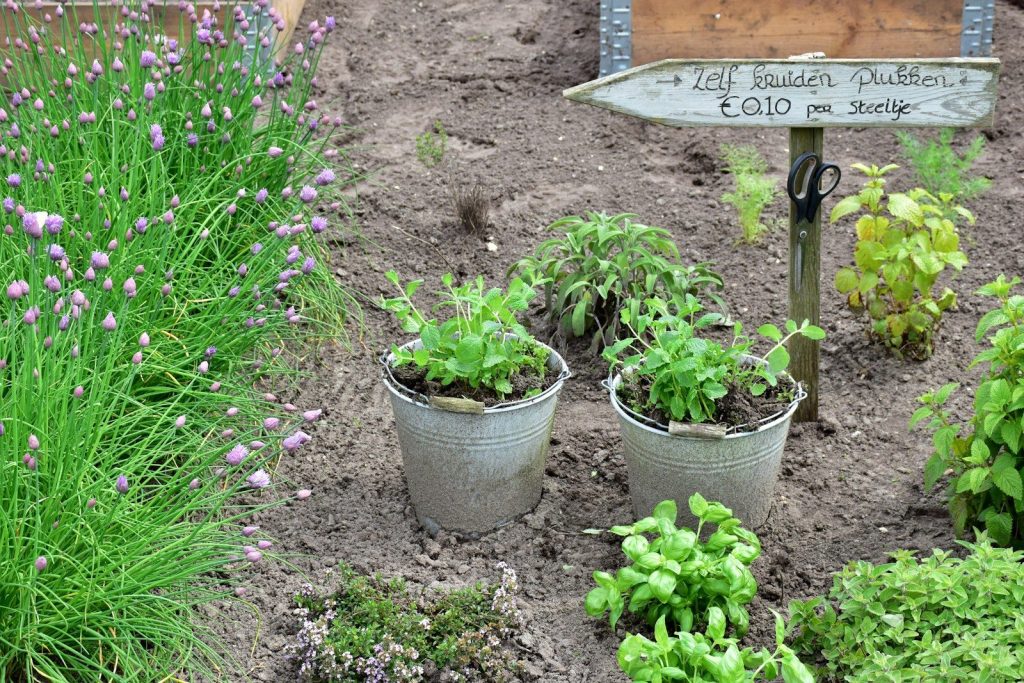
A garden that feels manageable survives longer. Many new gardeners start with more space than they can realistically water, weed, and harvest. Three or four containers or a compact raised bed can produce more than expected.
A garden that stays healthy through one season teaches more than an oversized setup abandoned by midsummer. There is no prize for planting twenty varieties at once.
3. Skip Seedlings for Some Crops
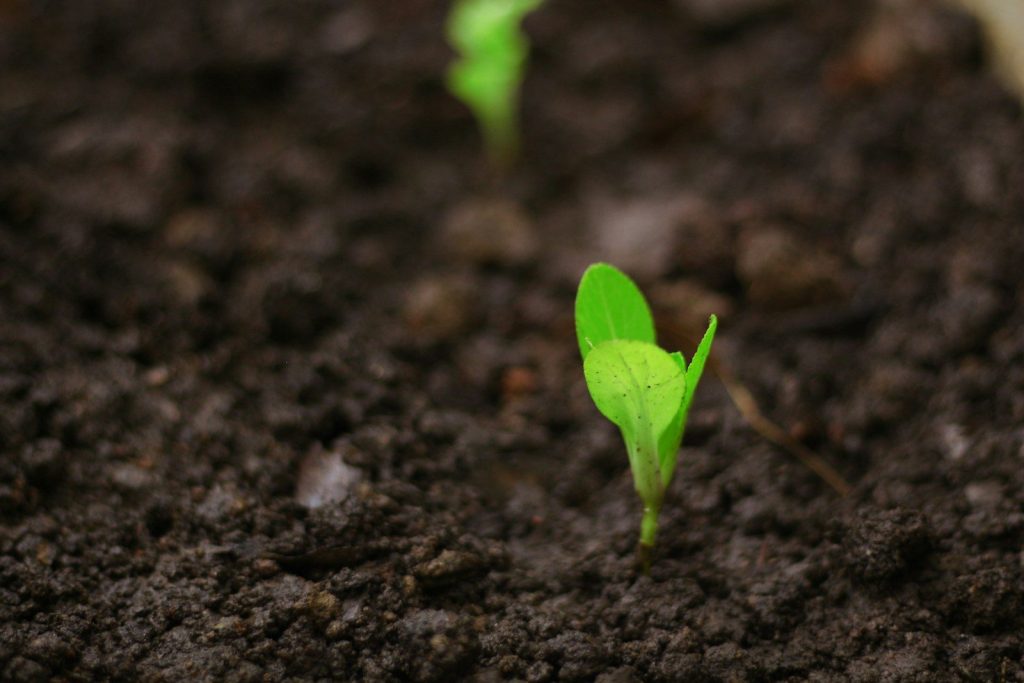
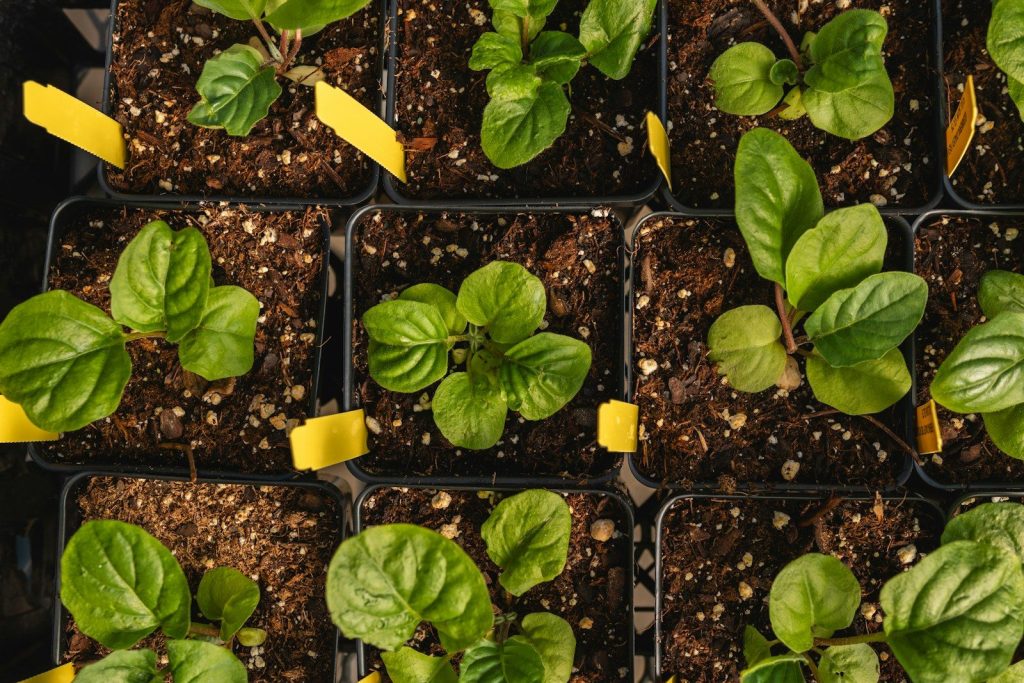
Buying starter plants has advantages, but not every vegetable needs that shortcut. Fast-growing crops like radishes, lettuce, beans, carrots, and spinach are often inexpensive to start from seed. A small packet can supply several planting rounds.
Reserve purchased seedlings for crops that benefit from a head start, especially tomatoes, peppers, and eggplant in shorter growing regions. Mixing both methods often keeps costs under control.
4. Use Containers Before Building Anything Permanent
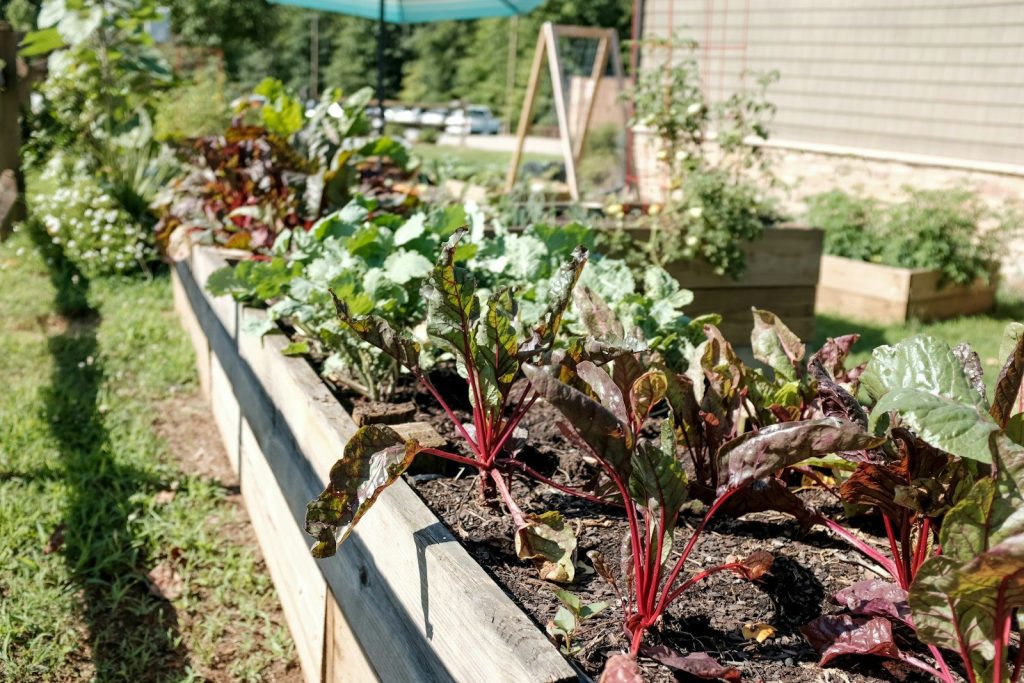
Garden centers make permanent installations look necessary. They are not. Buckets, fabric grow bags, window boxes, and large containers can produce surprisingly strong harvests with less upfront cost.
Containers also solve a problem new gardeners rarely expect: sunlight changes. A portable garden can move as conditions shift through the season. Good drainage matters more than expensive materials.
5. Plant in Waves Instead of All at Once
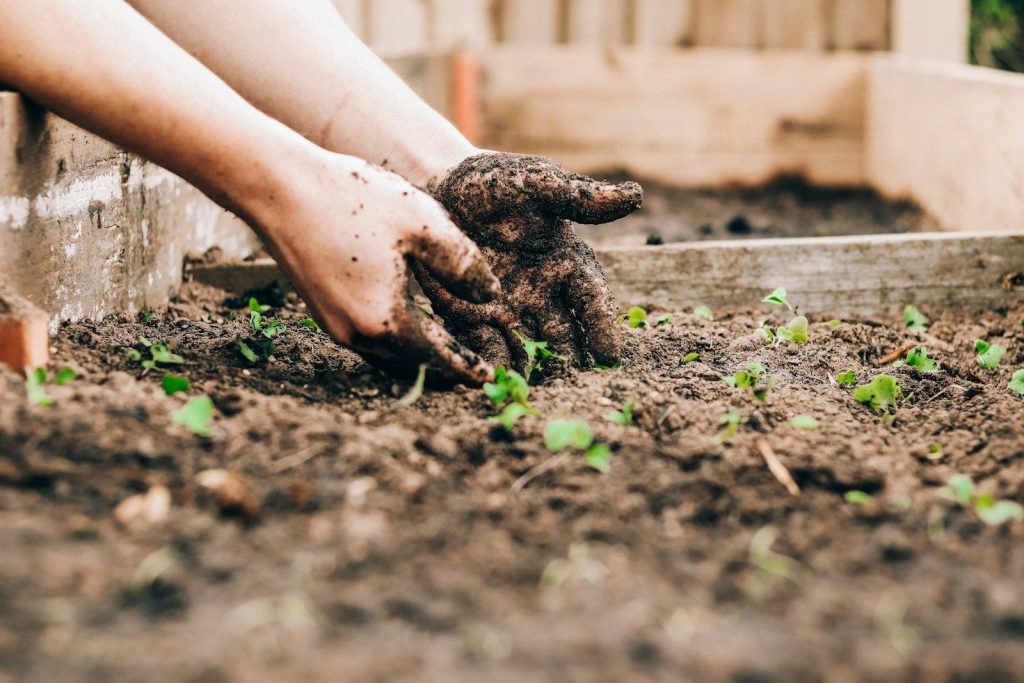
Planting everything on one weekend sounds efficient until six heads of lettuce mature at the same time. Successive planting spreads harvests across weeks instead of creating a sudden surplus.
Plant another row of greens every two weeks. Add fresh bean seeds after the first round starts growing. Repeat with quick crops. The grocery savings become more noticeable when vegetables keep arriving steadily.
6. Compost More and Buy Less Soil
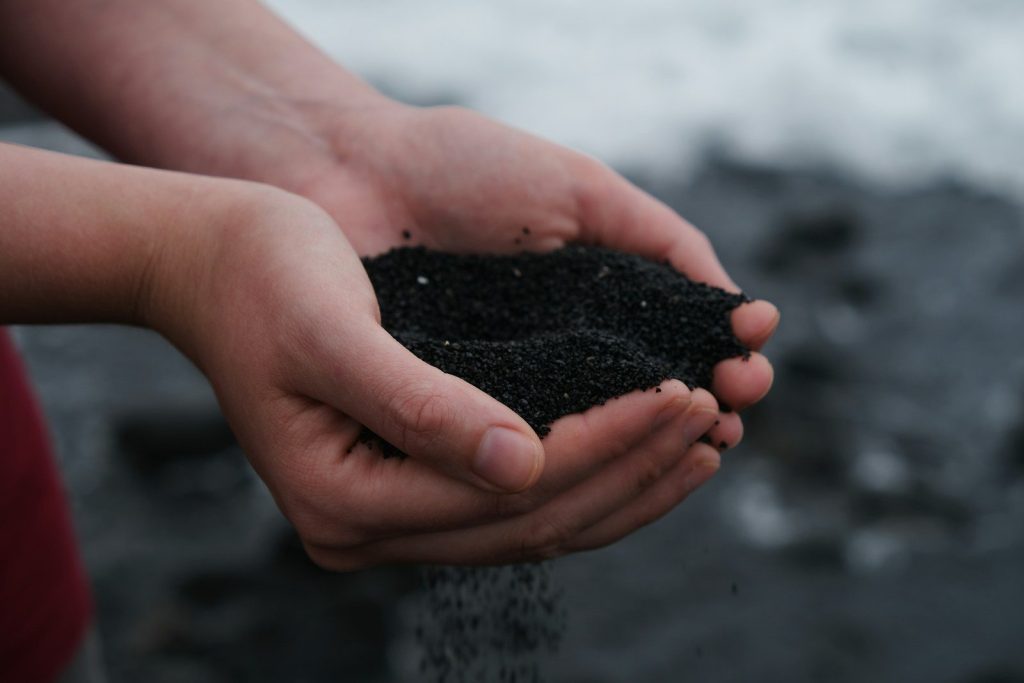
Bagged soil adds up quickly. Kitchen scraps, coffee grounds, dry leaves, and yard clippings can become useful compost over time. Even a small compost setup reduces waste and improves growing conditions.
Compost does not need complicated equipment. A simple covered bin or contained pile often works. Healthy soil usually pays back more than extra garden accessories.
7. Water Earlier and Waste Less
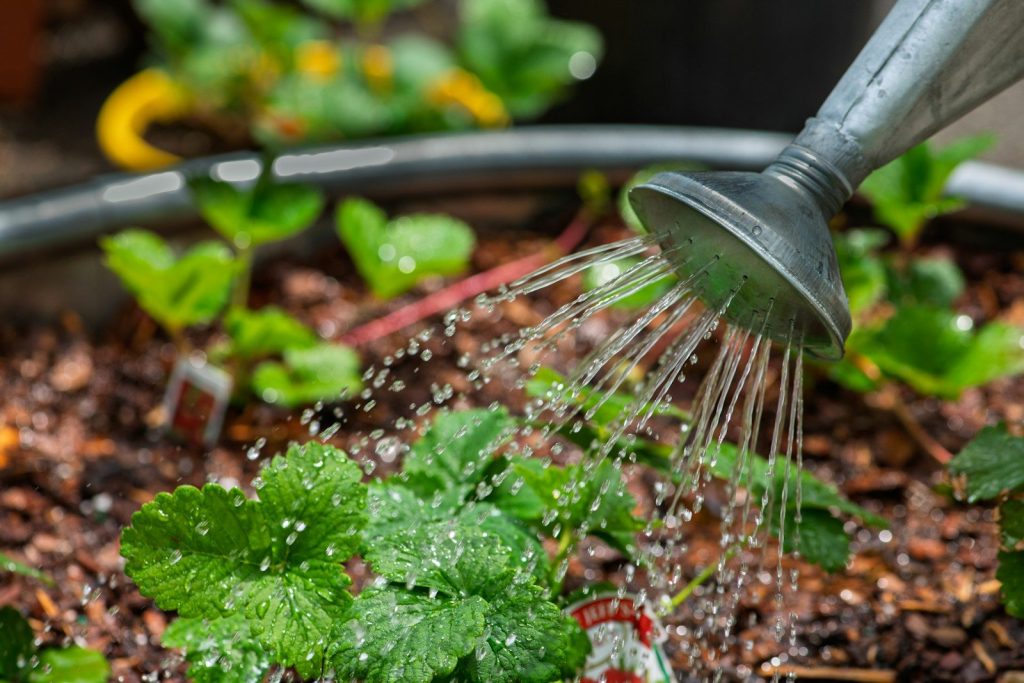
Water habits quietly shape both plant health and utility bills. Morning watering reduces evaporation and gives leaves time to dry. Deep watering less often generally encourages stronger roots than quick daily sprays.
Mulch also helps. Straw, untreated grass clippings, shredded leaves, and wood chips can hold moisture and reduce the amount of watering needed. Small changes add up over an entire growing season.
8. Keep a Garden Notebook
Experienced gardeners often remember one thing: they forget more than they expect. Write down planting dates, weather patterns, varieties that performed well, and what never earned a second season.
A notebook turns gardening into something repeatable instead of random. One year’s notes can save more money than buying another gadget.
9. Treat the First Season as a Trial Run
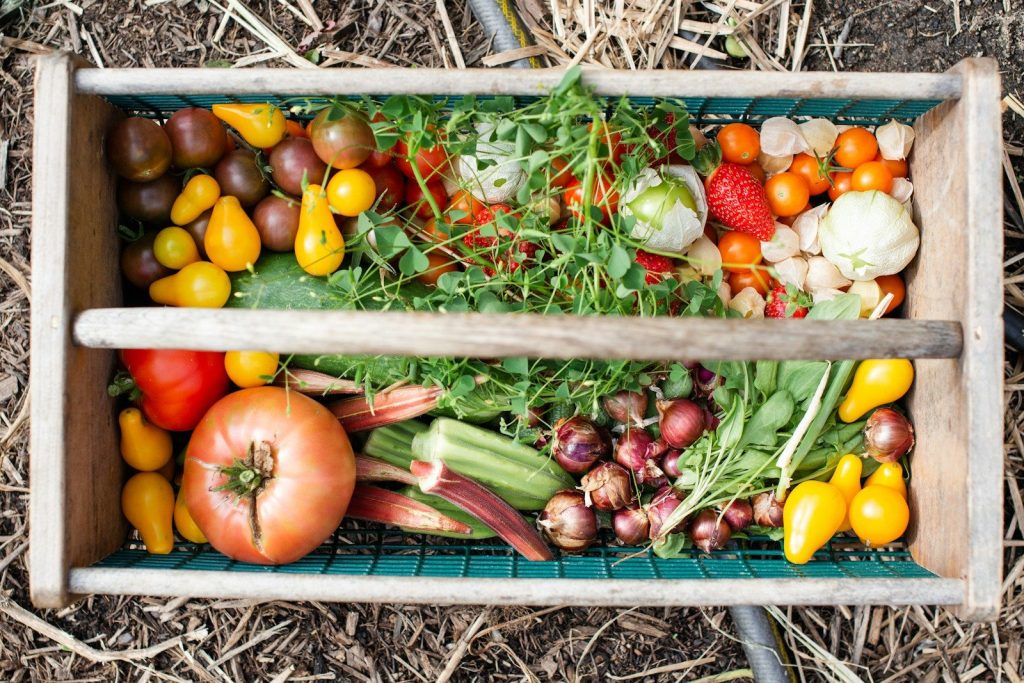
The most cost-effective vegetable gardens rarely look impressive at first. They evolve. A container gets added. A crop gets replaced. A better spot in the yard appears after observation.
The first season is not about producing every vegetable possible. It is about learning which plants return the most value for the least effort. A few containers of tomatoes, herbs, and greens can change a grocery routine more than a backyard full of plants that nobody wants to eat.