

At some point, the house stops feeling like an asset and starts feeling like a job. The lawn needs work, the guest rooms collect dust, and the utility bills keep climbing for space that nobody actually uses.
Downsizing used to carry a stigma, as if it signaled defeat. That perception has shifted considerably. In 2026, with housing costs still punishing and inflation having reshaped household budgets over the past few years, moving to less is increasingly a deliberate financial strategy rather than a fallback plan.
1. Sell the Square Footage You’re Not Using

The most obvious move is also the most powerful one. Trading a four-bedroom home for a two-bedroom can cut mortgage or rent expenses dramatically, and in many markets, the equity released from a sale can fund years of lower-cost living.
According to the National Association of Realtors, the typical home seller has owned their property for an all-time high of 11 years before selling, and repeat buyers have seen that equity accumulation supercharge their purchasing power. That cash, invested conservatively, generates passive income that offsets the new, lower housing cost even further.
2. Storage Units Are a Trap

One of the sneakiest costs in a downsizing transition is the storage unit that was supposed to be temporary. Americans spend over $45 billion annually on self-storage, and a huge portion of that is people who downsized their home but not their stuff.
Before signing a lease on a unit, go through belongings ruthlessly. Sell, donate, or discard. Keeping a $150-per-month storage unit for three years costs $5,400 to house things that could have been sold for a few hundred dollars upfront.
3. Smaller Home, Lower Everything
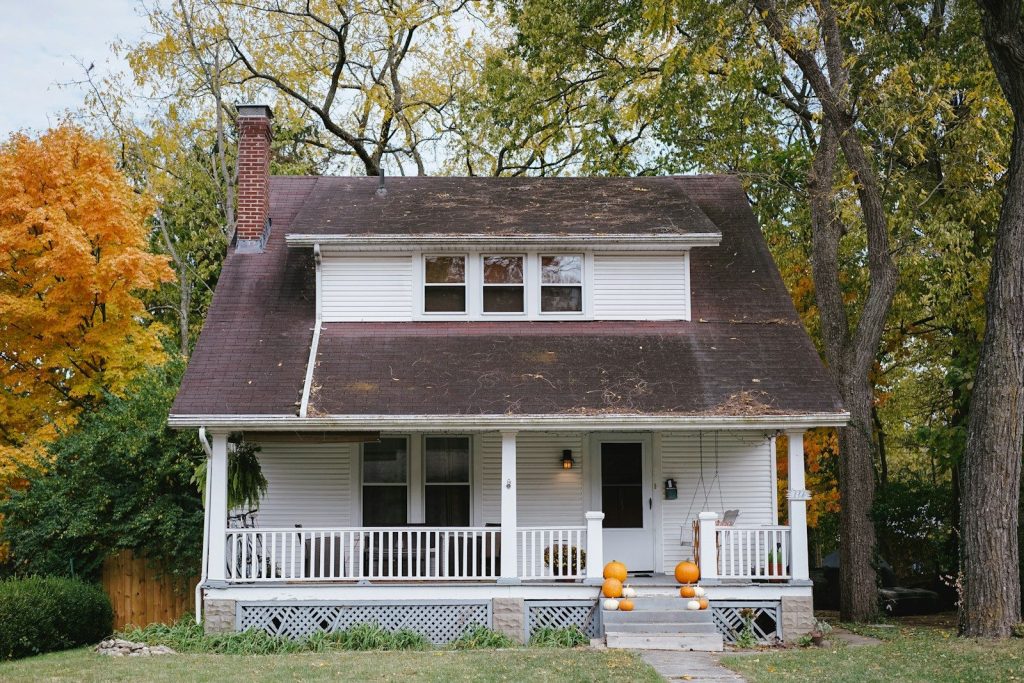
The savings from downsizing extend well beyond the mortgage payment. A smaller home means lower property taxes in most jurisdictions, reduced homeowner’s insurance premiums, lower heating and cooling costs, and less maintenance.
Energy costs scale closely with the square footage being heated and cooled, so a meaningful reduction in home size translates directly into a lower monthly utility bill. Add up those reductions and the annual savings often reach into the thousands even for modest moves.
4. Rethink the Car Situation at the Same Time

A housing downsize is a natural moment to reconsider transportation. Moving to a walkable neighborhood, a smaller city, or a well-connected urban area can make a second car unnecessary. According to AAA’s 2025 Your Driving Costs analysis, the average annual cost of owning and operating a new vehicle is $11,577.
Eliminating one car from a two-car household is, on its own, a major financial restructuring. Plenty of people downsize the house and never get around to addressing the driveway. That’s leaving money on the table.
5. Consider Geography, Not Just Size

Downsizing does not have to mean staying in the same city in a smaller place. Relocating to a lower cost-of-living area amplifies every other saving. States with no income tax, like Florida, Texas, or Nevada, offer structural financial advantages for retirees and remote workers alike.
Smaller metros in the Midwest and South regularly appear on affordability rankings with median home prices well below coastal averages. The combination of geographic arbitrage and reduced square footage can halve a household’s fixed costs within a single move.
6. Condos and Townhomes Deserve a Real Look

The condo has an unfair reputation among people who associate it with compromise. In practice, condo living eliminates exterior maintenance costs, often includes amenities that would cost thousands to replicate privately, and frequently places residents in desirable urban locations at a lower price per square foot than detached homes.
HOA fees are a real consideration and should be evaluated carefully, but for people spending heavily on lawn care, exterior repairs, and pool maintenance, the numbers sometimes favor the condo decisively.
7. Downsize Recurring Costs in the Same Motion

The mental momentum of a housing downsize is worth extending to other recurring expenses. Cancel subscriptions that only existed because there was a bigger home to fill them. Streaming services, gym memberships, and lawn care contracts are all worth auditing.
A smaller home almost always requires less furniture, fewer cleaning supplies, and less energy to heat. People who downsize aggressively and redirect those savings report a compounding effect: lower housing costs reduce financial stress, which reduces impulse spending, which lowers costs further.
8. The Emotional Side Has Financial Consequences

Downsizing decisions that get made reluctantly tend to get reversed expensively. People who feel pressured into a smaller space often spend heavily to compensate, buying more furniture to make the new place feel substantial, storing possessions they can’t bring themselves to sell, or moving again within a few years because the adjustment never really took.
Treating the downsize as a genuine lifestyle choice rather than a sacrifice changes the psychology of it. People who go in with a plan and a clear picture of what they want from the move tend to stick with it and capture the full financial benefit.
9. Start With One Room

For anyone not ready to make the full leap, a useful first step is treating one room of the current home as if it does not exist. Stop heating or cooling it, stop furnishing it, stop maintaining it. That exercise tends to clarify how much space is actually necessary versus how much has just accumulated out of habit.
Plenty of people run that experiment and discover that the honest answer is considerably less than what they currently pay for. The financial case for downsizing rarely gets weaker the longer it is examined.