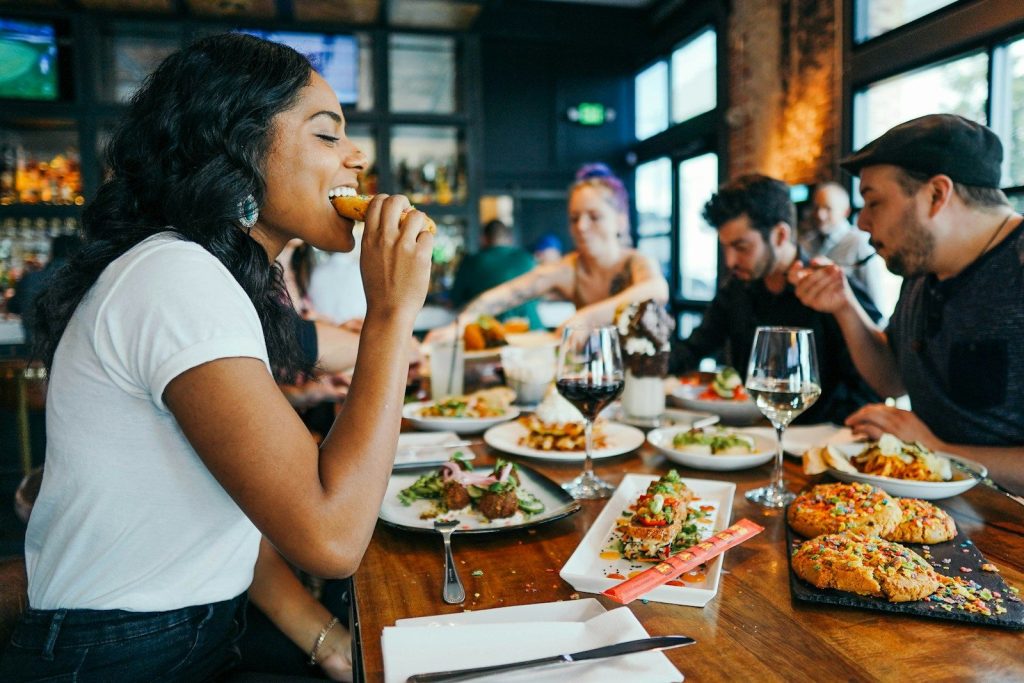

Restaurant dining in America is quietly contracting. Parking lots that used to fill up on weeknights have extra space. Lunch crowds near office districts are thinner than they were five years ago. None of this happened by accident.
A combination of economic pressure, changed habits, and better alternatives at home has shifted how Americans relate to restaurants. The pullback spans income levels, age groups, and regions. Nine factors explain what is driving it.
1. Restaurant Prices Have Outpaced Most Budgets
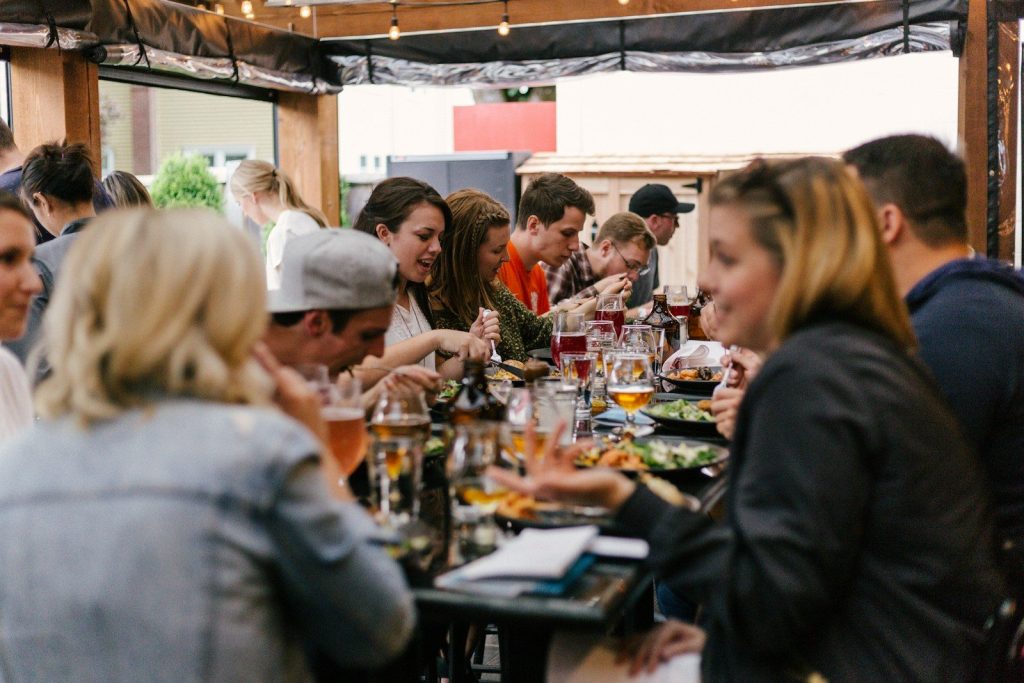
Food costs at restaurants rose sharply after 2021 and have not come back down. Operators faced higher ingredient costs, steeper labor expenses, and energy bills that refused to stabilize. Those costs moved onto menus.
A sit-down dinner for two with drinks and a tip now regularly clears $90 in most metro areas. For households managing mortgage payments, car loans, and rising grocery bills simultaneously, that figure gets scrutinized in a way it never used to be. Frequency dropped as the value calculation stopped adding up.
2. Home Cooking Skills Built During the Pandemic Never Went Away
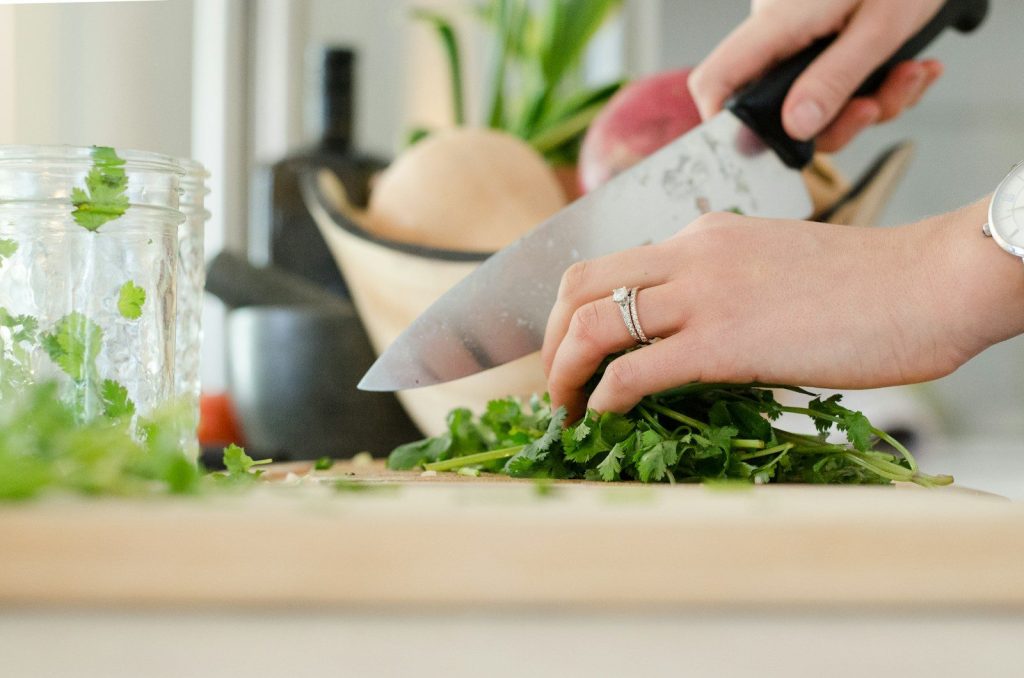
The period between 2020 and 2022 forced millions of Americans into their kitchens for extended stretches. Many arrived with minimal skills and left with genuine competence. Bread baking, weekly meal prep, and scratch cooking became normal activities for people who had previously relied on restaurants for a large share of their meals.
Those habits proved durable. By 2026, home cooking carries cultural legitimacy it lacked before. A well-prepared home meal competes with a mid-range restaurant on quality, and the cost difference between the two has grown wide enough to make the choice straightforward on most weeknights.
3. Delivery App Economics Stopped Making Sense
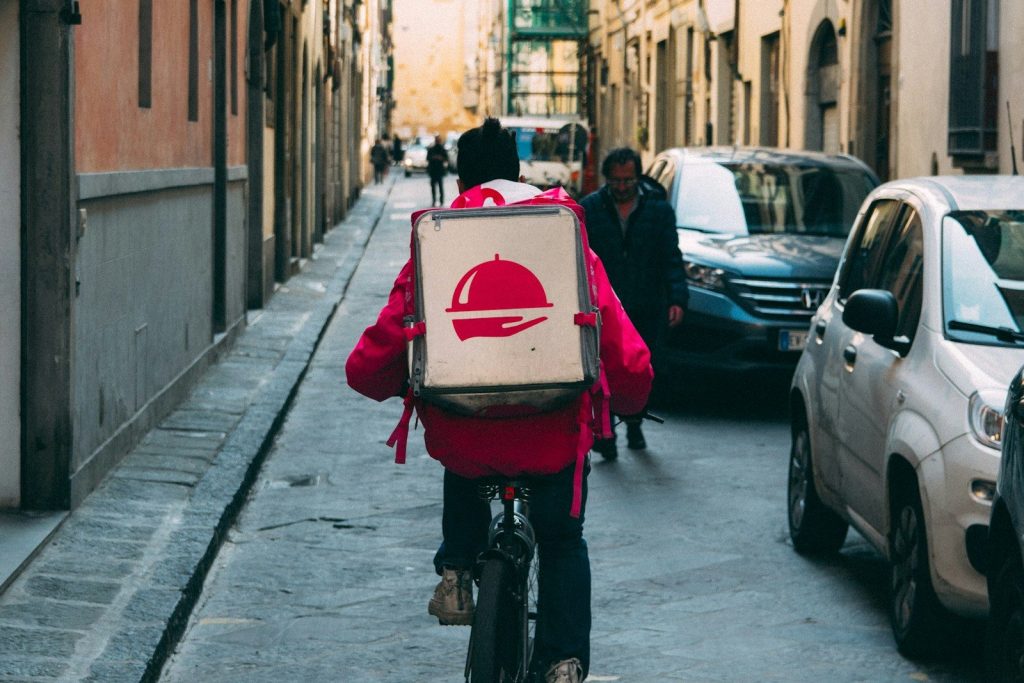
Third-party delivery apps expanded rapidly on the promise of convenience. The fees that make those apps profitable were initially tolerable. A meal priced at $15 on a menu can now arrive at $35 after delivery fees, service charges, and a tip.
Subscription plans designed to offset delivery fees require enough order volume to pay off, and most casual users never reach that threshold. Cold food, incorrect orders, and long wait times added friction to a product whose entire appeal was frictionless convenience. Many customers cut back to occasional use or stopped entirely, reverting to home cooking instead.
4. Hybrid Work Eliminated the Daily Lunch Habit
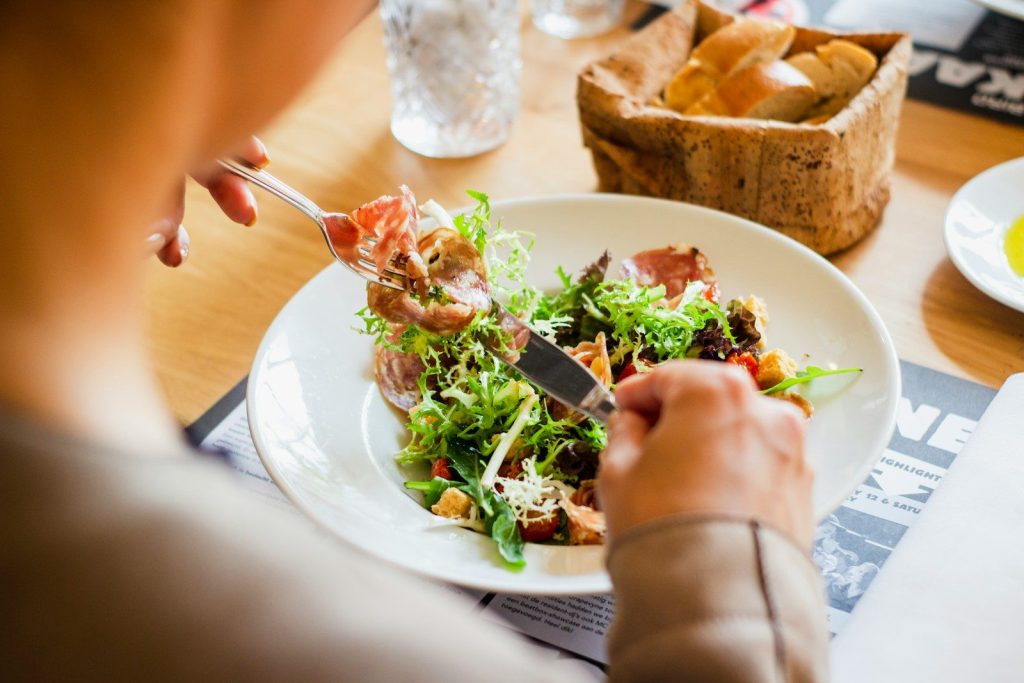
Restaurant lunch revenue was historically anchored by office workers. The midday meal near a workplace was a reliable, repeatable transaction happening five days a week across every major city.
Remote and hybrid arrangements dismantled that pattern. Employees working from home eat lunch at home. Even with return-to-office pressure through 2025 and 2026, hybrid schedules remain the norm across a wide range of industries. Restaurants near office corridors that counted on consistent weekday foot traffic have had to adjust their models significantly.
5. Supermarkets Filled the Gap Between Cooking and Dining Out
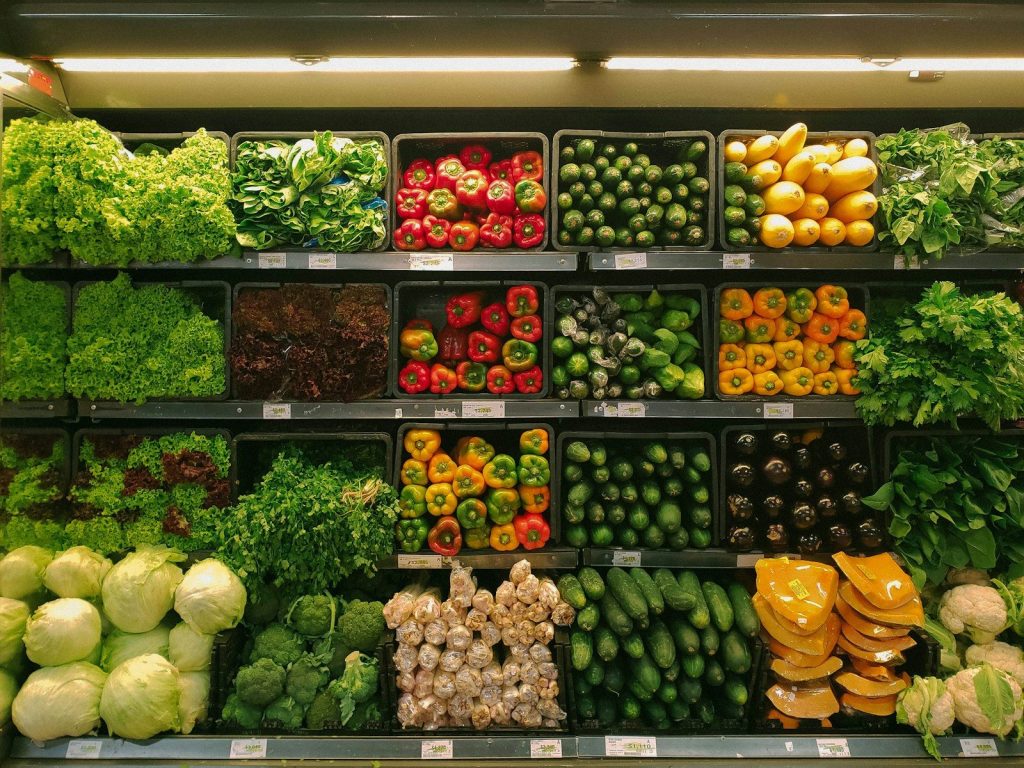
Grocery stores upgraded their prepared food offerings considerably. What was once a steam table with a few rotating items has expanded into sections offering marinated proteins, ready-made meals, and fresh sides that require nothing more than reheating. A complete, genuinely good dinner can be assembled from a supermarket in under ten minutes.
Meal kit services matured at the same time. For consumers who want quality food at home without cooking from scratch, these options deliver reliably at a fraction of what a comparable restaurant meal costs.
6. Health-Conscious Eating Made Restaurant Meals a Harder Sell
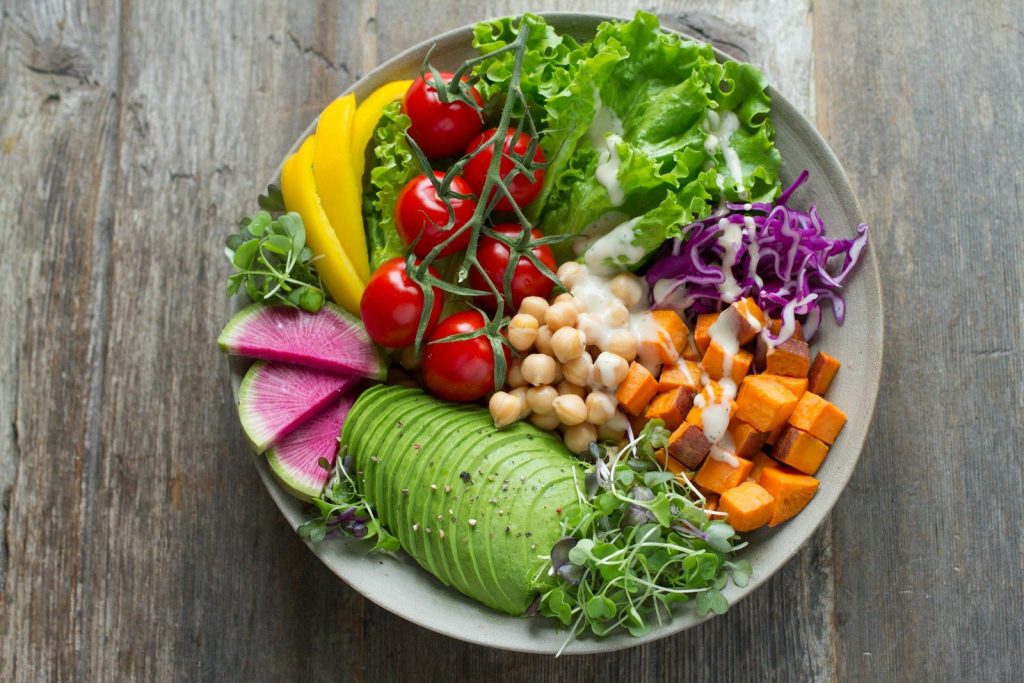
More Americans are monitoring calories, reducing sodium, or following specific dietary protocols that restaurant kitchens are poorly suited to accommodate. GLP-1 medications have added another dimension.
Ozempic, Wegovy, and similar drugs are now used by an estimated nine million or more Americans, who eat considerably less at each sitting. Paying $30 for an entree that will largely go unfinished is a different calculation entirely. Cooking at home with controlled portions and known ingredients has become the more practical choice for this group.
7. Service Declined and Tip Expectations Rose Simultaneously
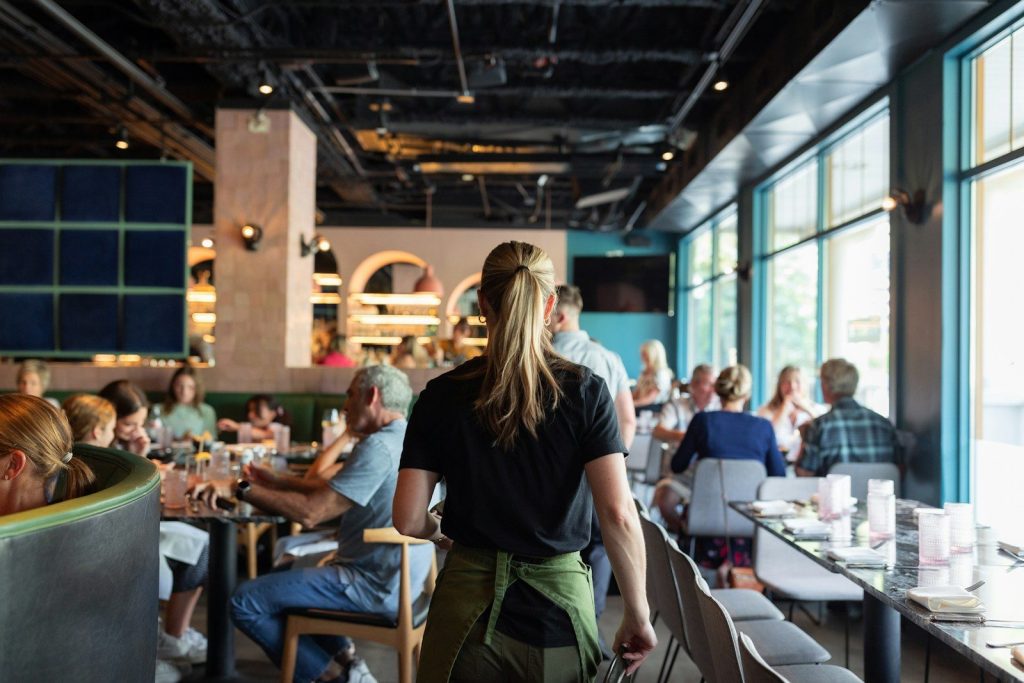
The restaurant labor market never fully recovered after 2020. Experienced staff left the industry, and inconsistent service became a common complaint across all segments, even as prices rose.
Tablet payment prompts at counter-service locations now routinely default to 25 or 30 percent, including at coffee shops where tipping had no prior history. Customers adding that cost to the overall expense of dining out have quietly decided the experience stopped being worth the total.
8. Home Entertaining Gained Social Status

Hosting dinner at home shifted from a budget-conscious fallback to a genuinely desirable activity. Carefully set tables, handmade dishes, and intimate dinner parties generate strong engagement on TikTok and Instagram. Among adults under 35, hosting signals effort and creativity in a way a restaurant reservation simply does not.
For a generation that grew up documenting experiences online, the home dinner often produces a more compelling evening than a night out, and that preference is showing up in how often this group visits restaurants.
9. Financial Anxiety Restructured Discretionary Spending

The economic pressure many Americans have carried since the early 2020s has not fully lifted. Housing costs remain elevated. Student loan balances weigh on younger households. Credit card debt reached record levels. Discretionary spending cuts tend to start with categories that feel optional, and restaurant meals sit precisely in that zone.
The Americans who cut back during the tightest inflation years discovered that home cooking was more manageable than expected, and many never returned to their prior frequency. The restaurant industry will adapt. The customer base it once relied on has changed its habits, and a good portion of those changes appear to be permanent.