

There’s a version of wealth that looks like a certain lifestyle. The luxury car in the driveway, the designer wardrobe refreshed every season, the restaurant tabs that make normal people flinch. And then there’s the version that actually builds net worth. The two don’t overlap as often as advertising would have you believe.
Self-made millionaires, meaning people who built their money rather than inherited it, tend to be surprisingly deliberate about what they don’t spend on. Not because they’re miserly, but because they’ve internalized something most people learn too late: money spent on the wrong things is money that stops working for you. Here are nine purchases that show up on that list repeatedly.
1. New Cars Bought on Emotion

A brand-new car loses roughly 20 percent of its value in the first year alone, according to Kelley Blue Book. Wealthy builders tend to know this number by heart. Many drive used vehicles, often two to four years old, where the steepest depreciation has already happened and the reliability is still solid.
That doesn’t mean they drive beaters. It means they’re not paying a premium to be the first person to sit in a seat.
2. Extended Warranties on Most Products

Consumer Reports has long noted that extended warranties are rarely worth the cost on standard electronics and appliances. The math usually benefits the seller. Self-made millionaires tend to skip them, particularly on items where the failure rate in the coverage window is low and the replacement cost wouldn’t be catastrophic anyway.
The exception is high-cost items with known reliability issues. The rule is not to buy peace of mind reflexively.
3. Brand-Name Goods With No Functional Difference

Acetaminophen is acetaminophen. Store-brand olive oil from the same region often comes from the same press as the premium bottle next to it on the shelf. Wealthy savers tend to be ruthlessly practical about categories where the brand name adds no measurable benefit, and more selective about the ones where quality genuinely matters.
The point isn’t to be cheap across the board. The point is to stop paying for a logo when the logo isn’t the product.
4. Oversized Homes They Don’t Need

The National Study of Millionaires from Ramsey Solutions, the largest survey of its kind with over 10,000 participants, found that the average millionaire lives in a home of around 2,600 square feet. That’s modest by the standards of what their net worth could theoretically support. Housing is typically the largest single expense anyone carries, and the wealthy tend to treat it as a function of need and long-term value rather than status signaling.
More square footage means more property tax, more maintenance, more insurance, and more furniture to fill the space. Every one of those costs compounds over time.
5. Subscriptions That Accumulate Quietly
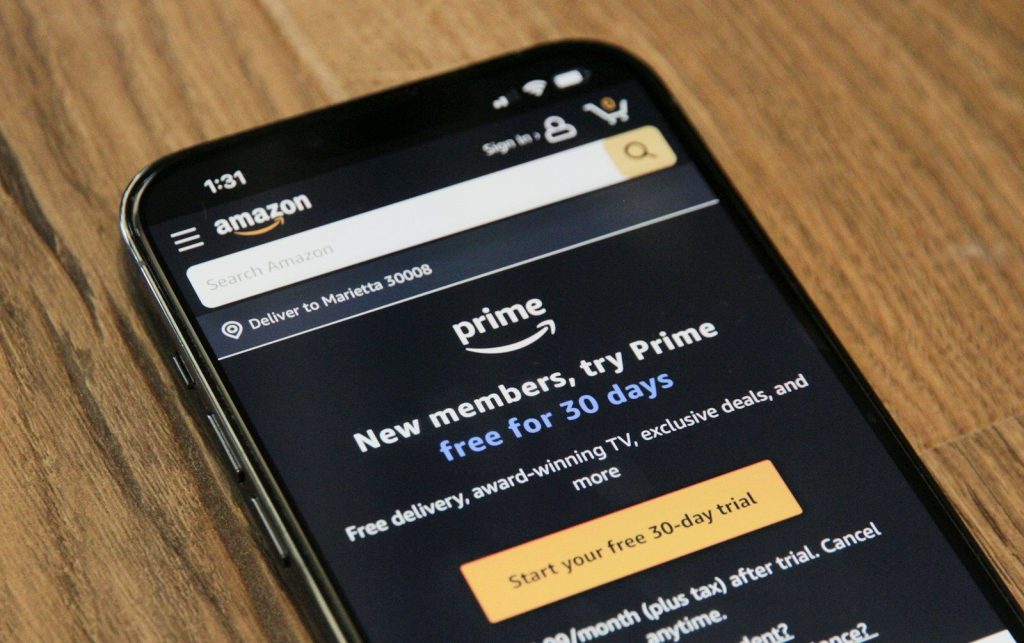
The creep of monthly subscriptions, streaming services, app memberships, curated boxes, cloud storage tiers, is one of the more insidious drains on a budget because no single charge feels significant. Self-made millionaires tend to audit these regularly and cancel anything that doesn’t get consistent use. It’s a small habit with a compounding effect over years.
According to C+R Research, the average American spends $219 a month on subscriptions, which works out to more than $2,600 a year. The more striking finding is that most people estimate they spend only $86 a month, meaning the typical person is underestimating their subscription tab by more than 60 percent.
6. Lottery Tickets and Get-Rich-Quick Schemes

The lottery is a tax on people who are bad at probability, and most self-made millionaires treat it exactly that way. Beyond the odds, there’s the psychology: buying lottery tickets is a vote for luck over effort, and wealthy builders tend to have a strong prior belief that effort is the more reliable engine.
This extends to any product promising outsized returns for minimal work. The offer itself is usually the warning sign.
7. Trendy Investments Without Understanding Them
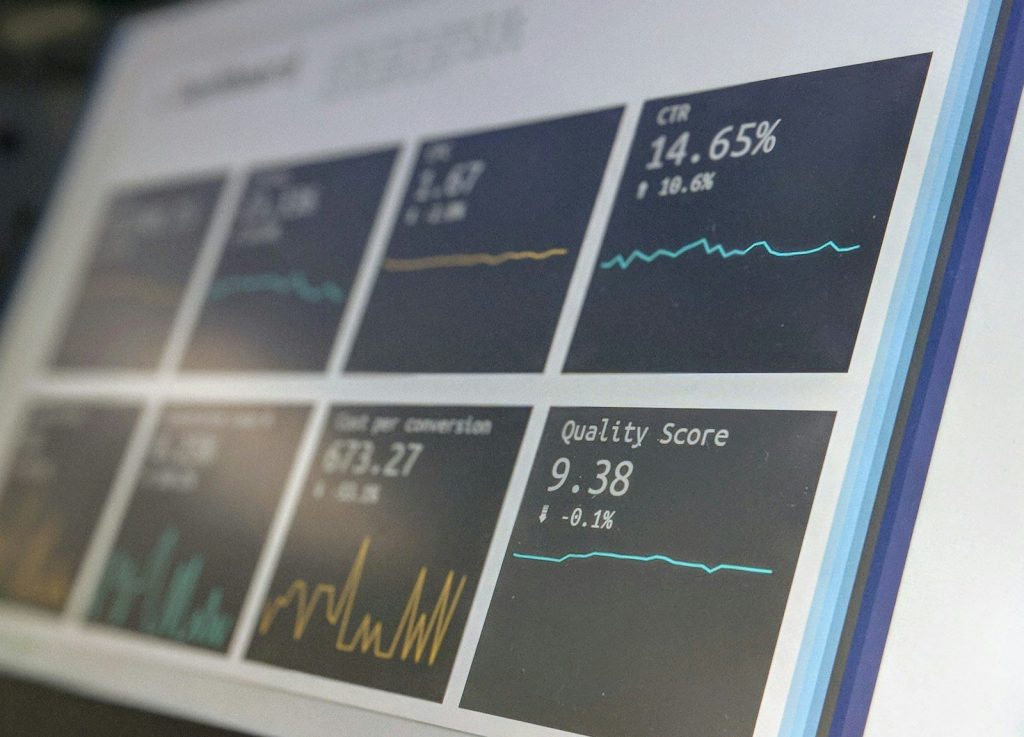
FOMO-driven investing, whether it was a particular crypto token in 2021 or whatever the equivalent moment looks like in 2026, tends to produce poor outcomes. Self-made millionaires generally avoid putting serious money into things they can’t explain plainly. If the appeal is entirely about what other people are doing, that’s usually a reason to pause, not accelerate.
Warren Buffett’s principle of never investing in a business you don’t understand didn’t become a cliché by accident.
8. Expensive Convenience Purchases

Daily premium coffee runs, frequent takeout when groceries are sitting unused, last-minute purchases at airport prices, these add up in a way that’s easy to underestimate in real time. Wealthy builders aren’t universally austere about convenience, but they tend to be conscious about when they’re paying for it and whether the cost reflects actual value or just friction avoidance.
The difference between a thoughtful splurge and a default habit is worth knowing.
9. Keeping Up With Peers

This is the one that underlies most of the others. Lifestyle inflation tied to social comparison, buying the car a colleague just bought, upgrading a kitchen because a neighbor did, is one of the primary reasons people with good incomes still don’t accumulate wealth. Self-made millionaires tend to measure their financial decisions against their own goals, not against whoever happens to be around them.
That kind of detachment from comparison is genuinely hard to maintain. But it’s one of the most common threads running through the stories of people who actually built something.