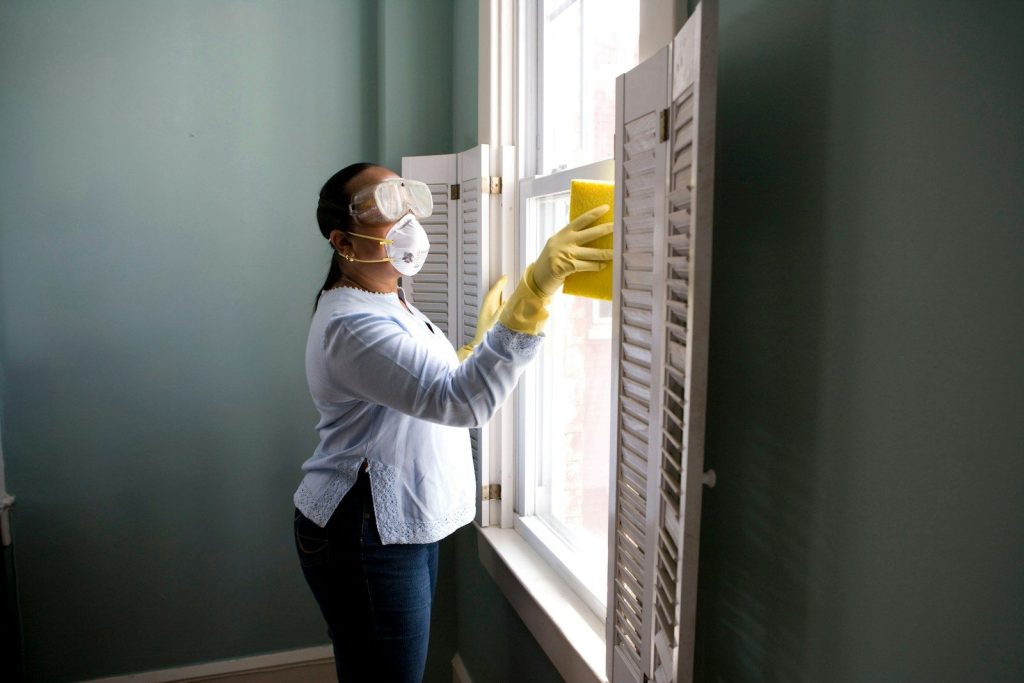

Americans spend an average of $200 a year on cleaning products alone, according to consumer surveys, and that number climbs considerably when paper towels, wipes, and specialty supplies get added to the cart.
A lot of that money goes toward specialty sprays, single-use wipes, and gadgets that end up shoved under the sink after two uses. The truth is that a genuinely clean home has more to do with consistency than with product quantity. The habits below cost almost nothing to start and even less to maintain.
1. Make the Bed First Thing
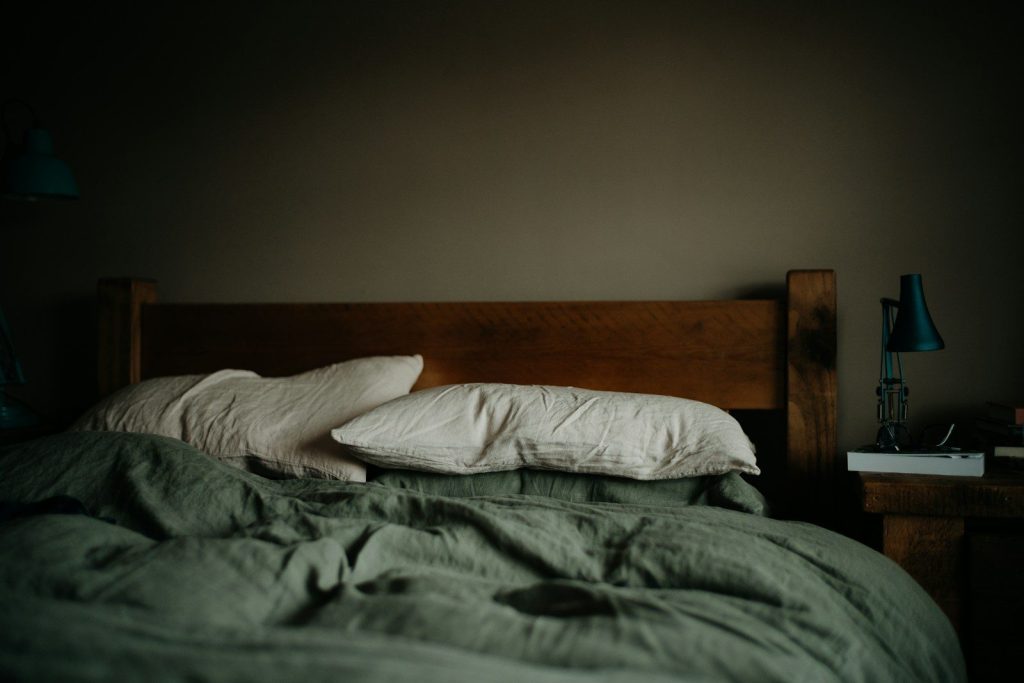
It sounds almost too simple, but making the bed each morning creates a psychological reset that tends to carry through the rest of the day.
A made bed makes the entire bedroom look tidier without a single cleaning product involved. It also takes under three minutes. People who skip it often find that the visual clutter of an unmade bed gives permission for other messes to pile up around it.
2. Clean as You Cook

Wipe the stovetop while it’s still warm. Rinse pots before the residue hardens. Put ingredients away as you finish with them. None of this requires special equipment.
A damp cloth and thirty seconds of attention while food is simmering will prevent the kind of baked-on grease that eventually requires a $12 degreaser and twenty minutes of scrubbing. Post-meal kitchen cleanup drops dramatically when the habit is consistent.
3. White Vinegar Does More Than You Think
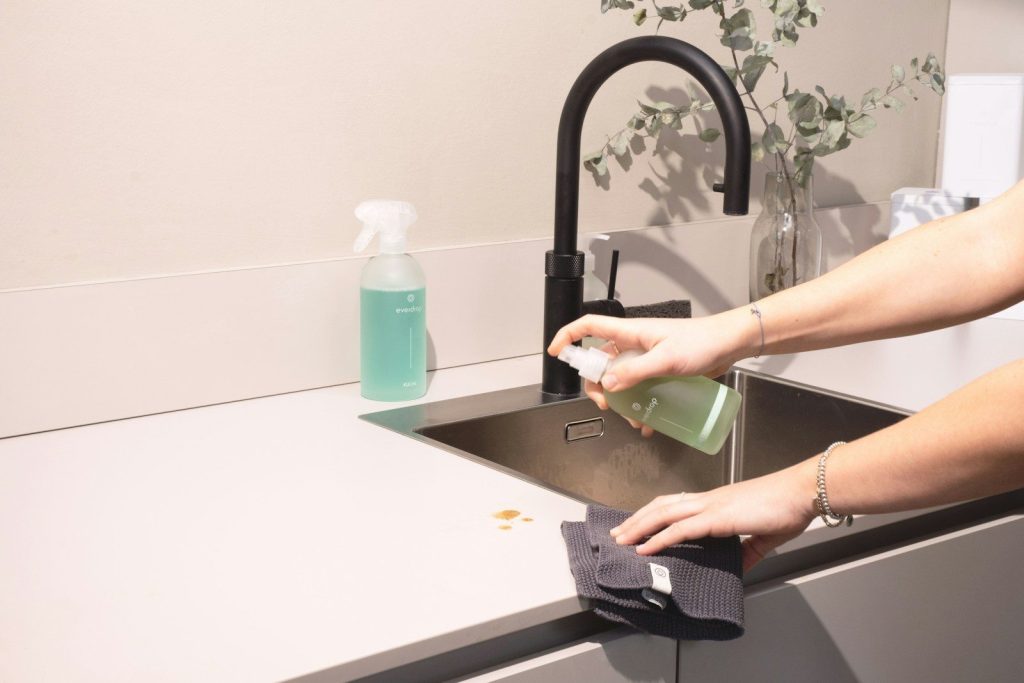
A spray bottle filled with diluted white vinegar handles glass, countertops, faucets, and tile grout reasonably well. At roughly $3 for a large jug, it replaces several bottles that individually cost two to four times as much.
It won’t disinfect to hospital standards, but for everyday surface cleaning, it’s more than adequate. Add a few drops of dish soap to the mix and it handles greasy surfaces too.
4. The Two-Minute Rule for Clutter
If something takes less than two minutes to put away, do it immediately instead of setting it down somewhere temporary. Mail on the counter, shoes by the door, dishes left on the coffee table.
These micro-messes accumulate fast and create the impression of a messy home even when everything is technically clean. The rule costs nothing to implement and eliminates the Sunday afternoon “tidying session” that most people dread.
5. Baking Soda Is Still Underrated
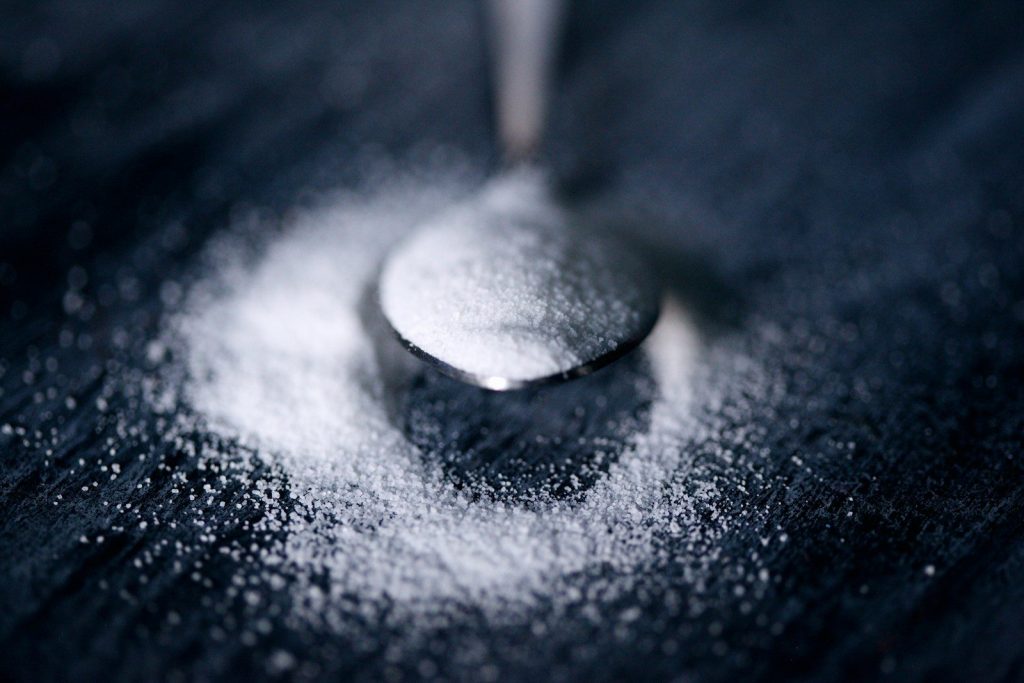
Baking soda absorbs odors without masking them with fragrance. A small open box in the refrigerator, another near the trash can, and a sprinkle in gym shoes or laundry is enough for most household odor situations.
It also works as a mild abrasive on sinks and tub surfaces when mixed into a paste with water. A standard one-pound box costs under $1 at most grocery stores.
6. Assign a Room Five Minutes Per Day
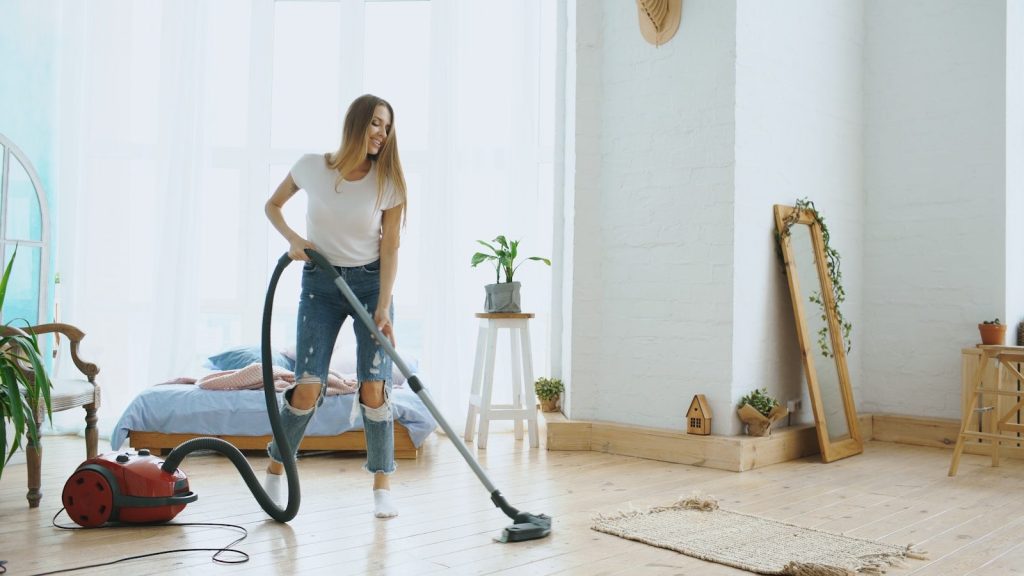
Rather than cleaning everything on one exhausting weekend, give a different room five focused minutes each weekday. Monday is the bathroom, Tuesday is the kitchen floors, Wednesday is the living room surfaces, and so on.
By the weekend, the house is already reasonably maintained and there’s no marathon session waiting. The total weekly cleaning time stays under thirty minutes.
7. Microfiber Cloths Over Paper Towels
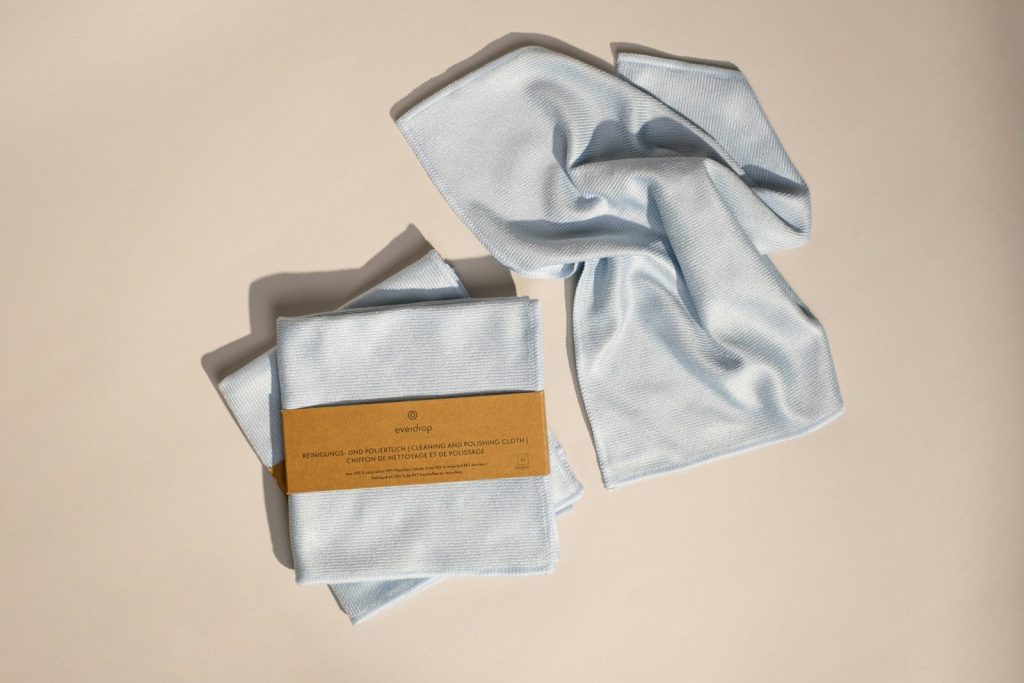
A pack of microfiber cloths runs about $8 to $10 for a set of a dozen. Used damp, they clean mirrors and surfaces without any cleaner at all, and they’re washable for years.
Regular paper towel users spend anywhere from $120 to $200 annually on disposable rolls, according to industry data. That’s a straightforward swap with both financial and practical benefits.
8. Deal With Laundry Before It Piles Up
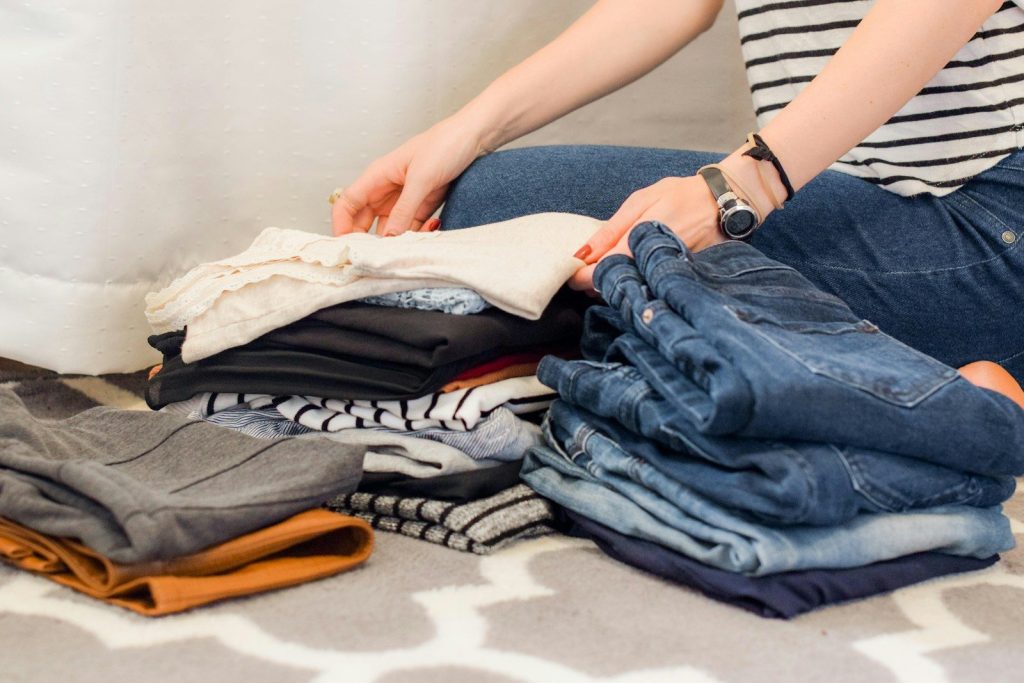
One load of laundry every two or three days is dramatically easier to manage than six loads on Sunday. The machine does the actual work, so the habit is mostly about starting the cycle before the hamper overflows.
Clothes left in piles attract dust and make bedrooms look disorganized regardless of how clean the rest of the space is.
9. The Doormat Rule
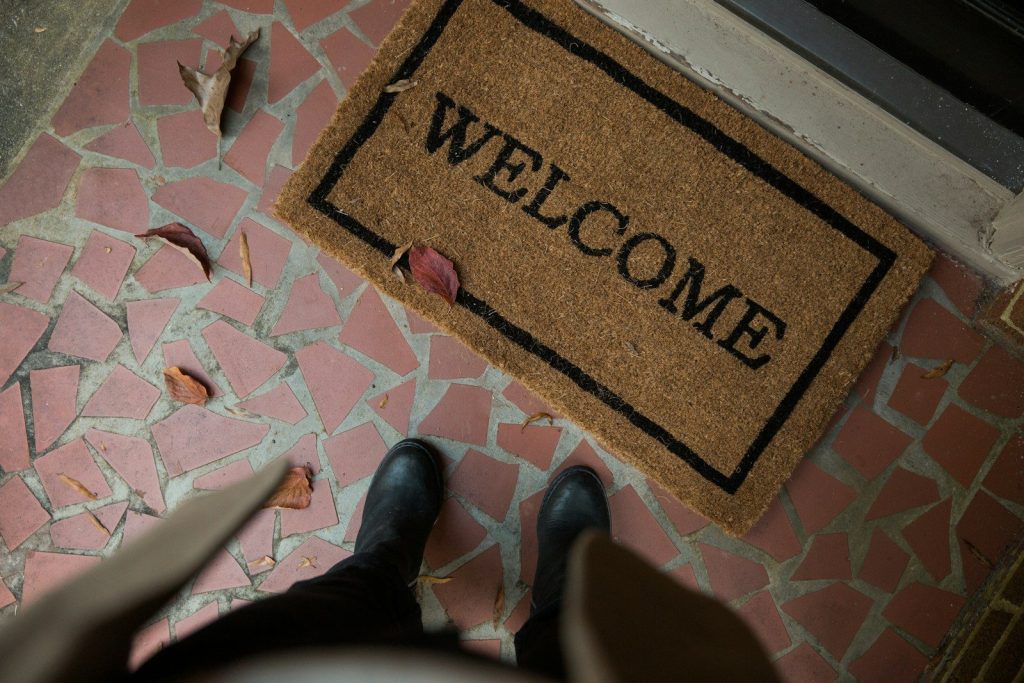
A quality doormat at every exterior entry point reduces tracked-in dirt by a measurable amount. Research from the University of Arizona found that shoe soles carry an average of 421,000 units of bacteria, which transfer to indoor floors at a rate of 90 to 99 percent with each step.
Asking household members to remove shoes at the door, paired with a mat that actually captures debris, cuts floor cleaning time noticeably. A decent mat costs $15 to $25 and lasts several years.