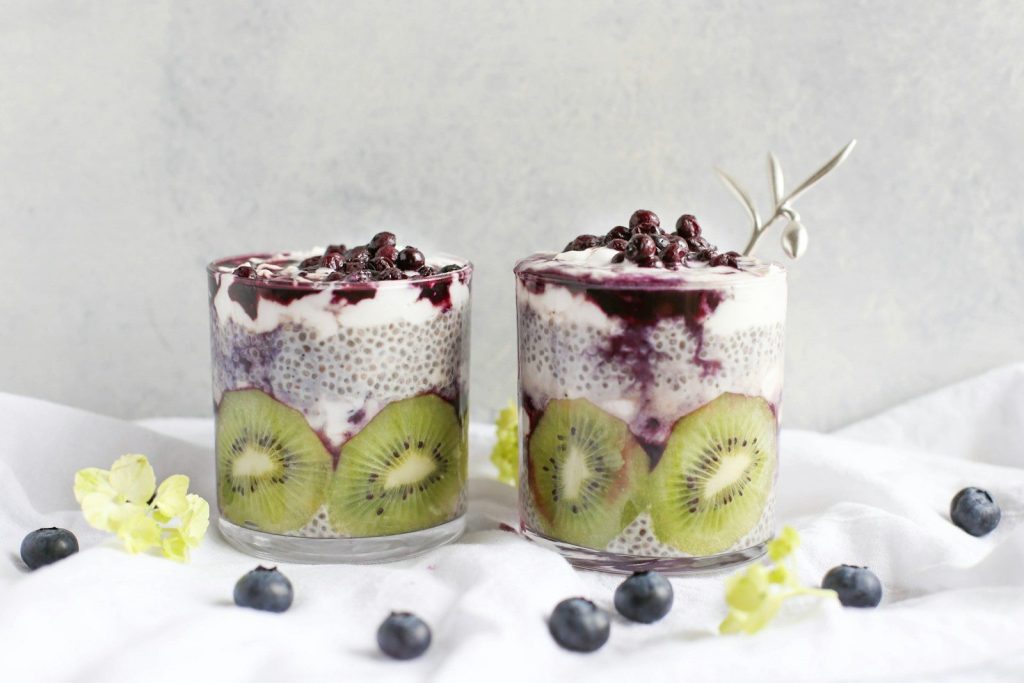

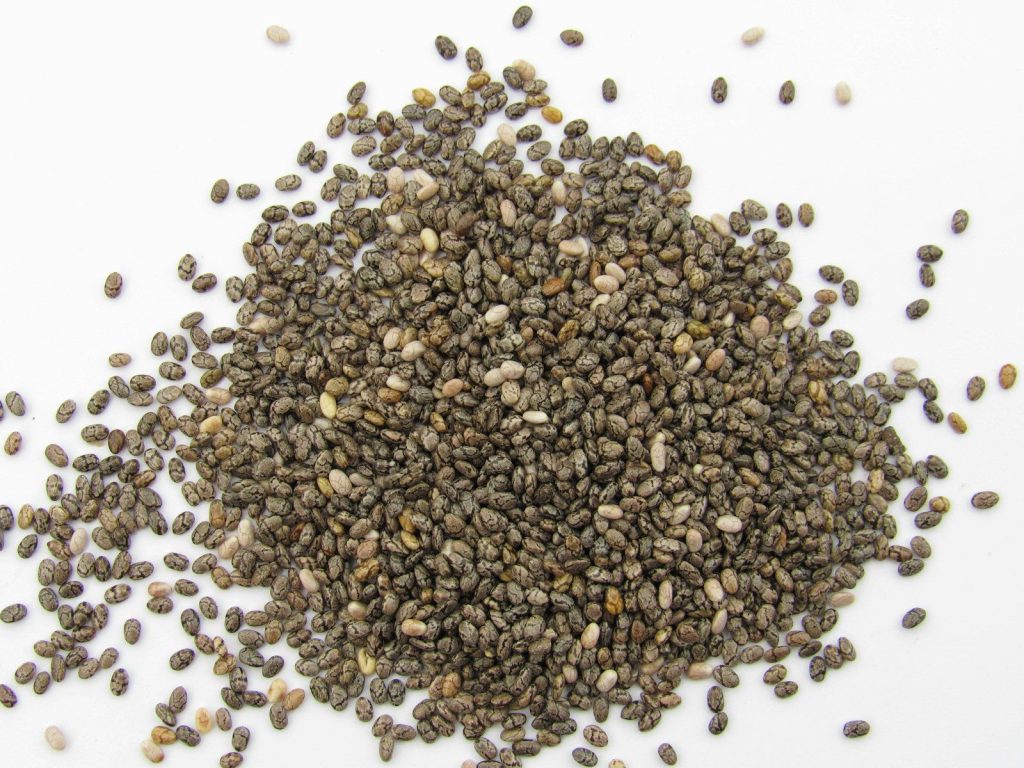
Chia seeds continue to appear in smoothies, yogurt bowls, oatmeal, and baked foods across the United States. Their popularity comes from the nutrients packed into a very small serving.
These seeds were originally grown in Central America and used by ancient civilizations for energy and nutrition. Today, they remain a common choice for people looking to improve eating habits with simple ingredients. Learning how chia seeds affect the body can help people use them more effectively.
1. Chia Seeds Absorb Large Amounts of Liquid

One of the most unusual things about chia seeds is how quickly they absorb liquid. After sitting in water or milk, the seeds swell and form a thick texture.
This happens because chia seeds contain soluble fiber, which pulls in moisture and creates a gel around the seeds. That same process may help people feel full longer after eating meals that include chia seeds. Dry chia seeds should always be eaten carefully and with enough liquid because they expand rapidly after absorbing moisture.
2. They Are Rich in Fiber
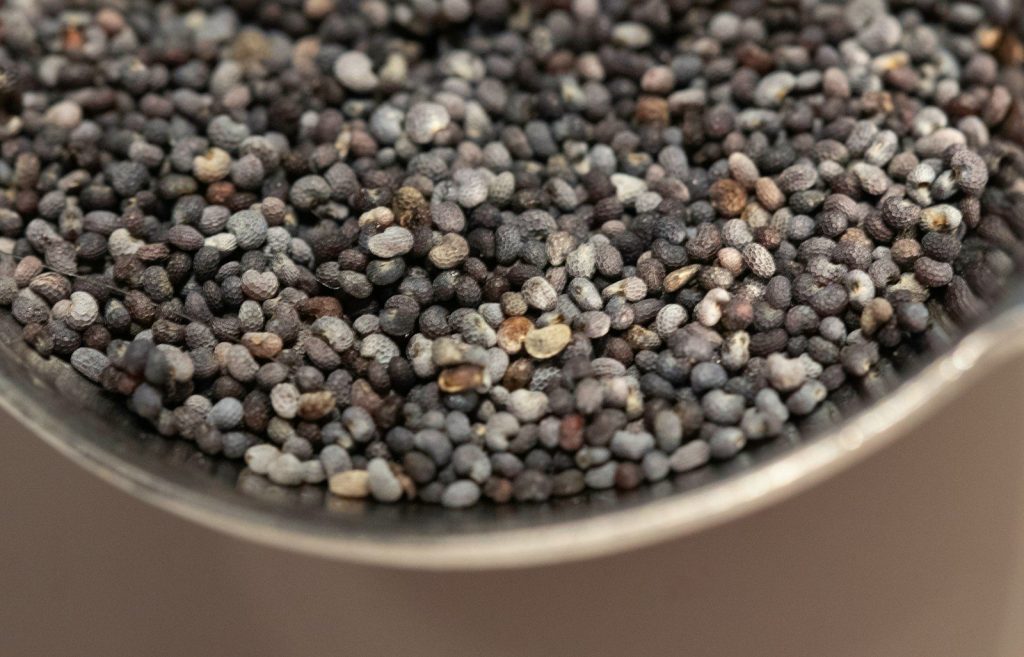
Fiber is one of the main reasons chia seeds became so popular. Even a small serving contains a large amount. Fiber supports digestion and may help maintain steadier blood sugar levels after meals. Many people also use high-fiber foods to help reduce hunger between meals.
Eating too many chia seeds too quickly may cause bloating or stomach discomfort, especially for people who are not used to high-fiber foods. Drinking enough water can help the digestive system handle fiber more comfortably.
3. Chia Seeds Contain Plant-Based Omega-3s
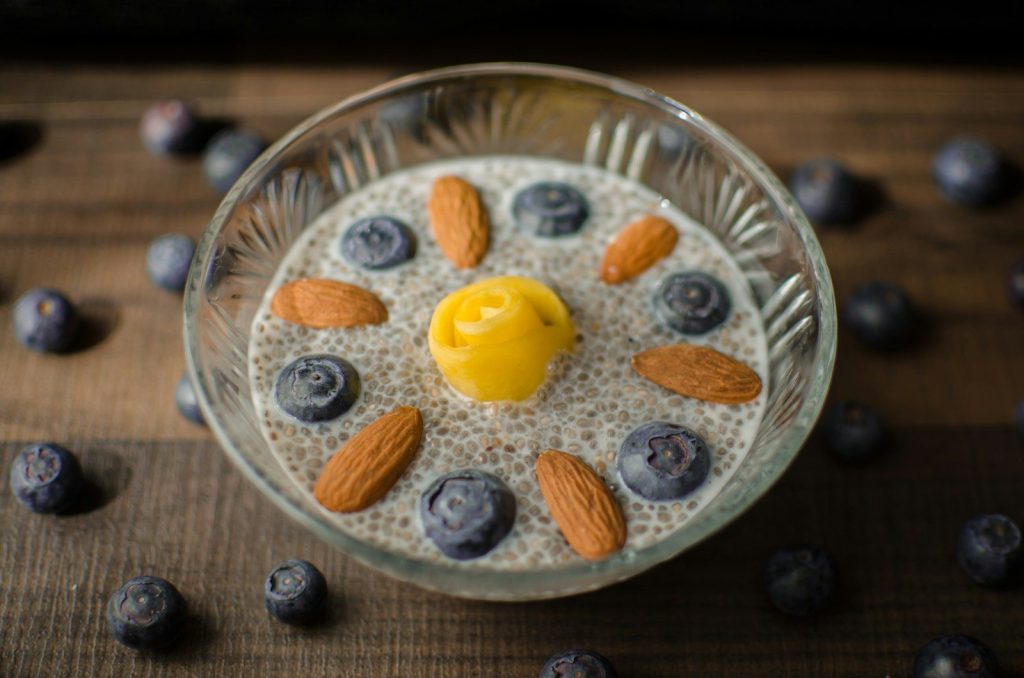
Chia seeds are one of the best plant-based sources of omega-3 fatty acids. These healthy fats are often connected to heart and brain health.
The omega-3s in chia seeds come from alpha-linolenic acid, also called ALA. This makes chia seeds especially appealing to vegetarians and vegans looking for plant-based nutrition.
Nutrition experts still recommend balanced eating habits that include a variety of foods rather than depending heavily on one ingredient alone.
4. Protein Adds to Their Appeal

Chia seeds also contain plant-based protein, which has helped them remain popular with fitness-focused consumers.
Many people add the seeds to smoothies, overnight oats, or homemade snack bars because they blend easily into recipes without changing flavor very much.
The combination of protein, fiber, and healthy fats can help meals feel more filling and satisfying.
5. Some Medications Could Interact With Chia Seeds

Chia seeds may affect certain medications because of their fiber and omega-3 content. People taking blood pressure medication or blood thinners may need to monitor how much they consume.
The seeds may also influence blood sugar levels, which could matter for people managing diabetes with medication. Most people can safely enjoy chia seeds in moderate amounts. Anyone with medical concerns should speak with a healthcare professional before eating large servings regularly.
6. Chia Seeds Work in Many Recipes
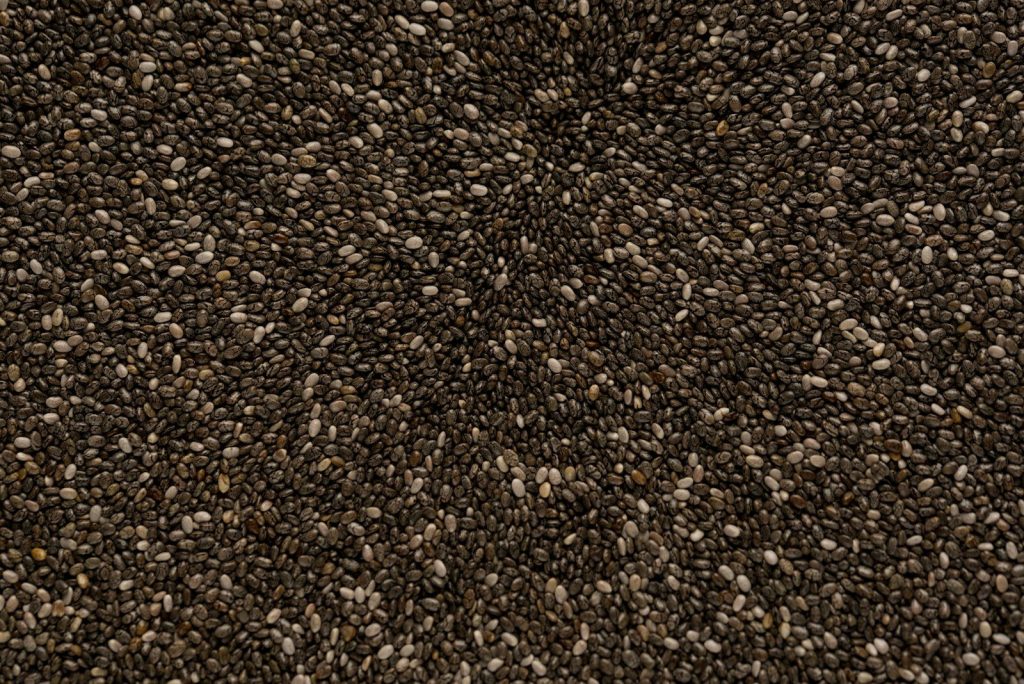
Chia seeds can be used in far more than smoothies and puddings. Some people mix them into yogurt, cereal, soups, pancake batter, or homemade bread.
They can also work as an egg substitute in certain baking recipes after being mixed with water. Their mild flavor and flexible texture make them easy to include in many meals without overpowering other ingredients.
7. Packaged Chia Products Are Not Always Healthy
Many grocery stores now sell chia snack bars, cereals, desserts, and drinks. Some of these products contain large amounts of sugar or highly processed ingredients.
Reading labels carefully still matters. Products advertised as healthy may contain extra calories and sweeteners that reduce their nutritional value. Plain chia seeds are often the simplest option for people who want the benefits without unnecessary additives.
8. Portion Sizes Matter

Chia seeds contain many nutrients, though portion control remains important. The seeds are calorie-dense because they contain fats and fiber.
Most people only need a small serving to gain the benefits. Eating excessive amounts may lead to digestive discomfort or unnecessary calorie intake. Balanced eating habits usually work better over time than focusing heavily on one food.
9. Chia Seeds Can Support Healthy Eating Habits
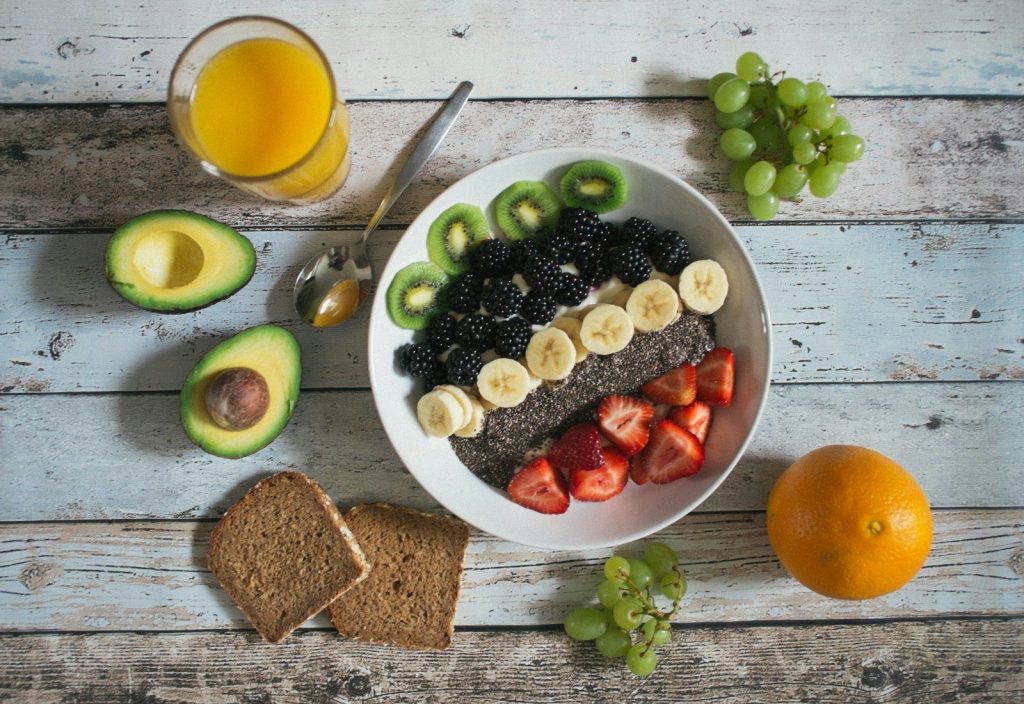
Chia seeds continue to attract attention because they provide fiber, healthy fats, minerals, and protein in a compact form. Their versatility also makes them easy to add to daily meals.
For many people, chia seeds can support healthy eating habits when consumed in moderation. Understanding how they absorb liquid, affect digestion, and fit into balanced meals can help people use them wisely. Their popularity has lasted for years because they remain simple, flexible, and easy to include in everyday diets.