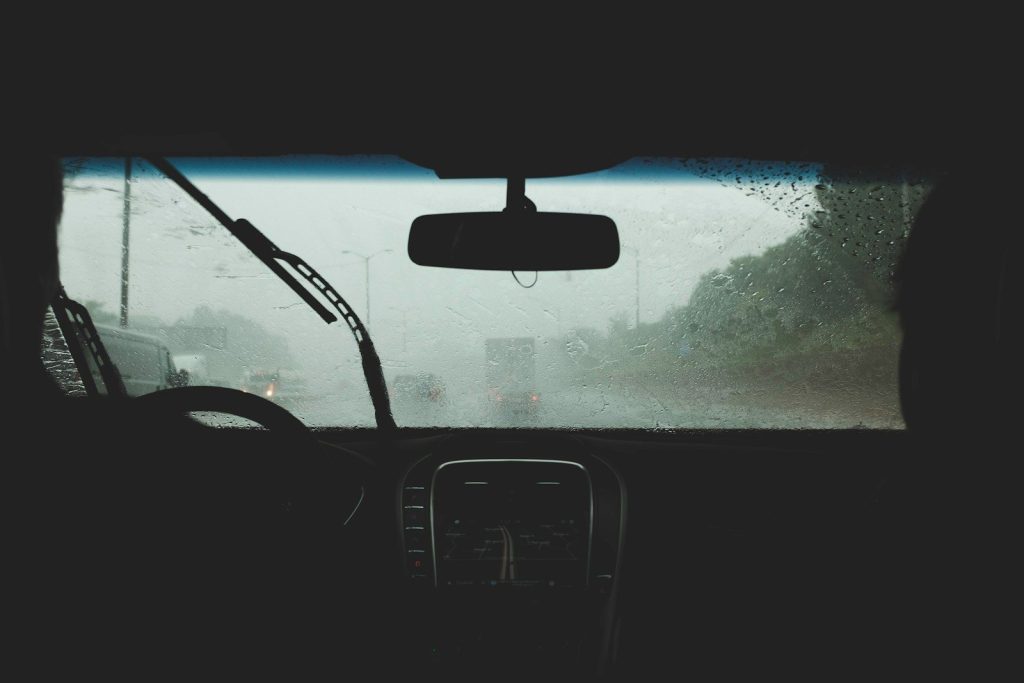

A cloudy film on a windshield can make driving frustrating, especially at night when headlights create glare across the glass. Many drivers assume the problem is on the outside, but a large portion of windshield film builds up on the inside from dust, smoke residue, dashboard plastics, and airborne oils.
The good news is that most windshield film can be removed with a few simple cleaning methods. The challenge is using the right products and techniques instead of simply wiping the glass repeatedly.
1. Start With a Quality Glass Cleaner
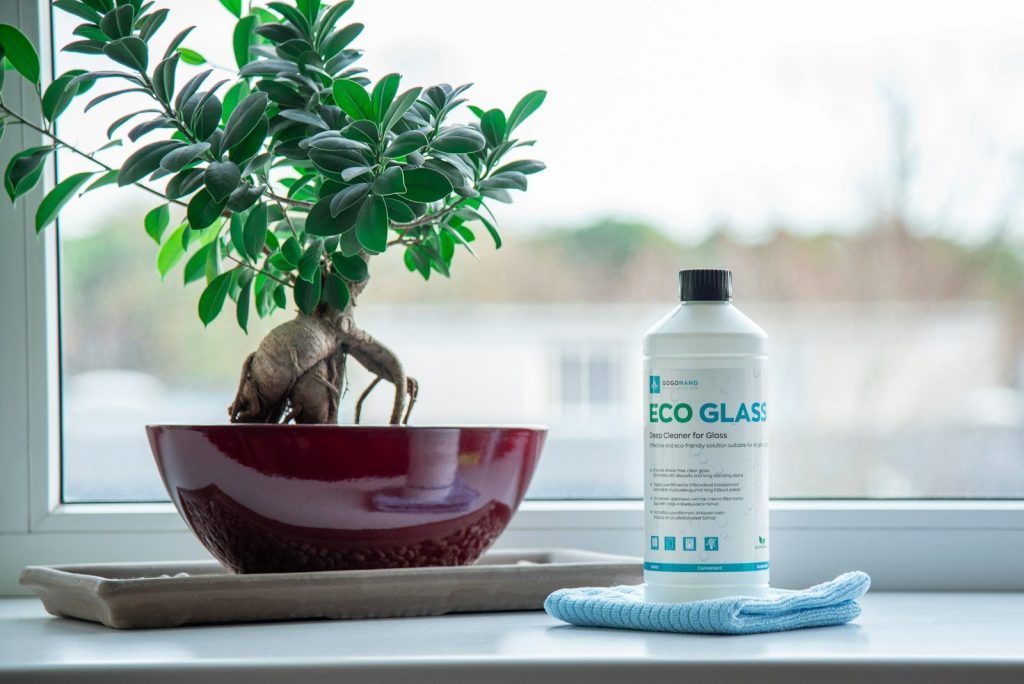
The simplest solution is often the most effective. Automotive glass cleaners are designed to break down oily residue without leaving streaks behind.
Spray the cleaner onto a microfiber cloth rather than directly onto the windshield. This prevents overspray from reaching the dashboard and electronics. Work in small sections and wipe in overlapping motions to lift away the film evenly. A clean microfiber cloth usually makes a noticeable difference after just one pass.
2. Use Distilled Water for Light Buildup
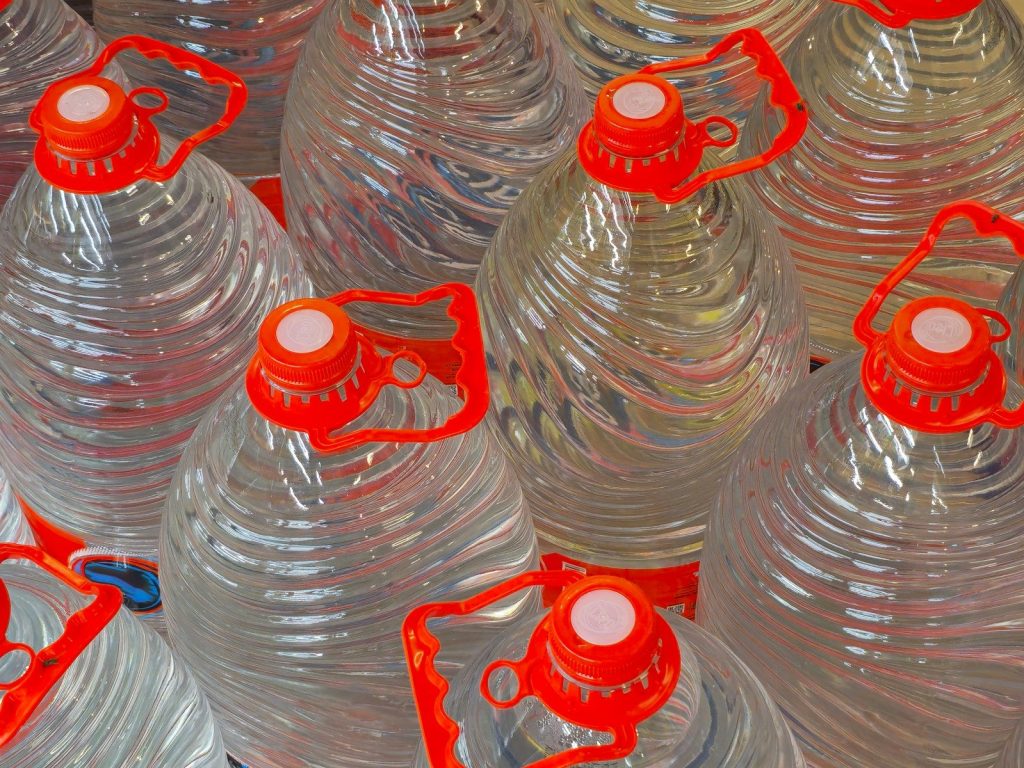
Many people overlook distilled water when cleaning automotive glass. Tap water can leave behind mineral deposits, especially in areas with hard water.
For light film and dust, distilled water combined with a clean microfiber cloth often removes residue without introducing additional streaks. It is also a useful final step after using stronger cleaning products. This method works particularly well on newer vehicles where the film has not had years to accumulate.
3. Try a Vinegar Solution
White vinegar remains one of the most reliable household cleaners for glass. A mixture of equal parts distilled white vinegar and water can cut through oily film that standard cleaners sometimes leave behind.
Apply the solution with a microfiber towel and wipe thoroughly. The mild acidity helps dissolve residue from smoke, fingerprints, and environmental contaminants. The vinegar smell fades quickly once the glass dries.
4. Don’t Forget the Inside of the Windshield

Many drivers spend time cleaning the exterior glass while the real problem sits inside the vehicle.
Interior windshield film often forms when plastic dashboard components release tiny airborne compounds. Heat accelerates the process, which explains why vehicles parked in the sun frequently develop a greasy haze on the glass. Cleaning the inside surface every few weeks helps prevent buildup from becoming difficult to remove.
5. Use Isopropyl Alcohol for Stubborn Residue
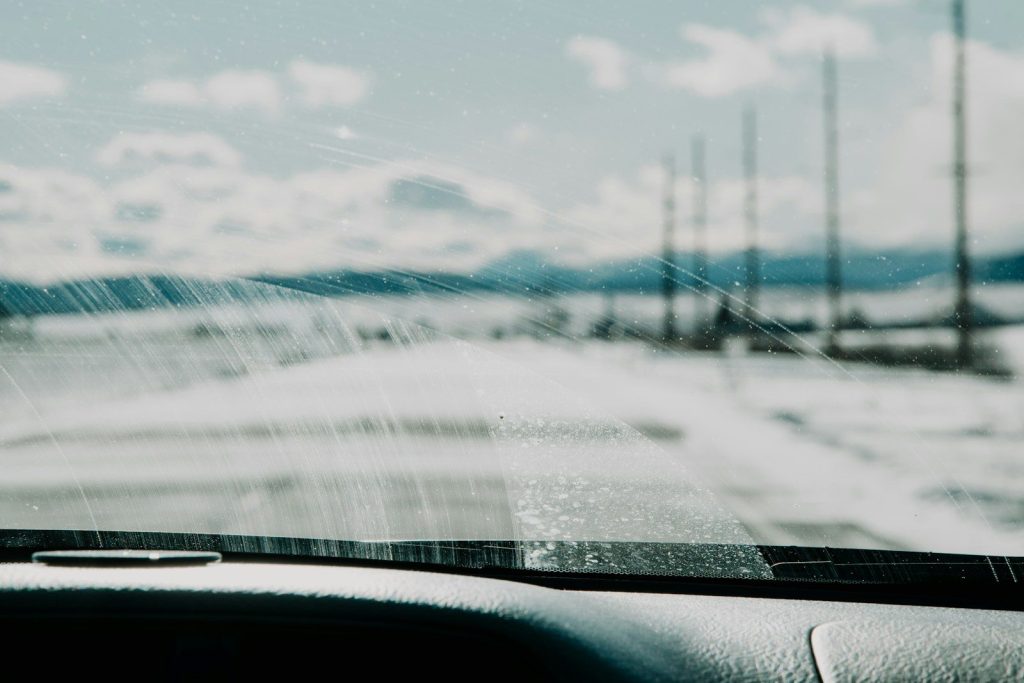
When ordinary glass cleaners fail, isopropyl alcohol can be an effective next step. A solution containing 70 percent alcohol is strong enough to break down many oily deposits without damaging automotive glass.
Dampen a microfiber cloth and wipe the affected areas. Follow with a clean cloth and a final pass using glass cleaner. This method is especially useful for film caused by vaping residue, cigarette smoke, or greasy fingerprints.
6. Clay Bar Treatment for Exterior Contamination
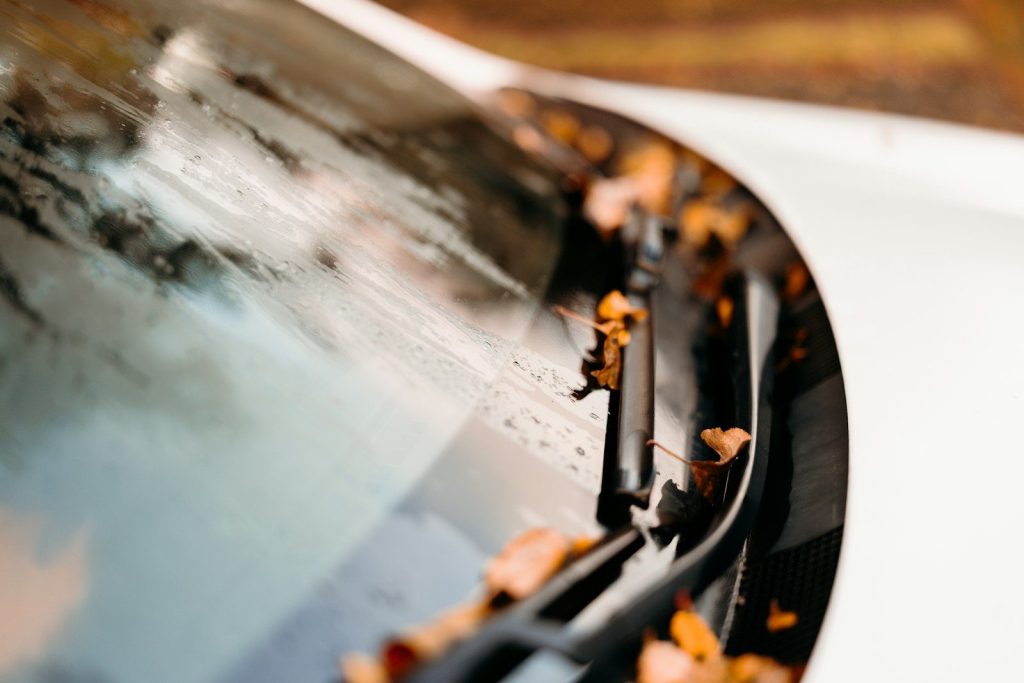
Sometimes the film is not actually a film at all. Tiny particles from road grime, industrial fallout, tree sap, and pollution can bond to the exterior surface of the windshield.
An automotive clay bar can safely remove these contaminants. After washing the glass, use the clay bar with a suitable lubricant and gently glide it across the surface. The windshield should feel noticeably smoother afterward, which often improves visibility during rain and at night.
7. Replace Worn Windshield Wipers

Dirty or worn wiper blades can spread residue across the glass every time they operate. Inspect the rubber edges for cracks, tears, or hard spots. If the blades leave streaks or skip across the windshield, replacement is usually the best option.
Modern windshield wipers are inexpensive compared to the improvement they can make in visibility and driving comfort.
8. Use a Glass Polishing Compound
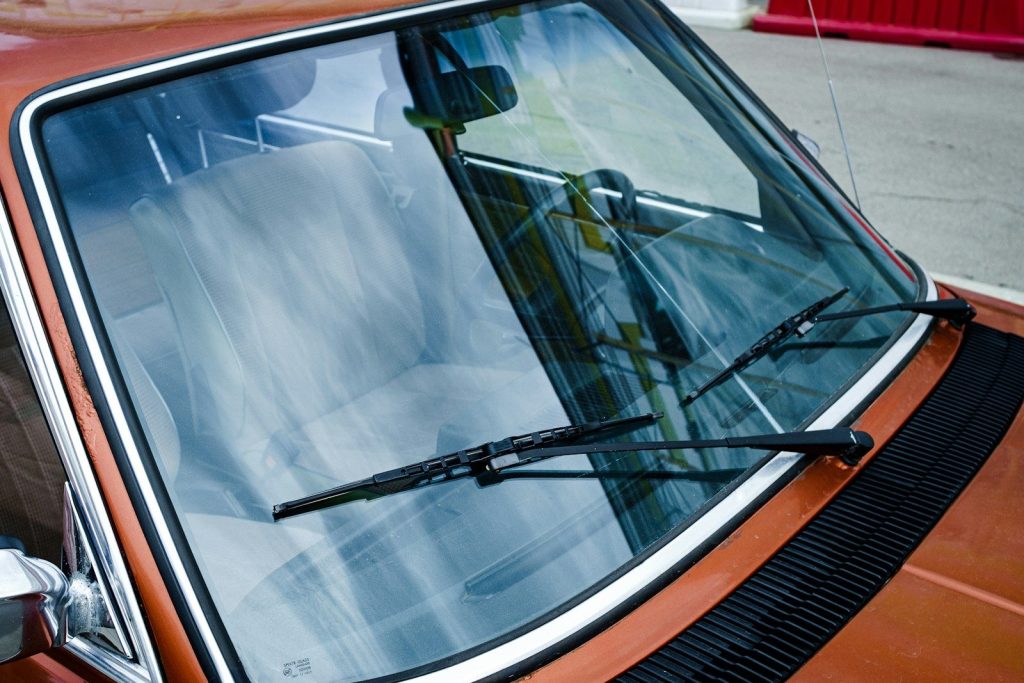
For film that has been neglected for years, a dedicated glass polishing compound may be necessary.
These products are designed to remove stubborn contamination that ordinary cleaners cannot reach. Apply the compound according to the manufacturer’s instructions and buff the glass carefully. Many drivers are surprised by how much clearer their windshield appears after a proper polishing treatment.
9. Prevent the Film From Returning
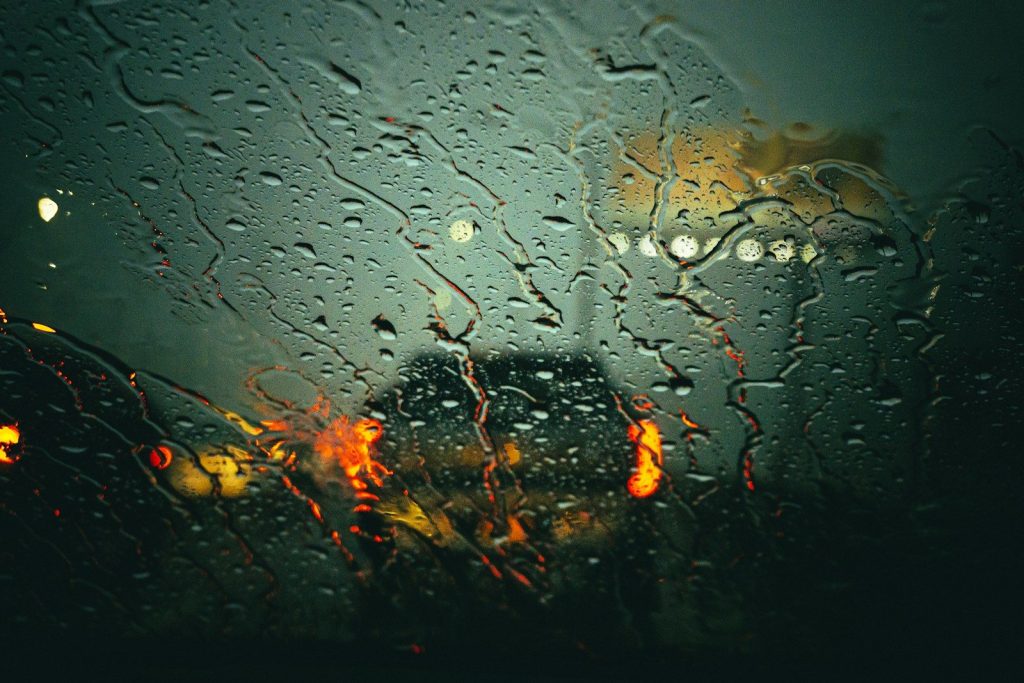
Removing windshield film is only half the job. Prevention keeps the glass clearer for longer. Regular cleaning, parking in shaded areas when possible, replacing cabin air filters on schedule, and keeping dashboard surfaces free of dust all help reduce future buildup. A quick wipe with a clean microfiber cloth every week can prevent the haze from becoming noticeable again.
Clear glass improves visibility, reduces nighttime glare, and makes every drive a little easier. That makes windshield maintenance one of the simplest upgrades any vehicle can get.