
Dave Ramsey has been telling Americans to get their financial act together since the early 1990s, and in 2026, his core principles still hold up surprisingly well. The basics haven’t changed: spend less than you earn, avoid debt like it costs you (because it does), and build savings with intention rather than whatever’s left over at the end of the month.
What has changed is the environment. Inflation has reshaped household budgets, subscription services quietly drain bank accounts, and the average American carries more consumer debt than ever. These nine strategies pull from Ramsey’s playbook and apply them to where things actually stand right now.
1. Write a Zero-Based Budget Every Single Month
Zero-based budgeting means every dollar gets a job before the month begins. Income minus expenses equals zero, not because there’s nothing left, but because every remaining dollar has been assigned somewhere, whether that’s groceries, savings, or a car repair fund. Most people skip this because it feels tedious.
That’s exactly why most people are surprised when they run out of money two weeks before their next paycheck. Apps like EveryDollar (Ramsey’s own tool) or even a basic spreadsheet make this manageable. The discipline is in doing it monthly, not once in January and then forgetting about it.
2. Build a $1,000 Starter Emergency Fund First

Before paying off debt aggressively or investing anything, Ramsey’s first step is a $1,000 emergency fund. The logic is straightforward: without a small cash cushion, any unexpected expense, a flat tire, a urgent dental visit, a broken appliance, goes straight onto a credit card.
That defeats the whole effort. $1,000 won’t cover everything, but it covers enough to keep the plan from unraveling at the first sign of trouble. Get it into a separate savings account and treat it as untouchable except for genuine emergencies.
3. Use the Debt Snowball to Build Real Momentum

The debt snowball method means listing all debts from smallest to largest balance, then attacking the smallest one with every available dollar while making minimum payments on the rest. Once that’s gone, roll that payment into the next one. Mathematically, the debt avalanche (targeting highest interest first) saves more money. Ramsey doesn’t argue with the math.
His point is behavioral: people need wins to stay motivated, and knocking out a $400 medical bill or a small store credit card creates momentum that keeps the whole process moving. For most people, the strategy they actually stick with beats the optimal strategy they abandon.
4. Cut the Subscriptions You Forgot You Had
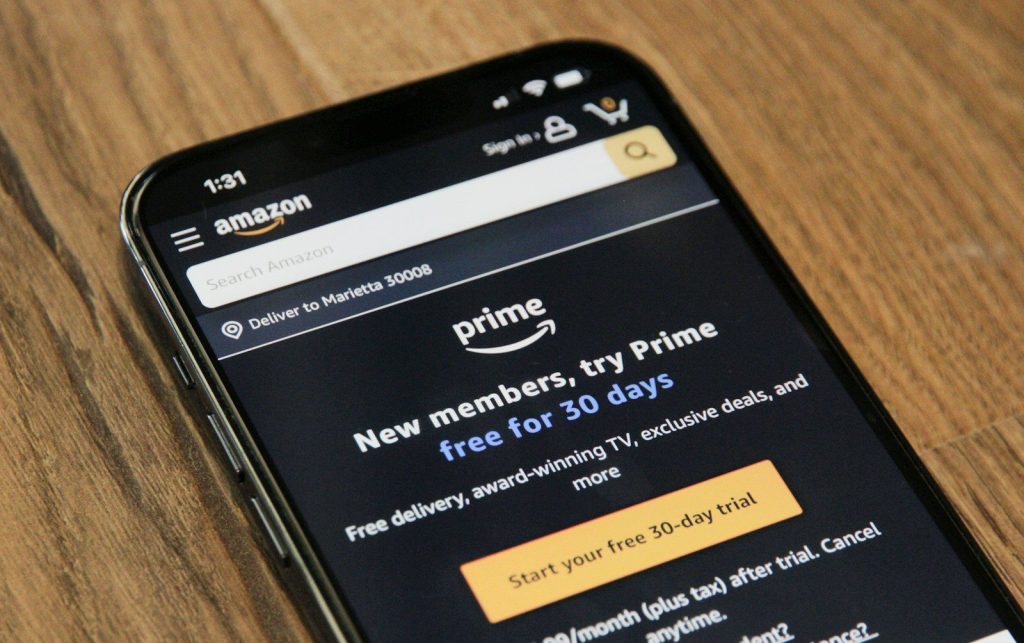
Go through every bank and credit card statement from the last 90 days and flag every recurring charge. In 2026, the average household is estimated to pay for somewhere between 4 and 7 streaming services, multiple software subscriptions, gym memberships, meal kit services, and various app upgrades that auto-renew without notice.
Cancel anything that doesn’t get used at least twice a month. Even eliminating $60 to $80 in monthly subscriptions adds up to nearly $1,000 a year, which can go directly into that emergency fund or toward a debt balance.
5. Stop Using Credit Cards Entirely (At Least for Now)
Ramsey is blunt about credit cards: they make spending easier and saving harder. The psychological friction of handing over cash or watching a debit card balance drop is real, and research in behavioral economics backs this up. People consistently spend more when using cards versus cash or debit.
The cash envelope system, where physical envelopes hold spending money for specific categories, forces awareness. Groceries get $400 in cash. When the envelope is empty, spending stops. It feels old-fashioned because it is. It also works.
6. Negotiate Bills You Think Are Fixed

Most people treat monthly bills as non-negotiable. Car insurance, internet service, phone plans, and even medical bills are often more flexible than they appear. Calling a provider and asking for a loyalty discount or threatening to switch to a competitor frequently results in a lower rate.
Medical billing departments routinely reduce bills for patients who ask. In 2026, comparison tools for insurance and telecom have become much more accessible, which gives consumers more leverage than they had even five years ago. Spending 20 minutes on the phone to save $30 a month is worth it.
7. Automate Savings So the Decision Is Already Made

Willpower is unreliable. Automation removes the decision entirely. Setting up an automatic transfer to a savings account the same day a paycheck hits means the money moves before there’s any temptation to spend it. Even $50 or $100 per paycheck builds a habit and a balance.
High-yield savings accounts in 2026 are still offering rates well above what traditional banks provide, so parking emergency fund money somewhere it earns a decent return is worth the five minutes it takes to open the account.
8. Meal Plan to Control the Grocery and Restaurant Budget
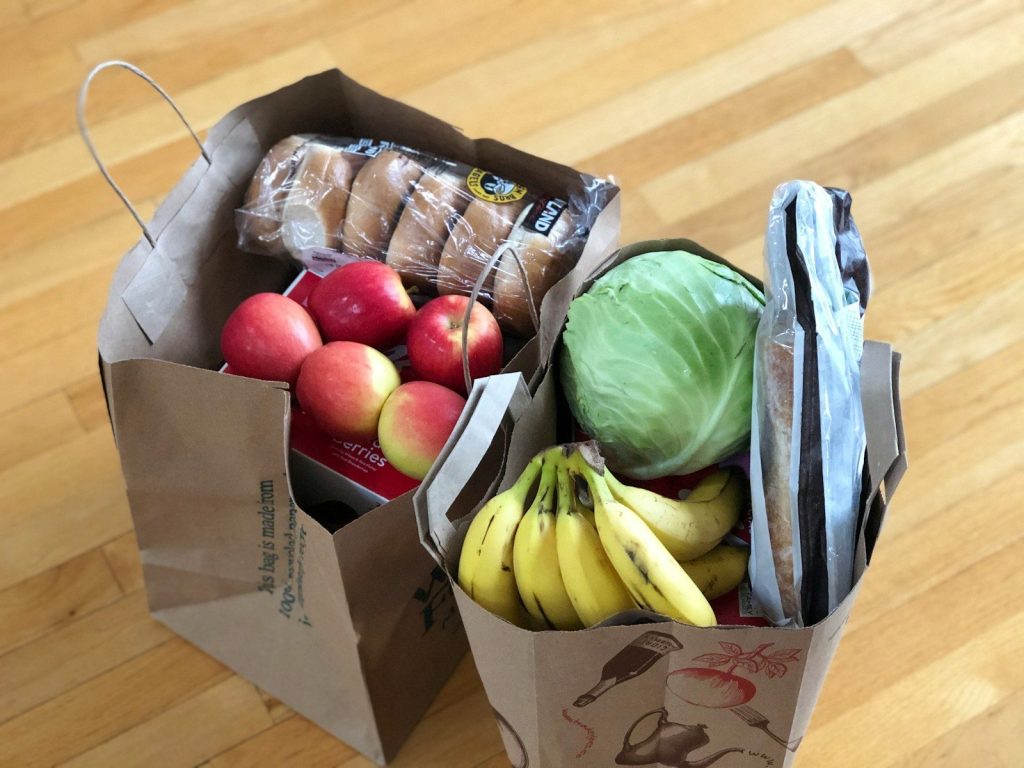
Food is consistently one of the top three budget leaks for American households. Eating out is expensive, and grocery shopping without a plan leads to waste and impulse purchases. Planning meals for the week before buying groceries cuts both problems.
It sounds like a minor lifestyle adjustment, but the average household that meal plans consistently spends noticeably less on food each month. Ramsey’s broader point applies here: small, repeated decisions compound. A household that eats out four fewer times per month could easily save $150 to $200, sometimes more depending on the city.
9. Live on Less Than You Make, No Matter What

This is the one principle that every other strategy supports. All the budgeting tools, debt payoff methods, and savings automation in the world don’t work if spending consistently meets or exceeds income. Lifestyle inflation, spending more as income grows, is the quiet reason many high earners still live paycheck to paycheck.
Ramsey’s approach requires treating raises and bonuses as savings opportunities rather than lifestyle upgrades, at least until the financial foundation is solid. That might mean driving an older car, skipping the vacation, or staying in a smaller apartment longer than feels comfortable. The tradeoff is financial breathing room, and in 2026, that’s worth quite a lot.