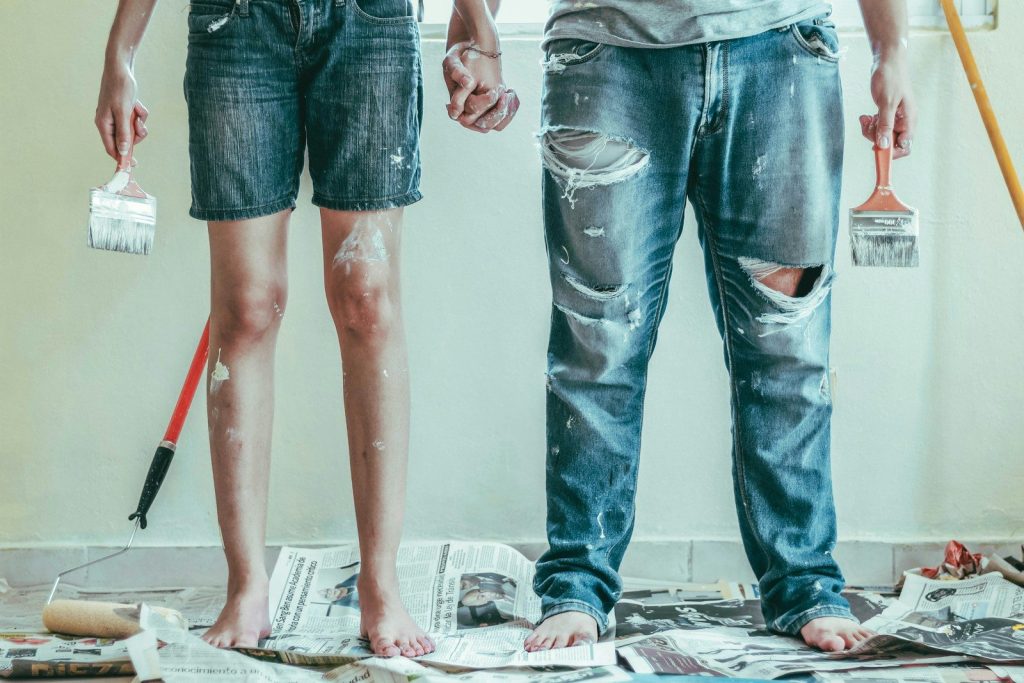

YouTube has turned a generation of homeowners into amateur contractors, and for the most part, that’s a good thing. Patching drywall, caulking a tub, swapping out a light fixture — all of it is genuinely learnable. The problem is that confidence built on small wins can bleed into bigger projects where the stakes are much higher.
A botched tile job costs a few hundred dollars to fix. A botched electrical panel can cost a life. The DIY habits that get homeowners into real trouble aren’t always the flashy disasters. Often they’re the quiet, procedural mistakes that compound over months or years before anyone notices.
1. Skipping the Permit

Pulling a permit feels like an unnecessary step when the project seems straightforward. Finishing a basement, adding a bathroom, replacing a load-bearing wall, these all require permits in most U.S. jurisdictions, and skipping that step can be enormously costly down the road.
When a home is sold, unpermitted work can tank an appraisal, delay closing, or force a seller to tear out finished work entirely. Insurance companies can also deny claims tied to unpermitted additions. The permit process exists to catch errors before they’re buried behind drywall, and many homeowners only learn that lesson when it’s too late.
2. Turning Off the Wrong Breaker
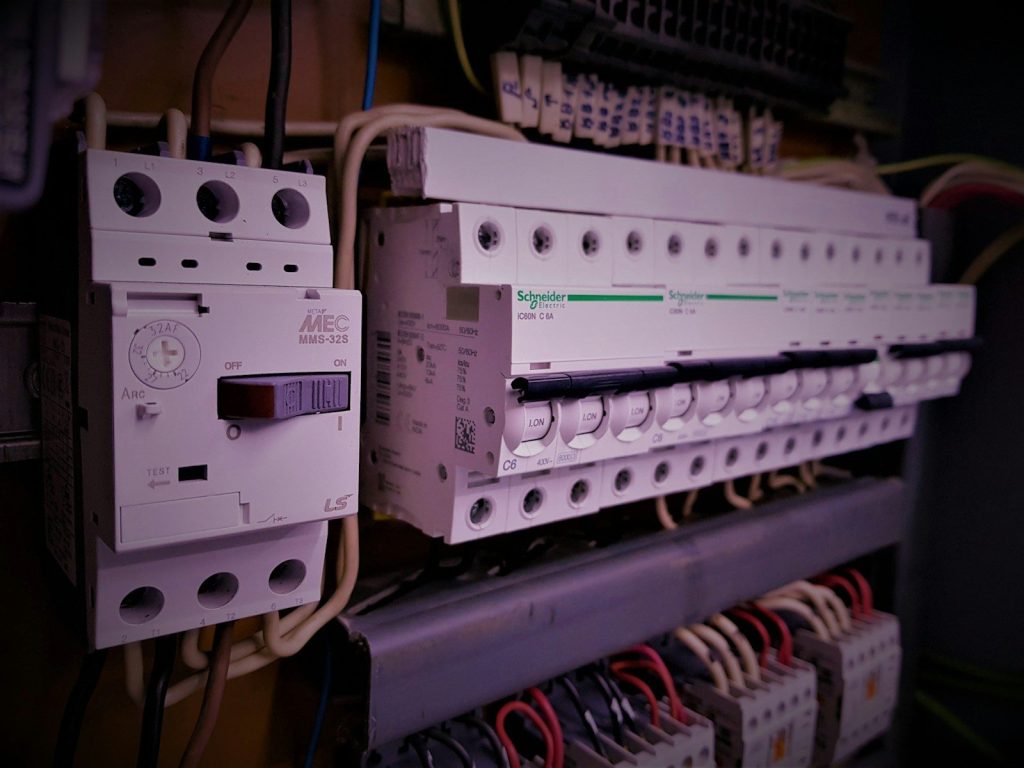
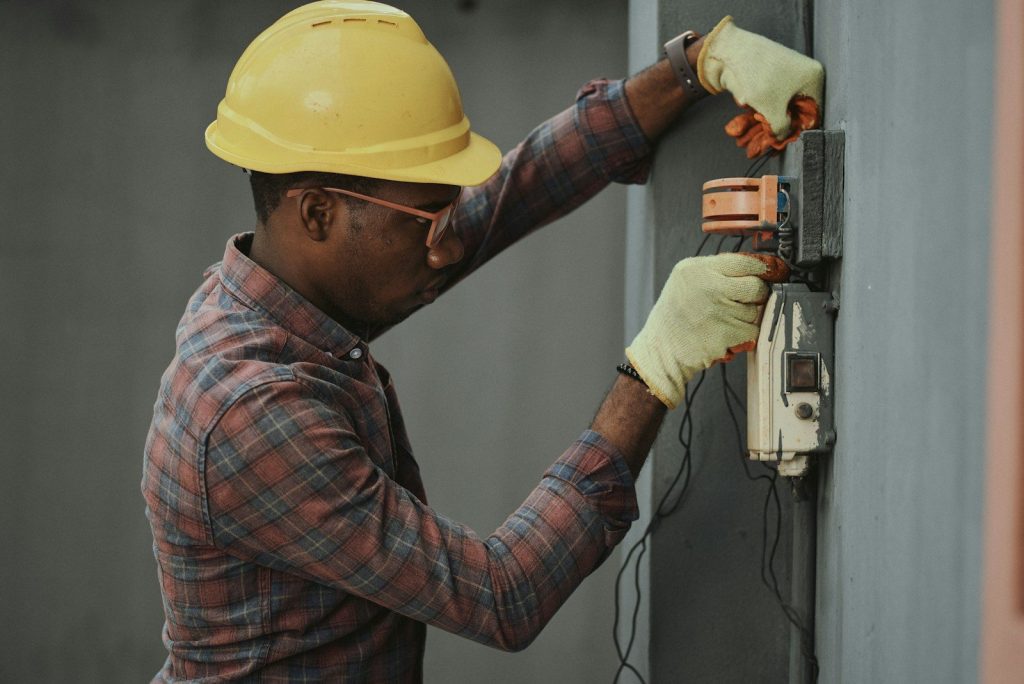
Electrical work done without properly verifying that the circuit is de-energized is one of the leading causes of DIY injuries. Flipping what appears to be the correct breaker and then assuming the outlet is dead is a gamble.
Older homes in particular often have circuits wired in unexpected configurations. A non-contact voltage tester costs about $20 and removes the guesswork entirely. Anyone doing their own electrical work without one is taking a risk that simply isn’t worth taking.
3. Using the Wrong Caulk or Sealant
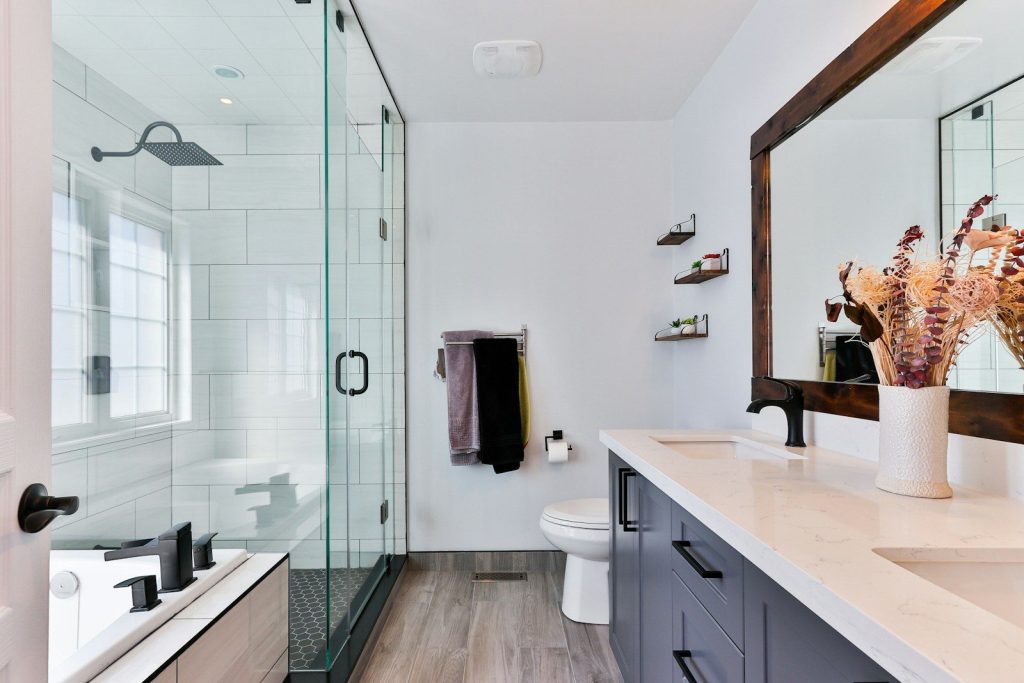
Hardware stores stock dozens of caulk varieties, and grabbing the wrong one is an extremely common mistake. Paintable latex caulk applied in a wet shower environment will fail within months. Silicone caulk applied where paint adhesion is needed won’t hold. Some products aren’t rated for outdoor temperature swings.
A tube of caulk costs around $8, and using the right one for the application takes about 90 seconds of label reading. Using the wrong one can mean water intrusion behind tile, rotting studs, and mold growth that costs thousands to remediate.
4. Over-Tightening Connections
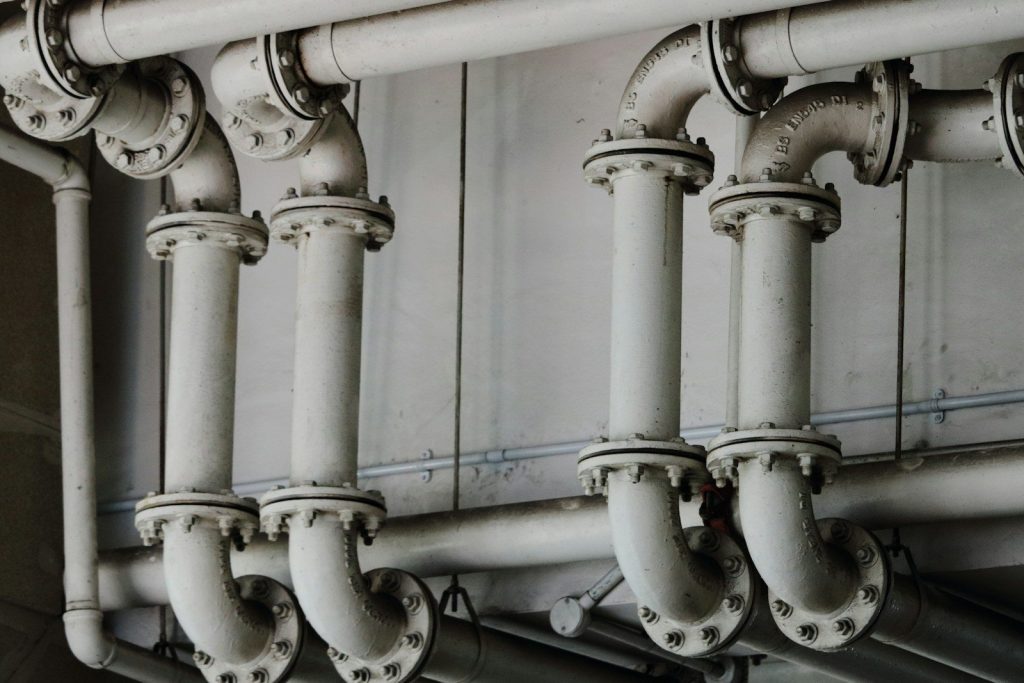
More torque doesn’t mean a better result. Over-tightening toilet bolts cracks porcelain. Over-tightening supply line connections strips threads and causes slow leaks behind walls.
Over-driving drywall screws blows through the paper face and reduces holding strength. Plumbing fittings, in particular, are often made from brass or plastic that can crack under excess force. “Snug plus a quarter turn” is a phrase worth committing to memory for compression fittings. Restraint is a skill in DIY work, and it’s undervalued.
5. Painting Without Proper Surface Prep
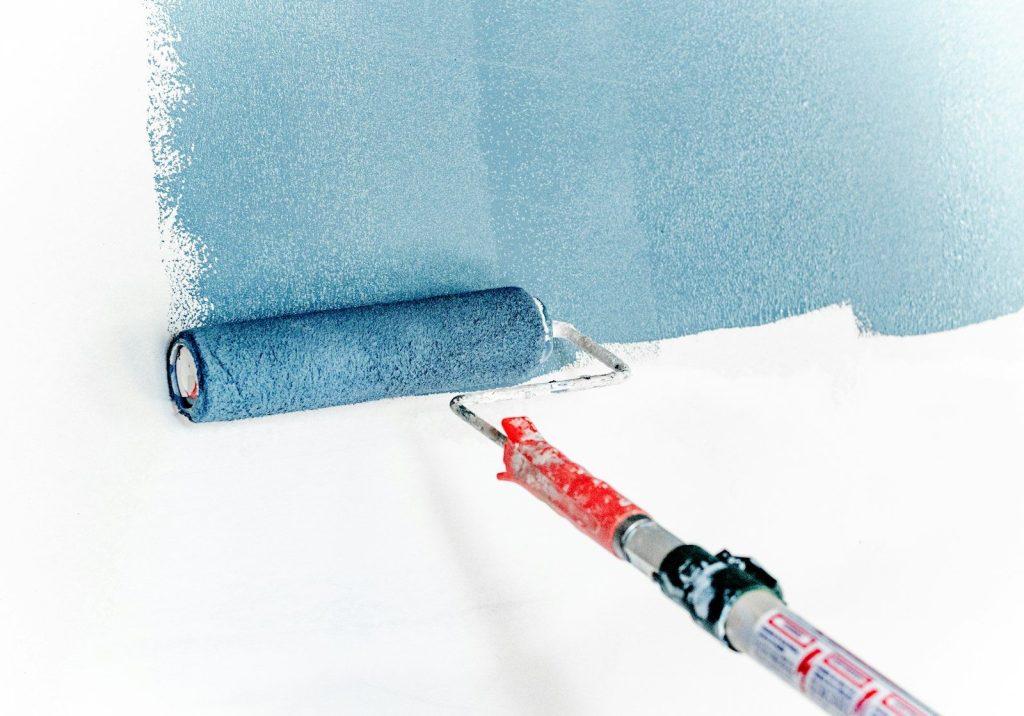
Paint adhesion is almost entirely about prep, not the paint itself. Skipping cleaning, sanding, or priming leads to peeling within a year or two, sometimes faster in humid areas. Glossy surfaces need to be scuffed before repainting.
Bare wood needs primer or the finish coat will soak in unevenly. Walls with water stains need a stain-blocking primer before any topcoat, or those yellow rings will bleed through no matter how many coats are applied. A $15 can of primer prevents a $200 repaint job.
6. Cutting Into Walls Without Checking First
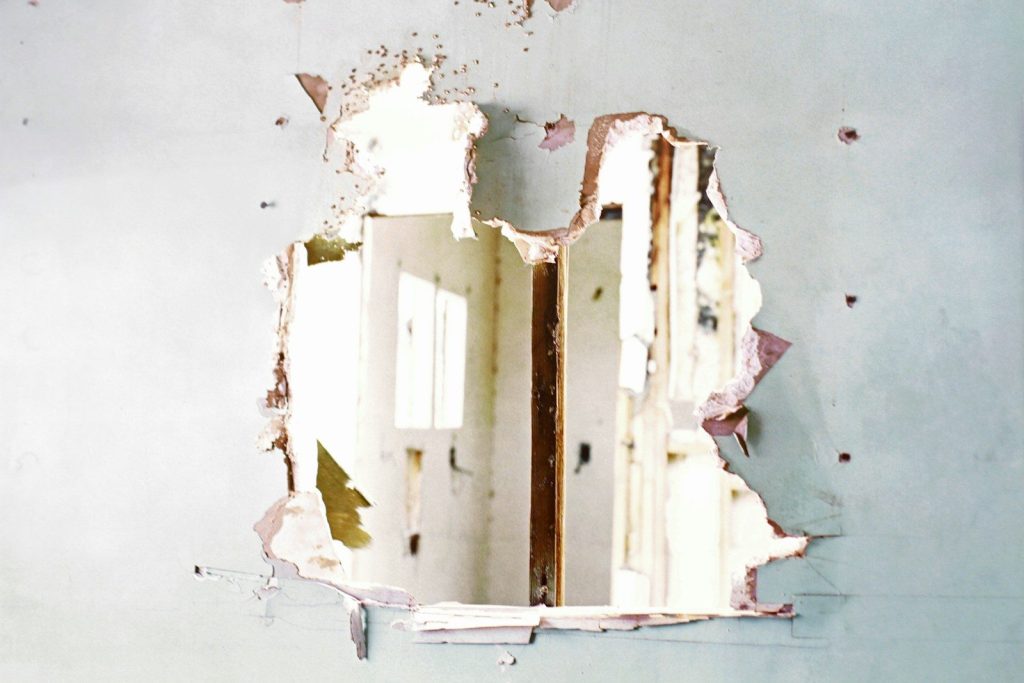
Running a saw or drill through a wall without knowing what’s inside is one of the riskier DIY habits around. Pipes, wires, and structural elements don’t follow the same path in every home.
Stud finders with wire detection have become reasonably accurate and inexpensive. Endoscope cameras that thread through small holes are available for under $30. Cutting into an active water line or a live wire mid-renovation is far more expensive than a few minutes of checking.
7. Using Deck Screws for Structural Work
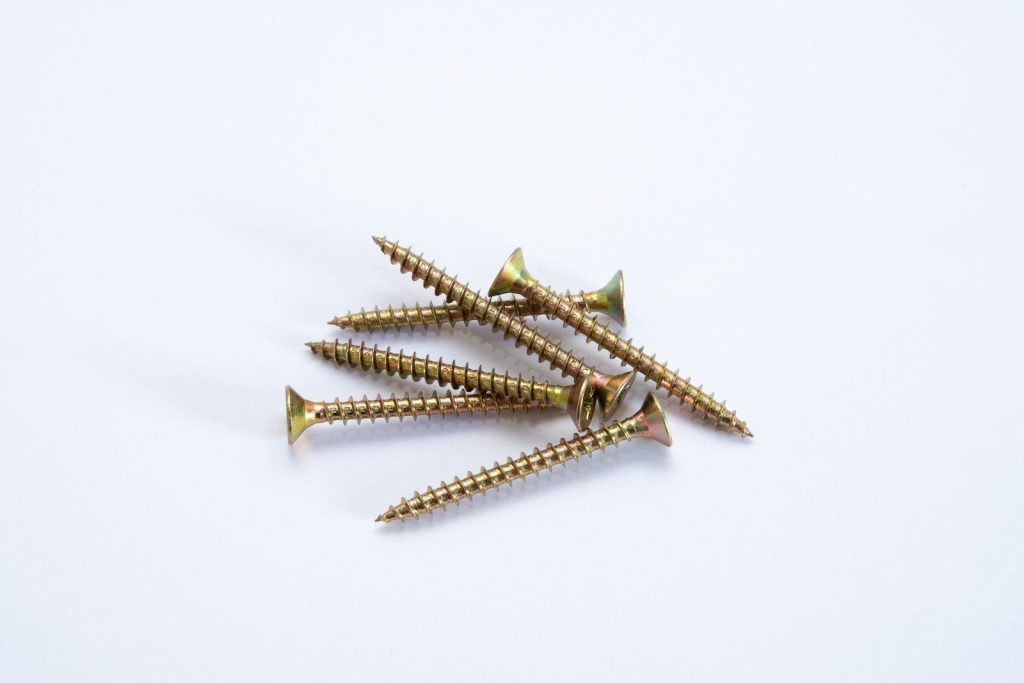
Deck screws, drywall screws, and structural screws are not interchangeable, though they look similar to most homeowners. Structural connectors, joist hangers, post bases, hurricane ties, require specific fasteners, typically the galvanized nails or structural screws listed in the manufacturer’s load tables.
Using standard deck screws in a joist hanger can reduce the rated load capacity by more than half. That kind of substitution passes visual inspection but creates a real structural vulnerability, particularly relevant in areas prone to high winds or seismic activity.
8. Ignoring Manufacturer Instructions on Products
Every tube of adhesive, bag of mortar, or can of spray foam has instructions that most DIYers skim or ignore entirely. Mixing ratios, cure times, and application temperatures exist because the chemistry of these products actually depends on them.
Tile mortar applied outside its working temperature range won’t bond properly. Expanding foam applied in thick single passes will cure with a weak, crumbly core instead of a solid fill. These details feel like fine print until the project fails and the reasons become obvious in hindsight.
9. Assuming a Flat Surface Is Level
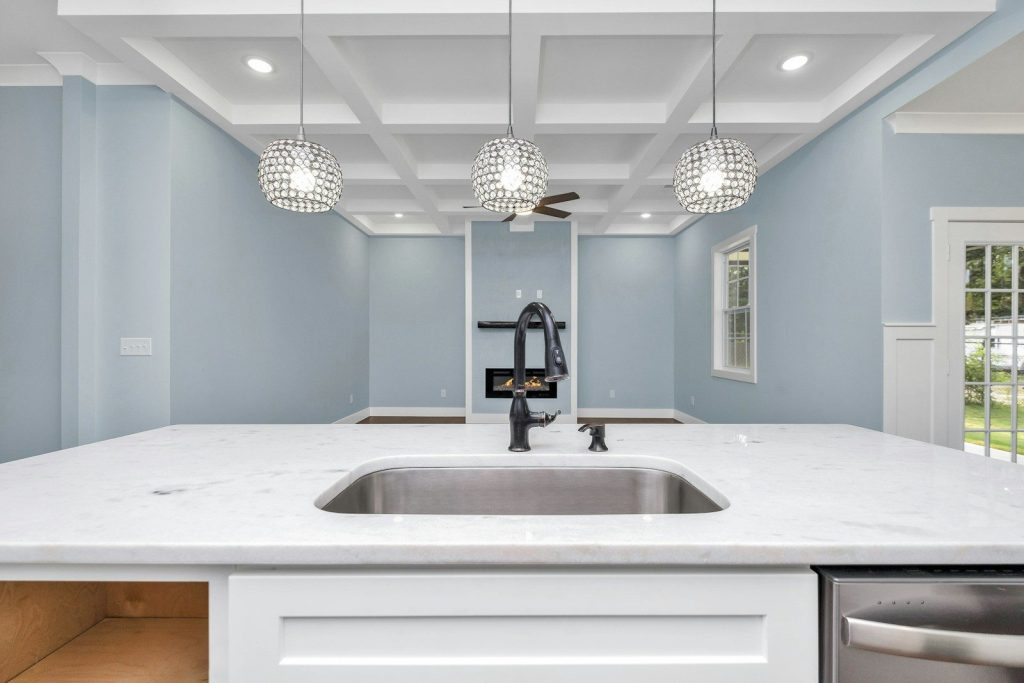
A floor that looks flat to the eye can be off by half an inch over eight feet, which is significant for tile work, cabinetry, or any installation where alignment matters. Floating floors installed over an unchecked subfloor can buckle, gap, or develop squeaks within a year.
Kitchen cabinets hung without a laser level or long spirit level will look visibly crooked once everything is installed and the eye has a reference point. Spending ten minutes checking a surface before committing to an installation can prevent pulling everything out and starting over, which is how small projects turn into expensive ones.