

Grocery prices haven’t exactly eased up heading into 2026. Between supply chain shifts, energy costs hitting food production, and the general slow grind of inflation, most households are spending more at the checkout than they were a few years ago.
The good news is that a well-stocked pantry can do a lot of the heavy lifting, and certain staples have held their ground as genuinely cheap, filling, and versatile.
1. Dried Lentils
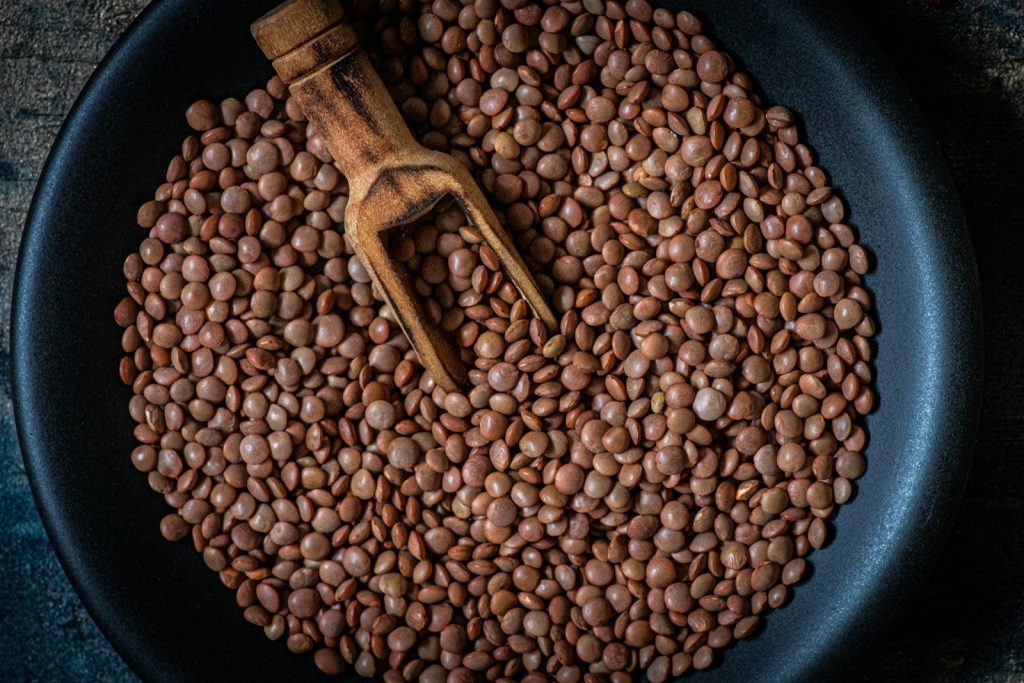
Pound for pound, dried lentils are one of the most efficient foods available. A one-pound bag costs around $2 to $3 and can yield enough for four to six servings. They cook in under 30 minutes without soaking, and they absorb flavor well, which means they work in soups, stews, curries, and even as a meat extender in sauces.
Red lentils break down into a creamy texture. Green and brown hold their shape better for salads or rice dishes. Stocking both is worth the small extra cost.
2. Canned Tomatoes
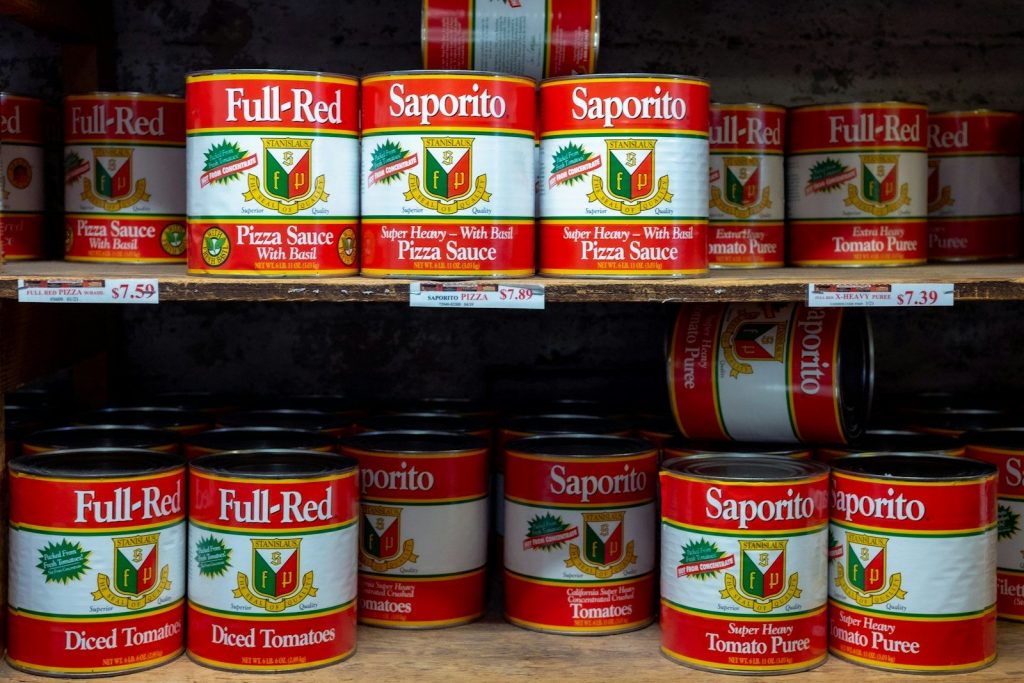
A case of canned whole or crushed tomatoes from a warehouse store runs about $10 to $14 for 12 cans. That covers a lot of ground. Tomato-based sauces, soups, shakshuka, chili, braised meats, rice dishes. The canned version often outperforms fresh in cooked applications because the tomatoes are processed at peak ripeness.
Store brands work just as well as name brands here. The difference in quality rarely justifies the price gap.
3. Rolled Oats
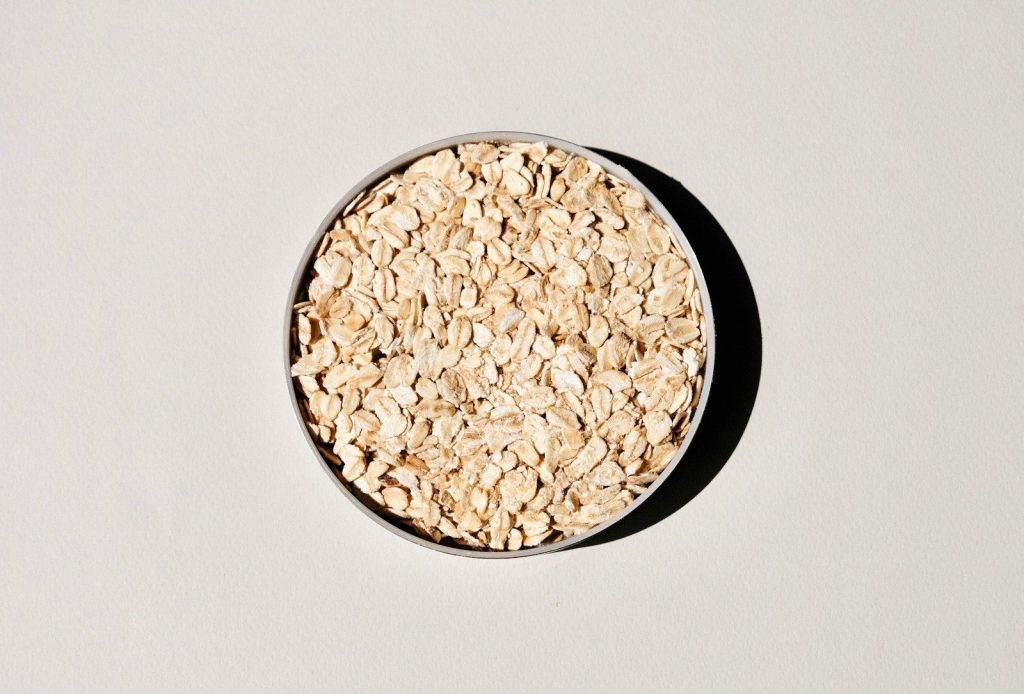
Old-fashioned rolled oats are probably the most underrated breakfast option still standing. A 42-ounce container typically runs under $5 and covers weeks of morning meals. They’re slow-digesting, which means they actually keep hunger at bay, unlike most packaged cereals that cost three times as much.
Beyond breakfast, oats show up in baked goods, can be blended into smoothies for texture, and work as a binder in meatballs or veggie burgers. One container, a lot of uses.
4. Dried Pasta
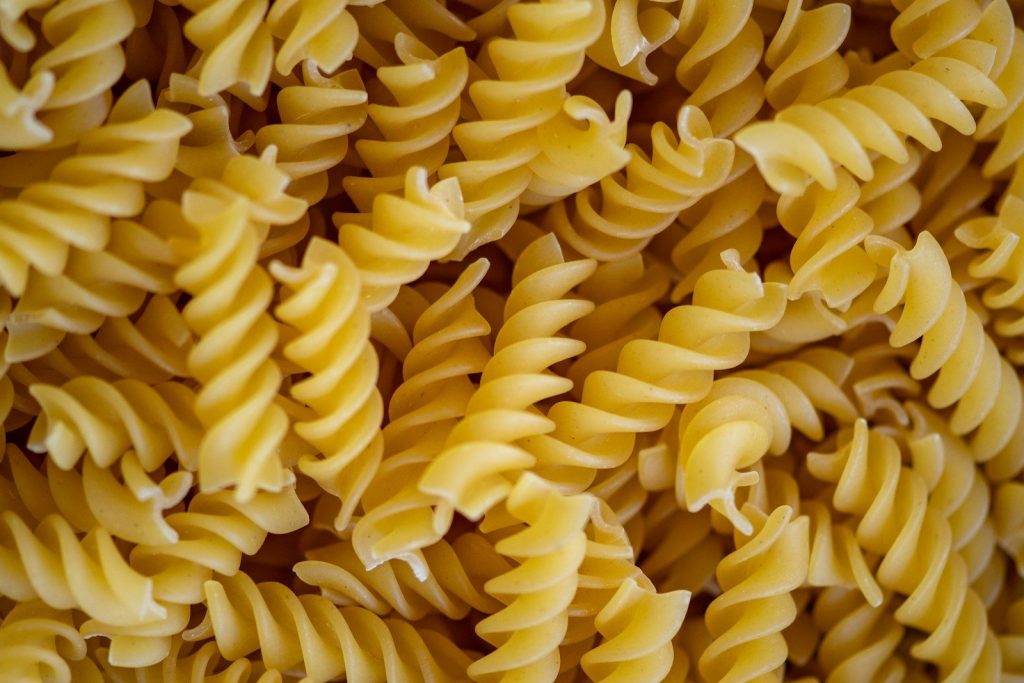
Pasta has been a budget staple for so long that it barely needs an introduction, but the case for keeping a variety on hand is worth making. Different shapes aren’t just aesthetic. Rigatoni holds chunky sauces. Spaghetti suits oil-based or light tomato preparations. Orzo works in soups and cold salads.
A one-pound box costs roughly $1.50 to $2.50 depending on brand and store. Buying a few different shapes during a single shopping trip adds flexibility without much added cost.
5. Dry Beans
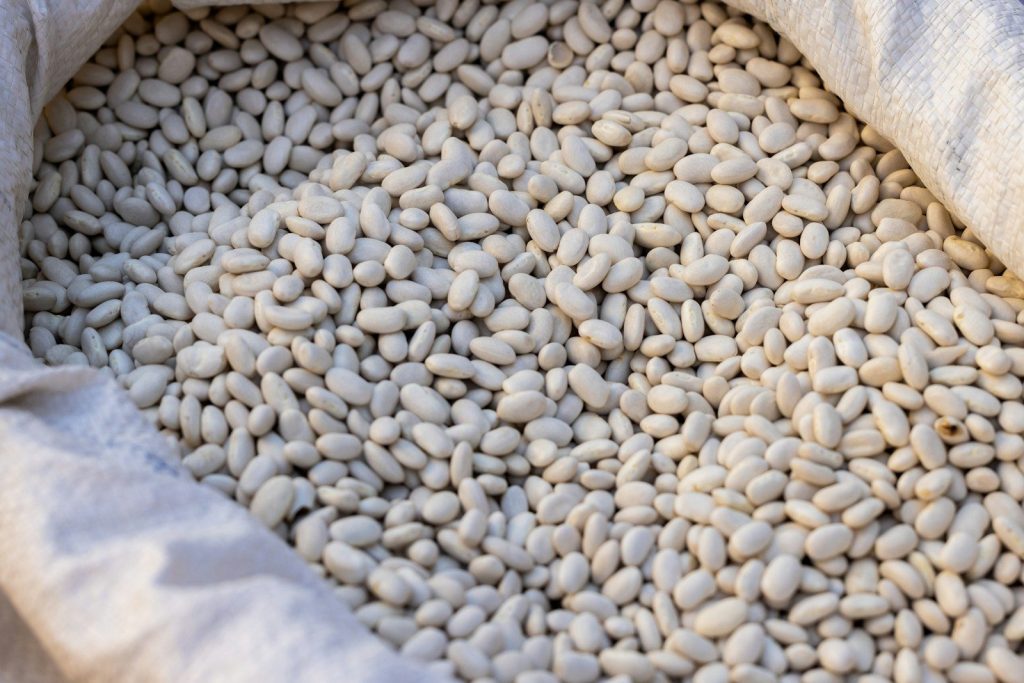
Canned beans are convenient, but dry beans cost significantly less per serving and store for years without quality loss. A one-pound bag of black beans, pinto beans, or chickpeas usually runs $1.50 to $2.50. That same bag can produce the equivalent of three to four cans of cooked beans.
A slow cooker or Instant Pot makes the cooking process mostly hands-off. Batch cook on a Sunday and refrigerate or freeze portions for the week.
6. Rice
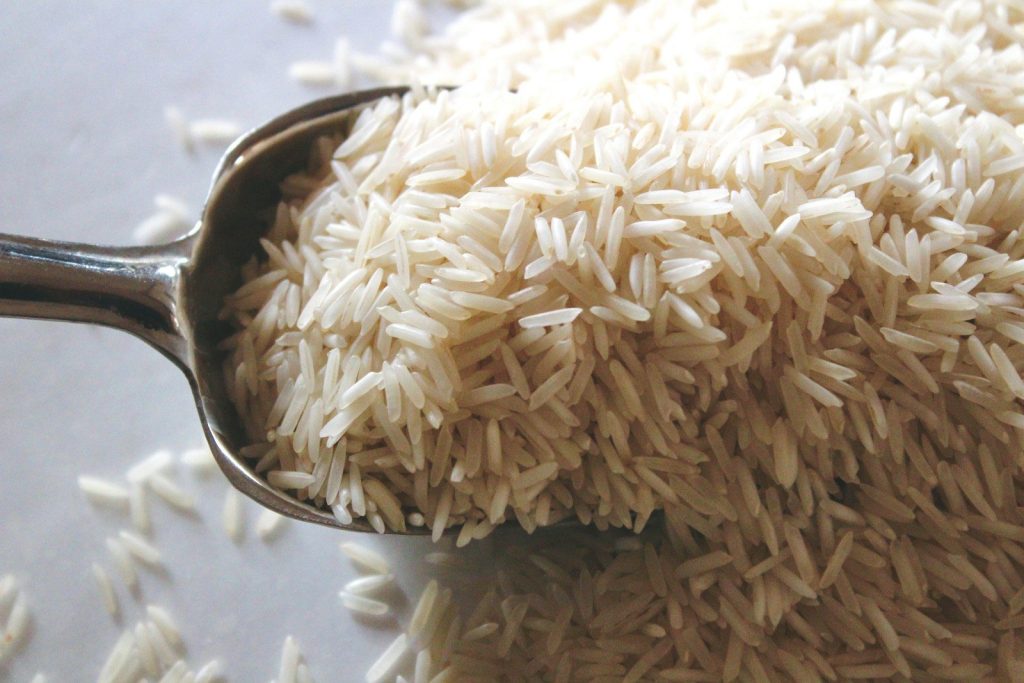
Long-grain white rice and brown rice both belong in the pantry, and buying a 10-pound bag instead of smaller packages drops the per-serving cost considerably. Rice stretches nearly every protein and vegetable further. It absorbs broths and sauces, fills out bowls and stir-fries, and works as a base when there’s not much else in the fridge.
Jasmine and basmati offer more aroma for roughly the same price as generic long-grain, so it’s worth comparing.
7. Peanut Butter
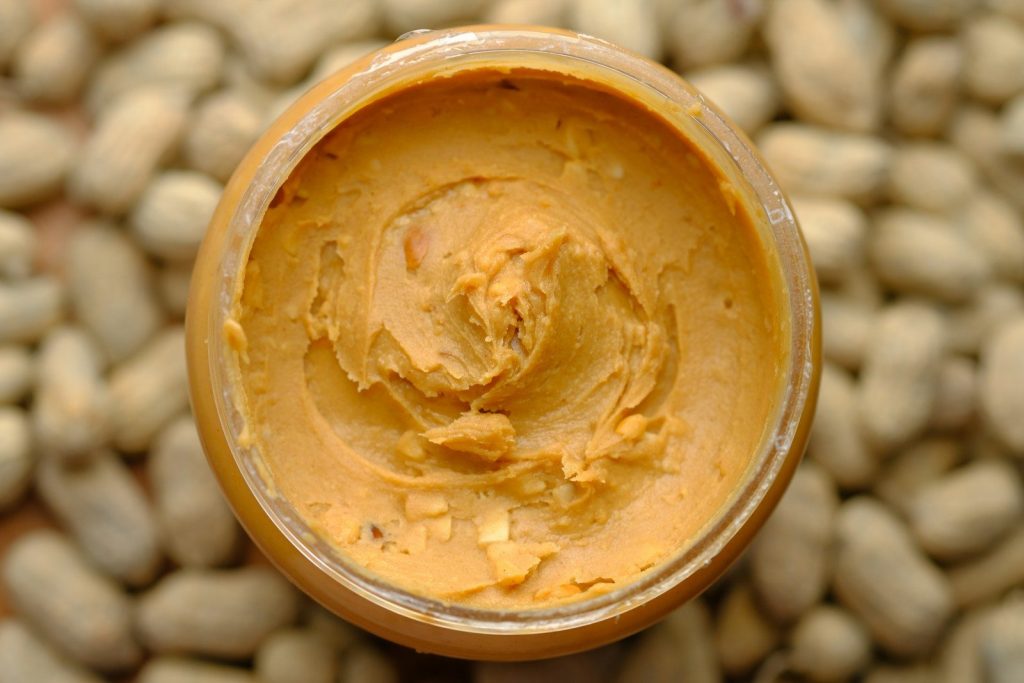
Natural peanut butter, meaning the kind with just peanuts and maybe salt, has held at a reasonable price point compared to most protein sources. A 16-ounce jar runs $3 to $5 and delivers protein, fat, and enough calories to make it a real meal component rather than just a snack spread.
It works in savory applications too. Thai-style peanut noodles, peanut soup, and marinades for grilled chicken all rely on it. The savory side of peanut butter is worth exploring if it’s new territory.
8. Canned Fish
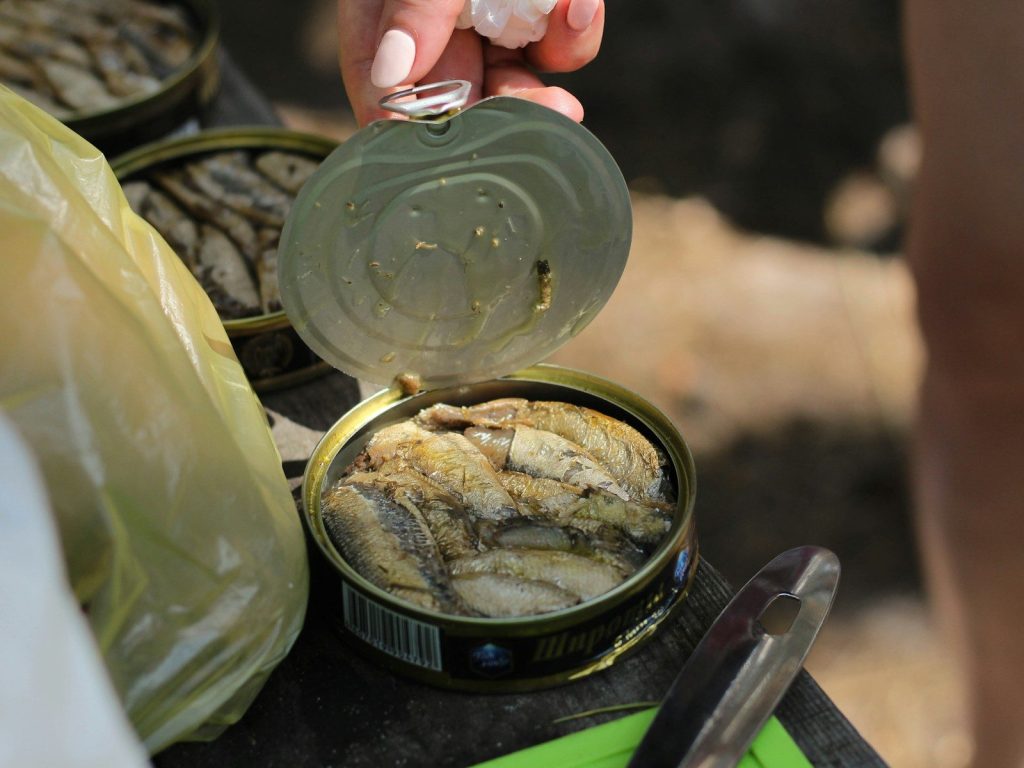
Canned sardines, tuna, mackerel, and salmon are affordable protein sources that require no refrigeration until opened. Sardines in particular have picked up a following in recent years as people have noticed their nutritional profile, specifically the omega-3 content and calcium from the soft bones.
A tin of sardines runs $1.50 to $3. Tuna sits in a similar range. Both make fast, high-protein meals when paired with rice, crackers, or pasta.
9. Frozen Vegetables
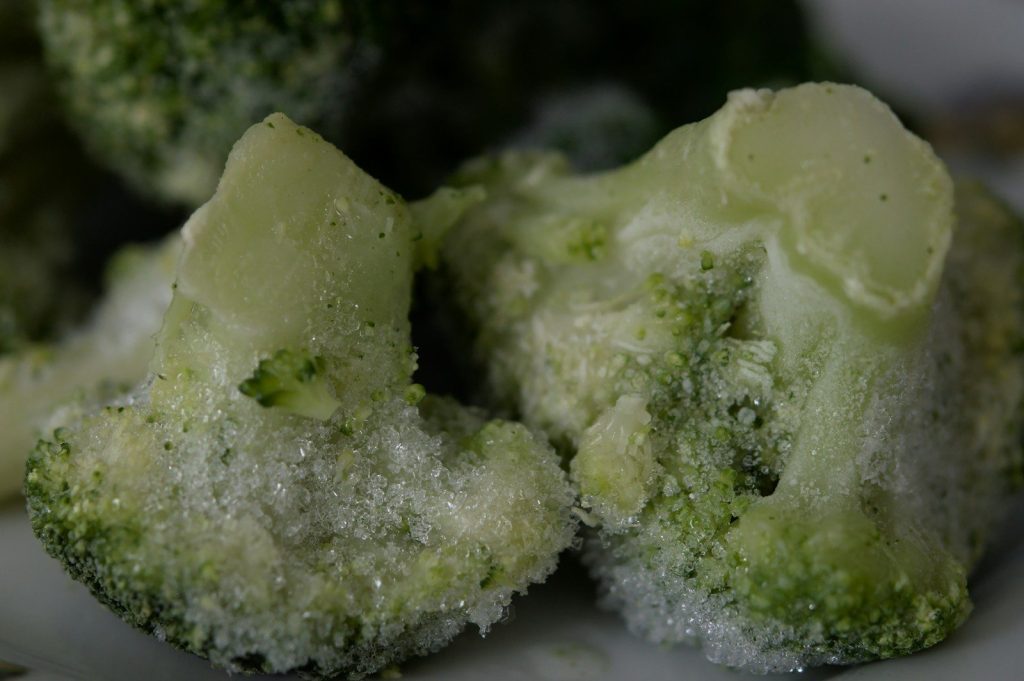
Frozen vegetables belong in this conversation because fresh produce spoils fast and wastes money. A 12-ounce bag of frozen spinach, peas, corn, or broccoli costs $1.50 to $3 and keeps for months. Nutritionally, frozen vegetables are processed shortly after harvest, which means they often retain more vitamins than fresh produce that’s been sitting in transit or on store shelves for days.
Keeping a mix of frozen vegetables on hand fills out any meal without adding much to the weekly bill.