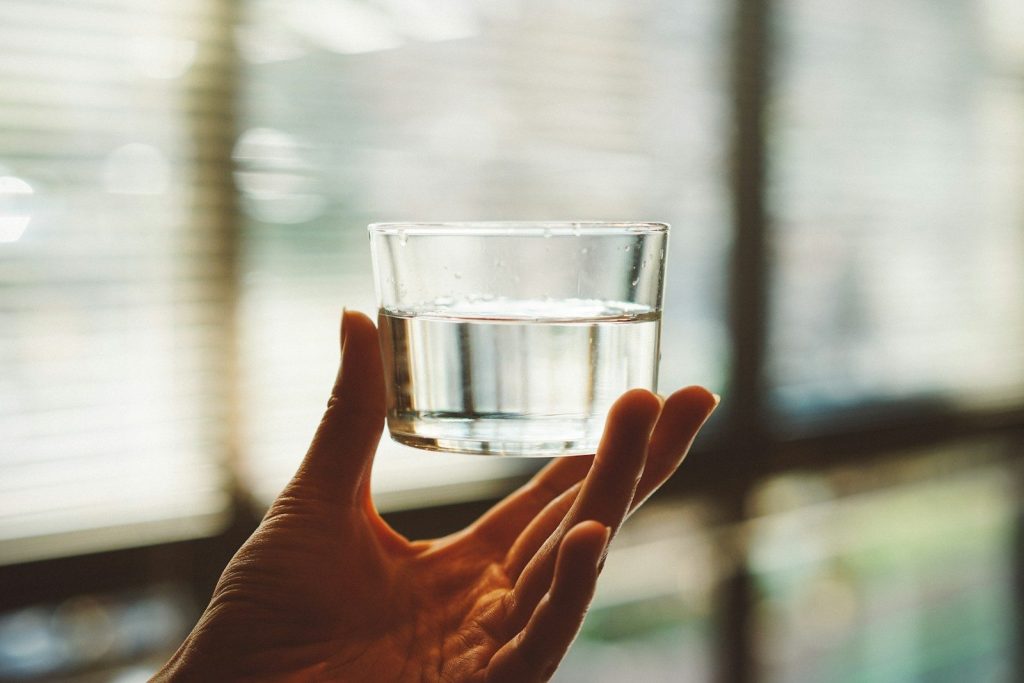

Blood pressure affects every part of the body, from the heart and brain to the kidneys and blood vessels. Diet, exercise, stress levels, and sleep all play a role, but hydration is often overlooked. Water helps maintain normal circulation and supports many of the systems involved in blood pressure regulation.
Drinking more water is not a cure for hypertension, yet it can be a simple habit that supports overall cardiovascular health in 2026 and beyond.
1. It Helps Maintain Blood Volume

The body relies on adequate fluid levels to keep blood moving efficiently. When dehydration occurs, blood volume can decrease, making circulation less efficient. In response, the body may narrow blood vessels and increase heart rate to maintain blood flow.
Staying hydrated helps support healthy blood volume, giving the cardiovascular system one less challenge to manage during the day.
2. It Could Reduce Strain on the Heart
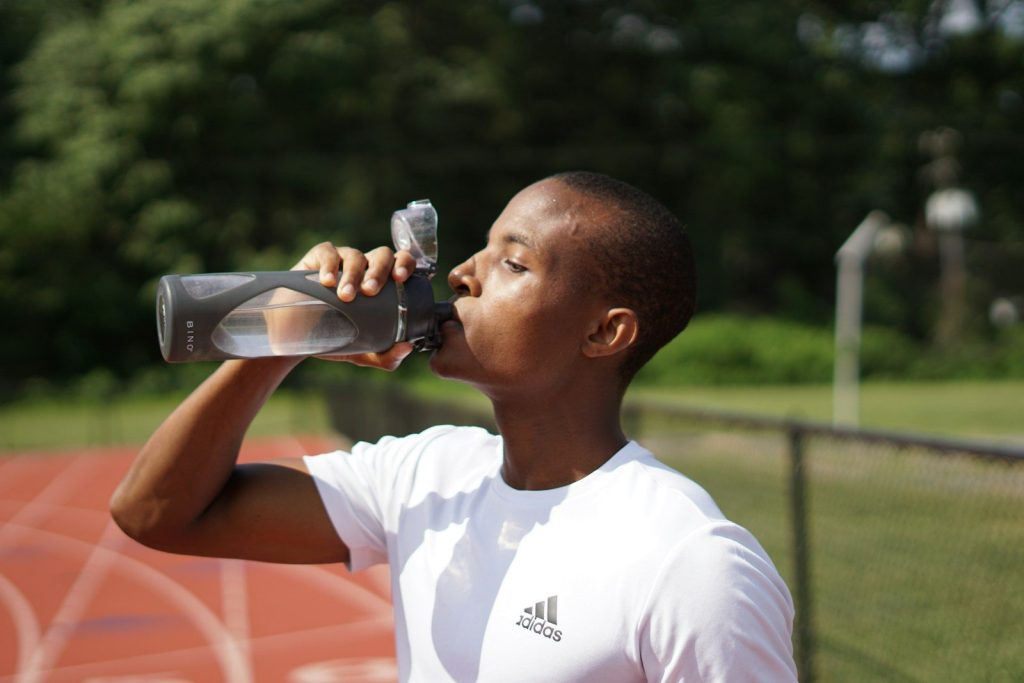
The heart works continuously to pump blood throughout the body. When hydration levels are adequate, blood generally flows more easily through the circulatory system.
That can help the heart perform its job with less effort. Water is not a replacement for medical treatment, but consistent hydration may support normal cardiovascular function over time.
3. It Supports Kidney Function
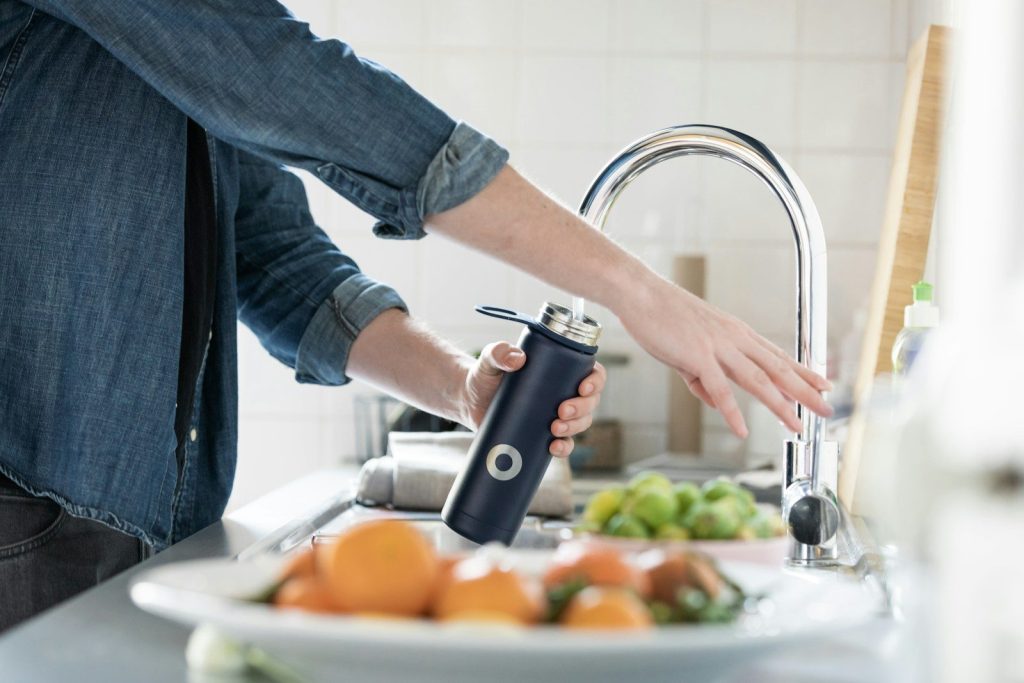
The kidneys play a major role in blood pressure control. They help regulate fluid balance and remove excess waste from the bloodstream. Proper hydration allows the kidneys to function more effectively.
When fluid intake is too low, the kidneys may have a harder time maintaining the balance of water and minerals that influences blood pressure levels.
4. It Helps Balance Sodium Levels
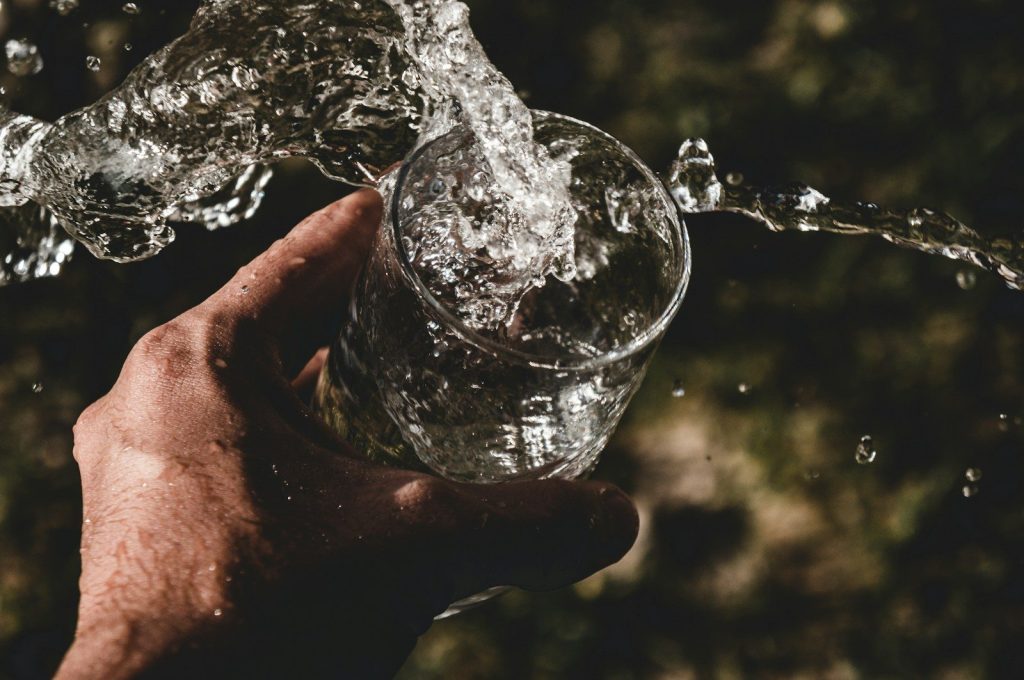
Modern diets often contain more sodium than health experts recommend. Excess sodium can contribute to higher blood pressure in many people.
Drinking enough water helps the body maintain a healthier fluid balance and assists the kidneys in processing excess sodium. Water alone cannot offset a consistently high-sodium diet, but it supports the body’s natural regulatory systems.
5. It May Improve Blood Vessel Function
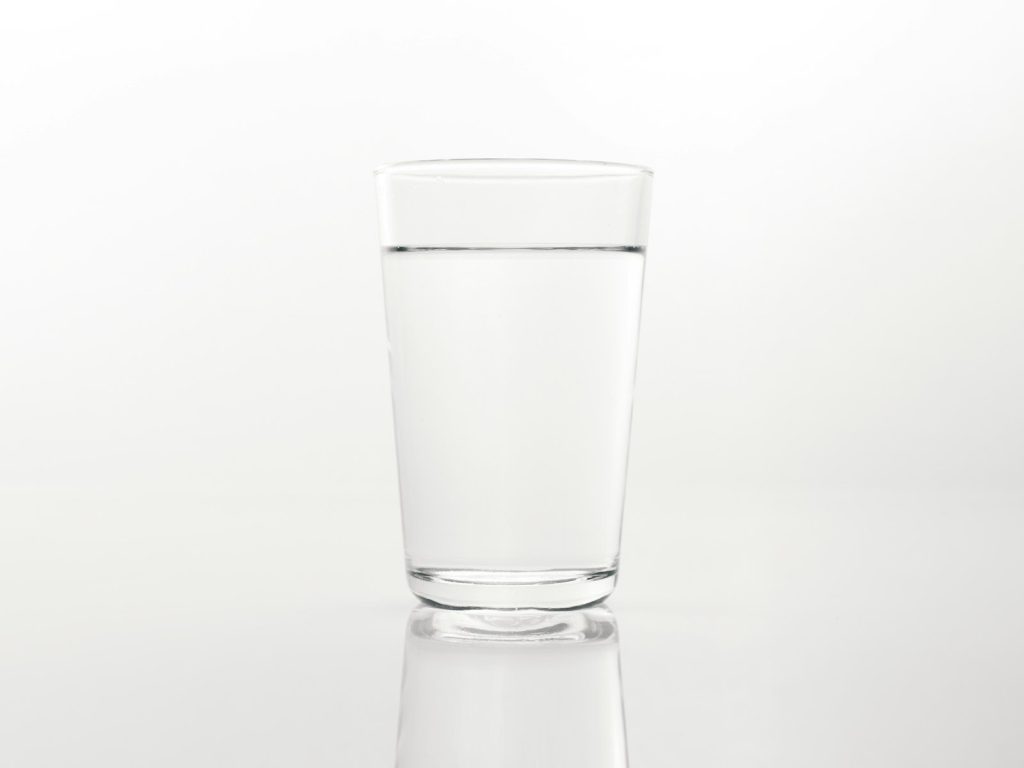
Healthy blood vessels need flexibility to expand and contract as blood moves through them. Chronic dehydration may affect how efficiently those vessels respond to changing demands.
Adequate hydration supports normal blood vessel function and circulation. Over time, that may contribute to a healthier cardiovascular environment.
6. It Can Encourage Better Lifestyle Habits

People who prioritize hydration often pay attention to other healthy routines as well. Carrying a water bottle can reduce the temptation to reach for sugary drinks, which may contribute excess calories and added sugars.
Replacing sweet beverages with water is a practical step that supports weight management, an important factor in maintaining healthy blood pressure.
7. It May Help During Physical Activity

Exercise is one of the most effective lifestyle tools for supporting healthy blood pressure. Water helps regulate body temperature and replace fluids lost through sweat.
Good hydration can improve comfort and performance during physical activity, making it easier to stick with a consistent exercise routine. Small daily habits often build into lasting health benefits.
8. It Supports the Body’s Stress Response
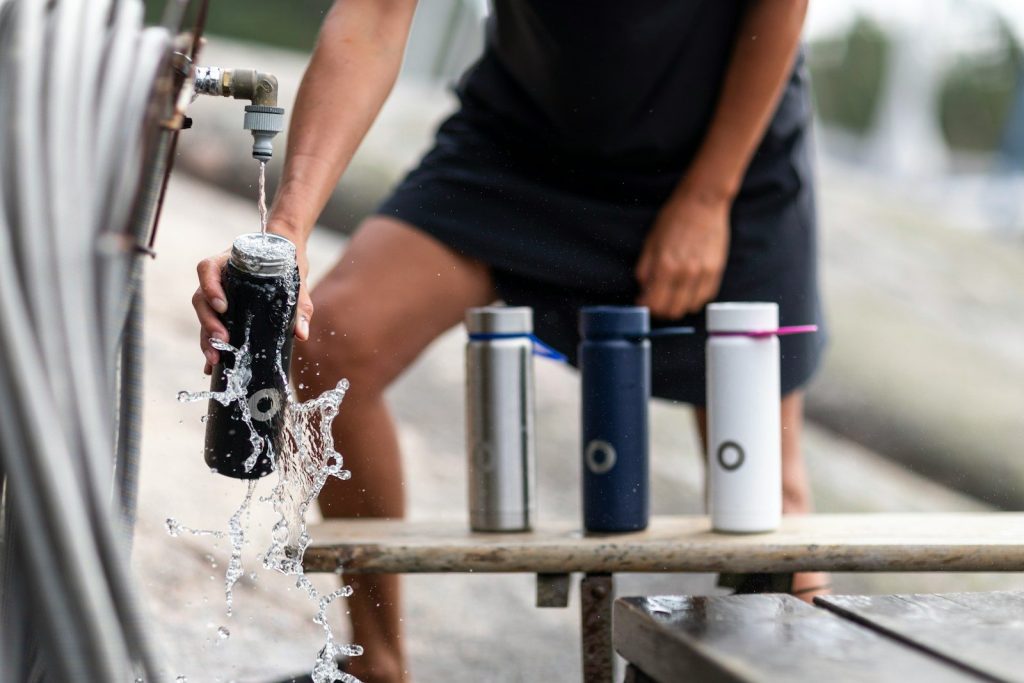
Stress can temporarily raise blood pressure. Although drinking water does not eliminate stress, dehydration can make fatigue, headaches, and physical discomfort more noticeable.
Feeling physically better may help people manage daily challenges more effectively. A glass of water is a simple step that supports overall well-being during busy or demanding days.
Consistency Makes the Difference

The benefits of hydration come from regular habits rather than occasional efforts. Most adults can support healthy hydration by drinking water throughout the day, paying attention to thirst, and increasing intake during hot weather or exercise.
Blood pressure is influenced by many factors, including genetics, diet, activity levels, and medical conditions. Water is one piece of that larger picture, yet it remains one of the easiest healthy habits to maintain.