
Small snack purchases rarely feel like a big deal, but they can quietly drain your grocery budget over time. Whether it is a bag of chips at the gas station or an afternoon vending machine stop, those little expenses often add up faster than expected.
The goal is not to stop enjoying snacks altogether. Instead, a few simple habits can help you satisfy cravings, reduce impulse spending, and make better use of the food you already have at home.
Build Your Own Snack Station
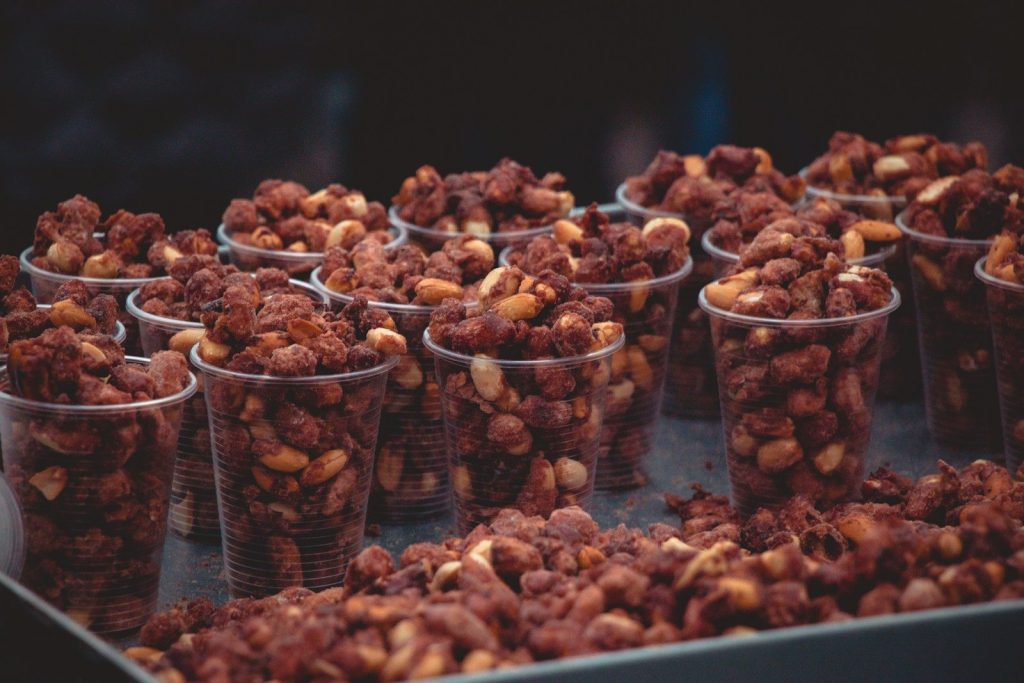
Create a dedicated shelf or basket with ready-to-eat snacks like nuts, popcorn, crackers, dried fruit, or granola bars. When everything is easy to grab, you are less tempted to buy something while you are out.
Refilling one snack station each week also helps you keep track of what you actually enjoy. That means fewer forgotten items sitting in the pantry.
Portion Snacks Before You Feel Hungry
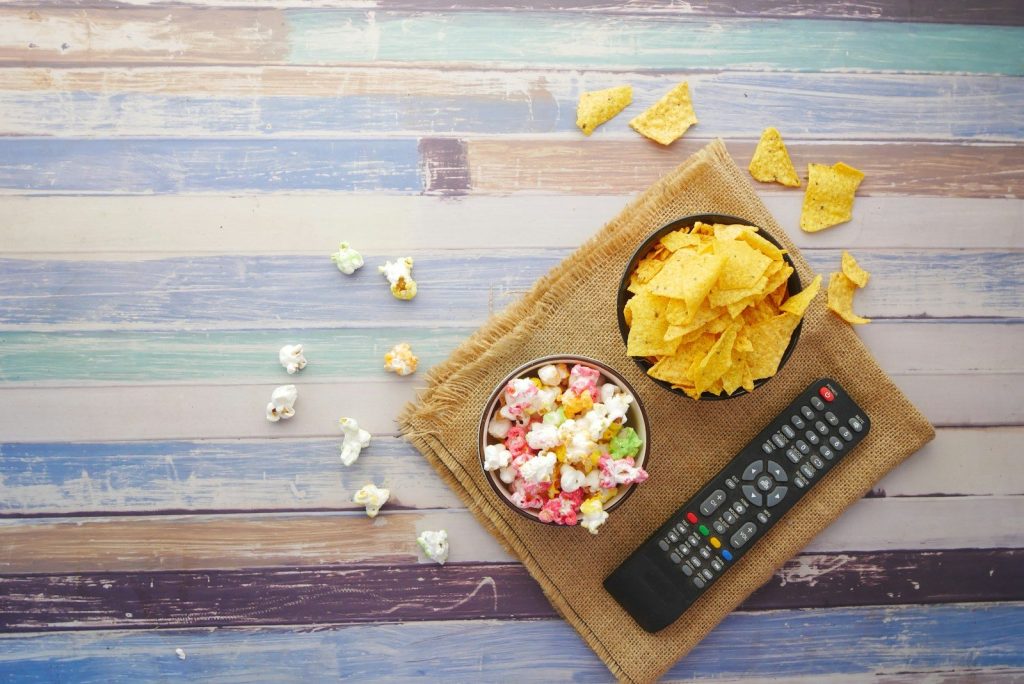
Instead of eating directly from large packages, divide snacks into reusable containers or small bags after grocery shopping. This makes it easy to grab one serving before leaving the house.
Preportioned snacks also help groceries last longer. You avoid eating more than you intended without realizing it.
Always Pack One Snack Before Leaving Home

A busy afternoon often leads to expensive convenience store purchases simply because nothing else is available. Keeping an apple, trail mix, or homemade snack in your bag gives you a cheaper option.
This small habit works especially well during errands, workdays, or long commutes. Being prepared saves both money and time.
Turn Leftovers Into Smart Snacks
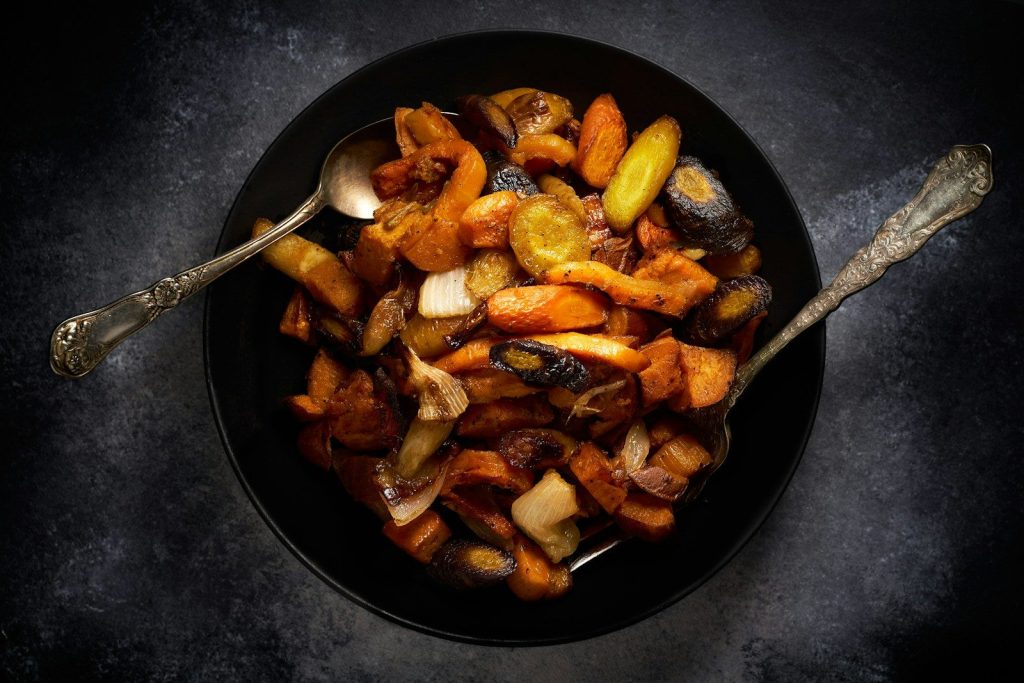
Not every snack has to come from a package. Leftover roasted vegetables, cooked chicken, fruit, yogurt, or cheese can become satisfying mini meals between larger meals.
Using leftovers creatively reduces food waste while stretching your grocery budget. It is an easy way to get more value from meals you already prepared.
Drink Something Before Buying a Snack
Sometimes thirst feels surprisingly similar to hunger, especially during busy days. Drinking a glass of water or unsweetened tea first gives you a chance to decide whether you are actually hungry.
Even if you still want a snack afterward, you are more likely to make a thoughtful choice. This simple pause often reduces impulse purchases.
Stop Shopping Hungry
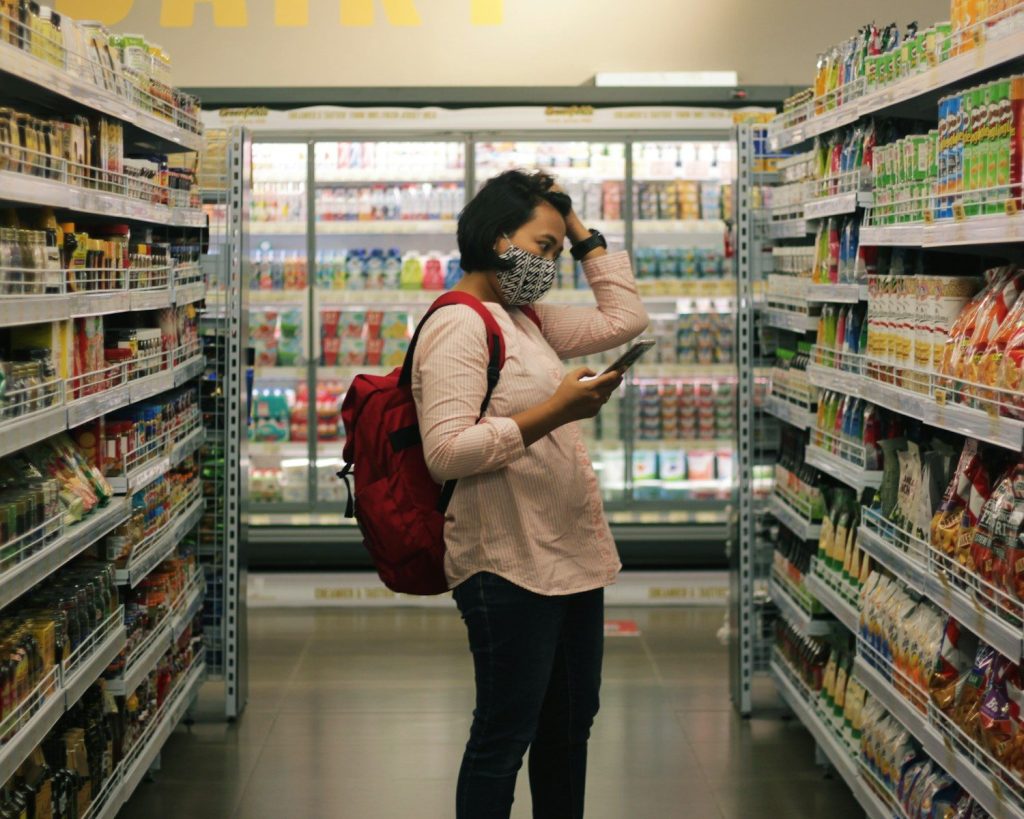
Walking into a grocery store while hungry makes snack displays much harder to resist. A light meal or quick snack before shopping can help you stick to your grocery list.
You are also less likely to fill your cart with items that looked appealing in the moment. Better decisions begin before you enter the store.
Buy Ingredients Instead of Single Serve Packs
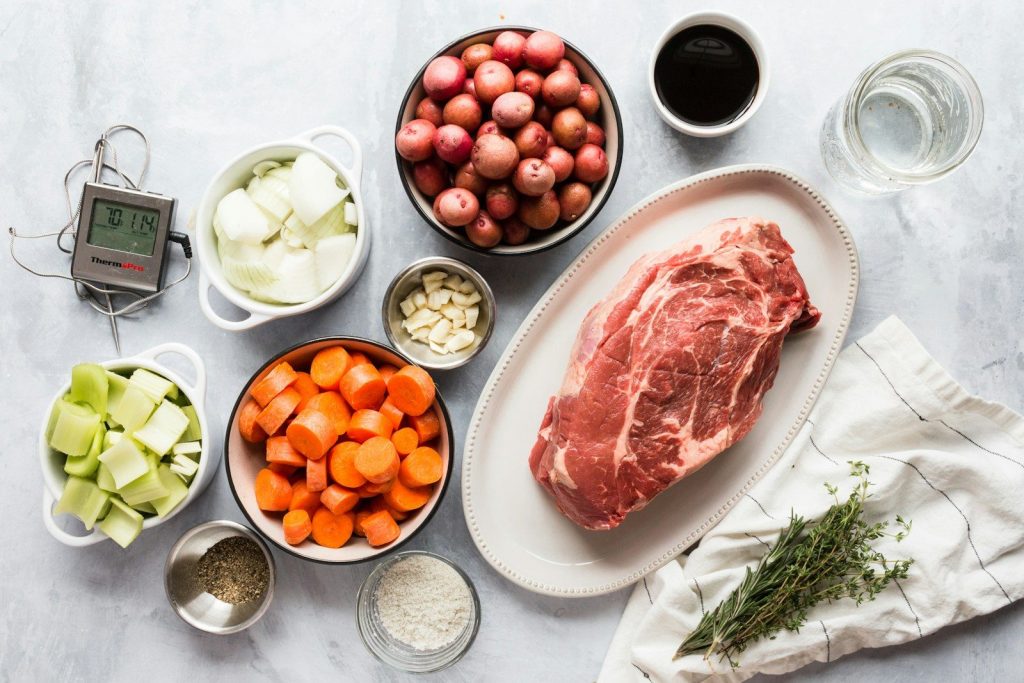
Large containers of popcorn kernels, oats, nuts, or dried fruit usually cost much less per serving than individually packaged snacks. Spending a few minutes preparing your own portions creates long-term savings.
Homemade snack packs are also easy to customize. You can mix flavors that everyone in your household actually enjoys.
Make Snacks Part of Your Grocery Plan
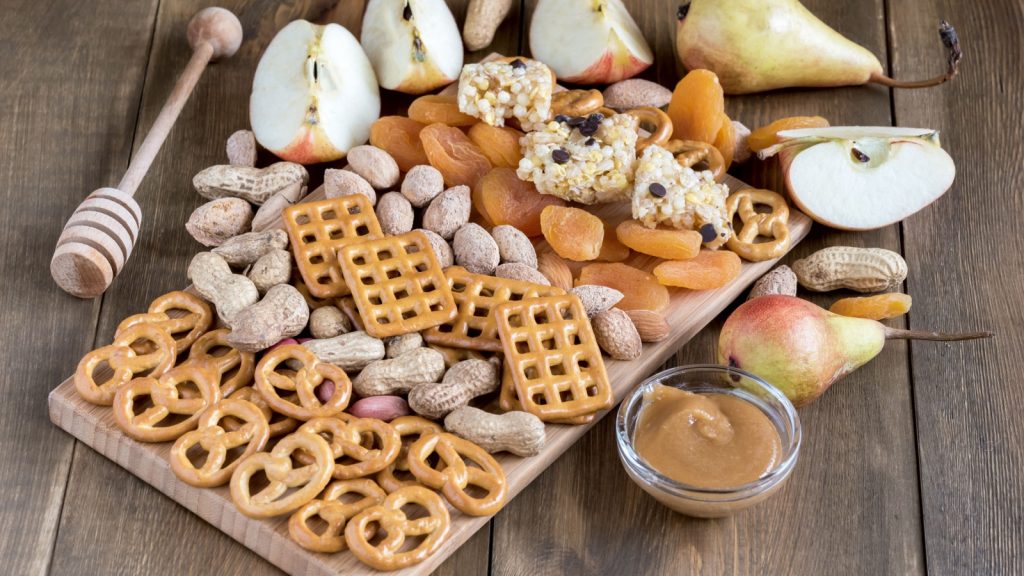
Instead of picking up treats throughout the week, include your favorite snacks in your regular grocery budget. Planning ahead helps you buy only what you truly enjoy while avoiding repeated convenience purchases.
A thoughtful snack routine does not mean giving up your favorites. It simply helps you enjoy them more while keeping everyday spending under control.