

Many purchases are not driven by real needs but by moments of boredom. Scrolling shopping apps or wandering through stores can quickly become entertainment, leading to spending that feels harmless until the receipts add up.
The good news is that boredom does not have to cost you money. A few simple habits can help you stay entertained, protect your budget, and make more intentional choices every day.
Identify Your Spending Triggers

Notice when you are most likely to browse online stores or shop without a plan. It could happen after work, during weekends, or while scrolling through social media.
Recognizing these patterns makes it easier to interrupt them before you spend. Awareness is often the first step toward changing any financial habit.
Create A List Of Free Activities
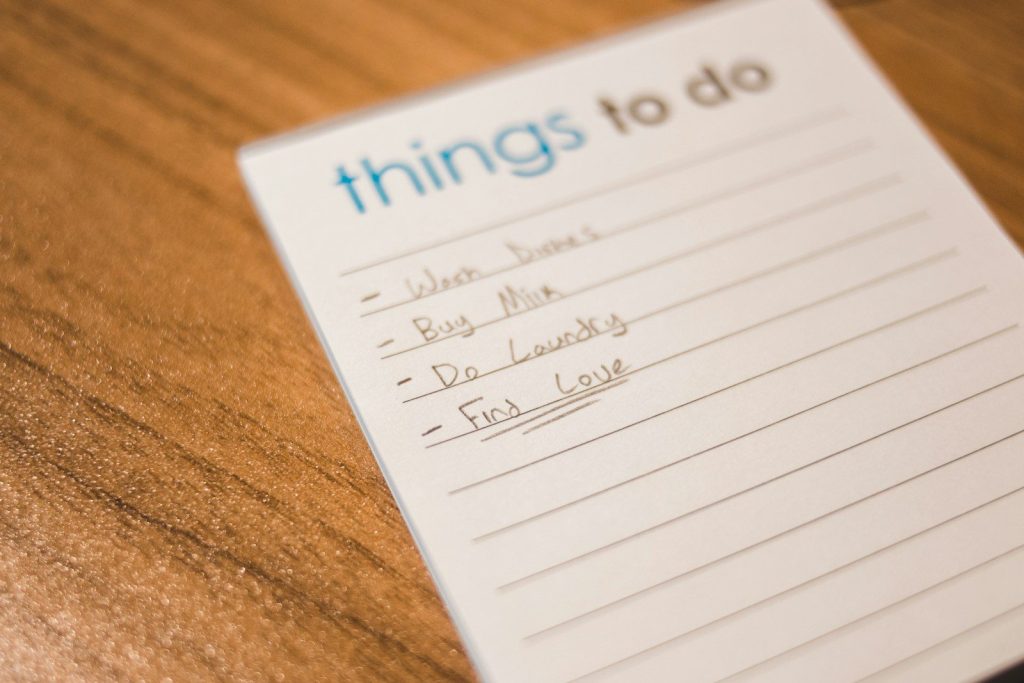
Keep a list of enjoyable things you can do without spending money. Reading, walking, gardening, drawing, baking with pantry ingredients, or organizing a room are all simple options.
Having ideas ready makes it easier to replace shopping with activities that leave you feeling productive instead of regretful.
Wait Before Buying Anything

When something catches your attention, give yourself at least twenty-four hours before purchasing it. That short pause often helps separate impulse buying from genuine need.
Many items lose their appeal after a little time. Delaying purchases can save far more money than constantly chasing sales.
Unsubscribe From Shopping Temptations

Marketing emails and shopping notifications create constant reminders to spend. Reducing those daily temptations makes it much easier to stick to your financial goals.
You cannot miss deals you never see. A quieter inbox often leads to fewer impulse purchases.
Rediscover What You Already Own

Before buying something new, look through your closet, kitchen, bookshelf, or hobby supplies. You may find forgotten items that still have plenty of value.
Using what you already have stretches your budget and reduces unnecessary clutter. Sometimes the best new discovery is something you forgot you owned.
Give Yourself A Small Personal Challenge

Challenge yourself to enjoy an entire weekend without spending money. Visit a local park, cook at home, finish a book, or complete a project you have been putting off.
Turning saving into a personal challenge makes the experience feel rewarding instead of restrictive. Small victories build lasting habits.
Set A Goal That Excites You

Saving becomes easier when you know what you are working toward. Whether it is an emergency fund, vacation, home upgrade, or debt repayment, a meaningful goal creates motivation.
Each purchase you skip brings that goal a little closer. Keeping the bigger picture in mind makes everyday decisions much easier.
Remember That Entertainment Does Not Need A Price Tag

Some of the most enjoyable moments come from conversations, hobbies, nature, or time with family and friends. These experiences often create stronger memories than another shopping trip.
Choosing meaningful activities over impulse spending helps both your finances and your daily routine. Over time, the habit of spending less becomes a natural part of living well.