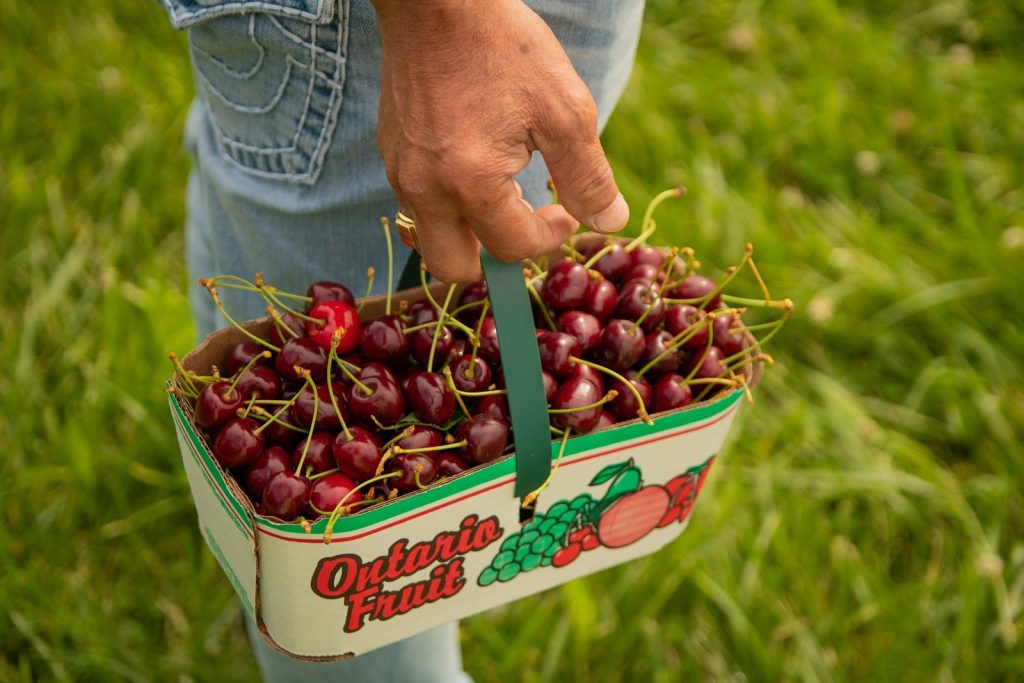

Every grocery trip is a chance to save money, but buying produce at the wrong stage of ripeness can lead to spoiled food and unnecessary waste. Learning a few simple tricks helps you bring home fruits and vegetables that stay fresh longer and get used instead of tossed.
You do not need expert knowledge to shop smarter. Paying attention to a handful of easy details can stretch your grocery budget, reduce food waste, and help every purchase deliver better value.
Check more than just the color
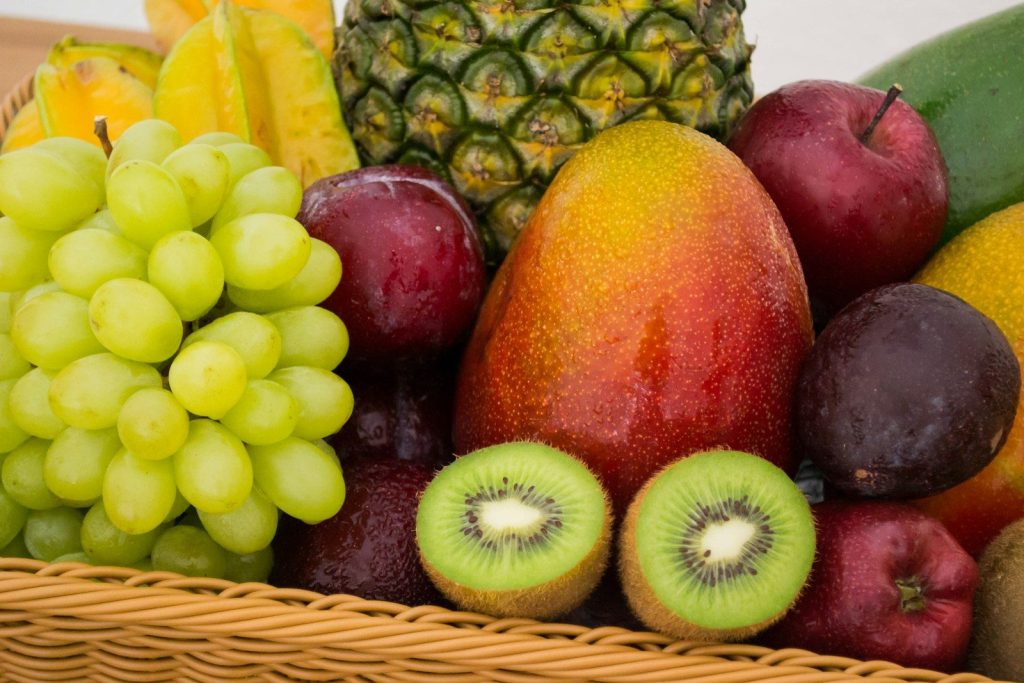
Bright colors can catch your attention, but they do not always tell the whole story. Some fruits naturally change color as they ripen, while others may look ready long before they taste their best.
Look at several signs before making your choice. Taking a few extra seconds in the produce aisle can help you avoid buying items that spoil before you have a chance to enjoy them.
Feel for the right firmness
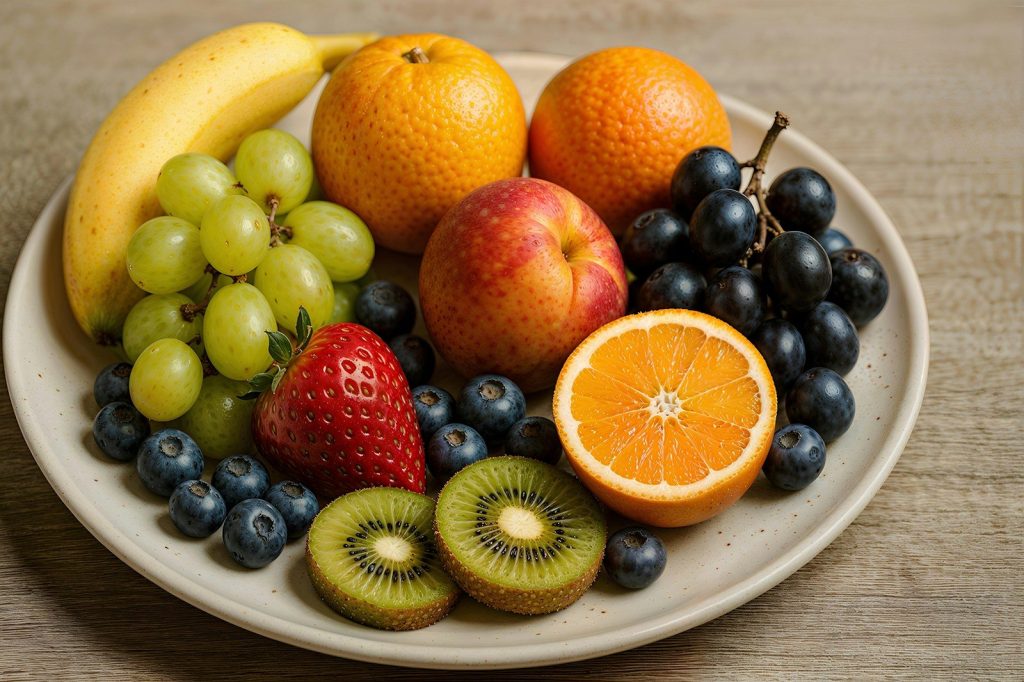
A gentle squeeze often reveals whether produce is ready to eat or needs more time. Many fruits should give slightly under light pressure, while most vegetables should feel firm and crisp.
Choosing produce with the right texture means it is more likely to last as expected once you get home. That helps reduce waste and keeps you from replacing food sooner than necessary.
Let your nose help you shop
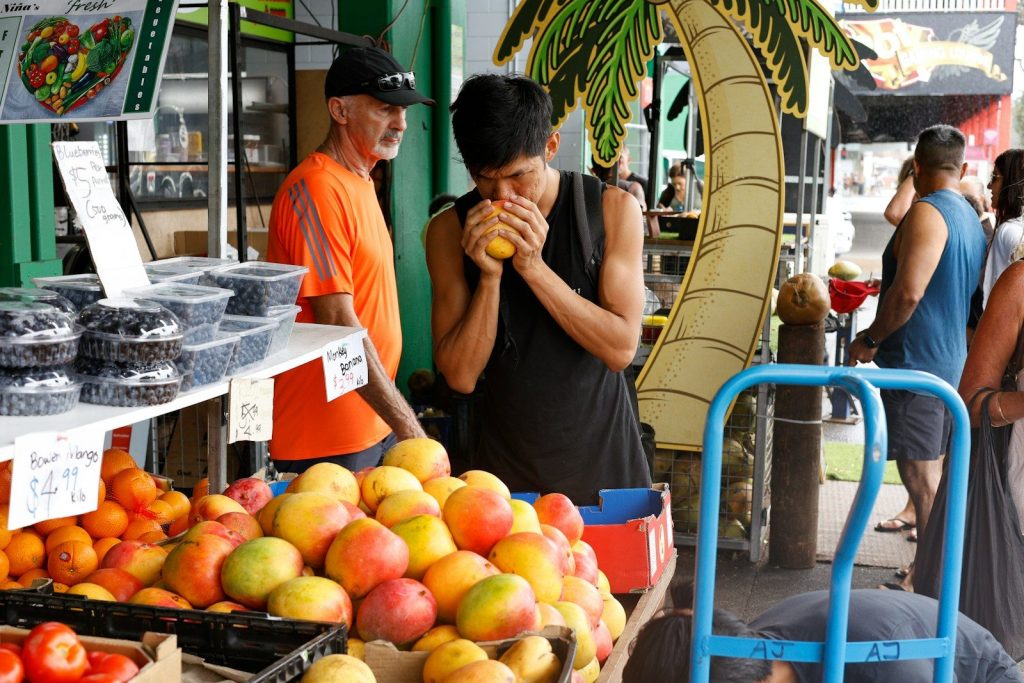
Many ripe fruits develop a pleasant natural aroma that signals they are close to their best flavor. If there is no scent at all, the fruit may need a few more days before it is ready.
An overly strong smell can be a warning that the fruit is already past its peak. Using your sense of smell can help you avoid paying for produce with only a short shelf life.
Buy for today and later this week

Not everything in your cart needs to be perfectly ripe on shopping day. Choosing a mix of ready-to-eat produce and items that need a few more days helps spread meals throughout the week.
This simple habit keeps fresh food available longer. It also reduces the chance of several fruits or vegetables becoming overripe at the same time.
Choose produce that feels heavy
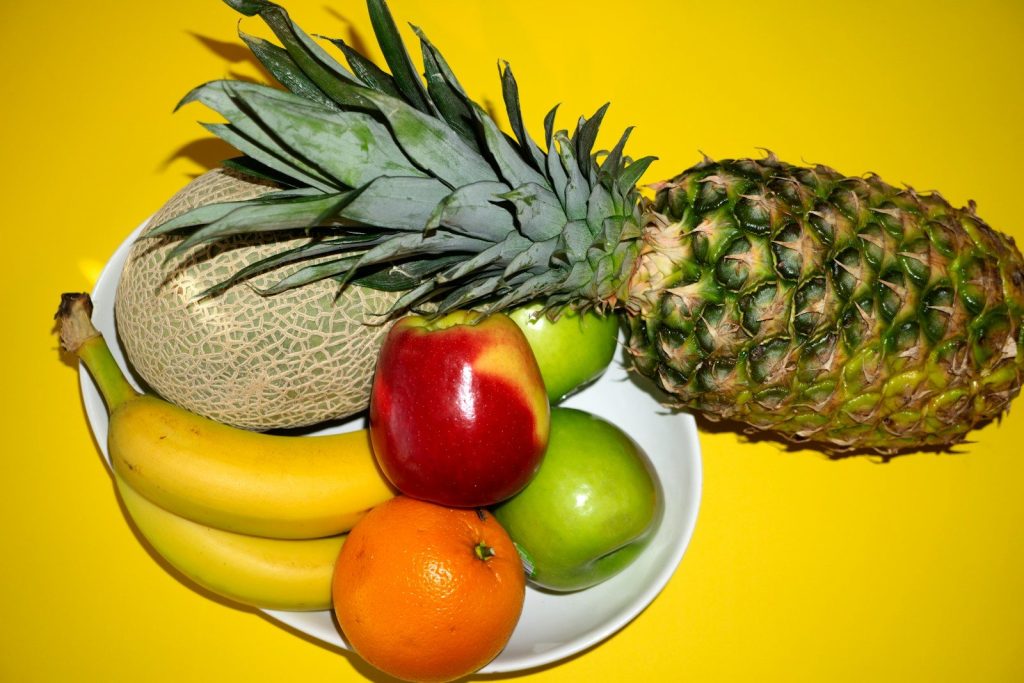
Fruits and vegetables that feel heavier than they look often contain more moisture and freshness. Comparing similar-sized items can help you spot better quality without reading labels.
Fresh produce usually lasts longer and delivers better texture in meals. A few careful comparisons can make every grocery dollar work harder.
Store each item the right way
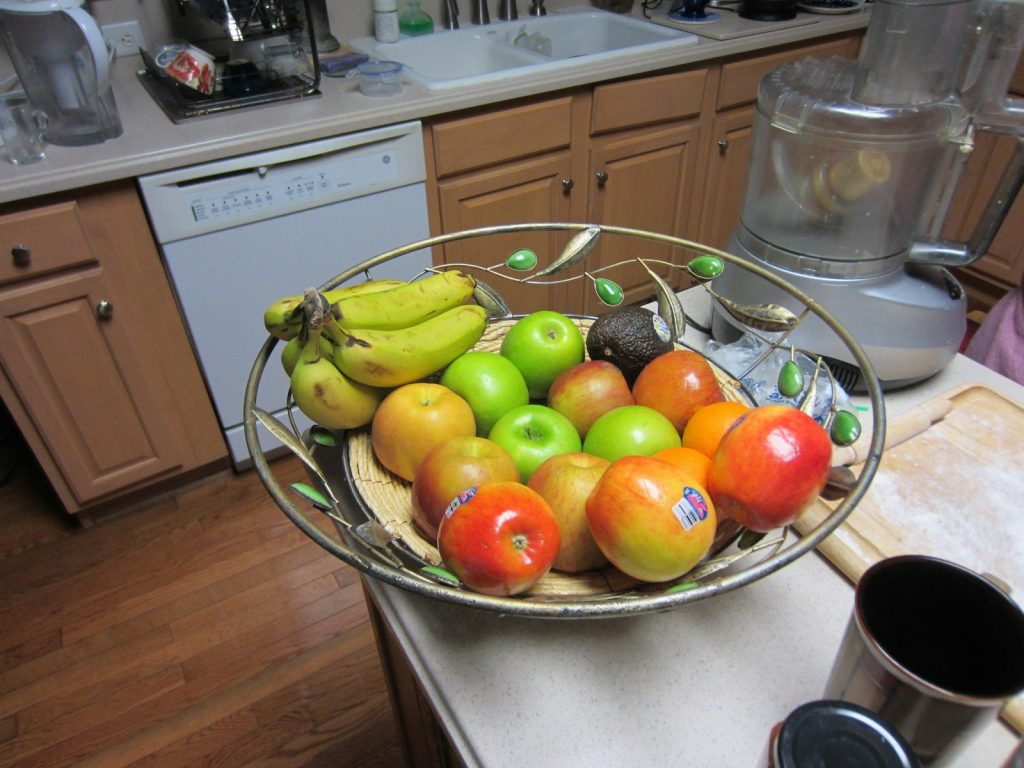
Even perfectly ripe produce can spoil quickly if stored incorrectly. Some fruits belong on the counter until they finish ripening, while others stay fresher in the refrigerator.
Knowing where each item belongs extends freshness and reduces waste. Better storage means fewer forgotten fruits and vegetables ending up in the trash.
Plan meals around ripeness
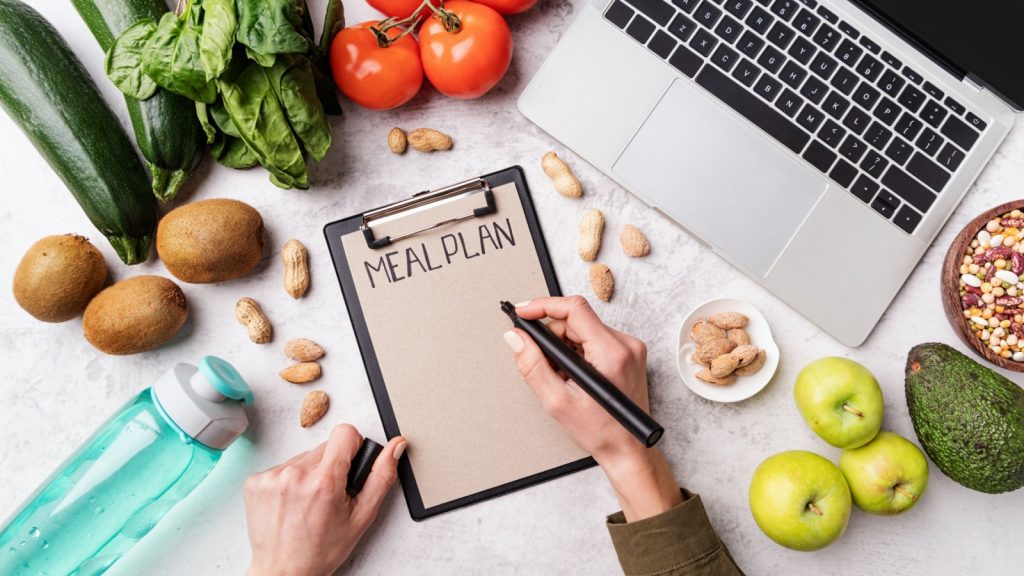
Use produce that is already ripe first and save firmer items for later in the week. This simple rotation prevents food from sitting untouched until it becomes unusable.
Building meals around what needs to be eaten first is one of the easiest ways to stretch your grocery budget. It also makes weekly meal planning much simpler.
Turn better shopping into lasting savings
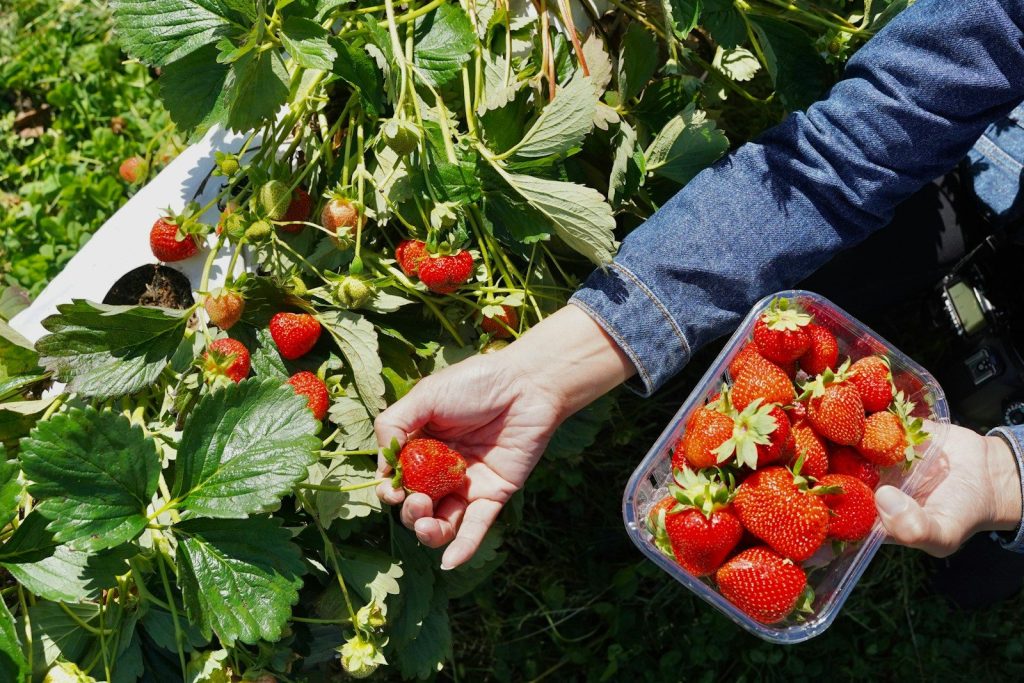
Picking ripe produce is about more than enjoying better flavor. It helps reduce food waste, avoid unnecessary replacement purchases, and make every grocery trip more worthwhile.
Small shopping habits can create noticeable savings over time. Choosing wisely, storing produce correctly, and using it at the right time helps every fruit and vegetable deliver its full value.
Featured Image: Photo by Ish de Loyola on Unsplash