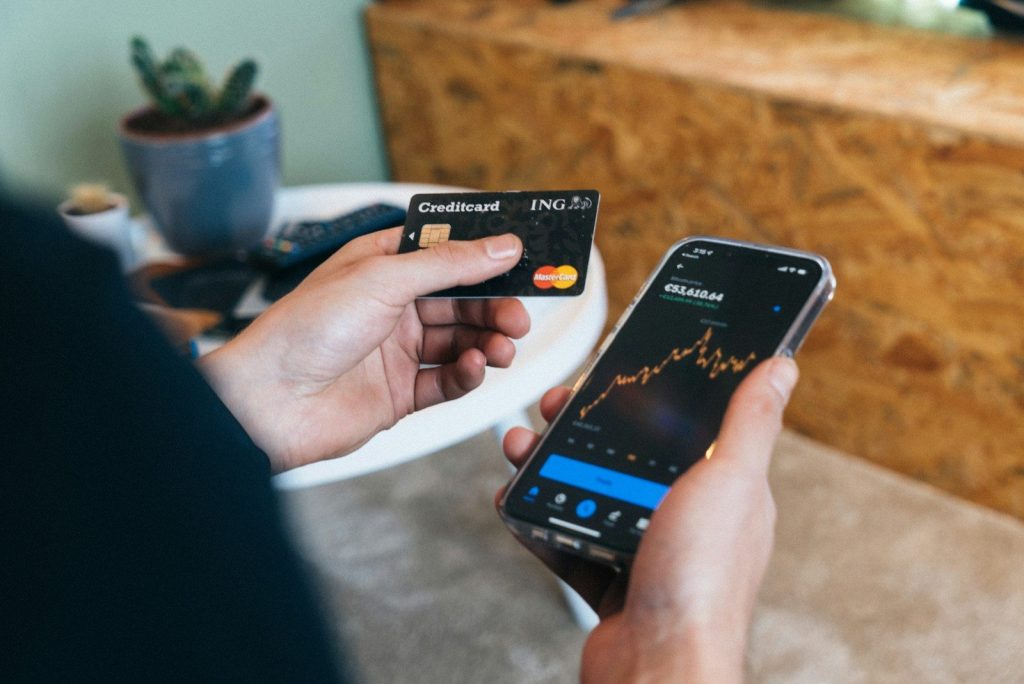

That old credit card sitting in your wallet may seem unimportant, but ignoring it completely could affect more than you realize. A card you barely use can influence your credit profile, reward opportunities, and even future borrowing costs.
Managing unused credit wisely is not about spending more money. It is about protecting your financial health while making every account work in your favor.
An inactive card can be closed without warning
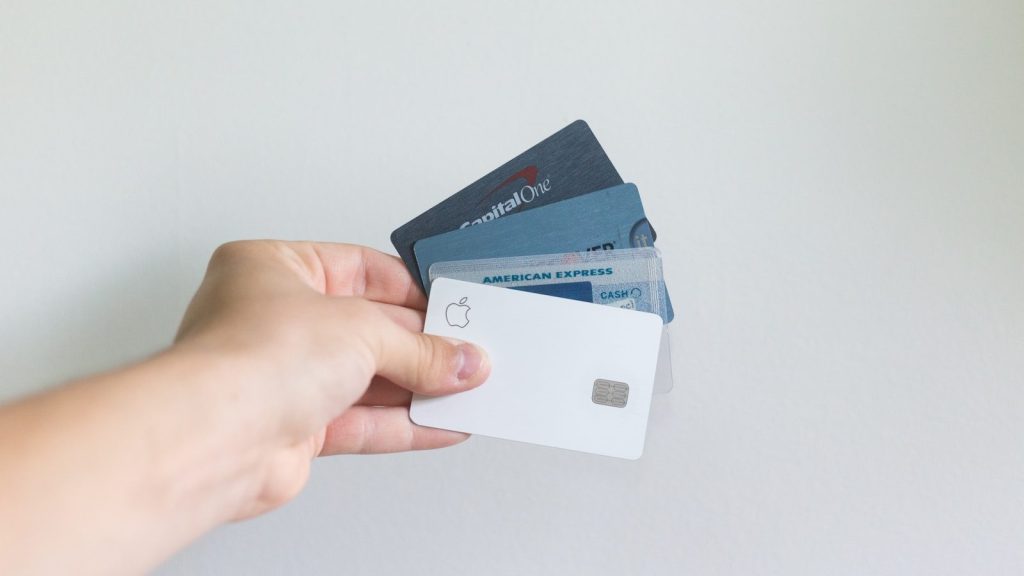
Some banks eventually close accounts that remain inactive for long periods. Losing an older account may shorten your average credit history, which can affect your credit score.
A small purchase every few months is often enough to keep the account active. Setting a calendar reminder makes this easy without encouraging unnecessary spending.
Use it for one recurring bill
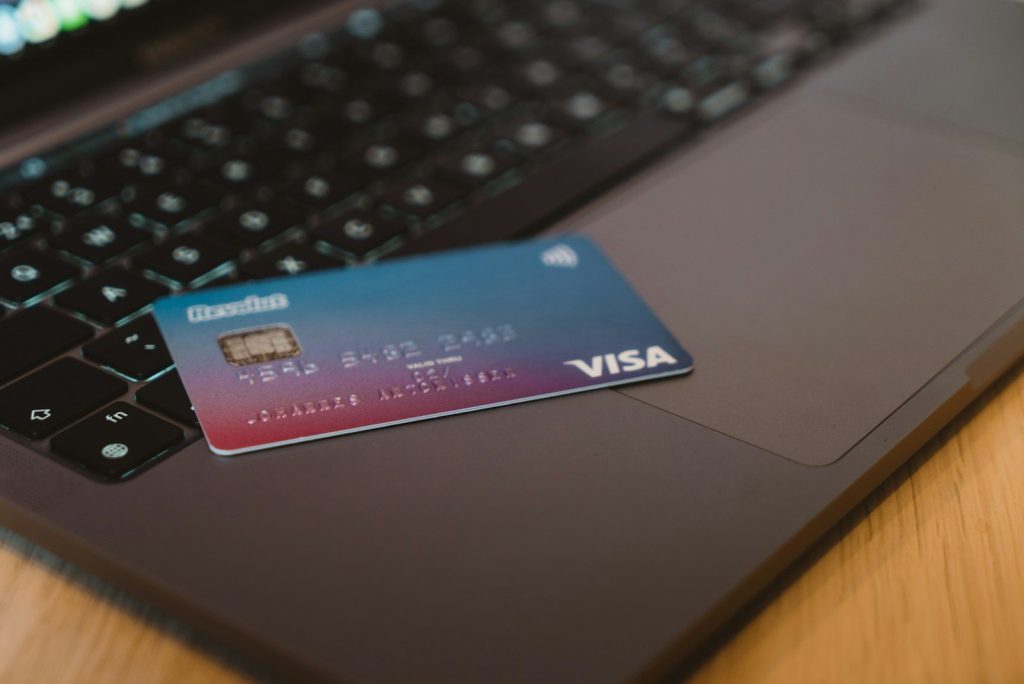
Instead of leaving the card untouched, assign it to a small monthly subscription or utility payment. This keeps the account active with very little effort.
Choose a predictable expense that already fits your budget. Then pay the balance in full every month to avoid interest charges.
Keep your available credit working for you
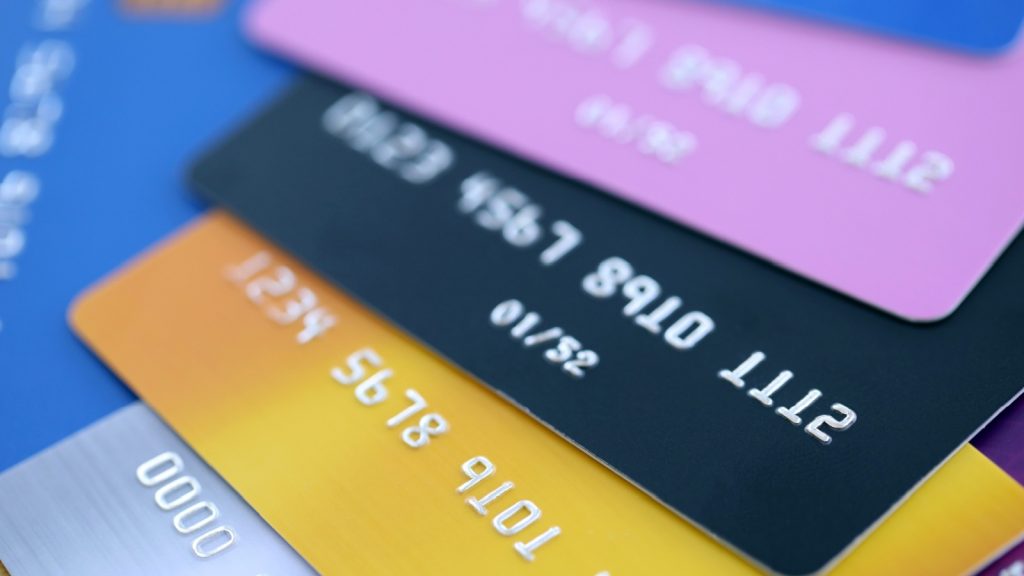
Unused credit contributes to your overall available credit limit. A higher amount of available credit can help lower your credit utilization when balances stay low.
Closing an account may reduce that available credit overnight. Maintaining responsible access often supports stronger long term credit health.
Watch for annual fees that no longer make sense

Some older cards charge annual fees even when they provide little value. Paying for benefits you never use quietly increases your yearly expenses.
Review your account once a year to see whether the rewards still justify the cost. If not, ask about changing to a no-fee version before canceling.
Check whether rewards are expiring

Reward points or cash back may expire if an account stays inactive too long. Many people lose valuable rewards simply because they forgot the account existed.
Redeeming rewards regularly helps you enjoy the value you already earned. Even a small statement credit puts money back into your budget.
Monitor every account for unexpected activity

An unused card can become an easy target for fraud because unusual charges may go unnoticed. Reviewing statements each month helps you spot suspicious activity quickly.
Most issuers also allow transaction alerts by email or text. These notifications provide extra peace of mind with very little effort.
Update automatic payments when necessary

If your rarely used card expires or is replaced, automatic payments connected to it may fail. Missed payments can create unnecessary late fees or service interruptions.
Keep a simple list of subscriptions linked to each card. Updating that list whenever your card changes saves time and prevents surprises.
Treat every credit account as a financial tool

Every credit card should have a purpose, even if it stays in your wallet most of the year. Some protect your credit history while others earn rewards or provide emergency flexibility.
Review your cards annually and decide whether each one still earns its place. Smart management often delivers greater financial benefits than simply opening new accounts.
Featured Image: Photo by CardMapr.nl on Unsplash