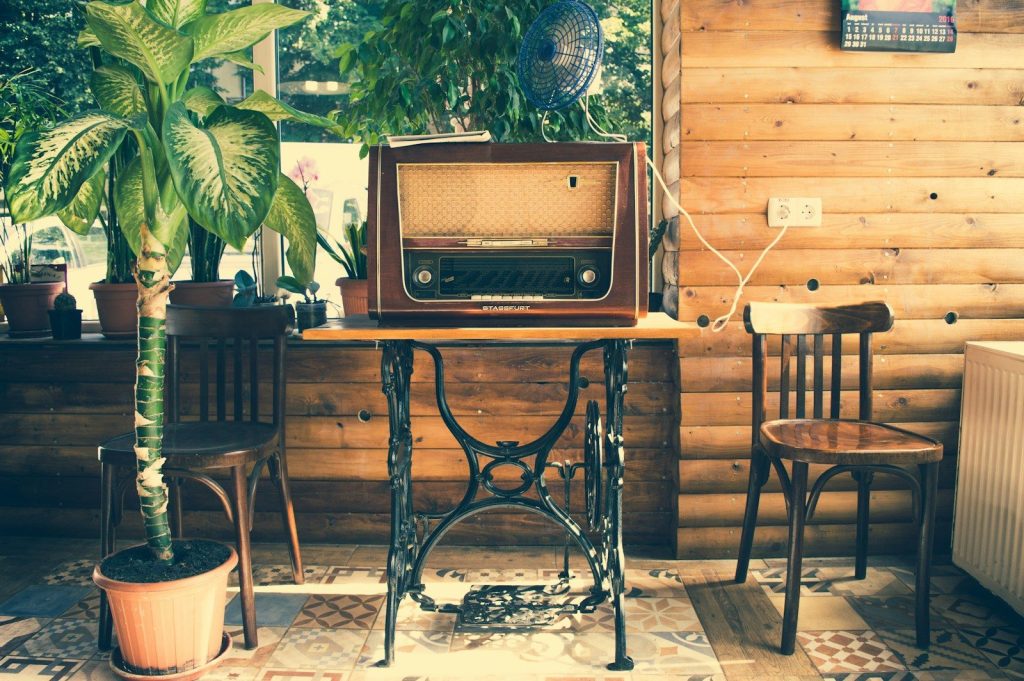

Furnishing a home does not always require a trip to a furniture showroom. Many shoppers are discovering that gently used pieces can offer better quality, more character, and significant savings compared to buying everything brand new.
The key is knowing what to look for before you make a purchase. A thoughtful approach helps you stretch your budget while creating a home that feels unique and comfortable.
Older Furniture Is Often Built to Last
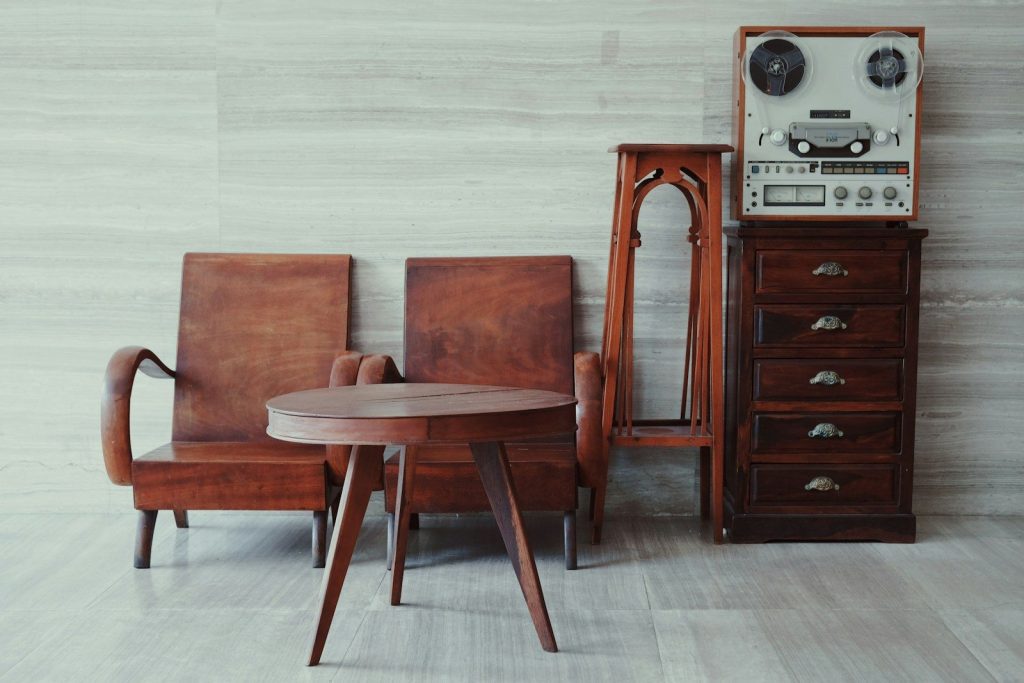
Many vintage and secondhand pieces were made with solid wood instead of lightweight composite materials. Even after years of use, sturdy construction can outlast some newer budget furniture.
Checking joints, drawers, and legs carefully helps you spot quality that is worth bringing home. Good craftsmanship often survives changing decorating trends.
You Can Save More Than You Expect
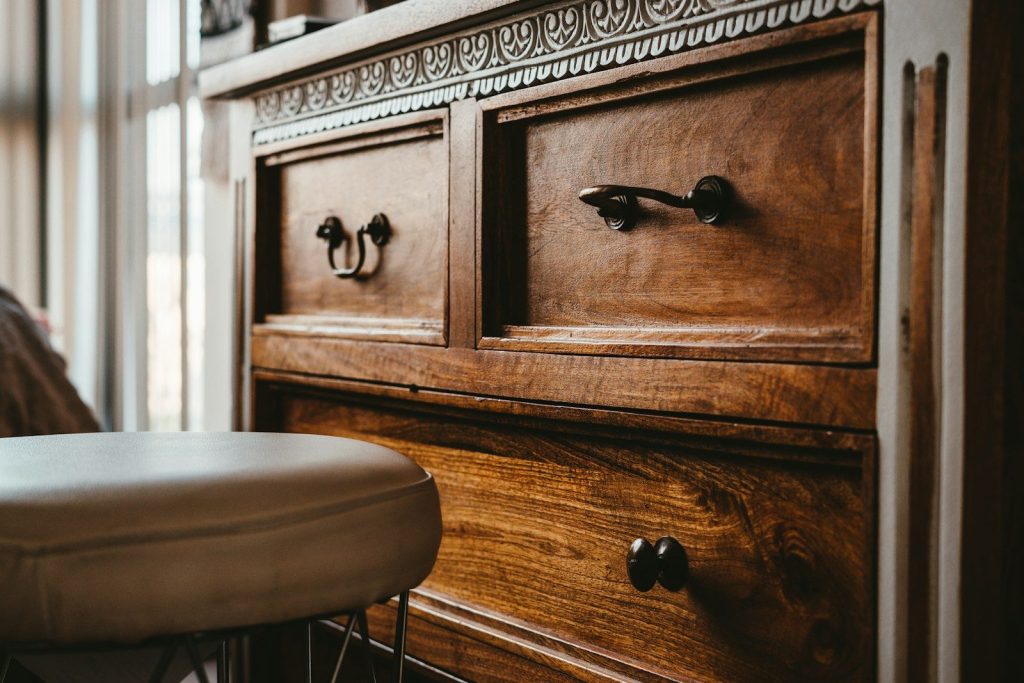
Secondhand furniture frequently costs a fraction of its original retail price. That means your decorating budget can stretch much further without sacrificing style.
The money you save can go toward better lighting, comfortable bedding, or other home upgrades. Spending less on furniture creates room for smarter purchases elsewhere.
Every Piece Has More Personality
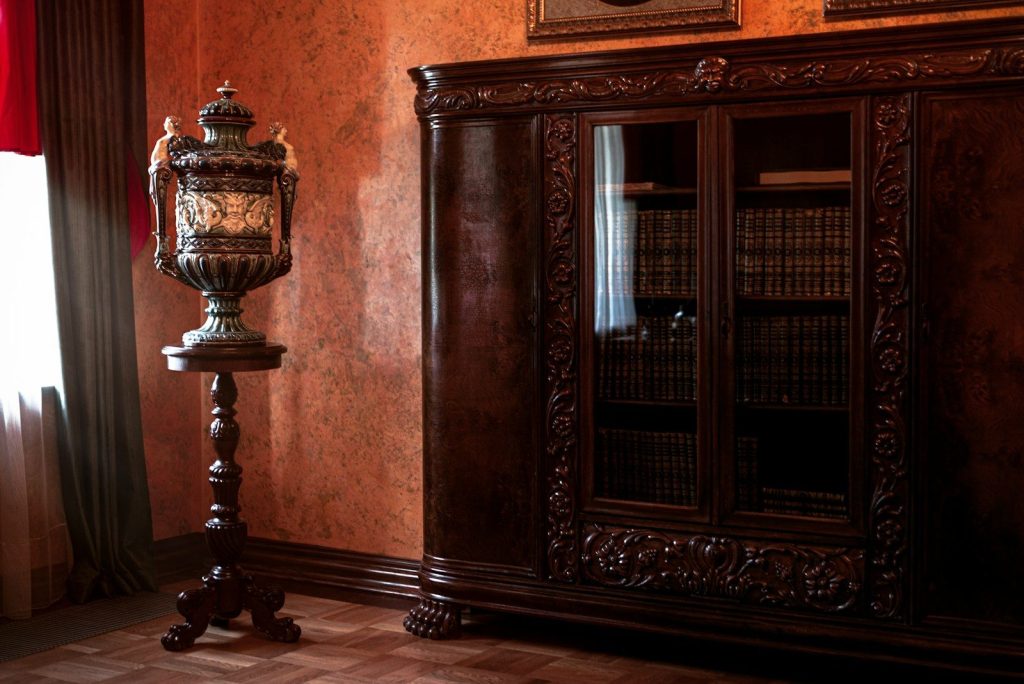
Shopping secondhand introduces you to styles, finishes, and designs that are rarely found in large furniture stores. Unique details often become conversation starters in your home.
Instead of copying a showroom display, you create a space that reflects your own taste. Mixing old and new pieces also gives rooms a more collected appearance.
Small Repairs Can Create Big Value
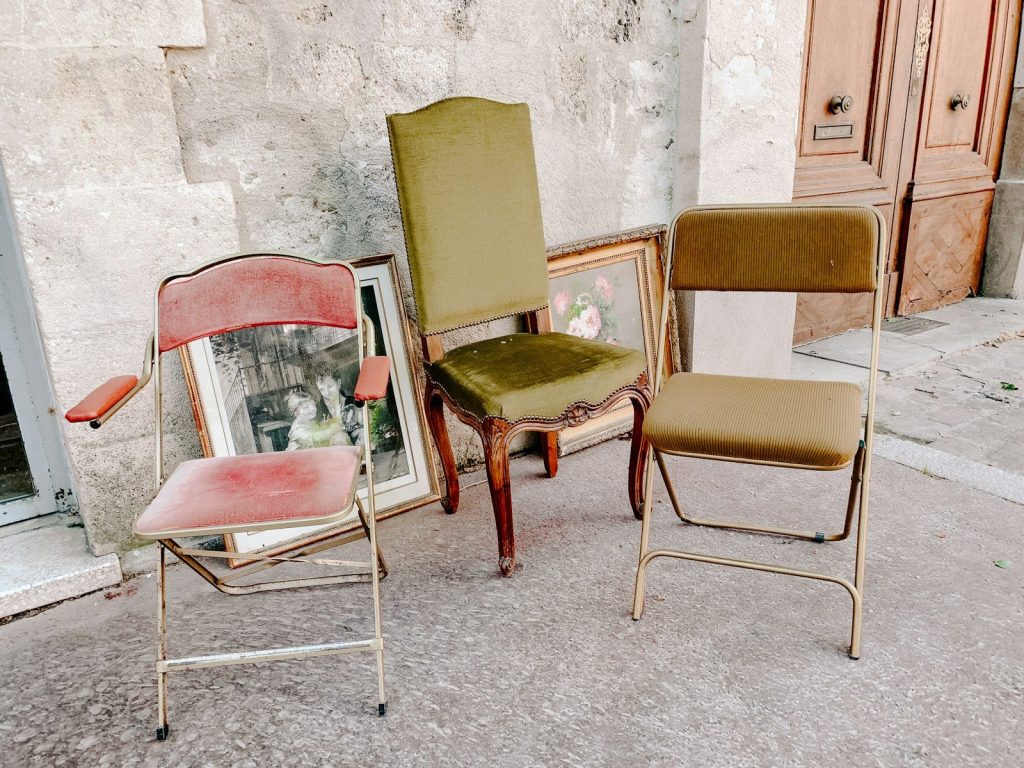
Do not overlook furniture because of minor scratches or worn hardware. Replacing knobs, polishing wood, or applying fresh paint can completely refresh many pieces with minimal effort.
Simple improvements often cost far less than buying something new. A little creativity can transform an overlooked find into a favorite piece.
Shopping Used Reduces Waste
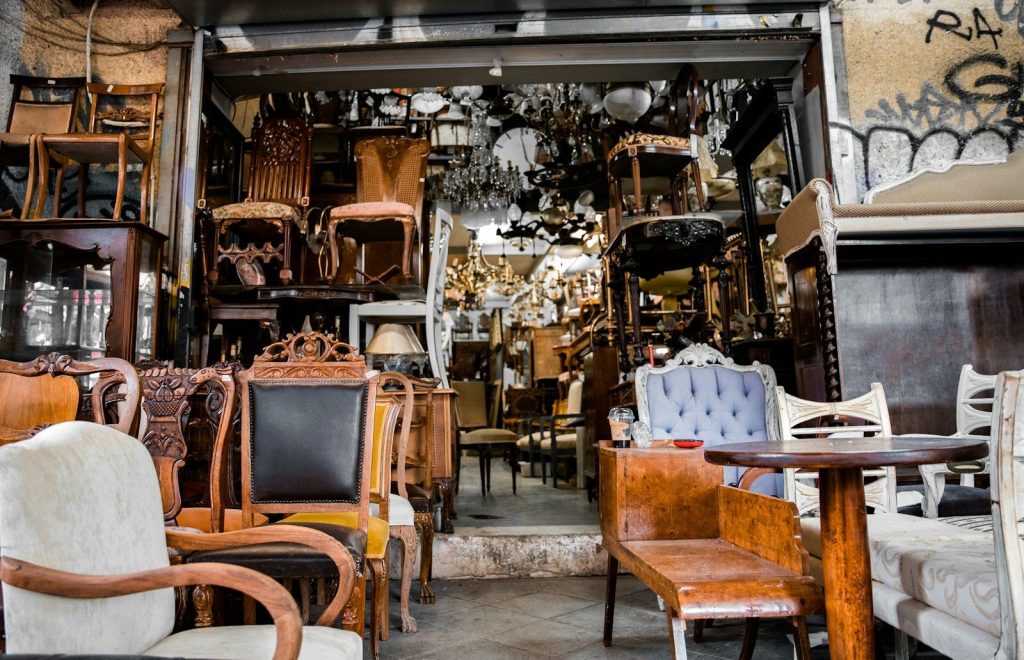
Choosing secondhand furniture gives existing items a longer life instead of sending them to a landfill. It is a practical way to furnish your home while making use of resources that already exist.
Reusing quality furniture supports a more thoughtful approach to decorating. It benefits both your budget and the environment.
Know What to Avoid
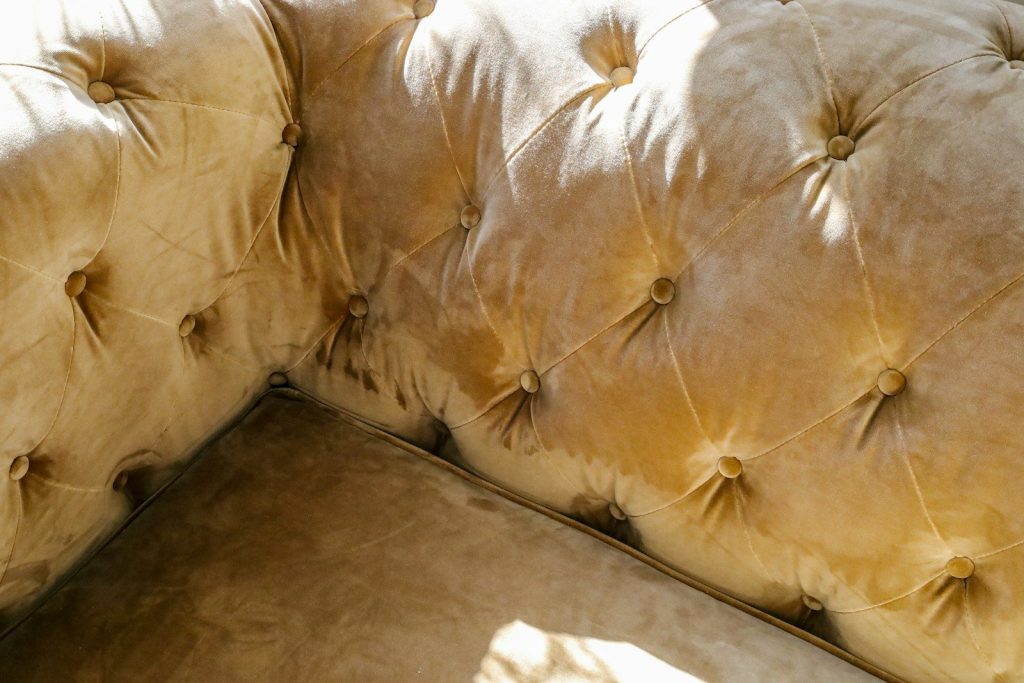
Not every secondhand purchase is a bargain. Upholstered furniture with stains, strong odors, pest concerns, or structural damage may cost more to repair than replace.
Inspect every item carefully before buying. Walking away from a poor-quality piece is often the smartest financial decision.
Measure Before You Shop
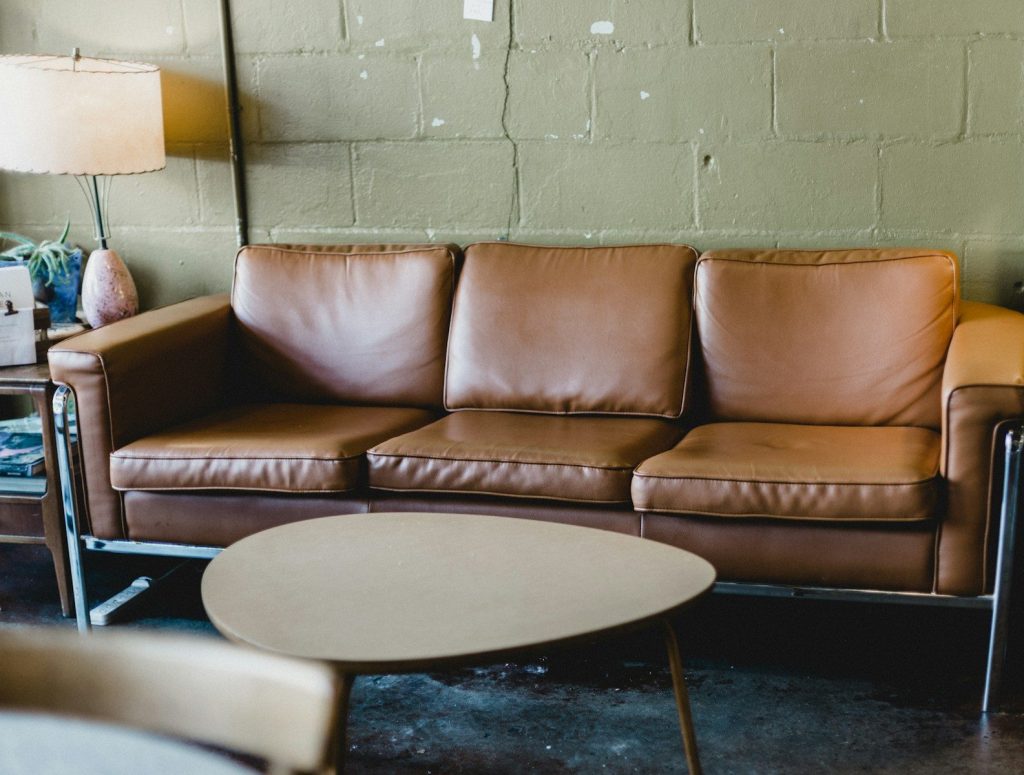
A beautiful sofa is not a bargain if it cannot fit through your doorway. Measure your available space, hallways, and vehicle before making any purchase.
Keeping measurements on your phone helps you shop with confidence. It also prevents expensive transportation mistakes or unnecessary returns.
Buy Slowly Instead of Filling Every Room
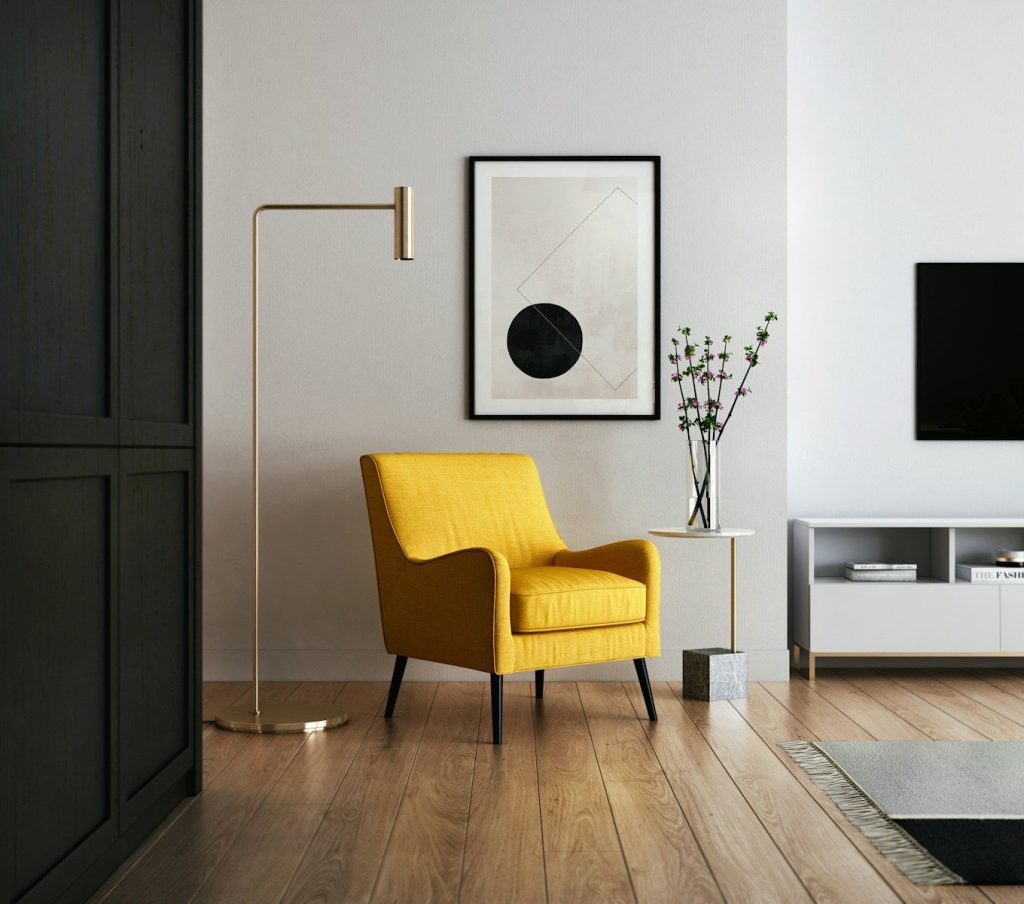
You do not have to furnish an entire home in one weekend. Waiting for the right secondhand piece often leads to better quality and greater savings than buying the first option you see.
Patient shoppers usually build homes with more character and less financial stress. Taking your time allows every purchase to feel intentional while making the most of your decorating budget.