
Moving to a new home can feel exciting until the packing starts. Between organizing your belongings, hiring movers, and setting up a new space, small mistakes can quickly become expensive.
The smoothest moves are usually planned by people who focus on simple habits instead of last-minute decisions. These practical ideas help reduce waste, protect your belongings, and make settling into your new home much easier.
Declutter Before You Pack
Packing everything you own may seem easier than making decisions, but every extra box costs time, effort, and sometimes money. Go through each room and separate items you no longer use before packing begins.
Donate, sell, or recycle anything that has not served a purpose in a long time. Fewer belongings mean fewer boxes, lower moving costs, and a much simpler unpacking process.
Pack One Room at a Time
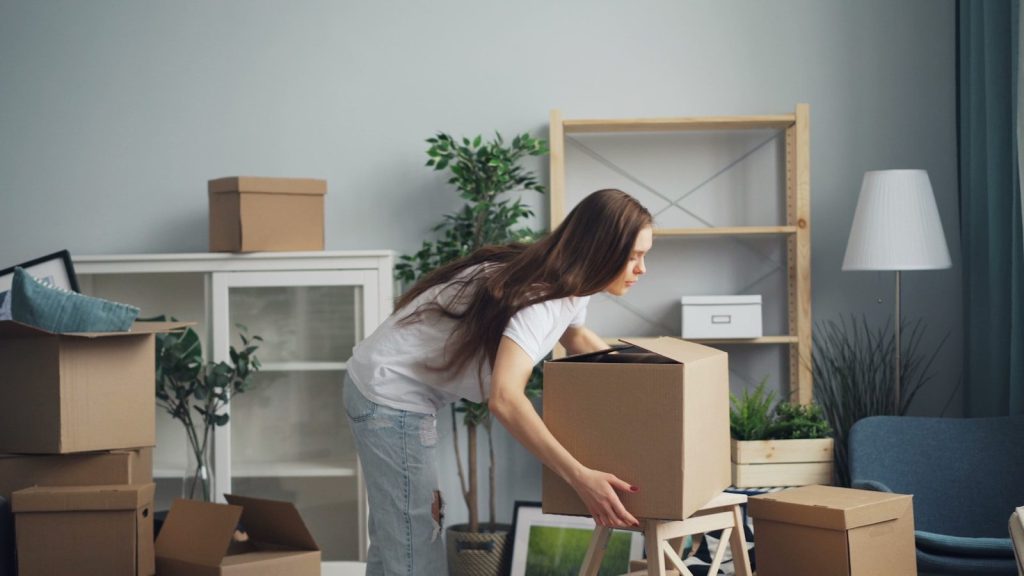
Jumping between rooms often creates confusion and misplaced items. Finish packing one complete room before moving to the next so every box has a clear purpose.
Label each box with both the room name and a short list of its contents. This small step saves hours when you begin unpacking in your new home.
Create a First Night Box

After a long moving day, searching through dozens of boxes for toothpaste or phone chargers is frustrating. Pack one clearly marked box with everything you will need during your first twenty-four hours.
Include toiletries, medications, chargers, basic kitchen supplies, snacks, towels, and a change of clothes. Having essentials close by helps your first evening feel much less stressful.
Use What You Already Have as Packing Material
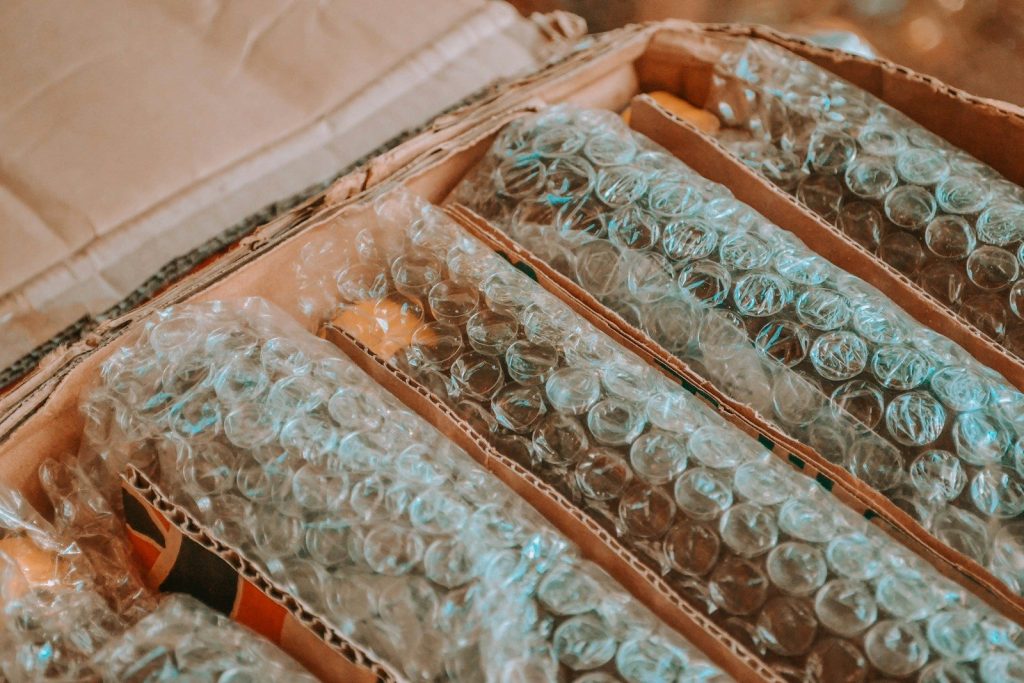
There is no need to buy large amounts of bubble wrap for every fragile item. Towels, blankets, sweaters, and even clean socks provide excellent cushioning for dishes and decorative pieces.
This approach protects your belongings while reducing waste and avoiding unnecessary packing supply expenses. It is one of the easiest ways to move more efficiently.
Take Photos Before Disconnecting Everything

Electronic cables can quickly become confusing once everything is unplugged. Before disconnecting televisions, computers, or entertainment systems, take clear photos of how everything is connected.
These pictures become a simple guide during setup and eliminate unnecessary guesswork. You will spend less time solving problems and more time getting comfortable.
Schedule Utilities Before Moving Day
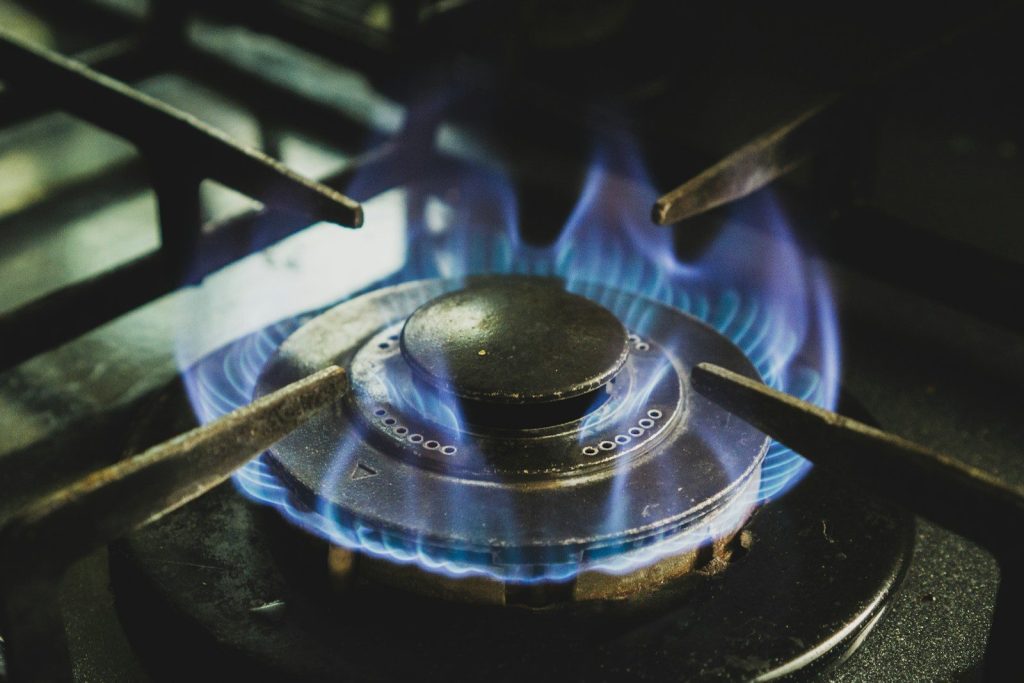
Many people remember electricity but forget smaller services until after they arrive. Arrange internet, water, gas, and other essential services several weeks before your moving date whenever possible.
Walking into a fully functioning home makes the transition much smoother. It also prevents unexpected fees for rushed service appointments.
Measure Before You Move Large Furniture
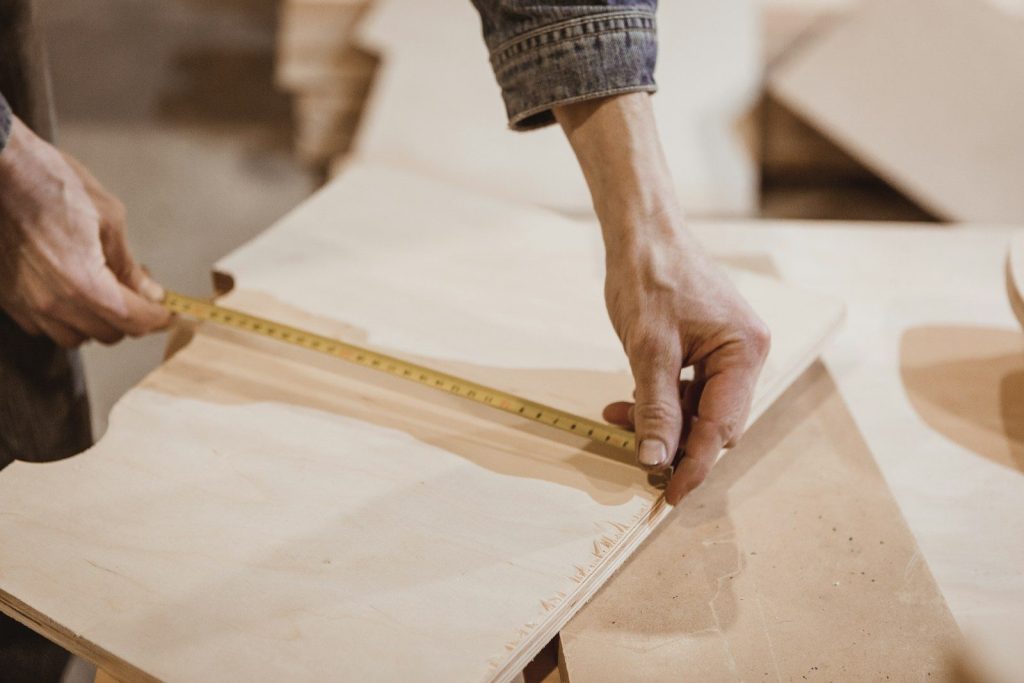
A beautiful sofa is not very useful if it cannot fit through the front door. Measure large furniture along with doorways, staircases, and elevators before moving day arrives.
Knowing these measurements early prevents damage to furniture and walls. It also helps avoid paying movers extra for unexpected delays.
Unpack With a Purpose Instead of Speed
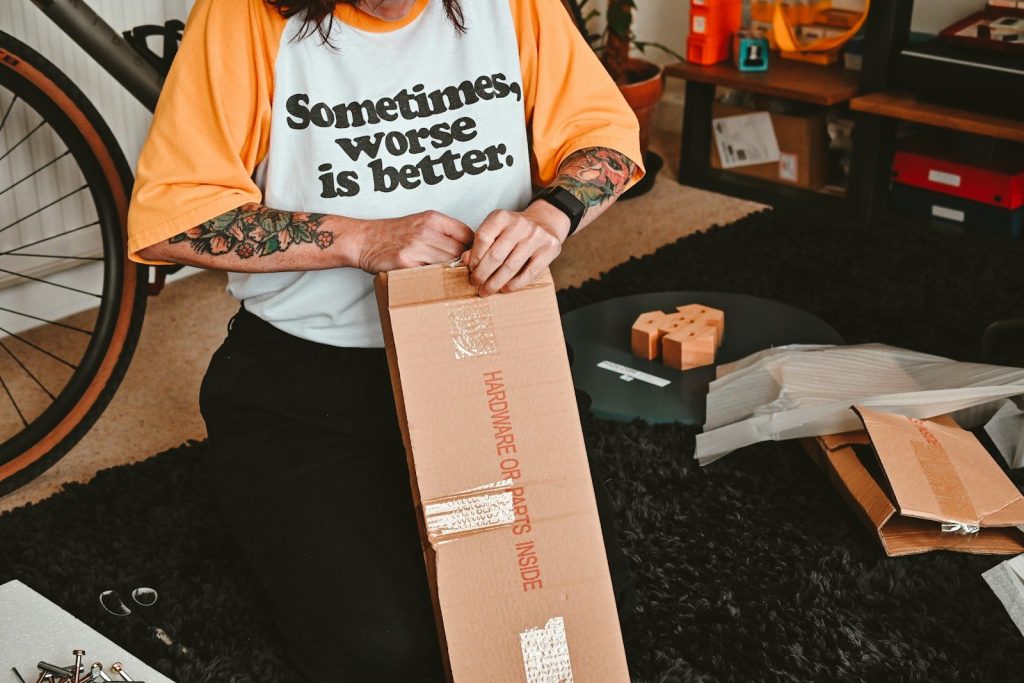
Many people rush to empty every box within a day or two, only to create clutter in the new home. Focus first on the kitchen, bathroom, bedroom, and everyday essentials before decorating.
Take time to organize each space thoughtfully as you unpack. Starting with an organized home reduces future clutter, prevents duplicate purchases, and helps you enjoy your new space from the very beginning.