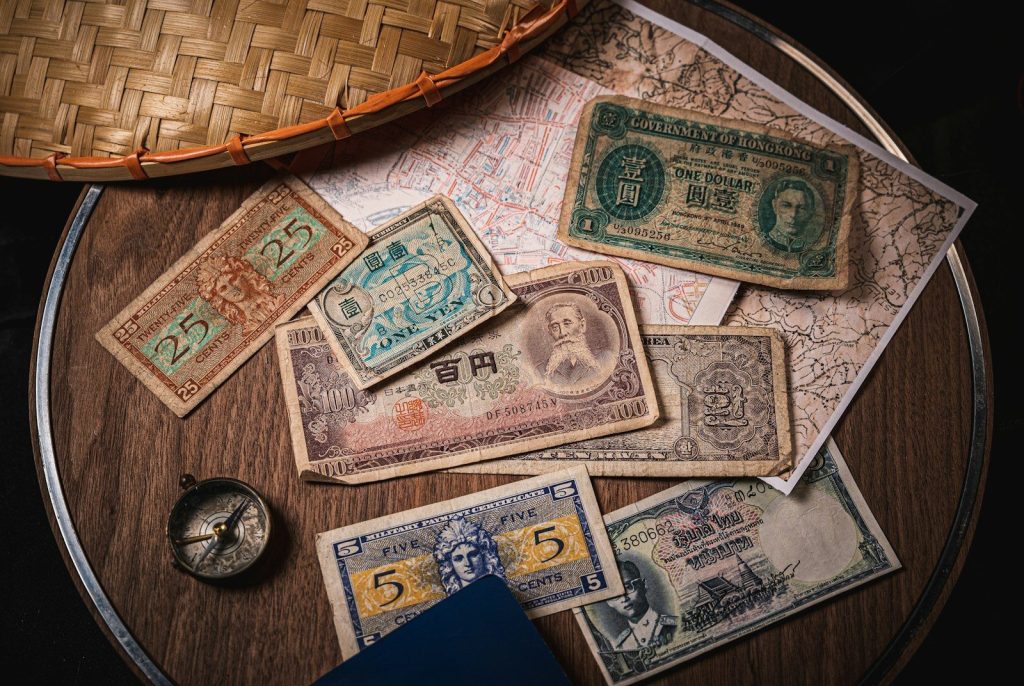

It is easy to hand over cash without giving it a second thought. Yet taking a closer look at older banknotes can become a simple habit that helps you avoid missing hidden value and encourages smarter spending.
Saving money is not always about earning more. Sometimes it comes from paying attention to everyday items that many people overlook. A quick check before spending cash could save you from an expensive mistake.
Hidden Value Can Mean Extra Savings
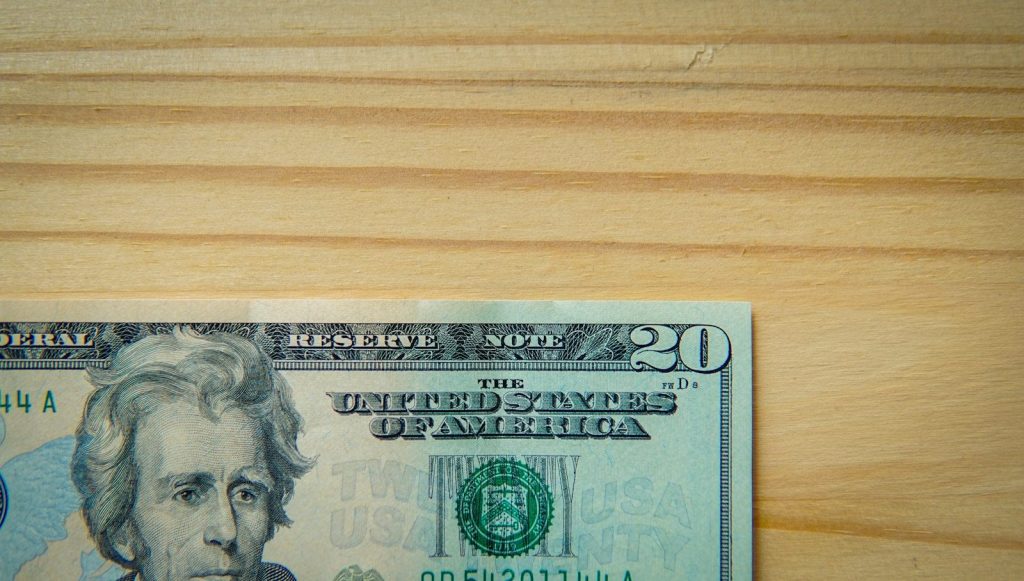
Most older banknotes are worth only their face value, but some attract interest from collectors because they are less common. Spending one without checking could mean losing a chance to earn more.
Before using an old note, spend a few minutes researching it. That small effort could turn an ordinary purchase into an unexpected financial win.
A Quick Check Costs Nothing
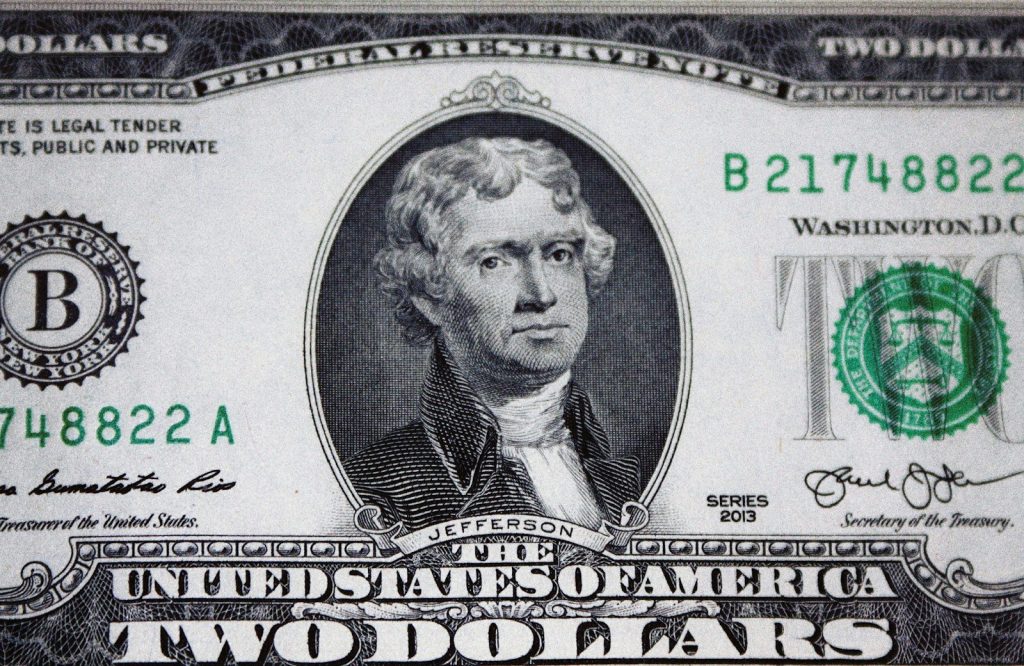
Looking over a banknote takes less than a minute and does not require special tools. It is one of the easiest money-saving habits anyone can adopt.
Building simple routines like this helps you become more aware of the value of everyday possessions instead of rushing to spend them.
Keeping Valuable Notes Separate Prevents Mistakes
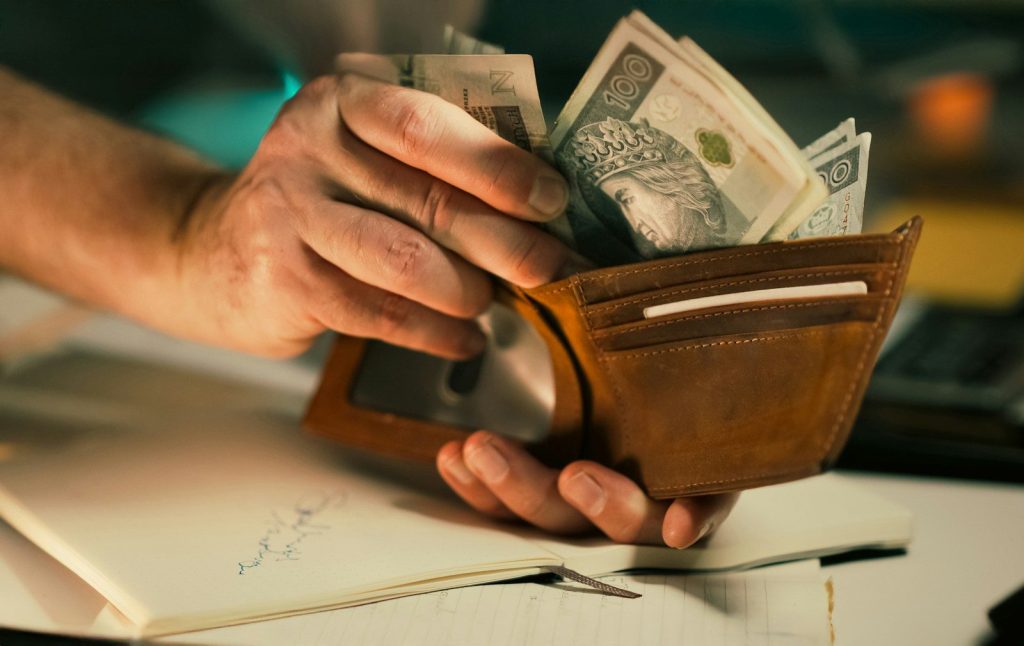
If you discover an older or unusual note, place it in an envelope or protective holder instead of mixing it with everyday cash.
This simple habit reduces the chance of accidentally spending something that could have greater value to a collector.
Research Helps You Make Smarter Choices
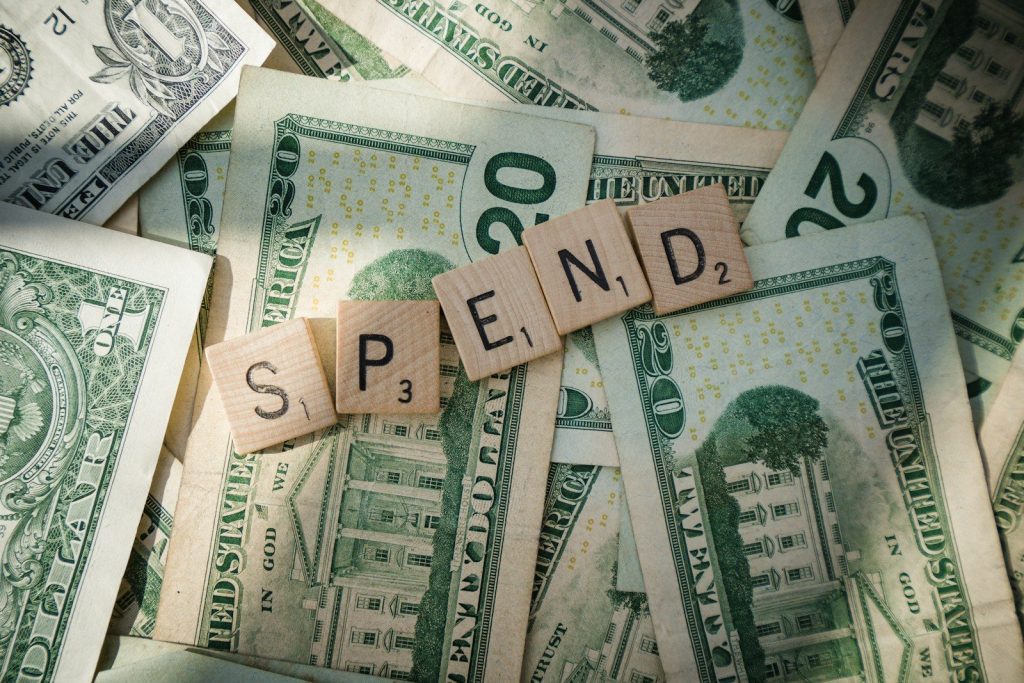
Many people rely on guesses when deciding whether an old note is valuable. Taking time to compare trusted collector information can prevent costly mistakes.
Learning before selling or spending allows you to make informed financial decisions instead of acting too quickly.
Small Finds Can Support Your Budget
Finding an overlooked collectible will not replace a paycheck, but even modest extra money can help cover groceries, household supplies, or monthly bills.
Every little saving adds up over time, especially when combined with other smart budgeting habits.
Turn Curiosity Into A Family Activity
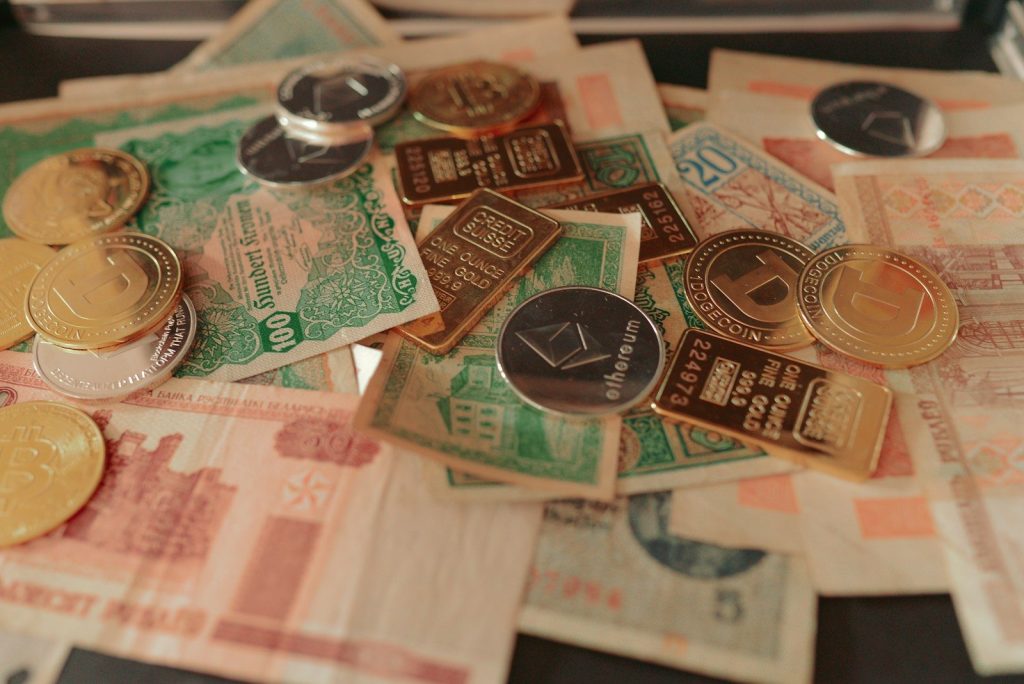
Checking old coins and banknotes together can teach children about saving, history, and making thoughtful financial choices.
It also encourages everyone to appreciate the value of everyday objects instead of treating them as disposable.
Avoid Throwing Away Potential Value
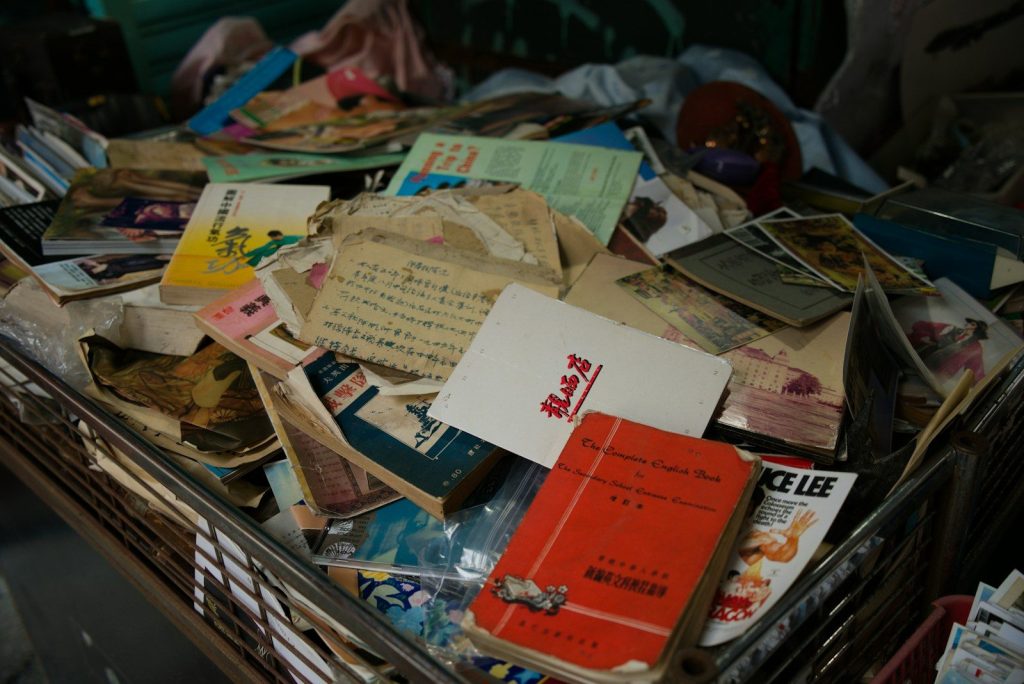
Old wallets, storage boxes, greeting cards, and books sometimes contain forgotten cash. Looking through these places before donating or discarding them can be worthwhile.
A careful search takes very little effort and may uncover money that would otherwise remain forgotten.
Smart Savers Always Look Before They Spend
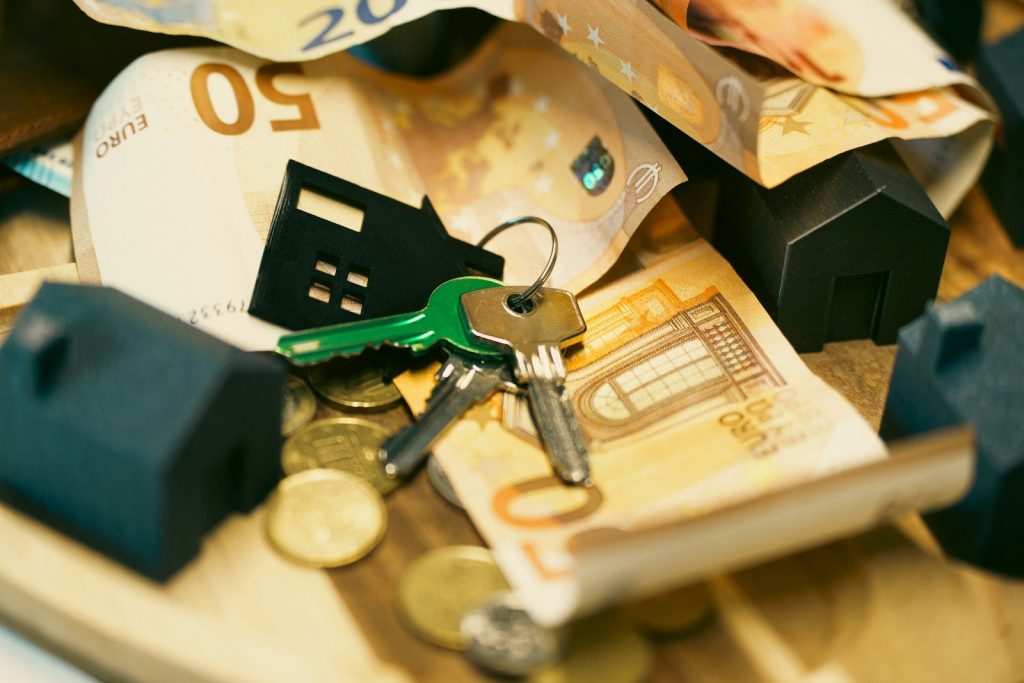
The best money-saving habits are often the simplest ones. Paying attention to the cash already in your home costs nothing and can occasionally provide an unexpected reward.
Even when a note has no extra collector value, developing the habit of checking before spending encourages smarter financial decisions and helps you make the most of every dollar you already have.