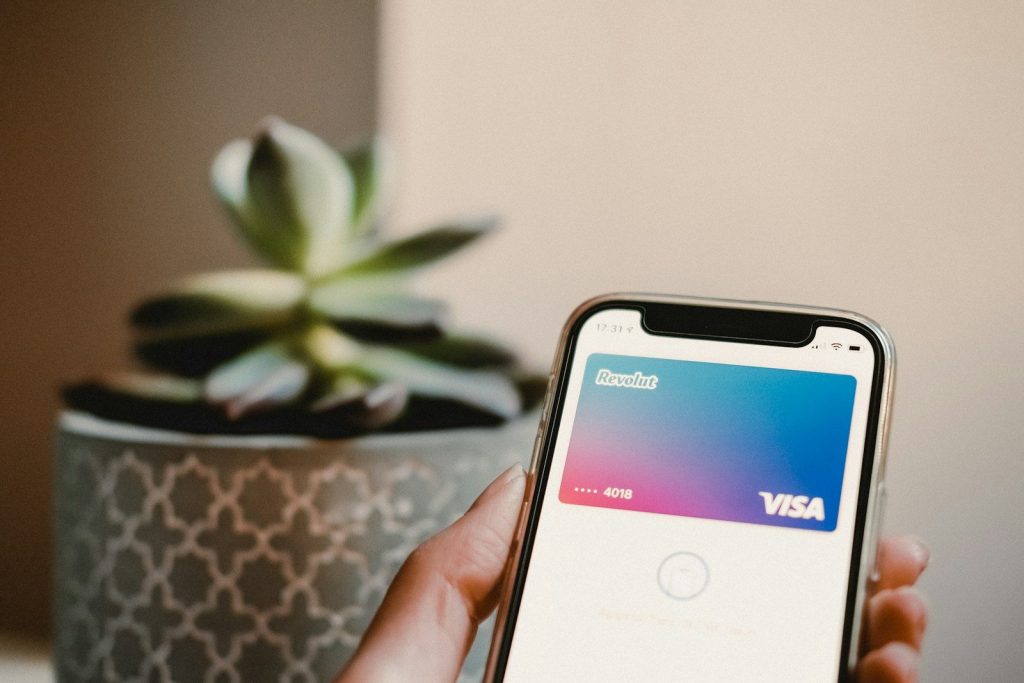

Payment apps have made it easier than ever to split dinner bills, pay freelancers, and send money in seconds. While that convenience is hard to beat, leaving your finances on autopilot can create unnecessary risks that many people never consider.
Building a few simple habits can help protect your money while making digital payments more organized. These practical tips take only a few minutes to follow but may save you from future headaches and unexpected losses.
Transfer extra funds regularly
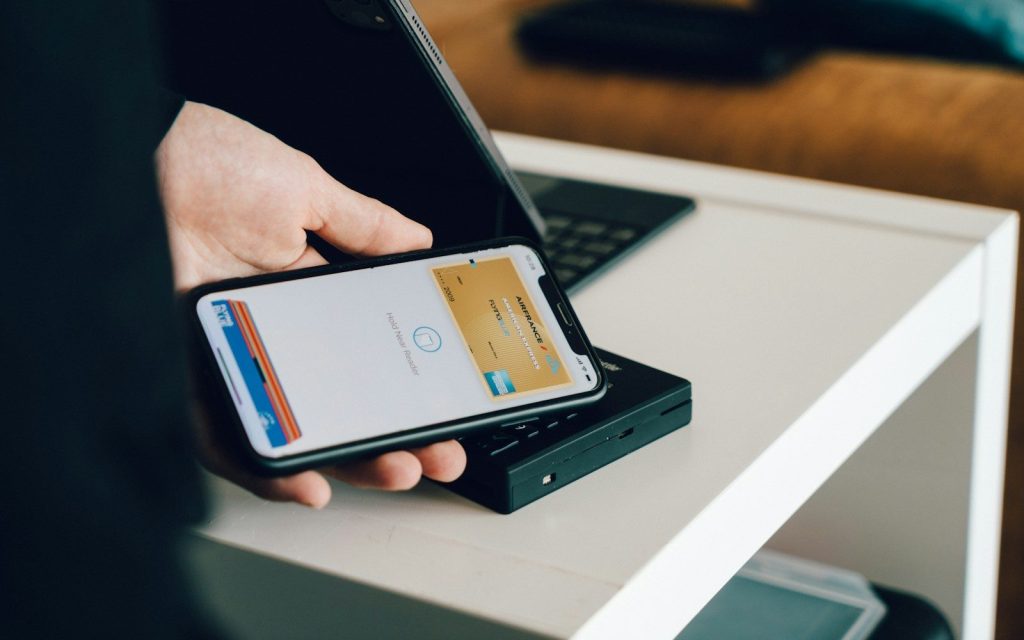
It is easy to forget about small balances left behind after receiving payments from friends or family. Over time, those amounts can quietly grow without serving any real purpose.
Moving unused money to your bank account keeps your finances organized in one place. It also makes it easier to track your overall savings and monthly spending.
Turn on every available security feature
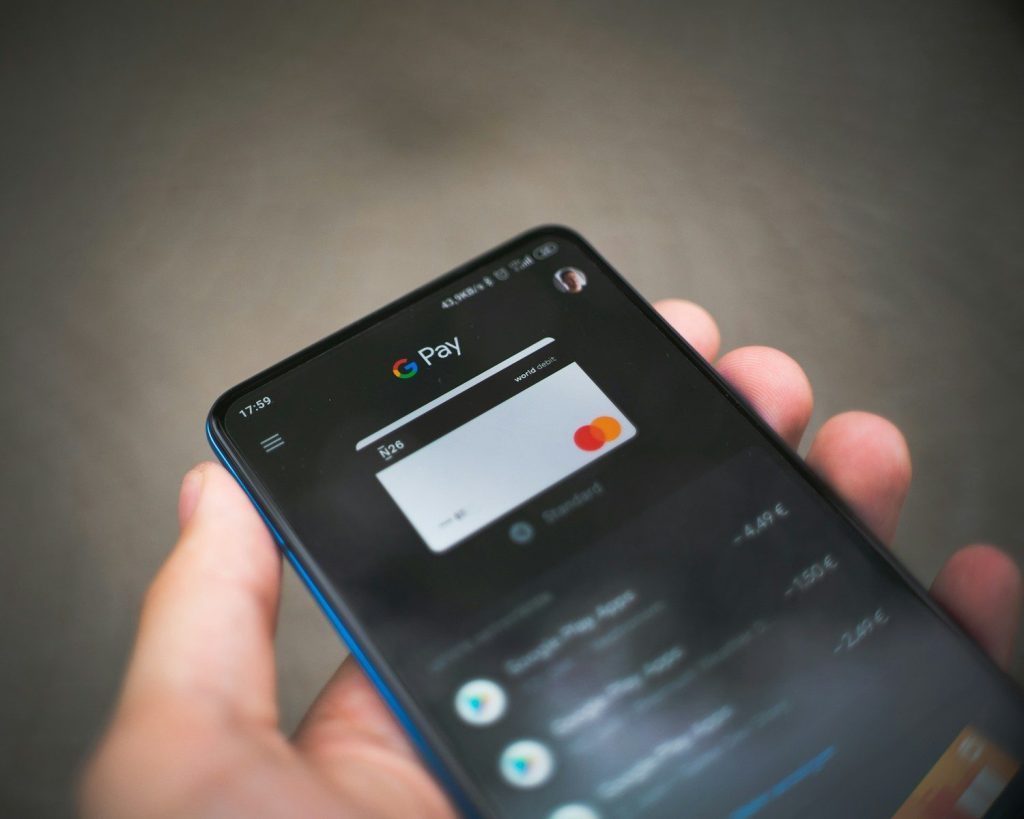
Most payment apps offer additional protection through options like biometric login, passcodes, or identity verification. Many users never activate these features even though they only take a few moments to set up.
Adding extra security creates another barrier against unauthorized access. A stronger account is always better than relying on a password alone.
Review your activity often
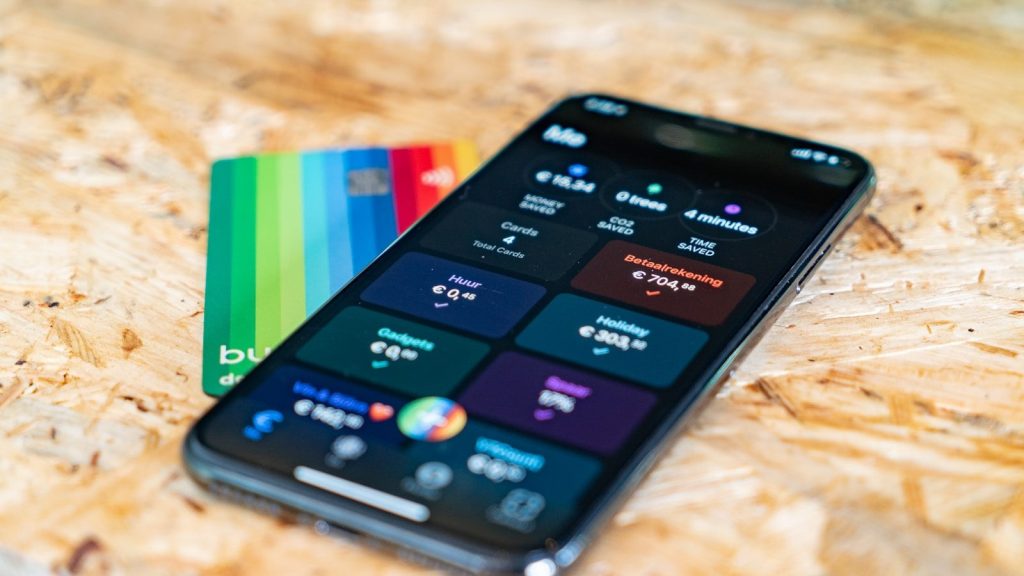
Checking recent transactions helps you recognize unfamiliar payments before they become larger problems. A quick review once a week is usually enough for most users.
Regular monitoring also helps you remember recurring payments or subscriptions linked to the app. Staying informed gives you better control over your money.
Avoid sending money too quickly

Digital payments happen almost instantly, leaving little room to correct mistakes. Accidentally selecting the wrong contact or entering an incorrect amount can become an expensive error.
Taking a few extra seconds to confirm names and payment details helps prevent avoidable problems. Slowing down is often the easiest money-saving habit.
Keep your contact details updated

An outdated phone number or email address can make account recovery much harder if you lose access. Updated information also ensures you receive important security alerts without delay.
Reviewing your profile once or twice each year takes very little effort. It is a simple step that can save significant time if you ever need customer support.
Use secure internet connections
Public wireless networks are convenient but may not always provide the safest environment for financial transactions. Whenever possible, complete payments using your home network or mobile data connection.
If you must use public internet access, avoid making large financial transactions until you are on a trusted network. Small precautions often reduce unnecessary risks.
Separate spending from savings

Payment apps work well for everyday transfers, but they are not designed to replace your long-term savings strategy. Keeping emergency funds and savings in dedicated financial accounts makes budgeting much clearer.
Separating daily spending money from long-term goals also reduces the temptation to spend available balances impulsively. Organization often leads to better financial decisions.
Treat payment apps like your wallet
Most people would not leave large amounts of cash sitting loose in a wallet for months without checking it. Digital payment apps deserve the same level of attention and care.
Creating simple habits like reviewing balances, transferring unused funds, and protecting your account information helps keep your money working where it belongs. A few thoughtful routines today can make digital payments both convenient and financially responsible.
Featured Image: Photo by Sophie Dupau on Unsplash