
Buying groceries does not have to drain your budget every week. Small changes in how you plan, shop, and store food can add up to noticeable savings without sacrificing the meals your family enjoys.
The best money-saving strategies are often the simplest ones. These practical habits can help you spend less, waste less, and make every grocery trip work harder for your household.
Always Plan Your Meals First
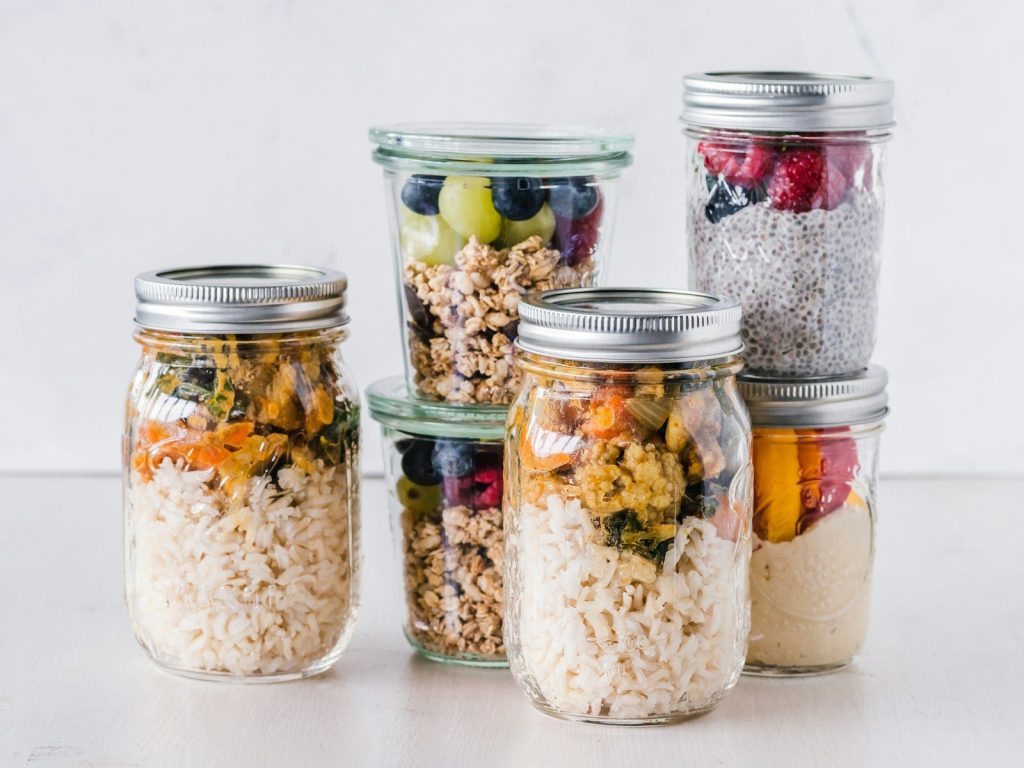
Walking into the store without a meal plan often leads to unnecessary purchases. Planning five to seven dinners before shopping gives every ingredient a purpose and reduces impulse buying.
Choose recipes that use overlapping ingredients whenever possible. A single bag of spinach or a pack of chicken can easily stretch across several meals during the week.
Shop Your Pantry Before The Store
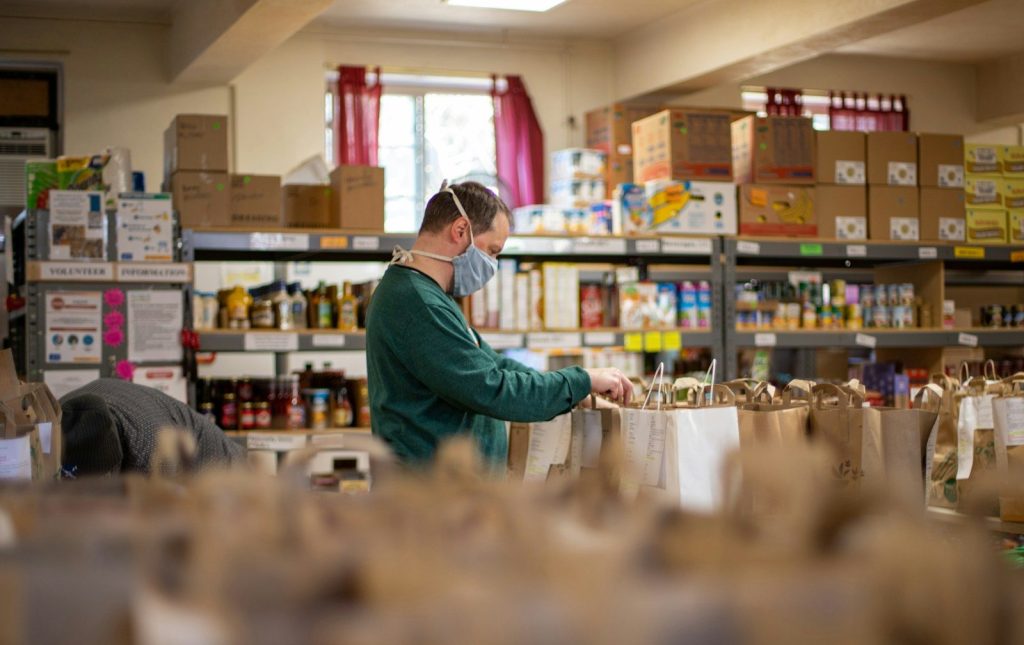
Take a few minutes to check your refrigerator, freezer, and pantry before writing a shopping list. You may already have enough ingredients for several meals without realizing it.
Using what you already own prevents duplicate purchases and reduces food waste. It is one of the easiest ways to lower your grocery bill immediately.
Buy Store Brands More Often
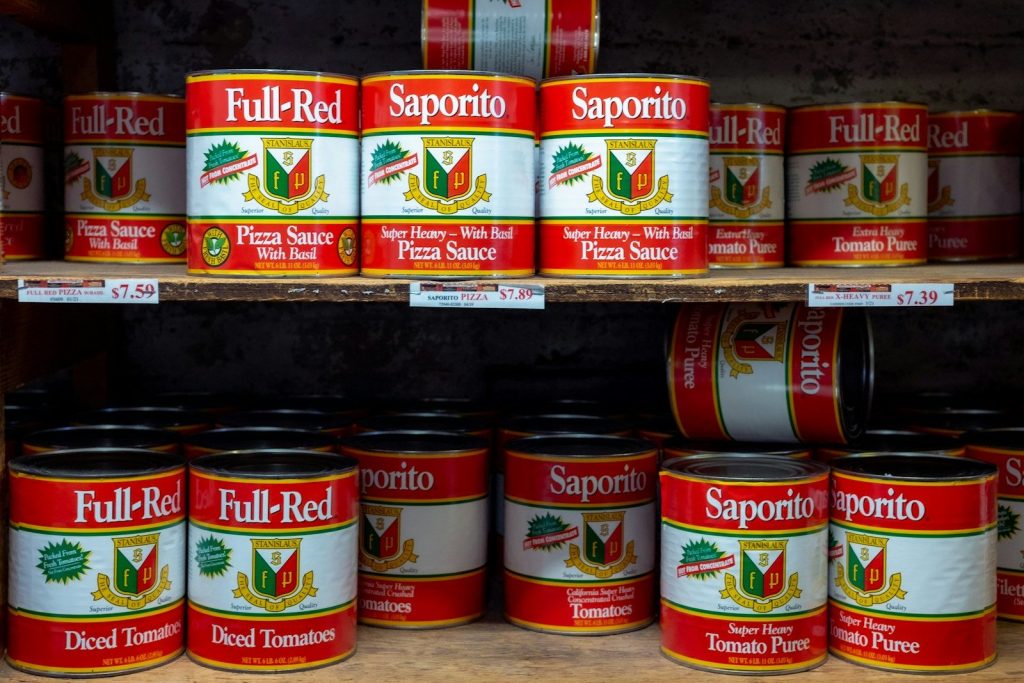
Many store brand products offer similar quality to national brands at a lower price. Pantry staples such as pasta, rice, canned vegetables, flour, and sugar are often excellent places to save.
Try replacing just a few branded items during each shopping trip. The savings become more noticeable over the course of a month.
Build Meals Around Weekly Sales
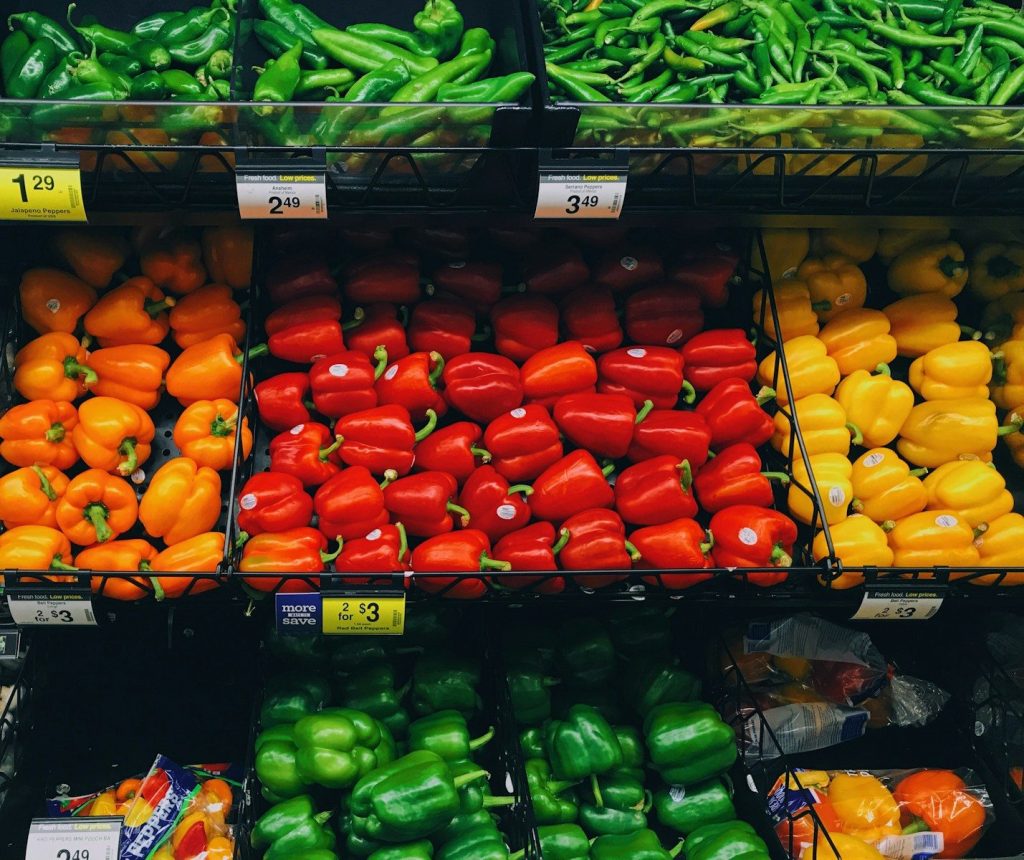
Instead of deciding what to cook first, start with the weekly grocery specials. Planning meals around discounted proteins, produce, and pantry items helps stretch your budget much further.
Seasonal fruits and vegetables also tend to cost less while offering better flavor. Buying what is plentiful often means paying less without changing your eating habits.
Buy Only What You Will Actually Use

Warehouse sizes and large packages are not always bargains. Food that expires before you can use it ends up costing more than buying smaller amounts.
Focus on products your household regularly eats. Smart shopping means paying for food that reaches your plate instead of your trash can.
Freeze Extra Food Before It Goes Bad
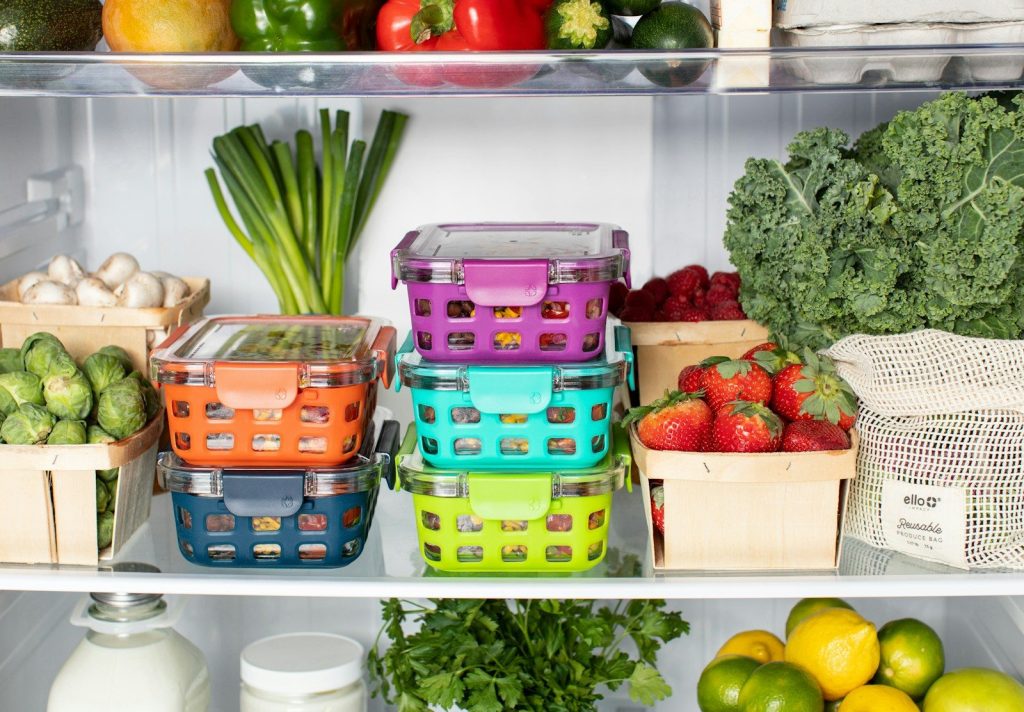
Fresh bread, cooked rice, leftover soup, shredded cheese, and many vegetables freeze surprisingly well. Freezing extras gives you more time to enjoy food before it spoils.
Keeping a small freezer inventory also makes busy evenings easier. Ready-to-use ingredients reduce the temptation to order expensive takeout.
Keep Affordable Staples On Hand
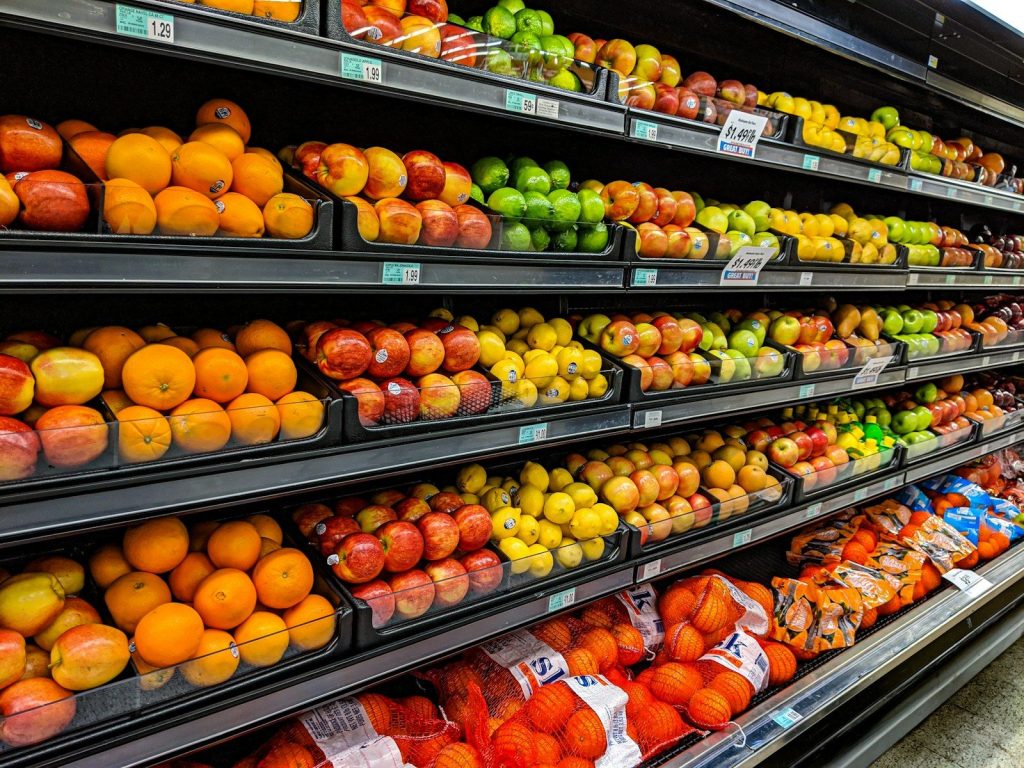
Rice, beans, oats, pasta, canned tomatoes, and frozen vegetables provide the foundation for dozens of inexpensive meals. These versatile ingredients make it easier to cook at home without constant grocery trips.
A dependable pantry also helps during weeks when food prices rise. Having flexible ingredients already available means you can adapt meals without overspending.
Stick To Your Shopping List
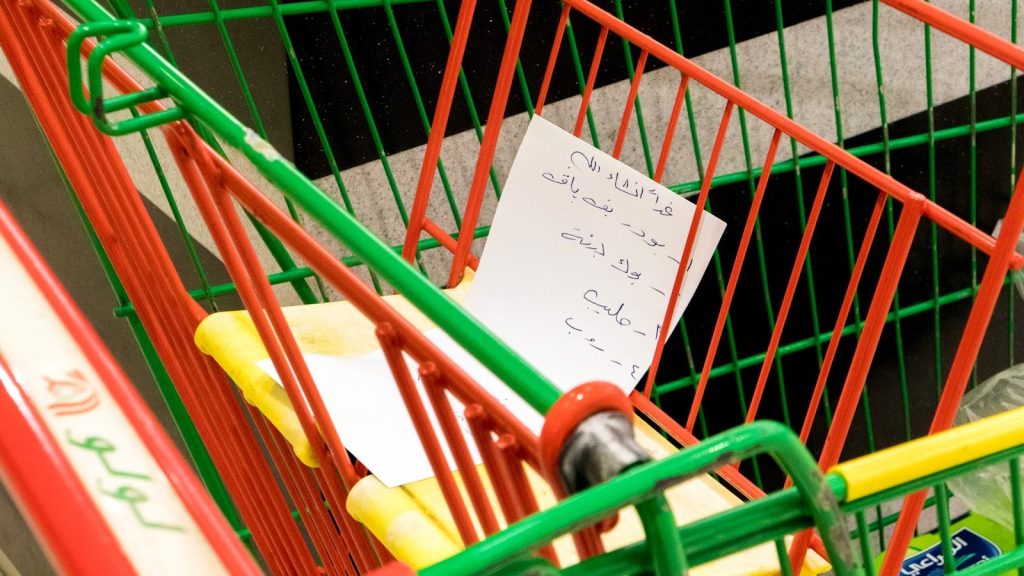
A carefully planned shopping list is one of the most powerful money-saving tools. It helps you stay focused and reduces purchases made simply because something looks appealing.
Treat your list as your spending guide rather than a suggestion. Consistently following it makes grocery shopping more efficient and keeps your monthly food budget under better control.