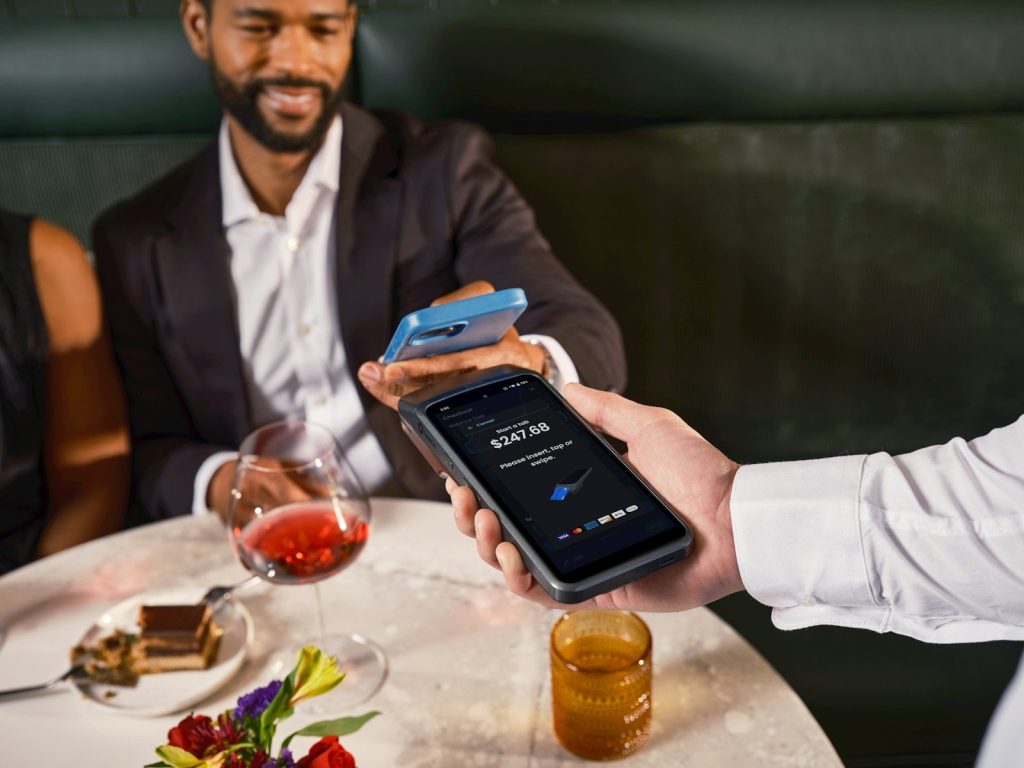

Restaurant prices have climbed steadily, and 2026 has not reversed that trend. The average American now spends more on dining out than at almost any point in recent history, and a simple dinner for two can feel surprisingly steep before the bill even arrives.
Eating out does not have to be an expensive habit. A handful of practical adjustments, applied consistently, can shrink the damage to your wallet without shrinking the enjoyment of the meal. These eight tips cover everything from pre-visit planning to what you order once you sit down.
1. Check the Menu Before You Leave Home
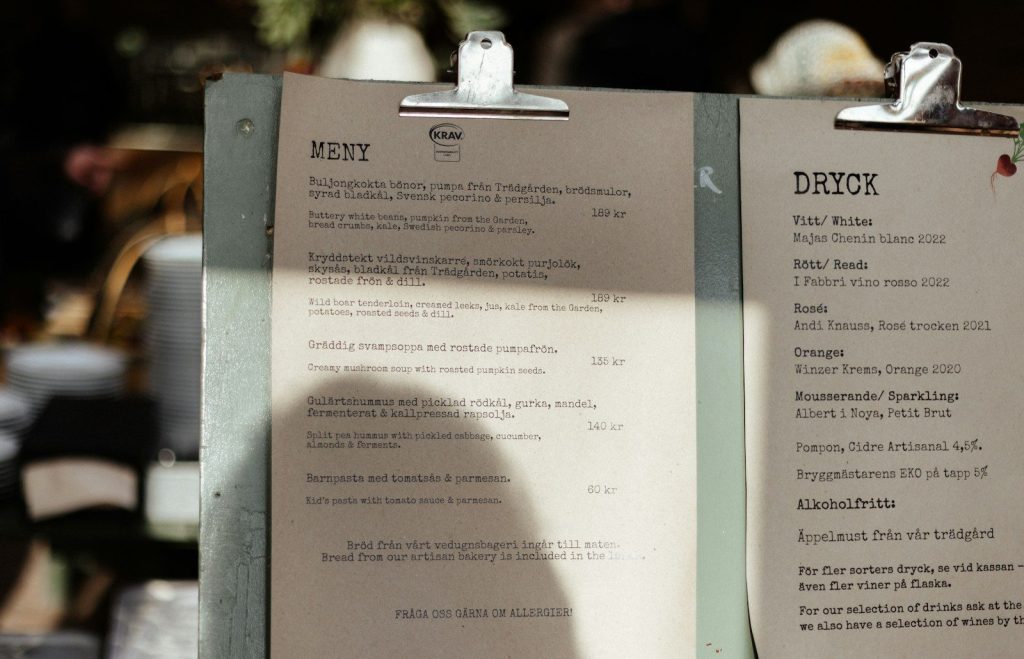
Look up the menu before you go. Most restaurants post full menus online, prices included, and spending two minutes reviewing them gives you a realistic sense of what the evening will cost. It also makes comparison easy: if two restaurants are on the shortlist, a quick check settles the question before anyone is already seated and hungry.
Weekday specials and early-bird pricing are frequently listed online but not always posted inside the restaurant, so checking ahead can surface deals that would otherwise go unnoticed.
2. Choose Lunch Over Dinner
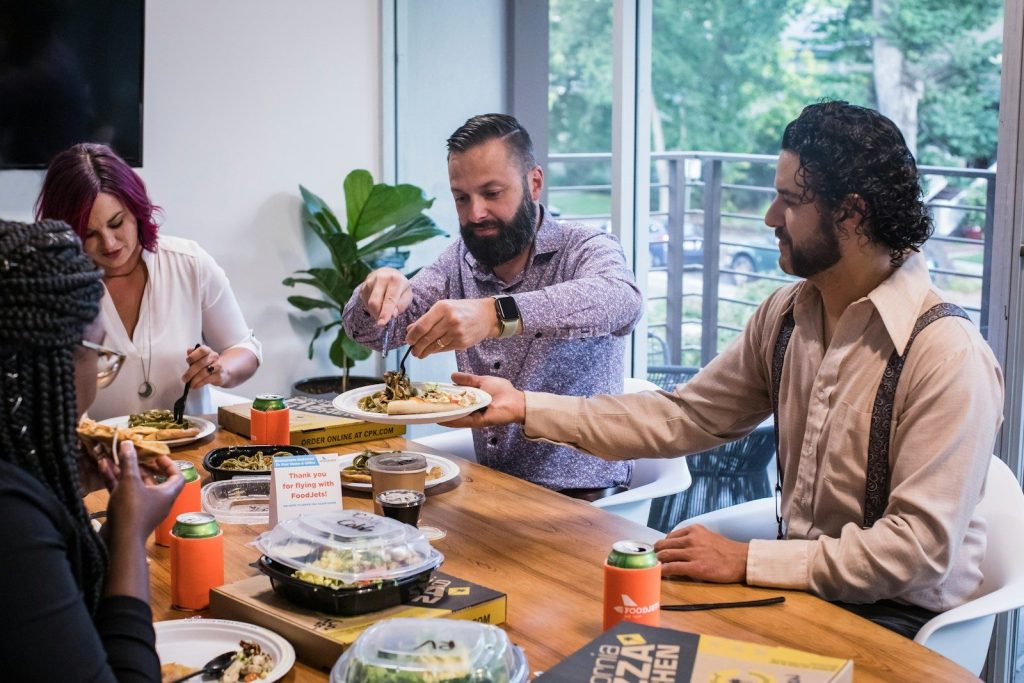
The same kitchen produces the same food at lunch and at dinner. The price, however, is rarely the same. Lunch menus are typically 30 to 40 percent cheaper, and many higher-end spots offer midday specials that represent genuine value. For anyone curious about a nicer restaurant but reluctant to commit to dinner prices, lunch is the practical solution.
Happy hour is worth mentioning alongside this. Many restaurants offer discounted appetizers and small plates between roughly 3 and 6 PM, and a well-chosen spread of those dishes can easily serve as a full meal at a fraction of the dinner cost.
3. Be Conservative With Beverages

Drinks are one of the most reliable ways a restaurant bill inflates quietly. A table of four ordering two rounds of cocktails can add $80 to $100 to the check before any food arrives.
Ordering water, or limiting the group to one drink each, is one of the fastest ways to reduce the final total. For people who enjoy alcohol as part of the experience, BYOB policies, where permitted, offer a practical middle ground: bring your own bottle and pay only a small corkage fee, if anything at all.
4. Share Dishes or Build a Meal From Appetizers
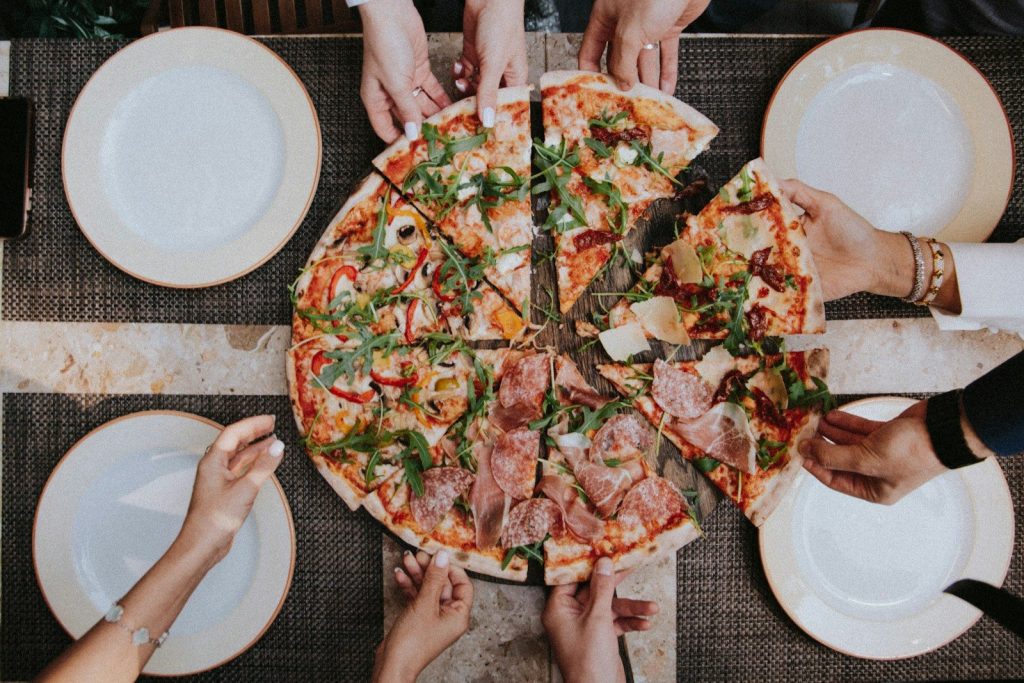
Portion sizes at most American restaurants exceed what a single person needs. Sharing an entrée between two people, or constructing a meal from two or three appetizers, almost always costs less than ordering individual entrees for the full table. It also tends to produce more variety, which many diners prefer.
Some restaurants charge a plate-sharing fee, usually $3 to $5. Even with that added cost, sharing is typically cheaper than ordering separate dishes for everyone.
5. Use Loyalty Programs and Dining Apps

Restaurant loyalty programs have matured well beyond paper punch cards. Points-based systems, birthday rewards, and app-exclusive discounts are now standard at chains and increasingly common at independent restaurants. Downloading an app takes about 90 seconds and often pays off within the first or second visit.
By 2026, many of these apps use order history to generate personalized offers. Opting into notifications is worth reconsidering, because the time-sensitive promotions are often the most valuable ones. Dining rewards credit cards that offer 3 to 4 percent cash back at restaurants apply an automatic discount to every meal without requiring any change in behavior.
6. Order With Value in Mind
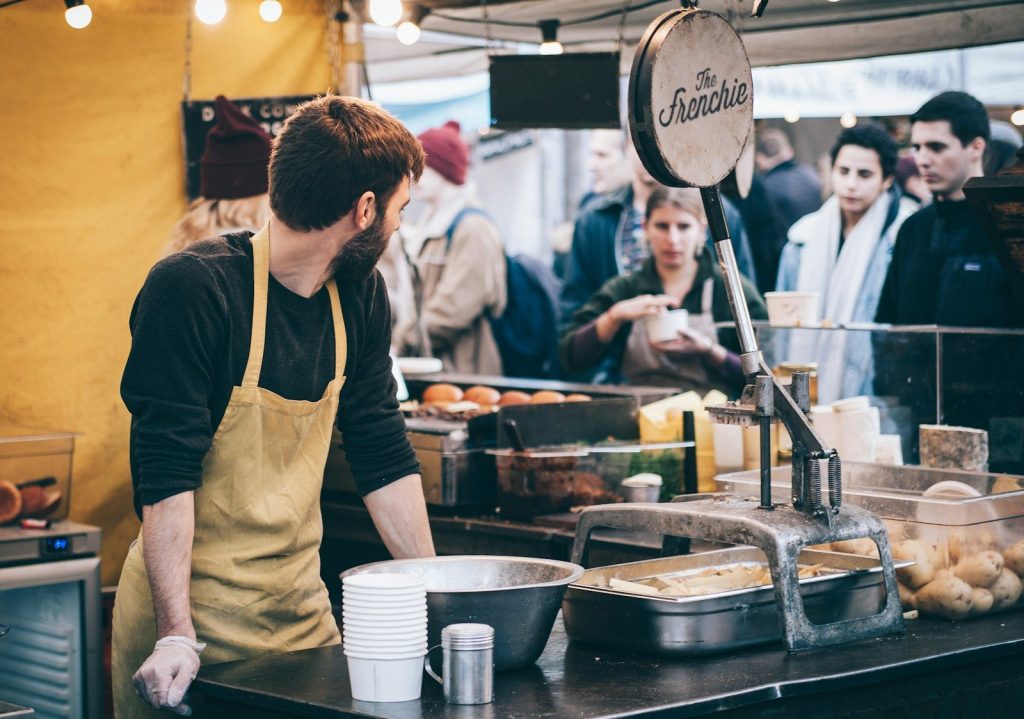
Protein-heavy dishes, particularly steak and seafood, tend to carry the highest margins. Pasta, grain bowls, and vegetarian dishes usually offer comparable satisfaction at lower price points. Being aware of this pattern does not mean avoiding foods you enjoy; it means having the context to make an informed choice.
Daily specials are sometimes priced below equivalent menu items, particularly when built around seasonal ingredients. Premium sides and desserts are high-margin additions that are easy to skip without diminishing the meal.
7. Take Leftovers Home and Eat Them
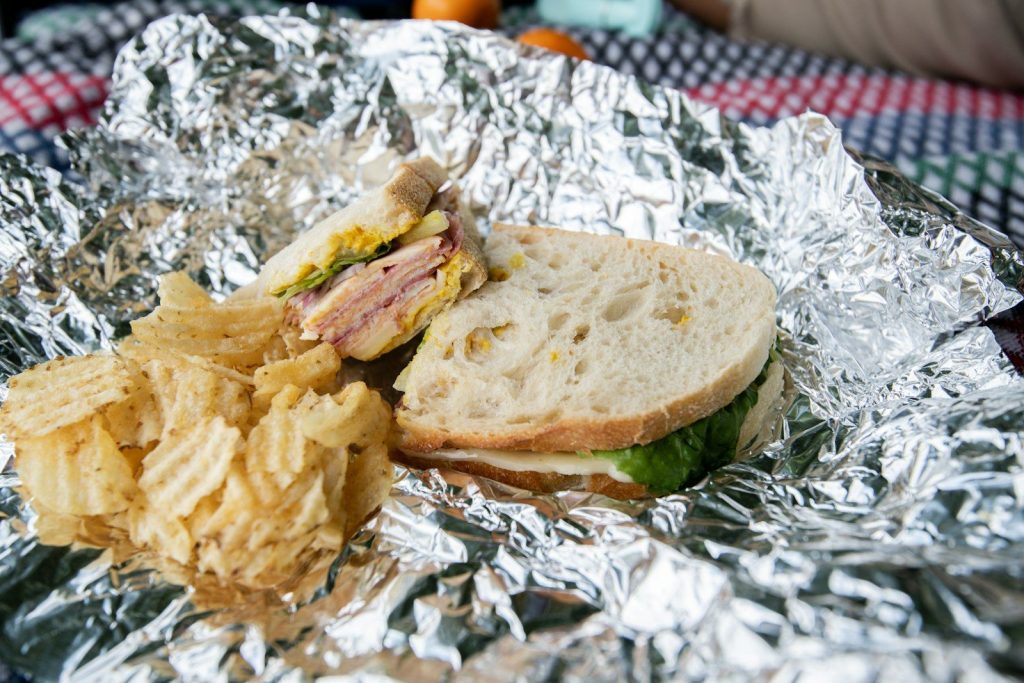
A $22 entrée that provides two full meals effectively costs $11 per meal. Asking for a takeout box costs nothing and extends the value of the meal. The only requirement is following through: eat the leftovers within a day or two, before they get forgotten at the back of the fridge.
Most restaurant food reheats better in an oven or air fryer than in a microwave, especially anything with a crust or melted cheese.
8. Set a Number Before You Sit Down
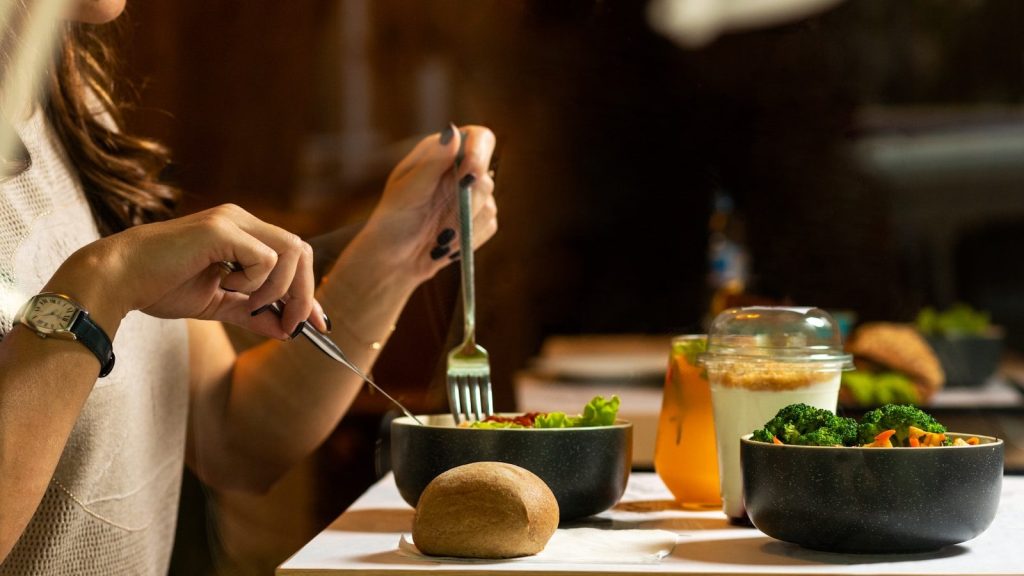
Deciding in advance what is comfortable to spend removes the ambiguity that leads to casual overspending once everyone is seated and relaxed. Going in with a clear number, rather than a vague intention to spend less, makes every other tip on this list easier to follow.
Trimming $15 per outing across four meals a month amounts to $720 over a year. That is enough to cover a genuinely special dinner, paid for entirely by the savings accumulated elsewhere.
The Brief Eating Out Summery
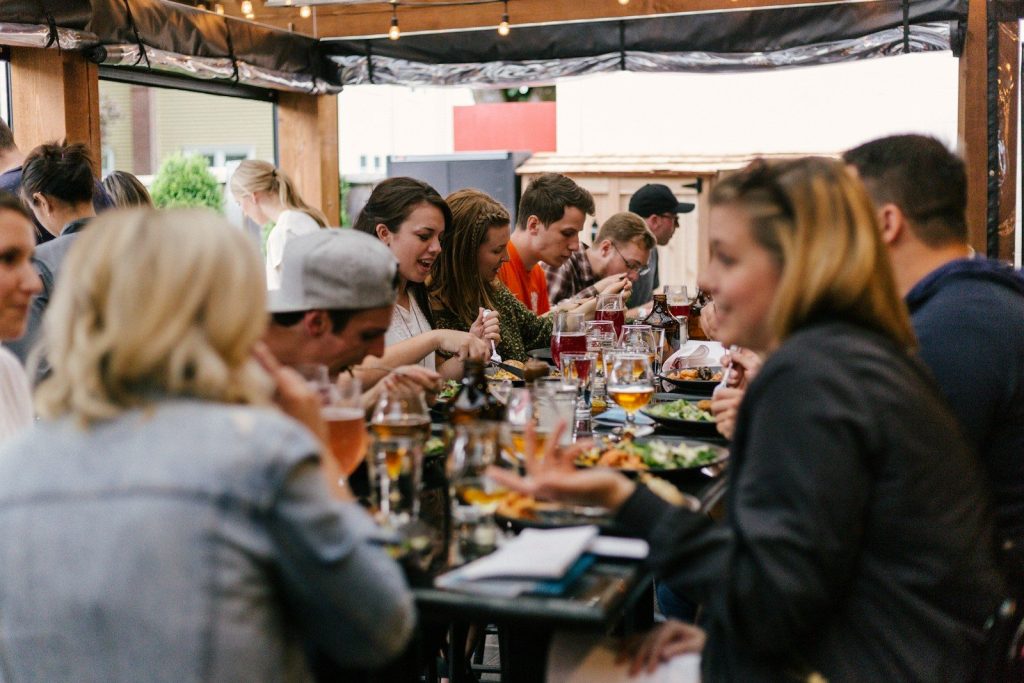
Check the menu before going. Opt for lunch or happy hour when possible. Order beverages conservatively. Share dishes or build meals from smaller plates. Use loyalty apps and dining rewards cards. Order with value in mind. Bring leftovers home. Set a budget before sitting down.
None of these steps requires extraordinary discipline. Applied together, they make dining out a pleasure that fits the budget rather than one that quietly strains it.