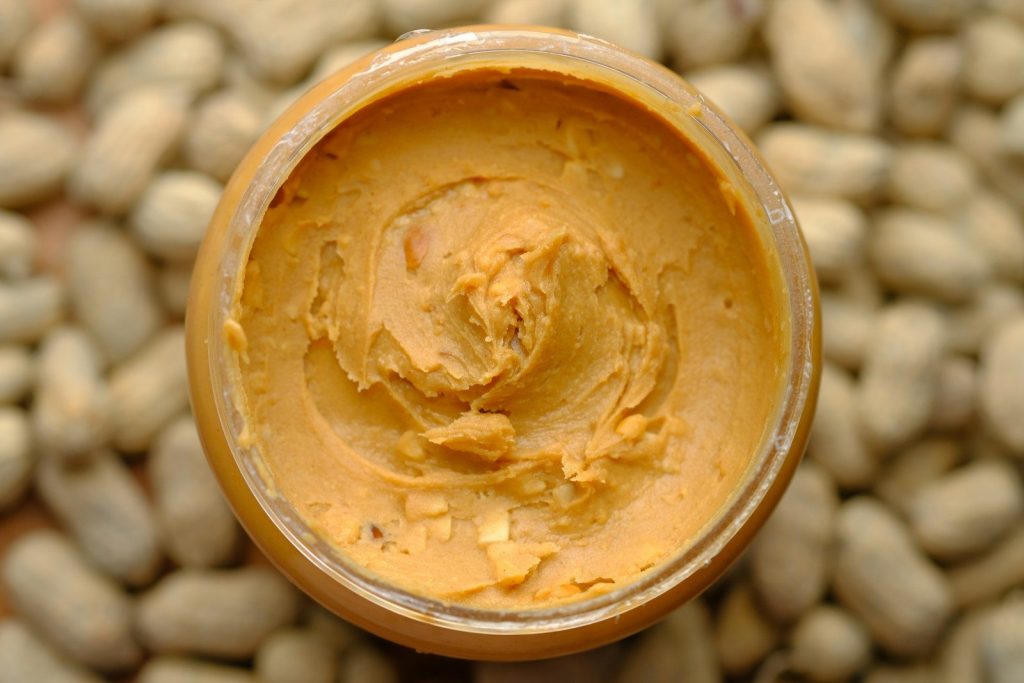

Peanut butter has stayed popular for decades because it is simple, filling, and easy to use in everyday meals. In 2026, many people continue to add it to breakfasts, snacks, and recipes because of its nutritional value.
Peanut butter contains protein, healthy fats, and several vitamins and minerals that support overall health. It also works well for busy schedules since it requires little preparation and stores easily. Adding moderate portions to a balanced diet can provide several long-term benefits.
1. It Provides Steady Energy
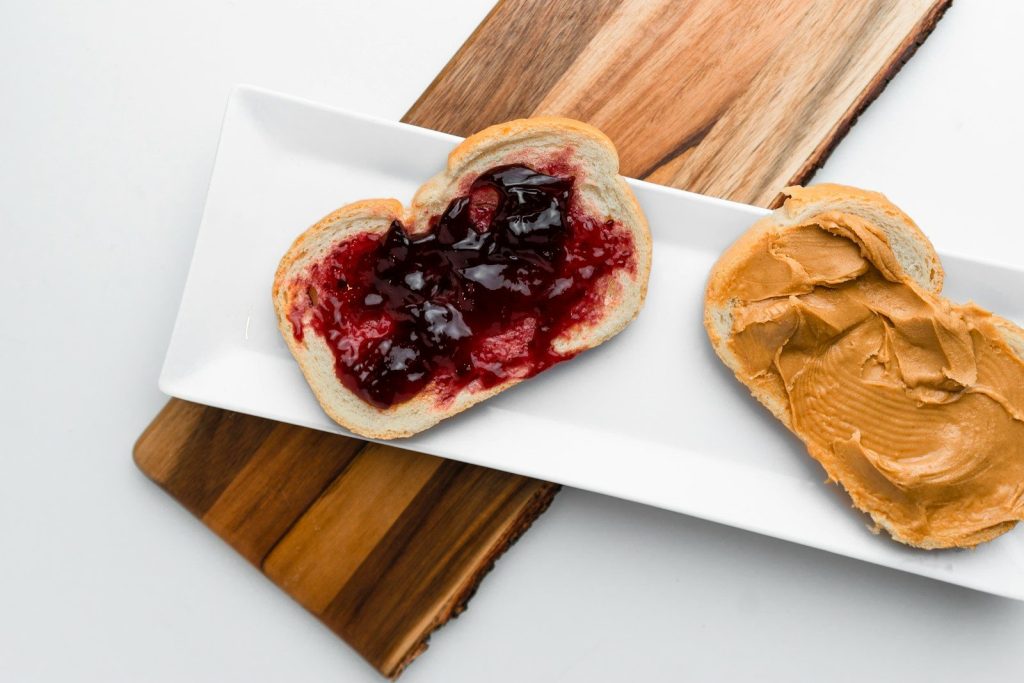
Foods that combine protein, fats, and carbohydrates can help maintain energy for longer periods. Peanut butter contains all three, which makes it useful for busy mornings or active afternoons. Many processed snacks cause quick spikes and drops in energy levels.
Peanut butter supports a steadier source of fuel for the body. Pairing it with whole-grain bread, apples, bananas, or oatmeal can help create a satisfying snack that keeps hunger under control for hours.
2. It Helps Control Hunger
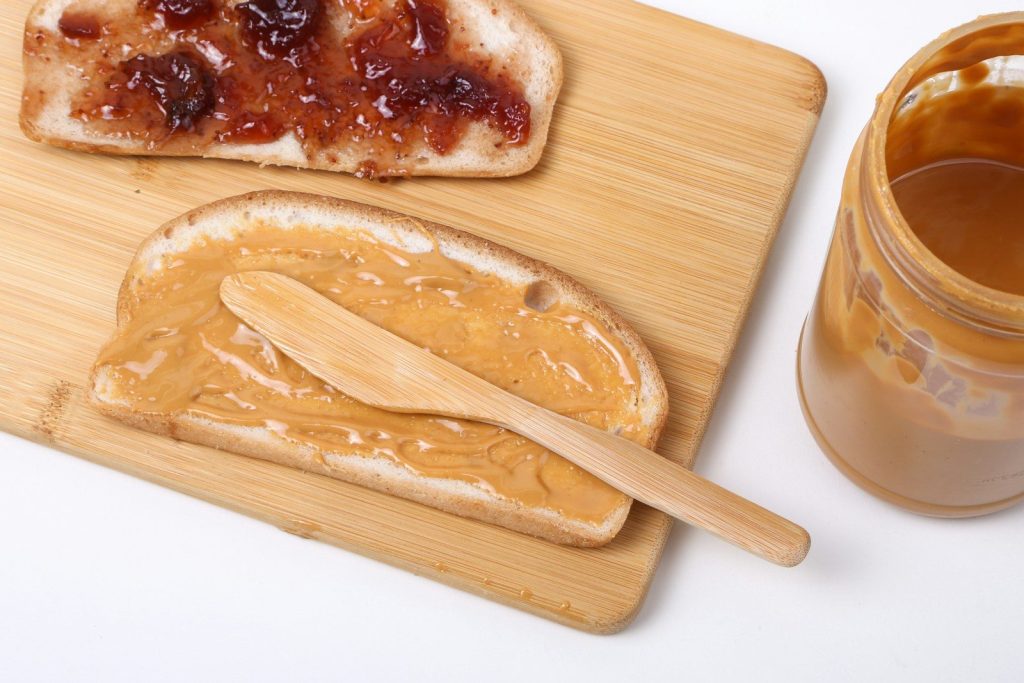
Peanut butter is known for helping people feel full after eating. The protein and healthy fats slow digestion and help reduce the urge to snack too often between meals.
A small serving can make breakfast or lunch feel more satisfying. This benefit may help support portion control and balanced eating habits over time. Peanut butter also works well as a snack because it can prevent the quick hunger that often follows sugary foods.
3. It Supports Heart Health
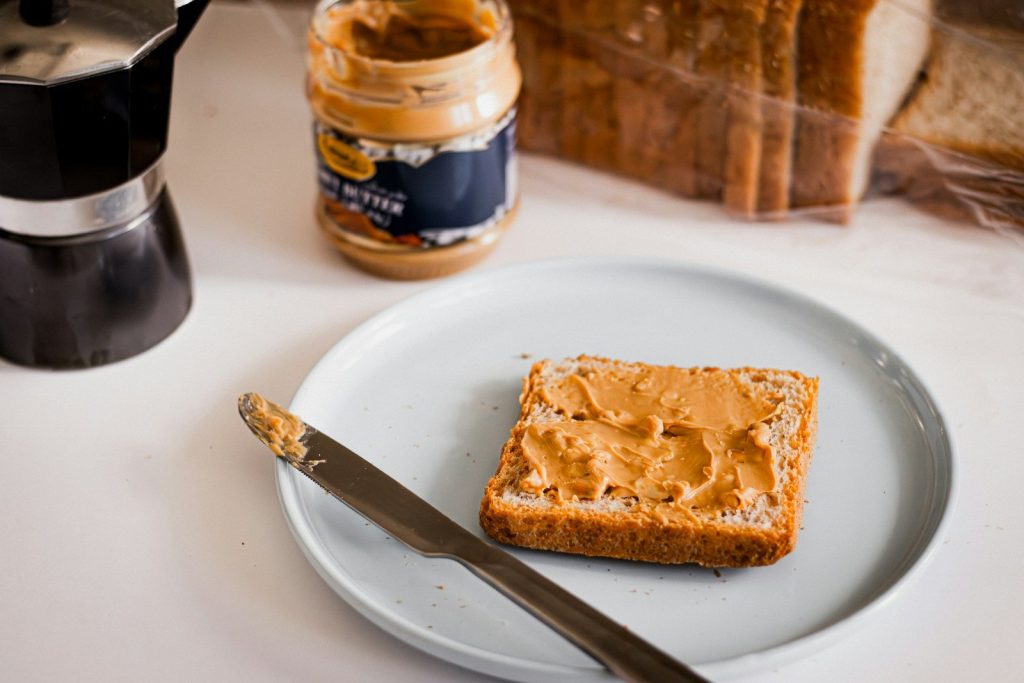
Natural peanut butter contains mostly unsaturated fats, which are linked to better heart health when eaten in moderation. These fats may help support healthy cholesterol levels as part of a balanced diet.
Peanut butter also contains magnesium and potassium, which contribute to normal heart and muscle function. Choosing products with fewer added sugars and less sodium is usually the better option. Reading ingredient labels remains useful when selecting healthier varieties in stores.
4. It Offers a Reliable Source of Protein
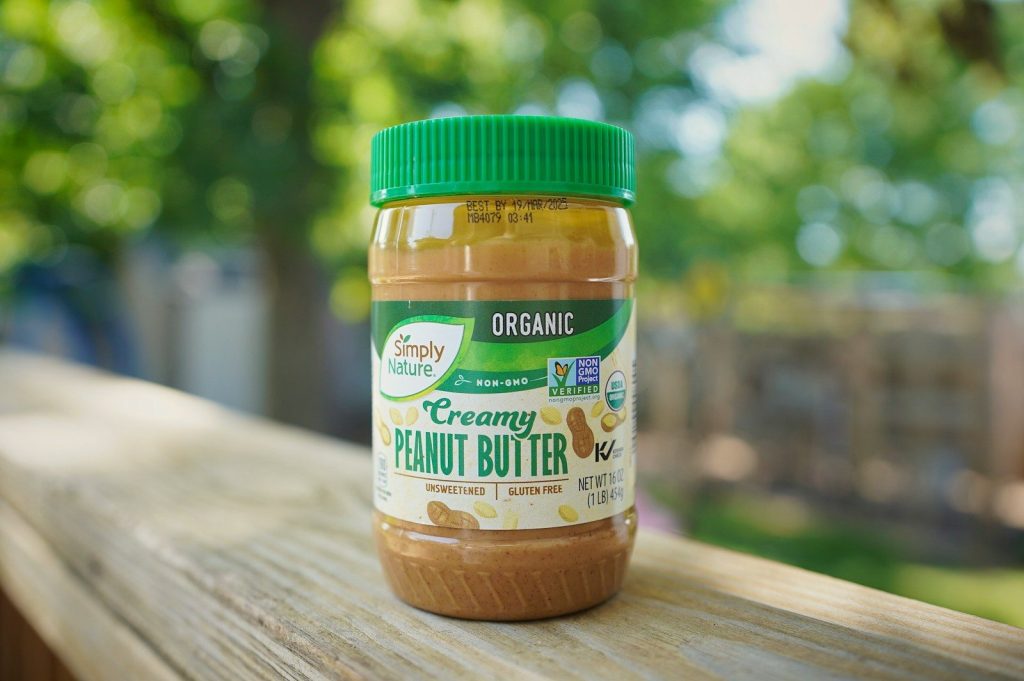
Protein supports muscle repair, tissue growth, and overall body function. Peanut butter provides a convenient plant-based protein source that fits many eating styles. It can easily be added to smoothies, sandwiches, yogurt bowls, or baked foods.
Many households continue to keep peanut butter in the kitchen because it offers nutrition without requiring expensive ingredients or complicated preparation. This makes it a practical food choice for families, students, and people with busy routines.
5. It Contains Valuable Nutrients
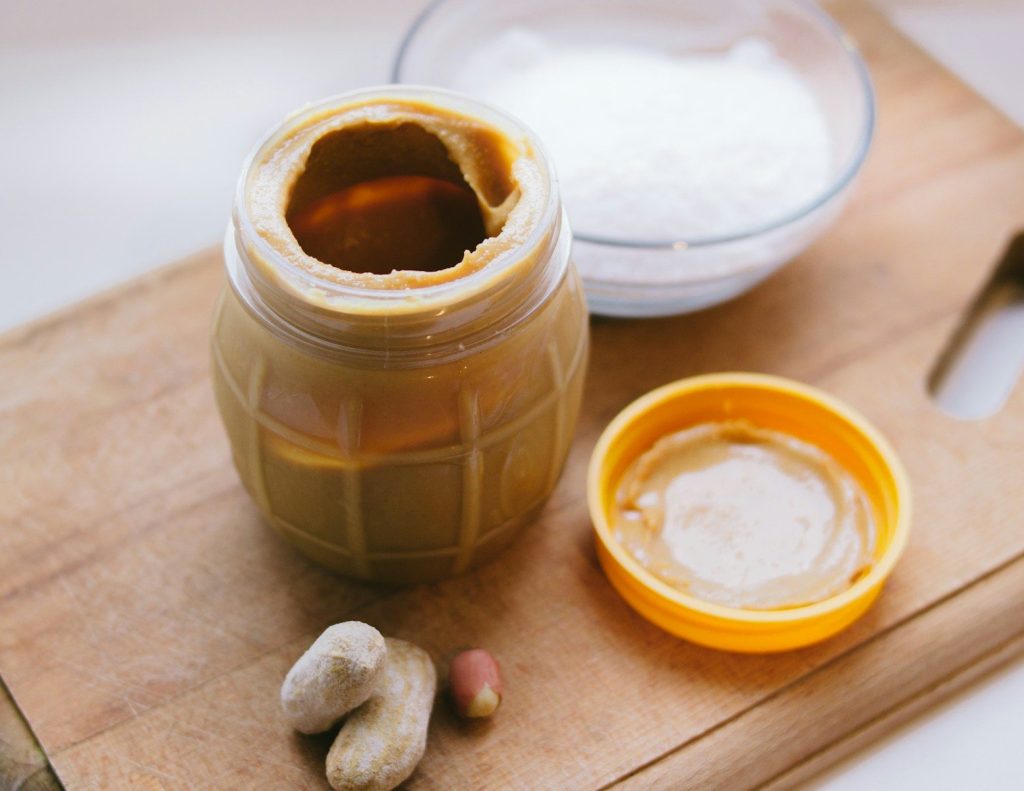
Peanut butter provides more than protein and fats. It also contains vitamin E, niacin, phosphorus, and magnesium. Vitamin E supports skin and immune health. Magnesium helps support muscle and nerve function.
Niacin plays a role in energy production within the body. These nutrients contribute to overall wellness and help make peanut butter a useful addition to balanced meals. Natural varieties with simple ingredient lists often provide the best nutritional value.
6. It Fits Many Different Meals
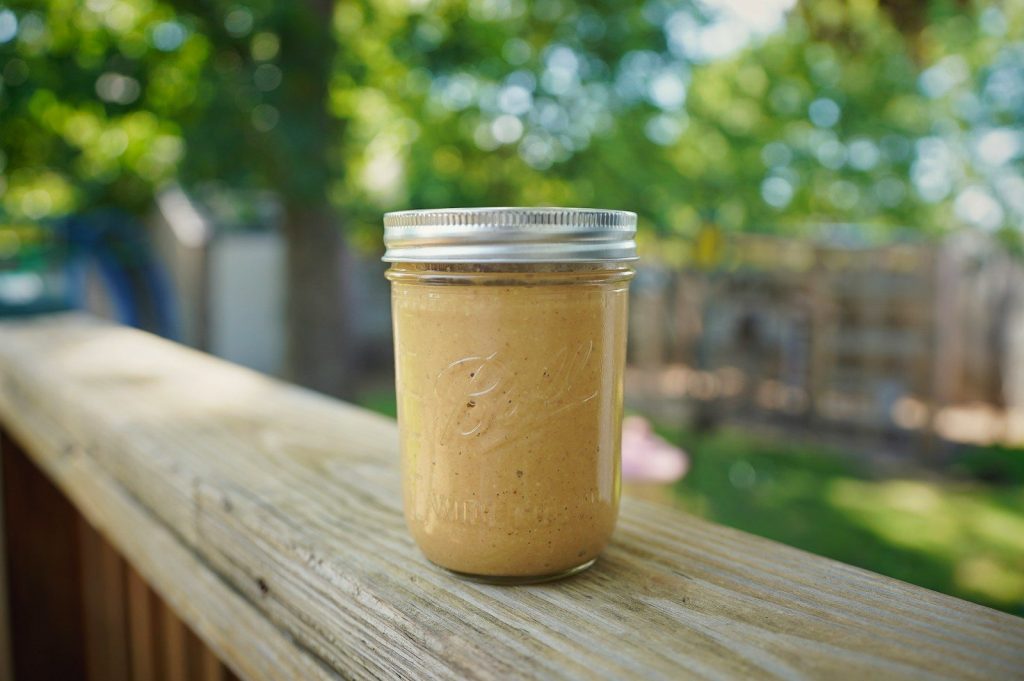
One reason peanut butter remains widely used is its versatility. It works well in sweet and savory recipes and pairs easily with many foods. Peanut butter can be spread on toast, mixed into sauces, blended into smoothies, or added to oatmeal.
It also complements fruits and vegetables such as apples, celery, and bananas. This flexibility makes it easier for people to include peanut butter in daily meals without feeling repetitive or boring.
7. It Supports Active Lifestyles
People with active schedules often look for foods that provide lasting fuel and support recovery after exercise. Peanut butter helps meet both needs because it contains protein and healthy fats.
Many athletes and fitness enthusiasts use it in snacks before or after workouts. It is portable, affordable, and easy to combine with other nutritious foods. A peanut butter sandwich or smoothie can provide a convenient option for busy days filled with work, exercise, or travel.
8. It Remains Affordable and Convenient

Nutritious foods can sometimes become expensive, especially when grocery prices rise. Peanut butter continues to stand out as an affordable option that lasts for many servings.
A single jar can be used for breakfasts, snacks, lunches, and recipes throughout the week. It also requires very little preparation, which saves time in the kitchen. For many households in 2026, peanut butter remains one of the simplest ways to add protein and healthy fats to daily meals.
Peanut Butter Continues to Earn Its Place in Healthy Diets

Peanut butter offers a combination of convenience, nutrition, and flavor that continues to appeal to many people. It provides protein, healthy fats, vitamins, and minerals that support daily health and energy needs.
Moderate portions can fit comfortably into balanced eating habits for both children and adults. Whether used in quick snacks or larger meals, peanut butter remains a dependable food choice in 2026. Its long-lasting popularity reflects both its versatility and its nutritional value.