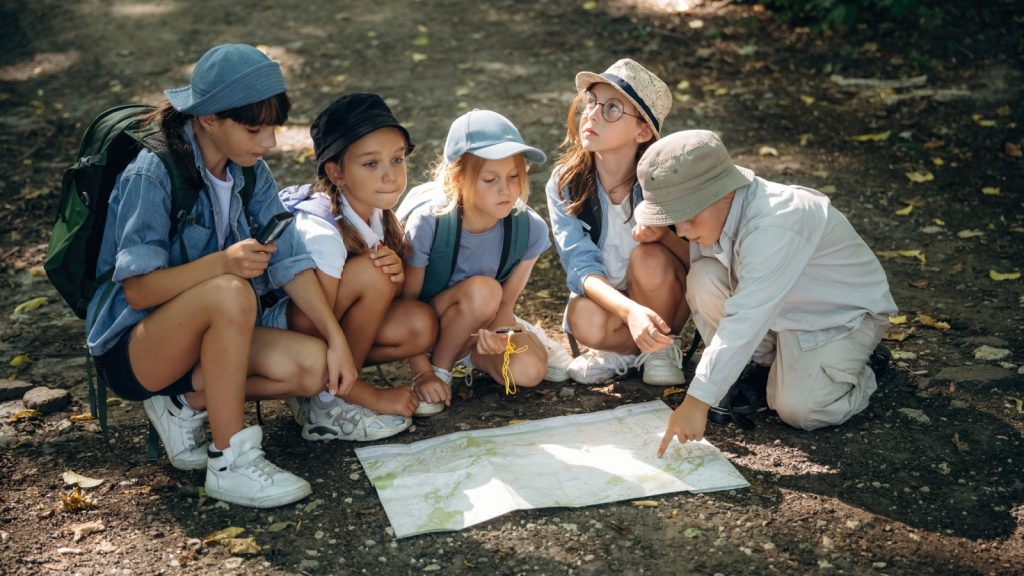

Family trips are about much more than checking places off a bucket list. Even a simple weekend away can introduce children to new ideas, different people, and everyday experiences they cannot learn from a screen.
The best part is that meaningful travel does not have to be expensive. With thoughtful planning and a focus on experiences instead of extras, every family can create memorable adventures that teach valuable life skills.
Kids Learn Best Through Real Experiences
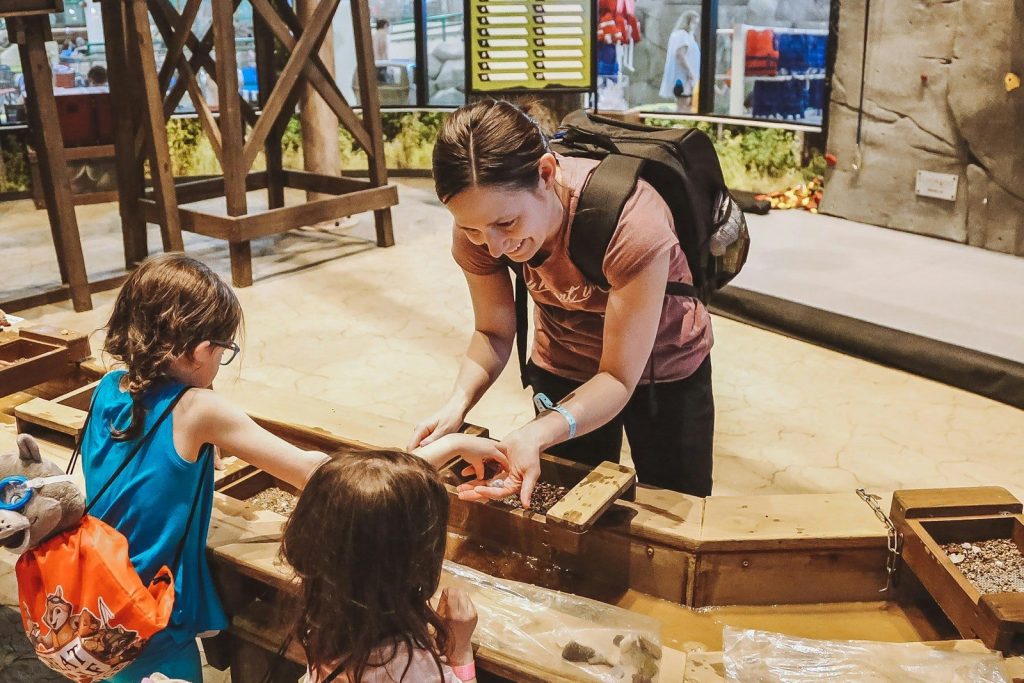
Reading about history or nature is helpful, but seeing it firsthand creates a stronger connection. Visiting museums, parks, farms, or historic neighborhoods turns ordinary lessons into lasting memories.
Many communities offer free or low-cost attractions that provide the same sense of discovery. Choosing these places helps families stretch their travel budget while giving children something meaningful to remember.
New Places Build Confidence
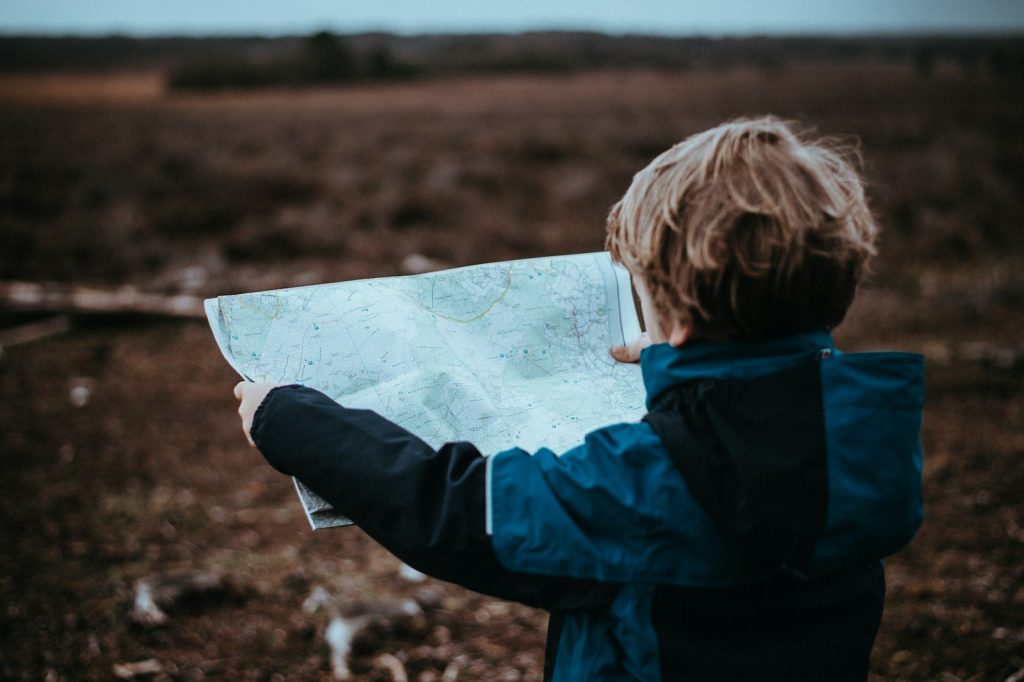
Travel encourages children to step outside familiar routines and adapt to new surroundings. Small challenges such as ordering food or navigating a new location help build independence.
Parents can involve children in simple travel decisions like reading maps or choosing activities. These moments create confidence while making everyone feel included in the journey.
Different Cultures Inspire Curiosity

Meeting new people and experiencing local traditions teaches children that the world is full of different customs and perspectives. That curiosity often continues long after the trip ends.
Simple experiences such as visiting neighborhood markets or attending community events usually cost less than major attractions. They also provide a more authentic look at everyday life.
Nature Encourages Healthy Habits
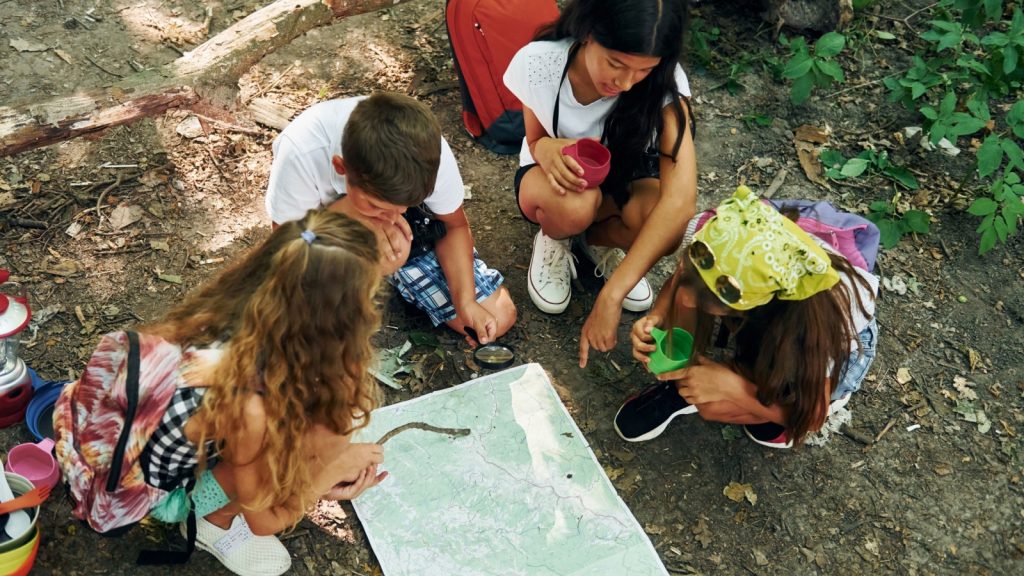
Outdoor adventures help children stay active while discovering wildlife, landscapes, and natural environments. Hiking, beach walks, and scenic trails combine exercise with exploration.
Packing reusable water bottles, healthy snacks, and comfortable walking shoes makes these outings affordable and convenient for the entire family.
Shared Memories Become Family Traditions
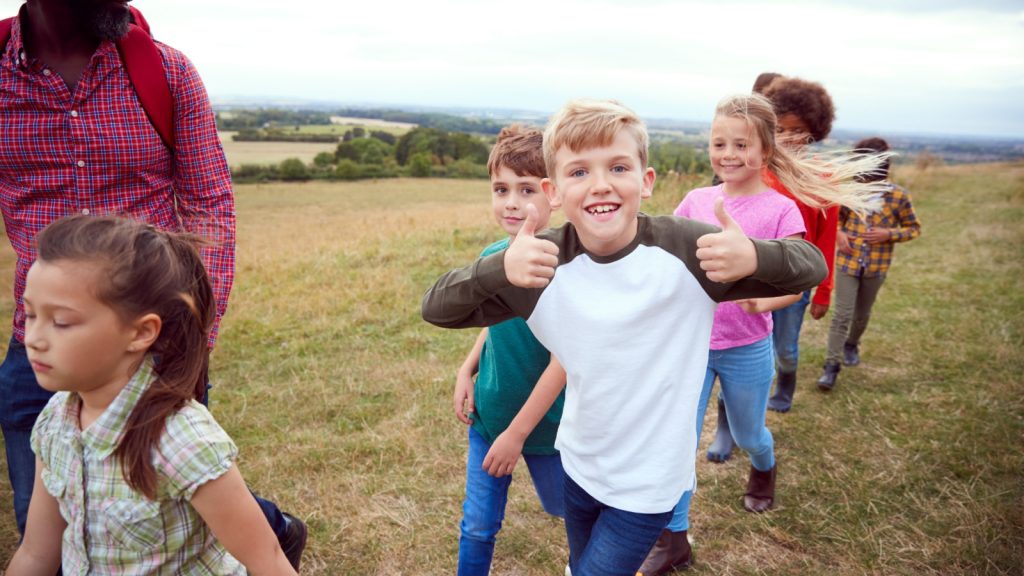
Years later, children often remember funny travel moments more clearly than expensive souvenirs. Shared experiences strengthen family bonds in ways that purchased items rarely can.
Consider creating a travel journal or photo album together after each trip. These inexpensive keepsakes preserve memories while encouraging children to reflect on what they learned.
Problem Solving Happens Naturally
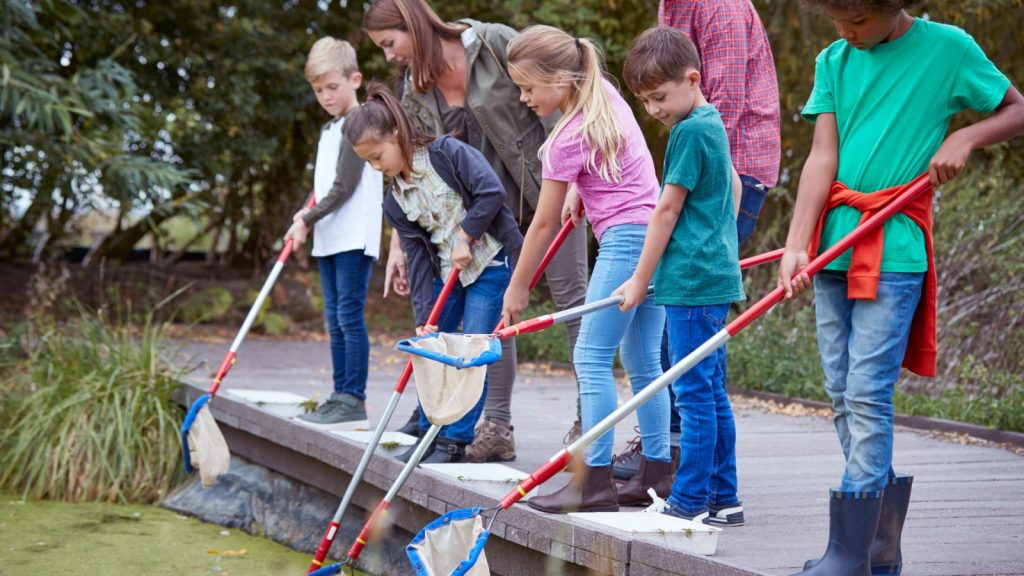
Unexpected weather, delayed plans, or unfamiliar surroundings teach children how to stay flexible and think through challenges calmly. These lessons are difficult to recreate at home.
Parents who approach small travel setbacks with patience show children that problems often have simple solutions. That attitude becomes a valuable everyday skill.
Smart Travel Teaches Smart Spending
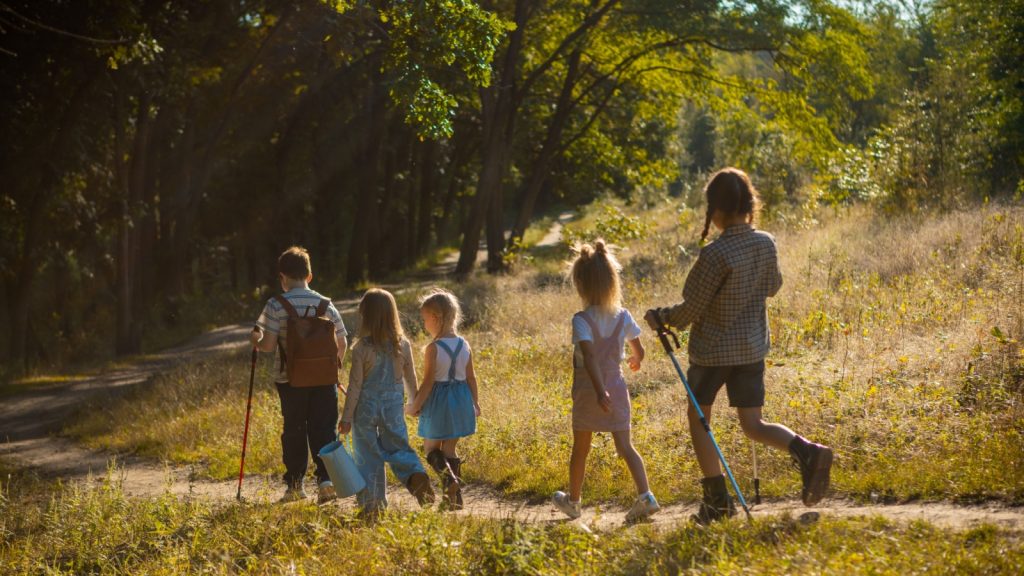
Travel offers many opportunities to explain budgeting in practical ways. Children can learn why comparing prices, packing essentials, and choosing free activities often creates better value.
Giving older children a small spending budget also teaches thoughtful decision-making. They begin to understand the difference between wants and lasting experiences.
Every Trip Can Spark Lifelong Learning
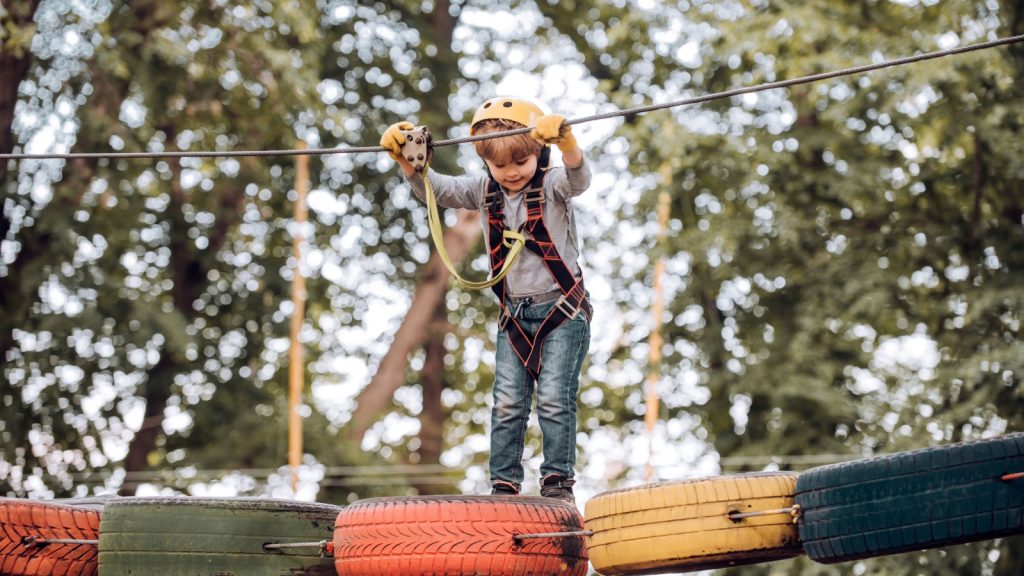
Children often return home with new interests after visiting different places. A museum may inspire reading, a national park may encourage outdoor hobbies, or a local festival may introduce a new culture.
The most valuable family vacations are not always the most expensive ones. They are the journeys that encourage curiosity, strengthen relationships, and create lessons children carry well into adulthood.
Featured Image: Standret on Shutterstock