
Using cold water for laundry has become a common method in modern households. Laundry technology and detergent improvements have made it effective for most daily loads.
Many homes now rely on cold cycles to clean clothing while reducing energy use and protecting fabrics. The method supports cost savings and garment care without reducing overall cleaning performance.
1. Reduced Energy Use
Cold water washing lowers electricity consumption because it removes the need to heat water. Water heating is one of the most energy intensive parts of a laundry cycle.
Removing this step reduces total household energy demand. Over time, this leads to lower utility costs and more efficient appliance use, especially for frequent laundry schedules.
2. Fabric Longevity
High temperatures place stress on textile fibers. Repeated exposure to heat weakens material structure and shortens garment lifespan.
Cold water helps maintain fiber strength by avoiding thermal damage. Clothing keeps its original form for longer periods, which reduces wear and supports long term use of everyday garments.
3. Color Stability

Cold water helps maintain fabric color by slowing dye breakdown. Heat can cause dyes to loosen and fade more quickly.
Dark fabrics, printed designs, and bright clothing hold their appearance better in cooler washes. This keeps clothing looking consistent across repeated laundry cycles.
4. Less Shrinking in Clothing
Many fabrics react to heat by contracting. Cotton and wool are especially sensitive to high temperatures.
Cold water reduces this reaction by keeping fibers stable during washing. Clothing maintains its original size more reliably, which helps preserve fit across multiple wears and washes.
5. Modern Detergent Performance

Laundry detergents are now designed to work in low temperatures. Enzymes in these formulas break down stains such as oil, sweat, and food residue without requiring heated water.
When used correctly, these detergents provide strong cleaning results in cold cycles and handle common household stains effectively.
6. Lower Environmental Strain

Cold water washing reduces electricity demand, which lowers overall energy production needs. Many power systems still rely on fuel sources that generate emissions.
Reducing hot water use decreases the load on these systems. This contributes to lower environmental impact from routine household laundry activity.
7. Improved Detergent and Machine Integration
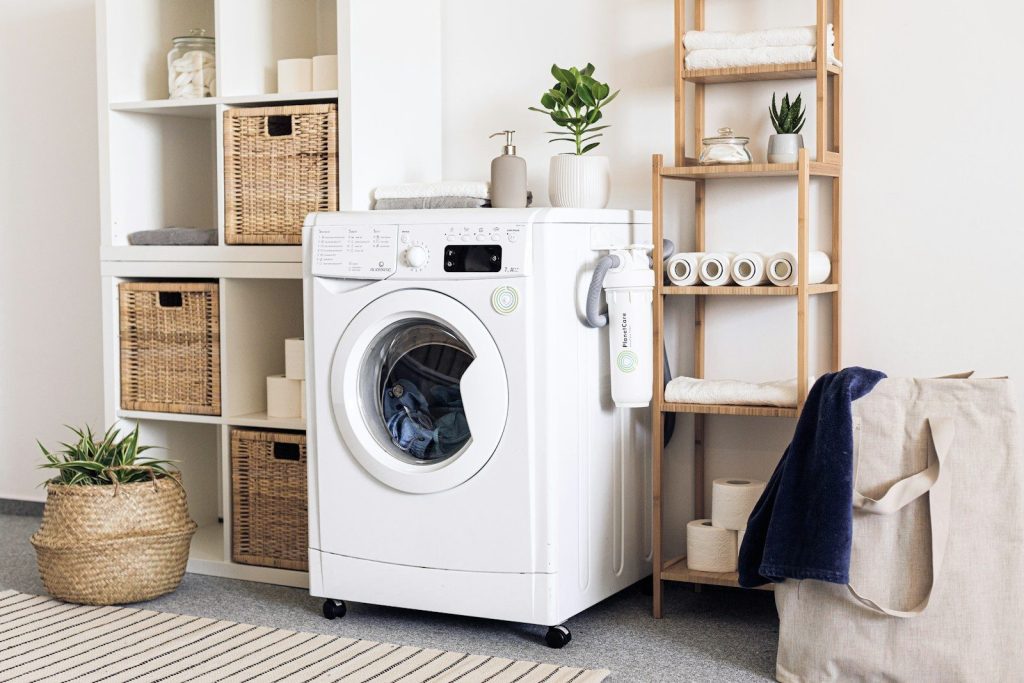
Modern detergents and washing machines are built with cold cycles in mind. Machines adjust timing and agitation patterns to improve cleaning in cooler temperatures.
Detergent formulas are also calibrated for faster activation without heat. This combination supports consistent results across different fabric types and soil levels.
8. Appliance Wear Reduction and Efficiency
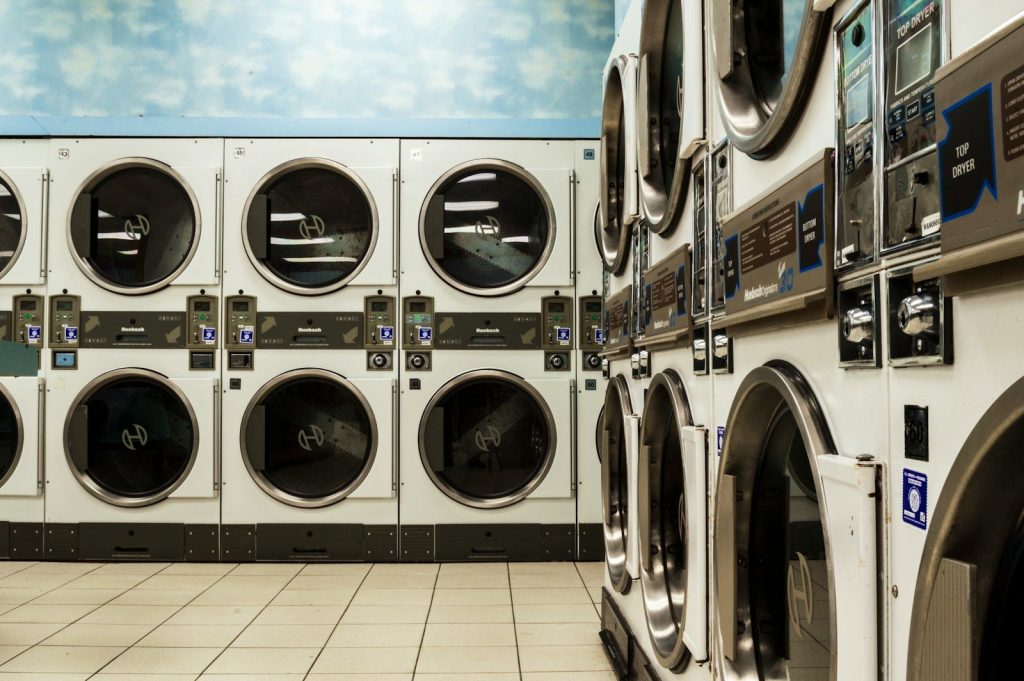
Cold water cycles reduce stress on washing machine components that handle heat regulation. Lower operating temperatures limit wear on internal systems over time.
This can extend appliance lifespan and reduce maintenance demands. Machines also run more efficiently when heating systems are not engaged during every cycle.
Cold Water as a Standard Practice

Cold water laundry offers practical benefits across energy use, fabric care, and cleaning performance. It supports longer lasting clothing, stable colors, and reduced shrinkage.
Advances in detergent and machine design have strengthened its effectiveness. The method has become a standard option for everyday laundry routines in many households.