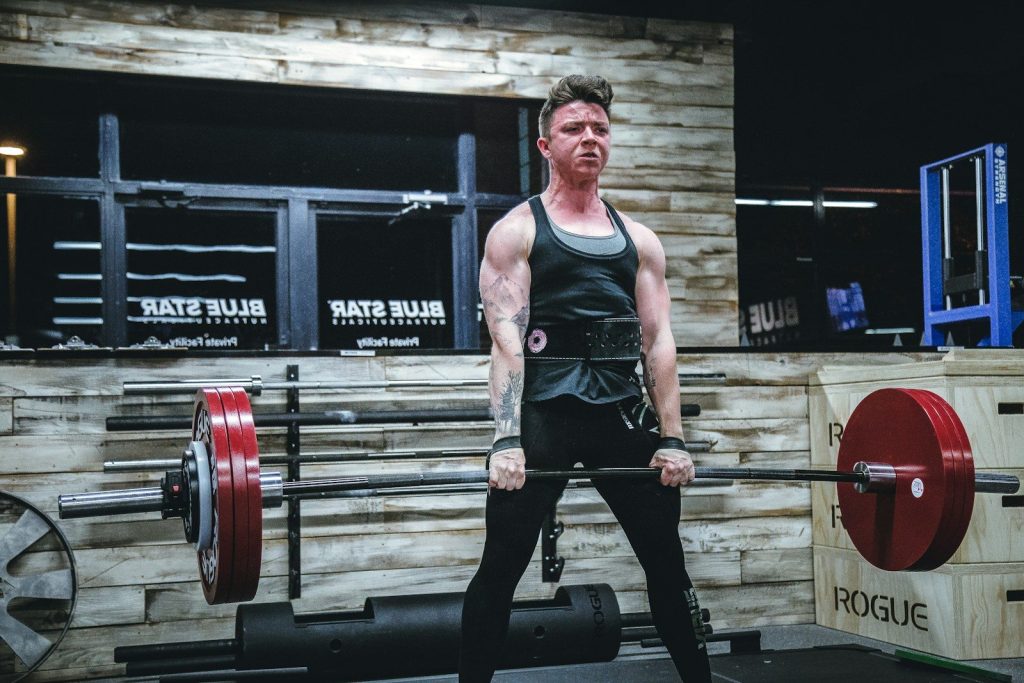

Pull-ups are one of the most rewarding body weight exercises, but they can also feel intimidating when you are just starting out. Rushing the process often leads to frustration, poor form, or unnecessary aches that slow your progress.
The good news is that you do not need expensive equipment or advanced training to build confidence. A few practical habits can help you improve safely while making the most of every workout.
Do Not Skip a Proper Warm-Up
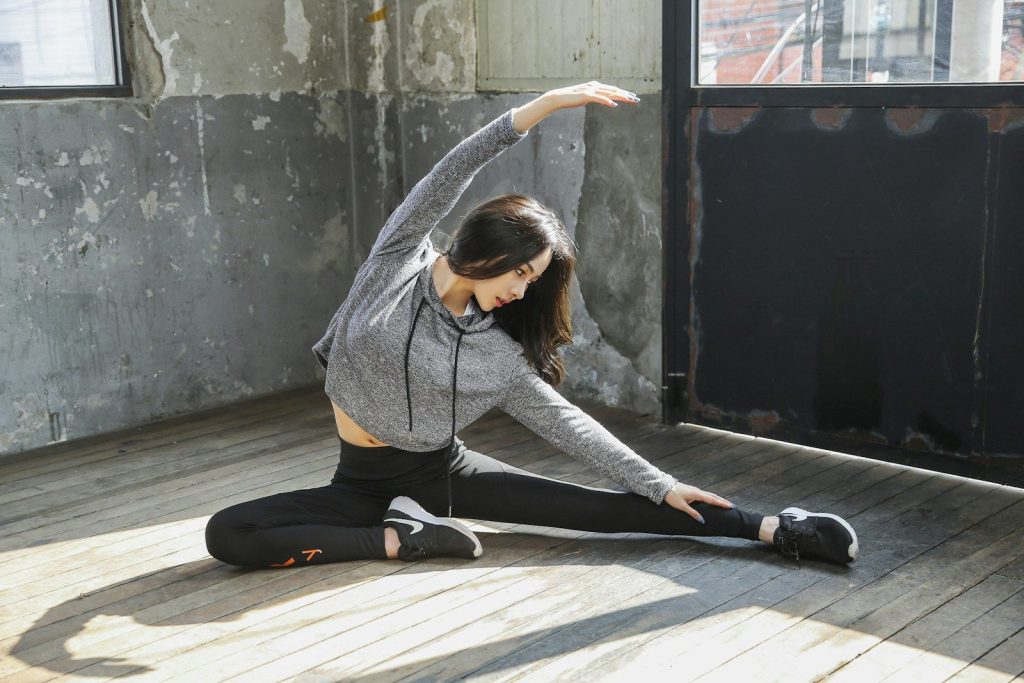
Jumping straight to the pull-up bar can leave your shoulders and arms feeling stiff. A few minutes of gentle movement prepares your muscles and joints for the work ahead.
Try shoulder circles, light arm swings, and simple mobility exercises before your first attempt. Warming up helps you move more comfortably and reduces the chance of avoidable strain.
Build Strength Before Chasing Repetitions
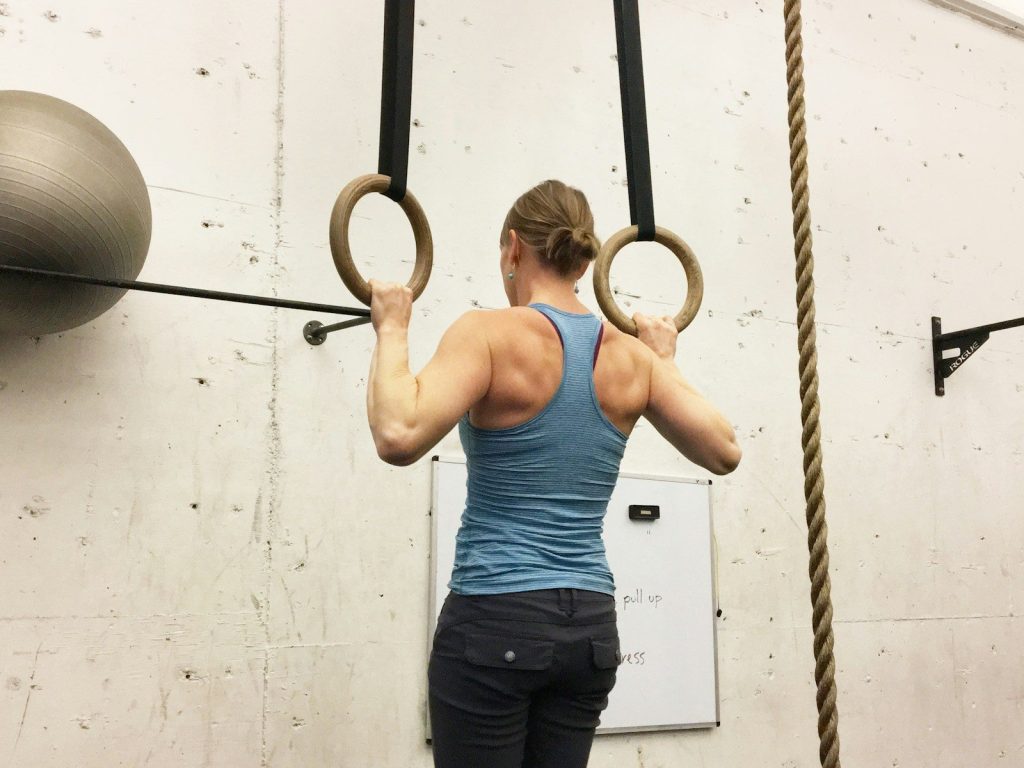
Many beginners focus on completing one full pull-up immediately. Developing the necessary strength first often leads to better long-term progress.
Exercises like assisted pull-ups, body rows, and controlled lowering movements strengthen the same muscles. These options require little equipment and help you improve without rushing.
Focus on Form Instead of Speed
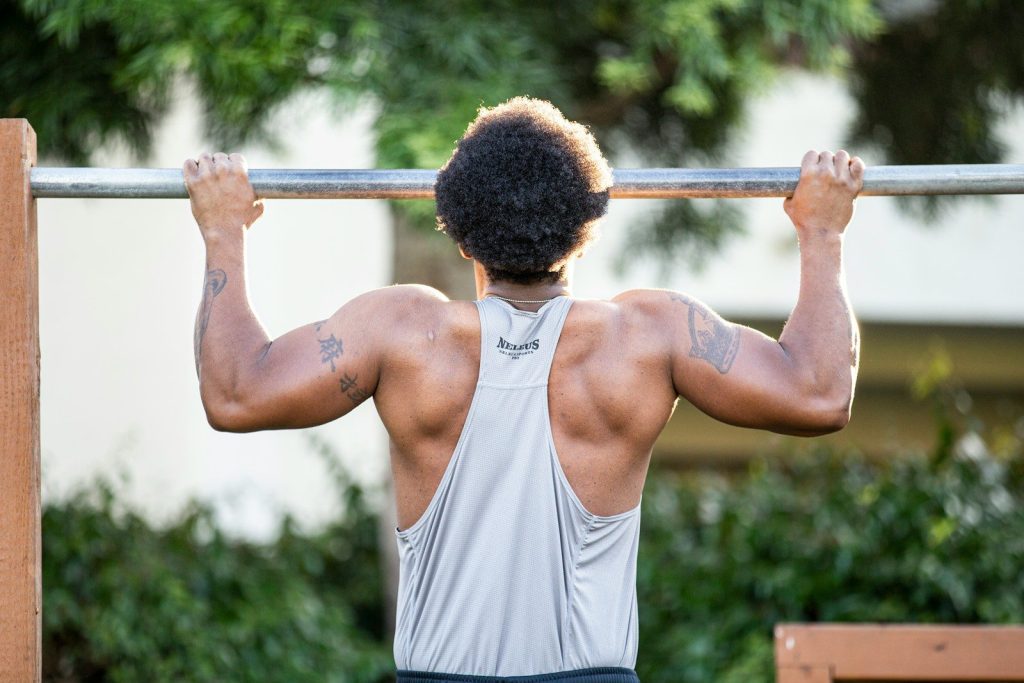
Fast repetitions may look impressive, but controlled movement builds better technique. Swinging your body to reach the bar often shifts the effort away from the muscles you want to train.
Move through each repetition with steady control. Good form creates more consistent results and helps protect your shoulders over time.
Pay Attention to Your Grip
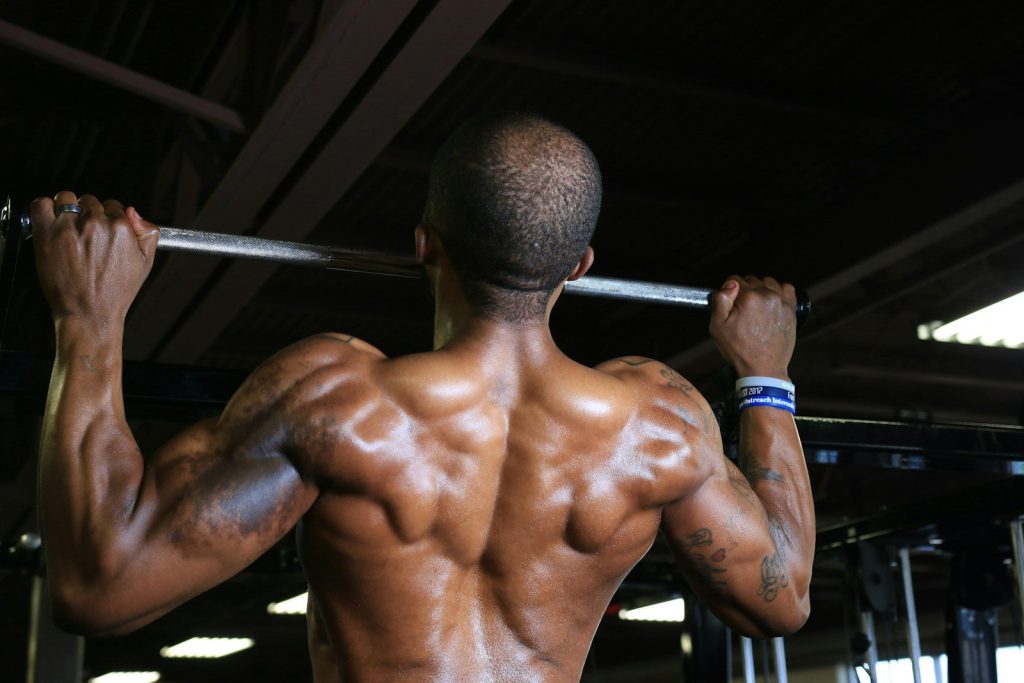
Your grip affects both comfort and performance. Holding the bar too tightly can cause your forearms to tire long before your back muscles are challenged.
Experiment with a grip width that feels natural and comfortable. Small adjustments often make the exercise feel more stable and efficient.
Give Your Body Time to Recover
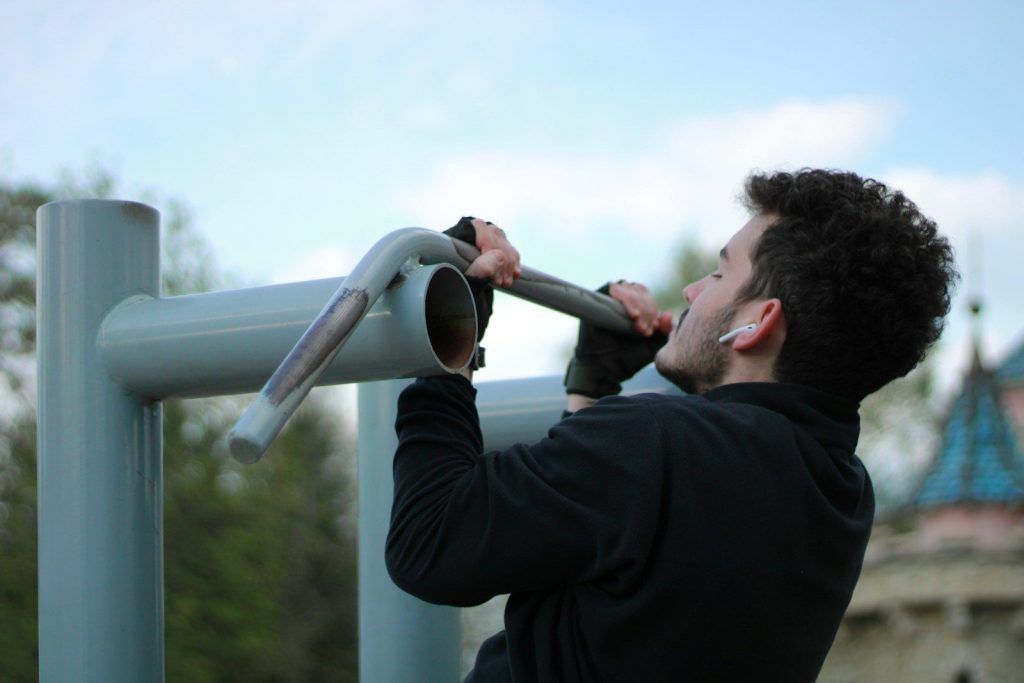
Improvement happens during recovery as much as during training. Working the same muscles every day may leave you feeling tired instead of stronger.
Schedule rest days between challenging pull-up sessions. Consistent recovery supports better performance while reducing the risk of overuse discomfort.
Strengthen More Than Just Your Arms
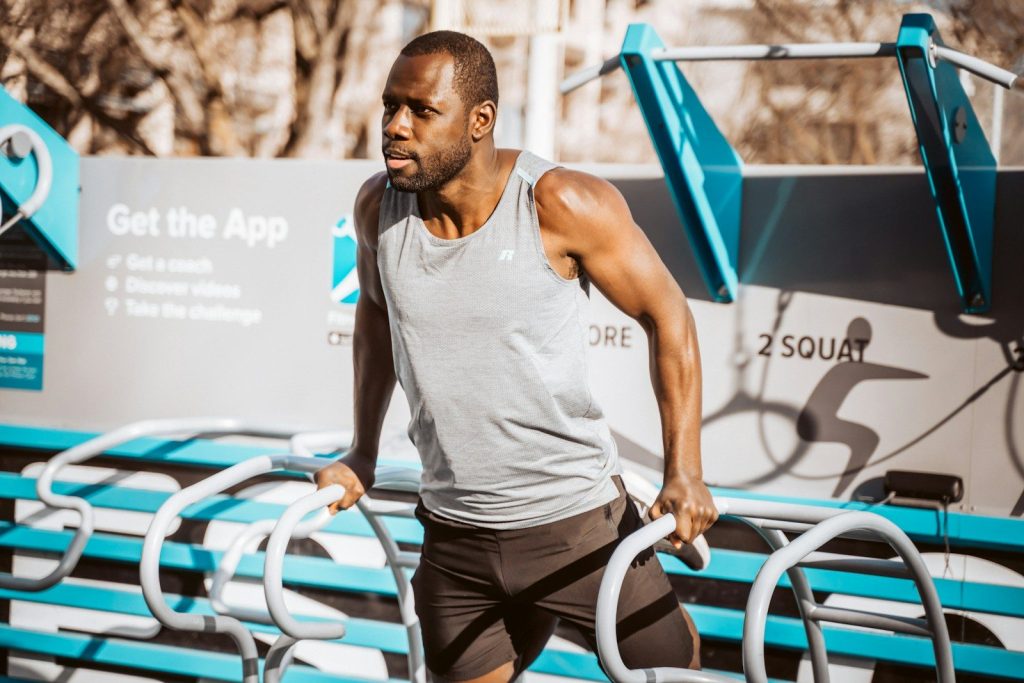
Pull-ups rely on much more than arm strength alone. Your back, shoulders, and core all work together to complete each repetition.
Adding simple exercises like planks, rows, and resistance band movements creates balanced strength. A well-rounded routine often produces faster improvement than practicing pull-ups alone.
Use Equipment That Supports Safe Training
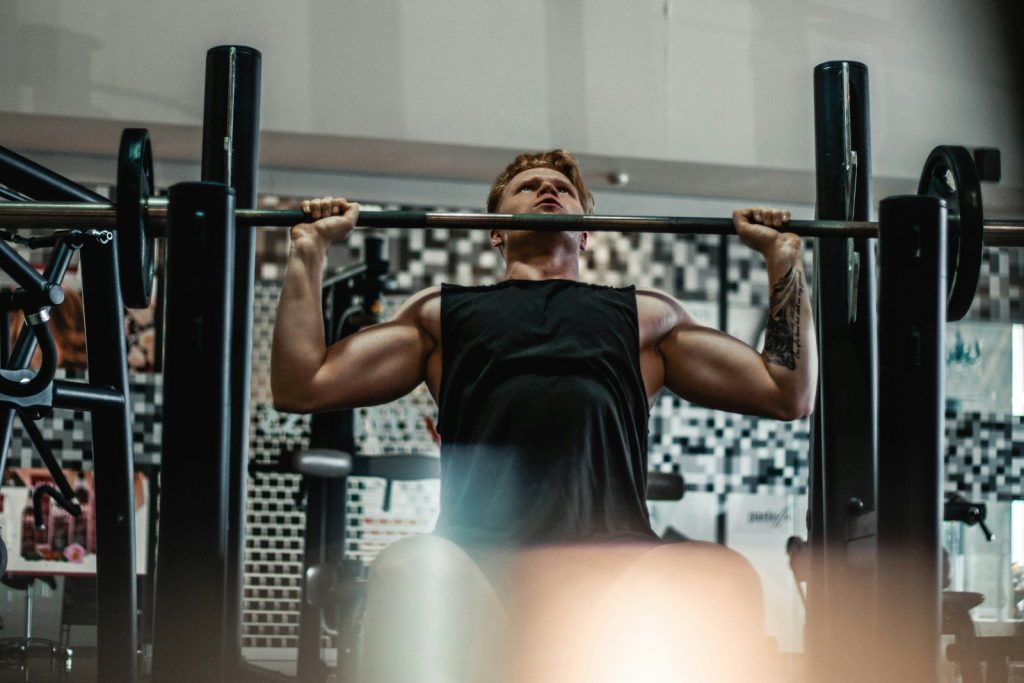
A sturdy pull-up bar is one of the most important pieces of equipment in your workout. Always check that it is installed correctly before every session.
If you train at home, inspect the bar regularly for movement or wear. Choosing reliable equipment protects both your progress and your confidence.
Measure Progress Beyond Your First Pull-Up
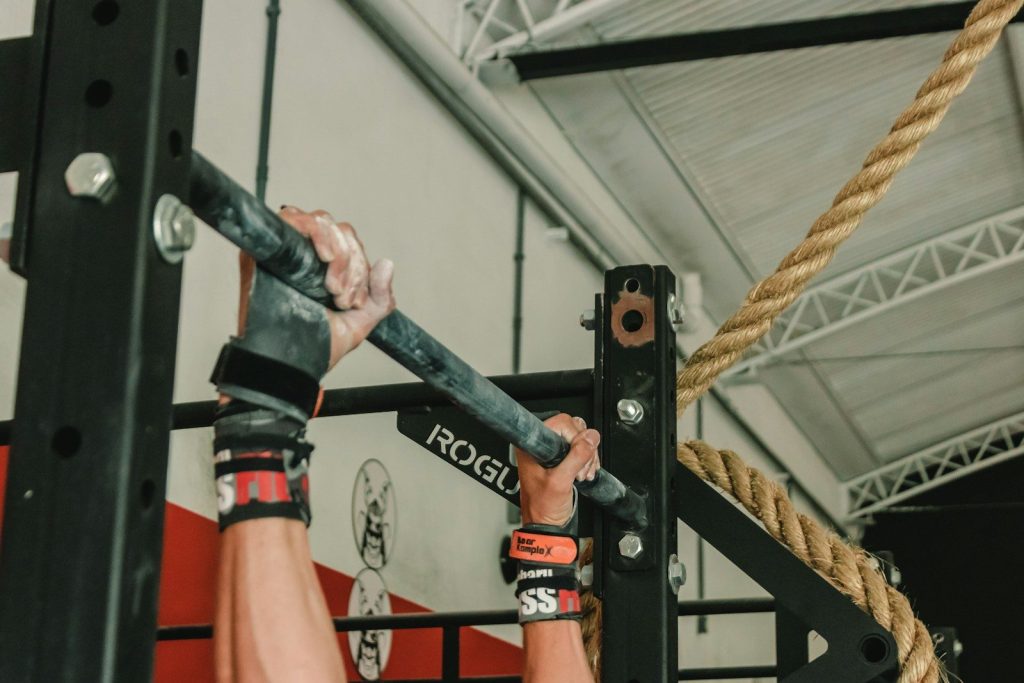
Completing one pull-up is an exciting milestone, but it is not the only sign of success. Better control, improved posture, and increased strength all show that your training is working.
Celebrate small improvements along the way and stay patient with the process. Steady practice costs very little, requires minimal equipment, and delivers lasting fitness benefits without the need for an expensive gym routine.