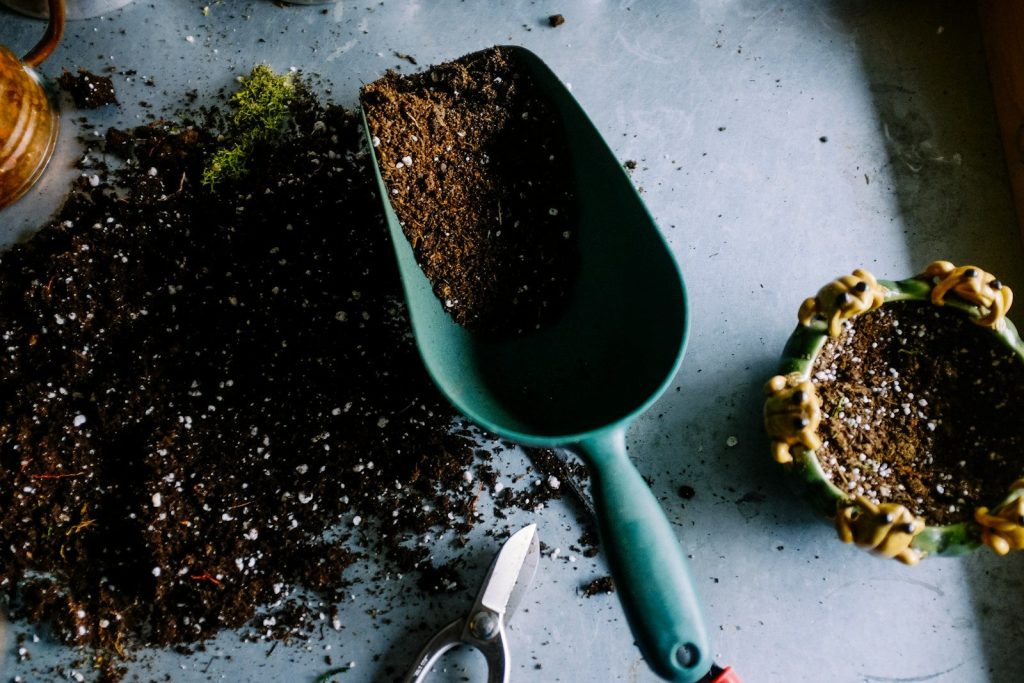

Natural fertilizers remain a popular choice in 2026 because they improve plant growth without relying heavily on synthetic chemicals. They enrich the soil, support beneficial organisms, and help plants stay healthy throughout the growing season.
Vegetables, flowers, herbs, and indoor plants all benefit from nutrient-rich soil. Strong soil conditions usually lead to healthier roots, greener leaves, and better harvests.
1. Compost Improves Soil Naturally
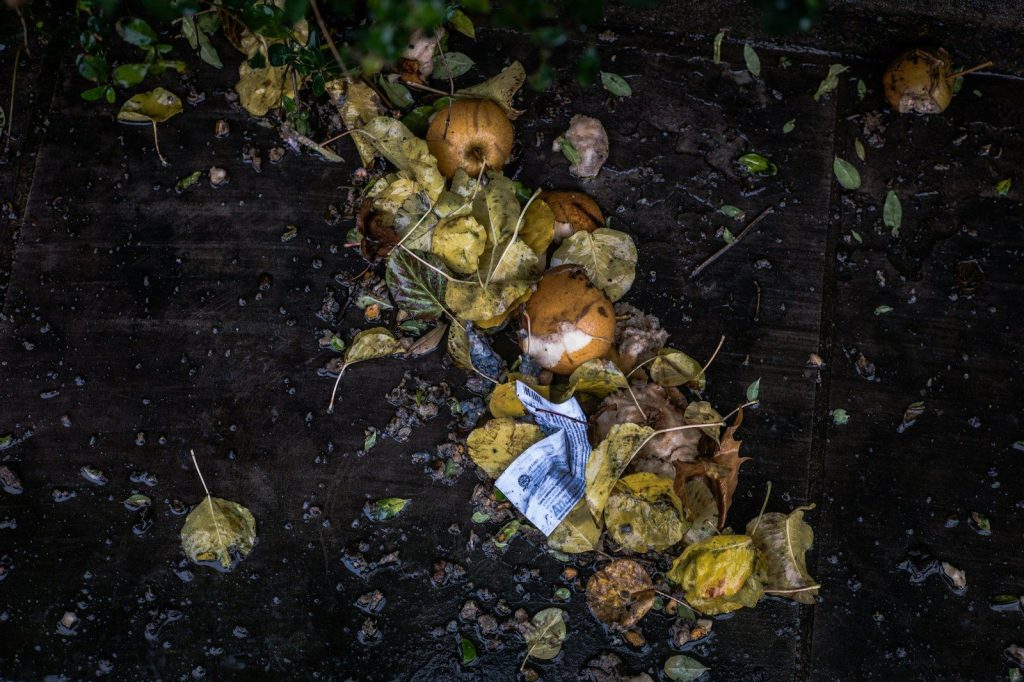
Compost is one of the most effective natural fertilizers for home gardens. It forms from decomposed food scraps, leaves, grass clippings, and other organic material.
It improves soil texture, helps the ground hold moisture, and supplies nutrients gradually. Compost also supports healthy microbial activity below the surface. Many gardeners spread compost across garden beds before planting or place a thin layer around existing plants during the season.
2. Worm Castings Help Plants Thrive
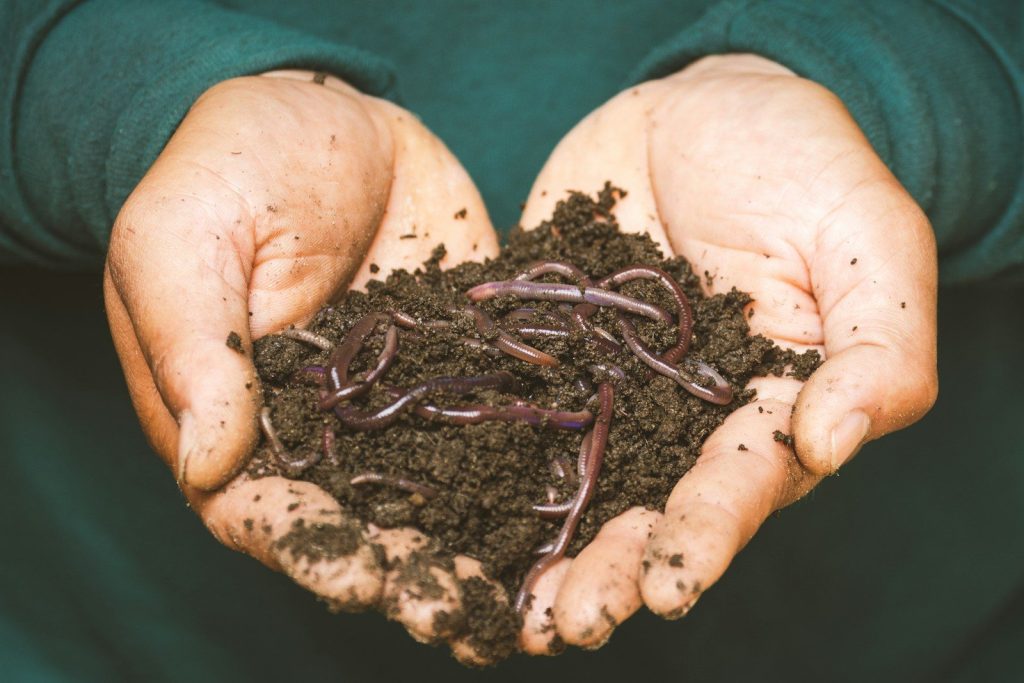
Worm castings contain nutrients and beneficial microbes that support strong plant growth. They are produced when earthworms break down organic matter.
This fertilizer releases nutrients slowly, which makes it suitable for seedlings, vegetables, flowers, and potted plants. Many gardeners use worm castings to improve root strength and leaf development. A small amount mixed into potting soil or added around plants can improve overall garden health.
3. Fish Emulsion Supports Leafy Growth
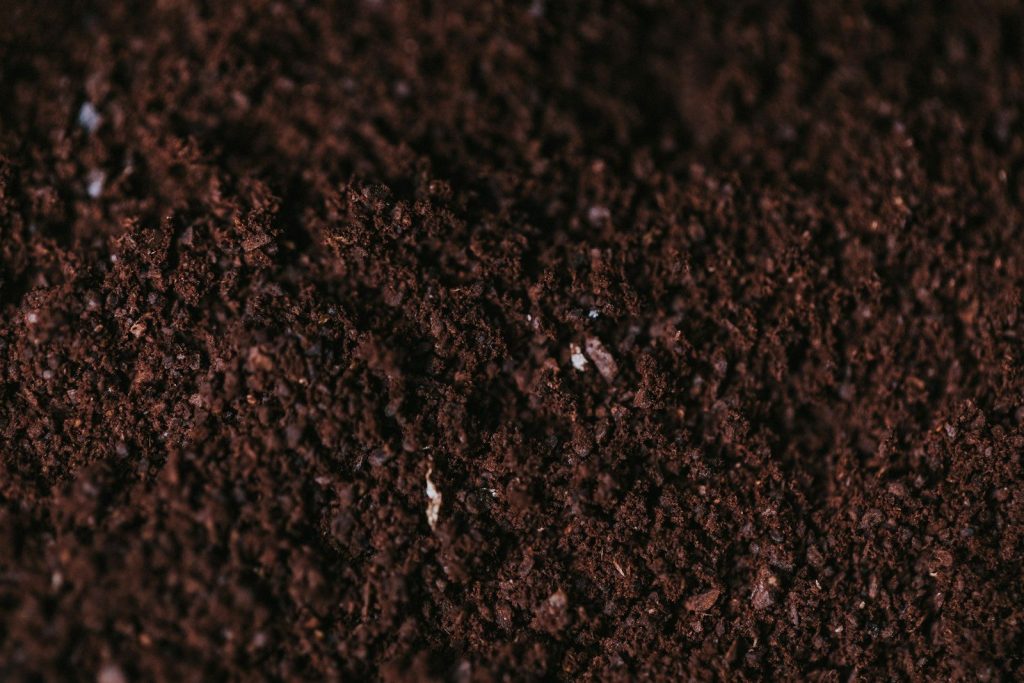
Fish emulsion is a liquid fertilizer made from processed fish materials. It contains nitrogen, phosphorus, and potassium, which help plants grow steadily.
Leafy vegetables such as spinach and lettuce often respond well because nitrogen encourages green growth. Fish emulsion is also useful for weak plants that need extra nutrients quickly. Proper dilution is important because concentrated mixtures may damage delicate roots.
4. Bone Meal Strengthens Roots
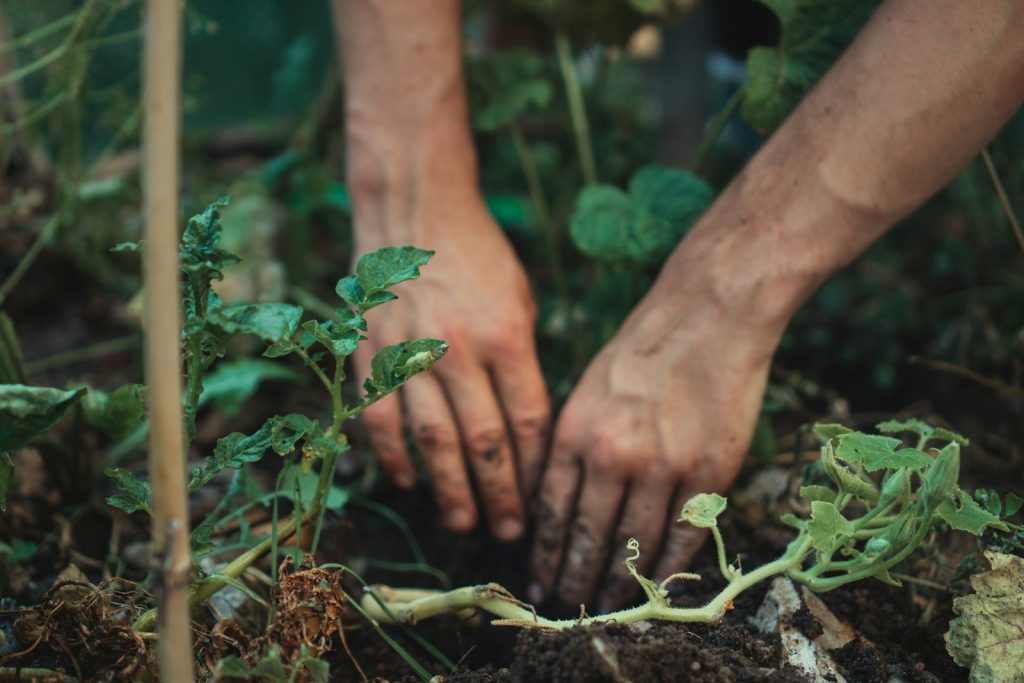
Bone meal is made from finely ground animal bones and contains high levels of phosphorus. This nutrient supports root development and encourages flowering and fruit production.
Tomatoes, roses, and flowering bulbs commonly benefit from bone meal applications. Since it breaks down gradually, plants receive nutrients over time instead of all at once. Many gardeners mix bone meal into the soil before planting.
5. Seaweed Fertilizer Adds Trace Minerals

Seaweed fertilizer supplies trace minerals that improve plant health and support stronger roots. It also helps plants handle heat and dry weather more effectively.
Liquid seaweed fertilizer can be sprayed onto leaves or added directly to the soil. Many gardeners combine it with compost or other natural fertilizers for better results. Regular use may improve leaf color and overall plant growth.
6. Coffee Grounds Benefit Acid-Loving Plants
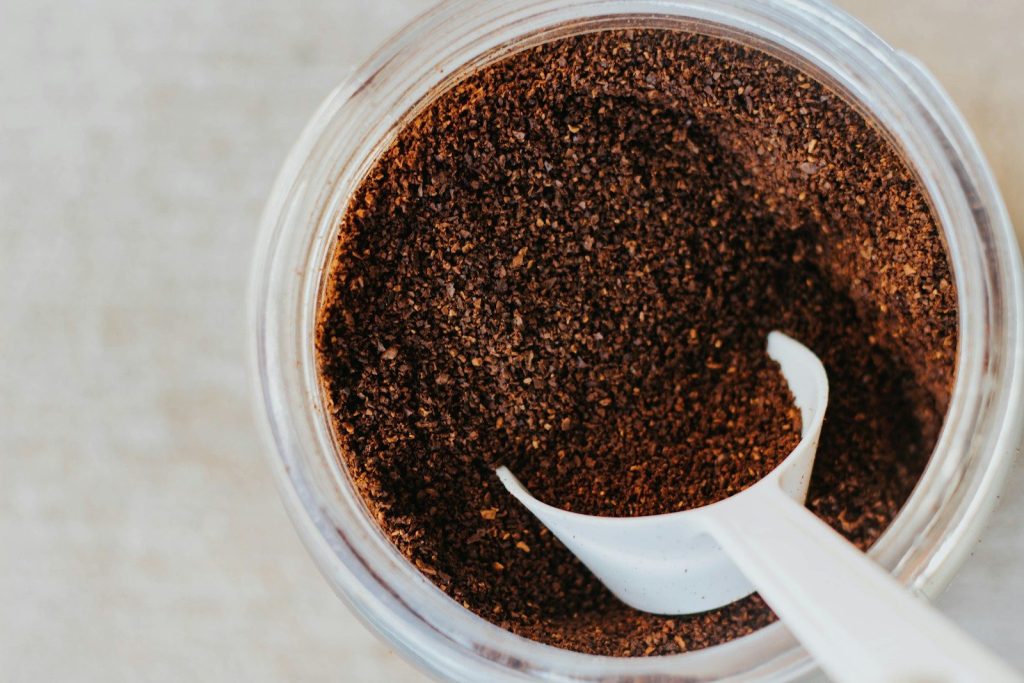
Used coffee grounds add organic material and small amounts of nitrogen to the soil. Acid-loving plants often respond especially well to this fertilizer.
Blueberries, hydrangeas, and azaleas are common examples. Many gardeners prefer mixing coffee grounds into compost piles to avoid compacting the soil. Moderate use works best because excessive amounts can interfere with water movement around roots.
7. Aged Manure Enriches Garden Beds

Aged manure has been used in gardening for generations. Cow, chicken, horse, and rabbit manure all improve soil fertility and add organic matter.
Composted manure supports microbial activity and helps plants absorb nutrients more effectively. It also improves soil structure over time. Fresh manure should never be used directly on plants because it may burn roots or introduce harmful bacteria.
8. Banana Peels Supply Potassium
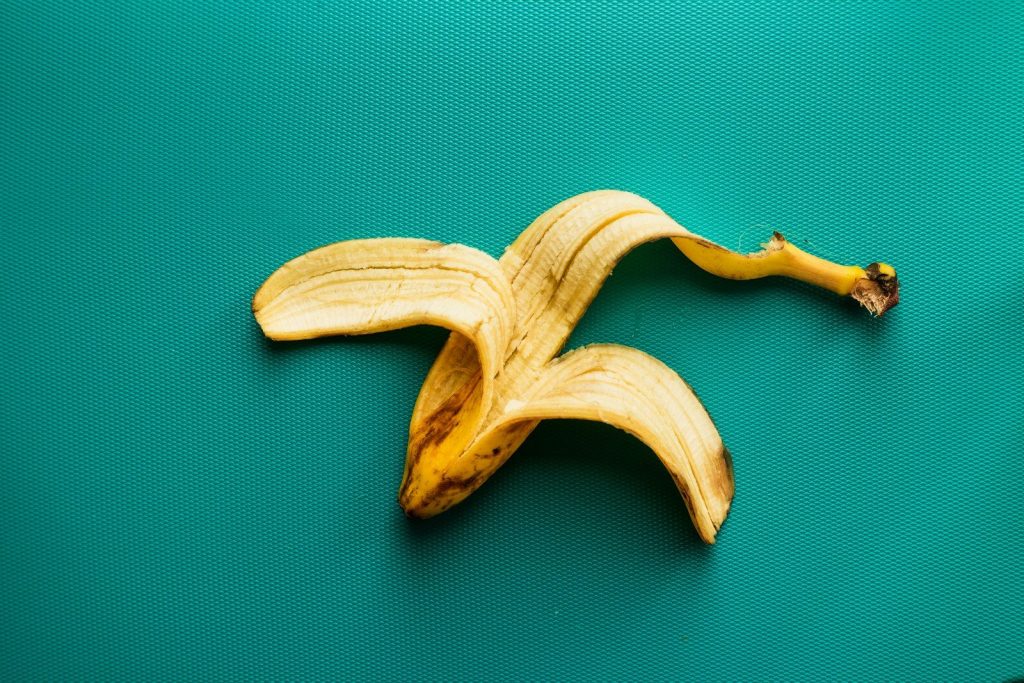
Banana peels contain potassium, which supports flowering and fruit production. Many home gardeners use them as an affordable natural fertilizer.
Some gardeners bury chopped peels near plant roots, while others soak them in water to create liquid fertilizer. Tomatoes, peppers, and roses often benefit from the additional potassium during active growth periods.
Natural Fertilizers Support Long-Term Growth
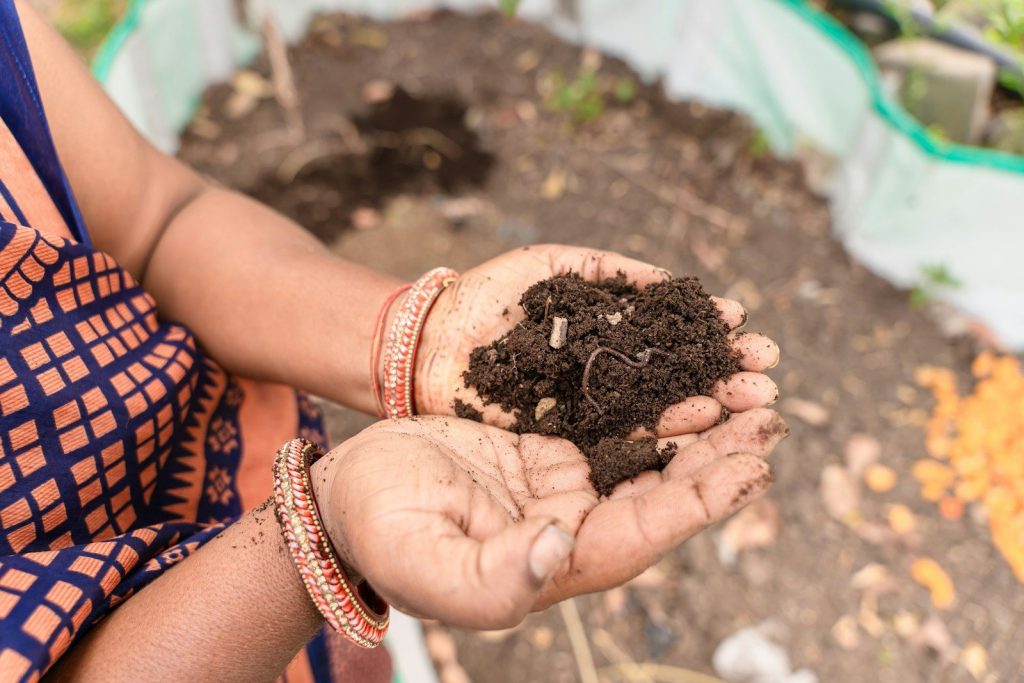
Natural fertilizers improve soil quality and support healthier plants over time. Many successful gardens rely on a combination of compost, bone meal, fish emulsion, and other organic materials throughout the year.
Healthy soil creates stronger roots, better nutrient absorption, and improved resistance to stress. Natural fertilizers provide a practical way to maintain productive gardens without depending heavily on synthetic products.