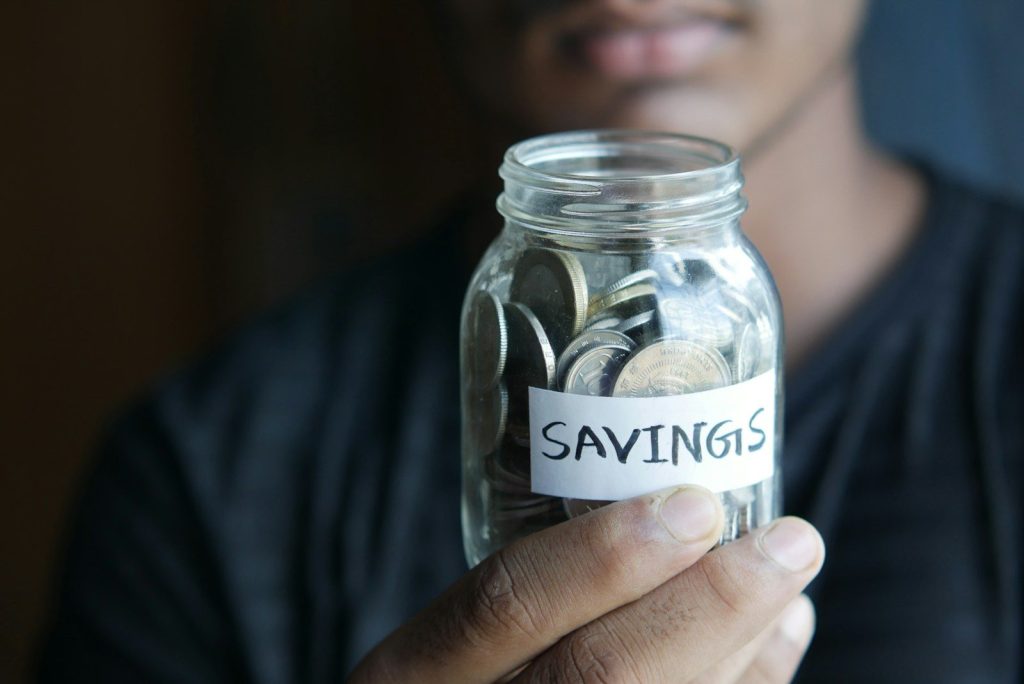

Moving to a new country often means starting over with limited resources. Whether it is furnishing a home, learning unfamiliar stores, or managing every paycheck carefully, many immigrant families develop practical habits that help stretch every dollar.
These habits are not exclusive to one culture or community. They are simple ways of thinking about money that anyone can borrow to reduce waste, spend with more purpose, and build a stronger financial foundation.
They Furnish a Home One Piece at a Time

Many people feel pressure to make a new home look complete as quickly as possible. Families starting over often take the opposite approach by living with only the essentials until they discover what they truly need. A dining table bought six months later is often a better purchase than one bought in a rush.
This slower approach prevents expensive mistakes because every item earns its place. Instead of filling rooms to match a picture in a catalog, they allow the home to grow naturally. The result is often less clutter, fewer regrets, and more money left for genuine priorities.
Every Grocery Trip Starts With What Is Already at Home
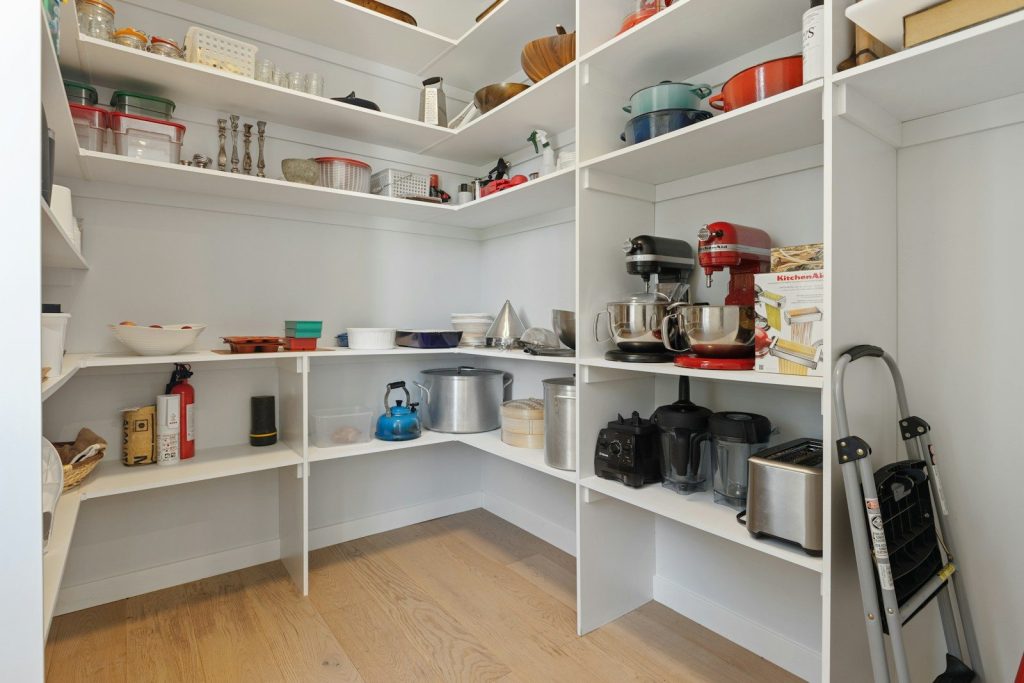
When every dollar matters, wasting food feels like wasting opportunity. Many families build meals around what is already in the pantry before deciding what needs to be bought. Half a bag of rice, leftover vegetables, and a few eggs become dinner instead of forgotten ingredients.
This habit turns creativity into a money saving skill rather than a cooking challenge. Instead of asking, “What should we buy tonight?” the better question becomes, “What can we make with what we already have?” That small change in thinking often reduces grocery spending without feeling restrictive.
They See Repair as a First Option, Not a Last Resort
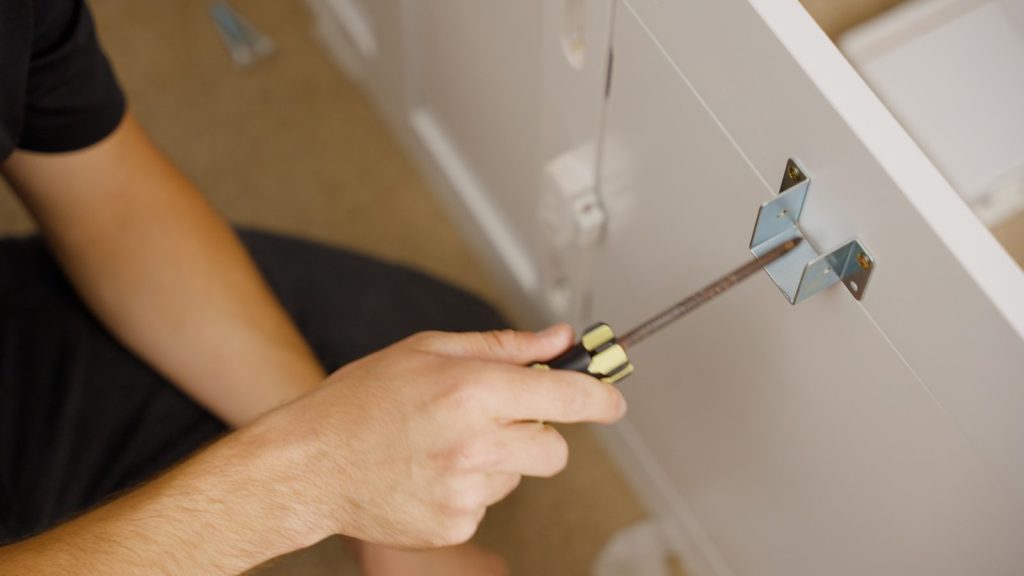
A loose chair, torn backpack, or squeaky cabinet is not automatically replaced. It is first examined to see whether a simple repair can give it a few more years of life. This mindset values usefulness over perfection.
Repairing something also creates a stronger connection with the things you own. People are often surprised by how many everyday items need only a screwdriver, a little glue, or a replacement part instead of a trip to the store. Saving money becomes a natural result of taking a closer look.
Shopping Is Planned Long Before Entering the Store

For many families rebuilding their lives, walking through a store without a purpose feels risky. They often know exactly what they need, how much they expect to spend, and which purchases can wait for another week. The shopping list acts as a financial boundary rather than a suggestion.
That habit also reduces decision fatigue because fewer choices compete for attention. Instead of reacting to colorful displays or limited time offers, they focus on completing a mission. The trip becomes shorter, calmer, and usually much less expensive.
Community Is Treated Like a Valuable Resource

Starting over often teaches people that not everything needs to be owned individually. A ladder can be borrowed, children’s clothes can be passed between families, and kitchen appliances can be shared for special occasions instead of purchased for one time use.
This way of thinking saves more than money because it strengthens relationships. Many neighborhoods already have opportunities to swap books, exchange tools, or share gardening supplies. Looking around before buying something new often reveals resources that were there all along.
They Separate Wants From Needs With One Simple Question

Many purchasing decisions come down to a quiet conversation with yourself. Families working within tight budgets often ask, “Will this improve our daily life, or do we simply like the idea of owning it?” That pause creates space for better decisions.
Interestingly, the answer is not always about saying no. Sometimes waiting a few days makes the excitement disappear, while other times it confirms that the purchase truly deserves a place in the budget. Either way, the decision becomes intentional instead of emotional.
Celebrations Do Not Depend on Expensive Spending
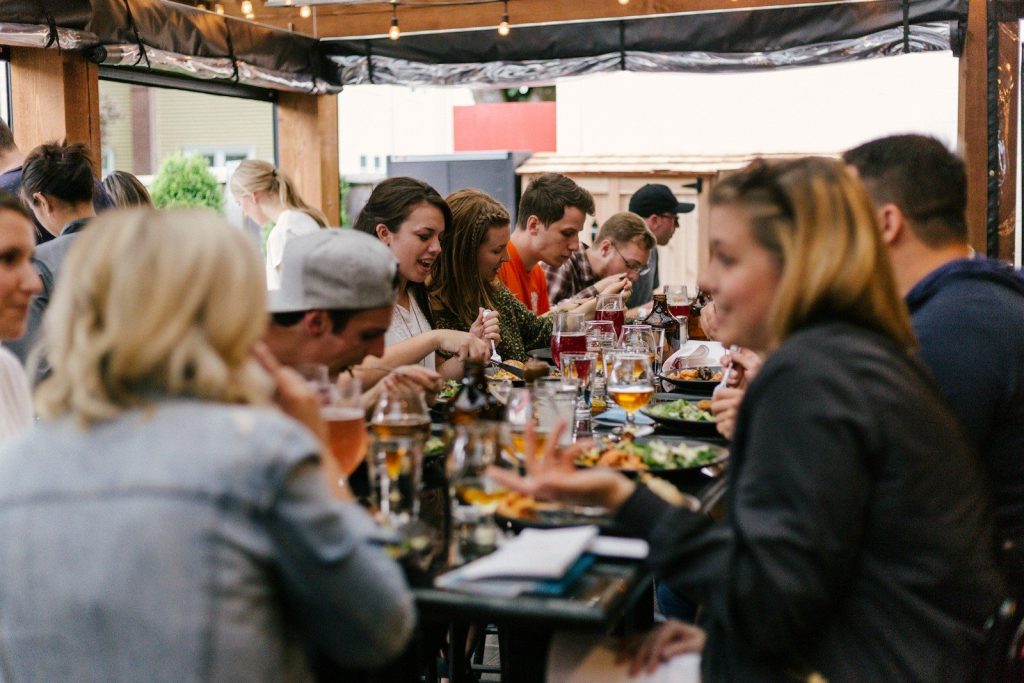
Across many cultures, some of the most memorable gatherings happen around homemade food, shared stories, and time spent together. A crowded table with simple dishes often creates stronger memories than an expensive restaurant reservation. The focus stays on people rather than purchases.
This reminder is especially valuable when special occasions begin to feel like financial obligations. Hosting a potluck, cooking family recipes, or meeting at a local park can make celebrations feel warm and meaningful without stretching the budget.
They Build Stability Before Upgrading Lifestyle

One lesson that often comes from starting over is learning the difference between progress and appearance. Buying the newest phone, the biggest television, or the trendiest furniture matters less than having savings for unexpected expenses. Stability becomes the real measure of success.
That perspective is useful for anyone, regardless of where they come from. When spending decisions reflect long term security instead of short term impressions, financial confidence grows naturally. Sometimes the smartest money habit is simply being comfortable growing at your own pace.