Learning is one of the few investments that can continue paying off throughout your life. While the world’s most educated nations highlight the value of knowledge, you do not have to live there to benefit from the same mindset.
The best part is that lifelong learning does not have to be expensive. By building a few practical habits, you can improve your skills, make smarter financial decisions, and create more opportunities while keeping your budget in check.
Stay Curious About Your Finances

Learning about personal finance is one of the most valuable habits you can develop. Understanding budgeting, saving, and everyday money management helps you make better decisions with every paycheck.
Even reading one article or listening to a short podcast each week can build knowledge over time. Small lessons today can help you avoid costly mistakes tomorrow.
Take Advantage of Free Learning Resources
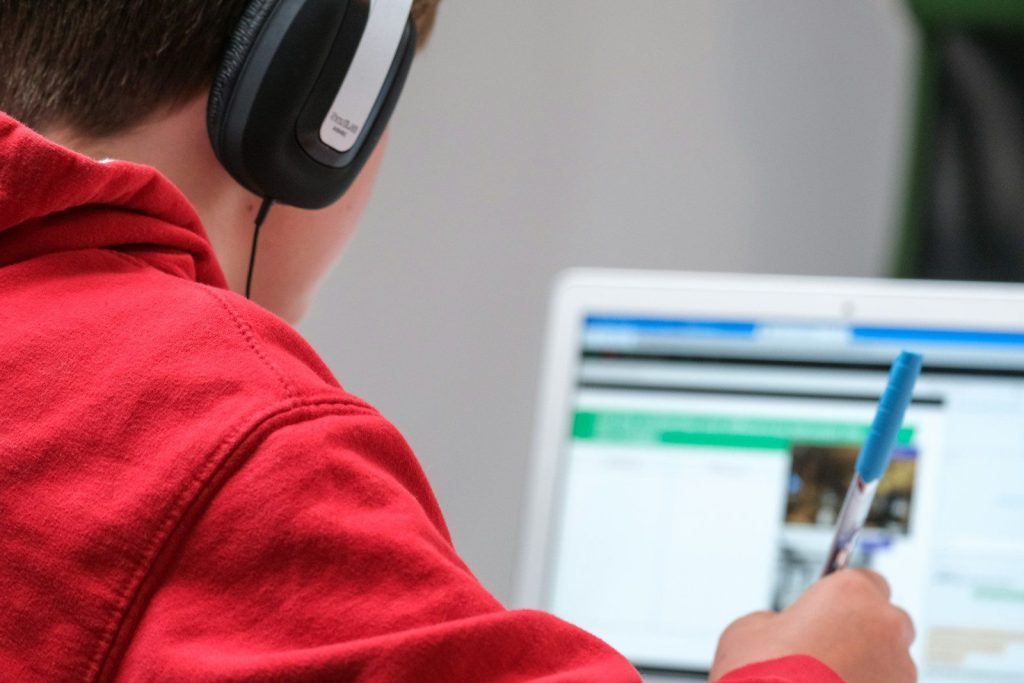
You no longer need to spend a fortune to learn something new. Libraries, online courses, educational videos, and podcasts offer valuable information at little or no cost.
Start with free resources before paying for expensive classes. This approach lets you explore new interests while protecting your budget.
Learn Skills That Can Increase Your Income

Practical skills often create opportunities that go beyond your current job. Improving your writing, communication, technology, or leadership abilities can help you qualify for promotions or explore side income.
Treat skill-building as a long-term investment rather than an expense. The returns may continue for years through better career opportunities.
Research Before You Spend

Lifelong learners rarely make major purchases without gathering information first. Comparing prices, reading reviews, and exploring alternatives can help you avoid buyer’s remorse.
This simple habit takes only a few extra minutes but can save significant money over the course of a year.
Learn Everyday Skills That Save Money

Simple abilities such as cooking at home, sewing a loose button, or handling basic household repairs can reduce everyday expenses. These practical skills also make you less dependent on paying someone else for small jobs.
The more you can confidently do yourself, the more flexibility you create within your monthly budget.
Keep Learning as Industries Change

Technology and workplaces continue to evolve, making continuous learning more important than ever. Staying informed about changes in your field helps you remain competitive and prepared for new opportunities.
Many employers value people who are willing to grow and adapt. Regular learning can strengthen both your confidence and your earning potential.
Share What You Learn

Teaching someone else is one of the best ways to strengthen your own understanding. Whether you share budgeting tips, practical skills, or career advice, passing along knowledge benefits everyone involved.
Helping others make smarter decisions can also inspire new ideas and strengthen your own financial habits.
Make Learning Part of Your Long-Term Plan
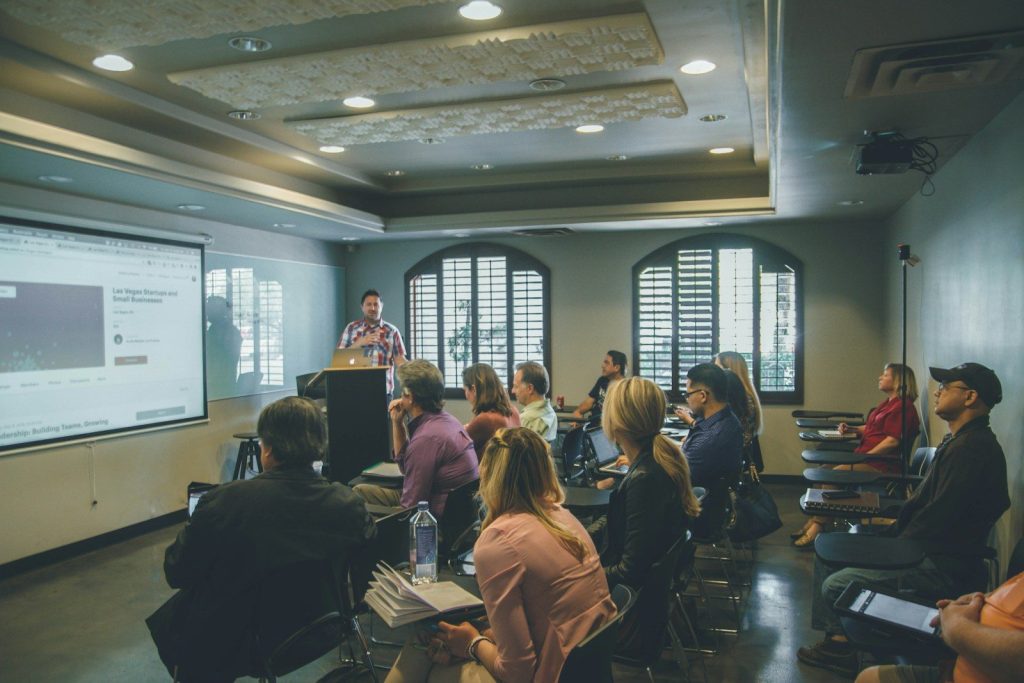
Unlike many purchases that lose value over time, useful knowledge continues to grow as you apply it in everyday life. Each new skill can make future decisions easier, whether you are managing your money, advancing your career, or solving everyday problems.
The world’s strongest education systems remind us that learning does not end with school. By making curiosity part of your daily routine, you can boost your income, stretch your budget, and build a more confident future one lesson at a time.