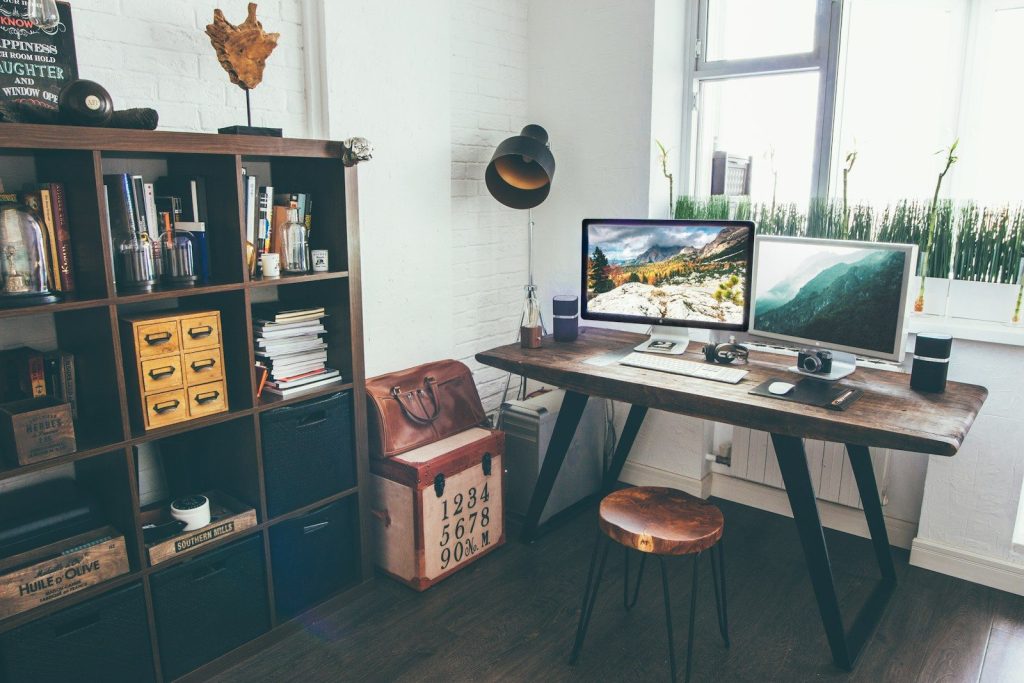

A productive home office is not about filling a room with expensive furniture or trendy accessories. The most effective workspaces are organized, comfortable, and designed to support your daily routine while making smart use of available space.
Small changes can improve focus, reduce clutter, and help your office serve multiple purposes. These practical ideas will help you create a workspace that feels professional without stretching your budget.
Start With the Best Spot You Already Have
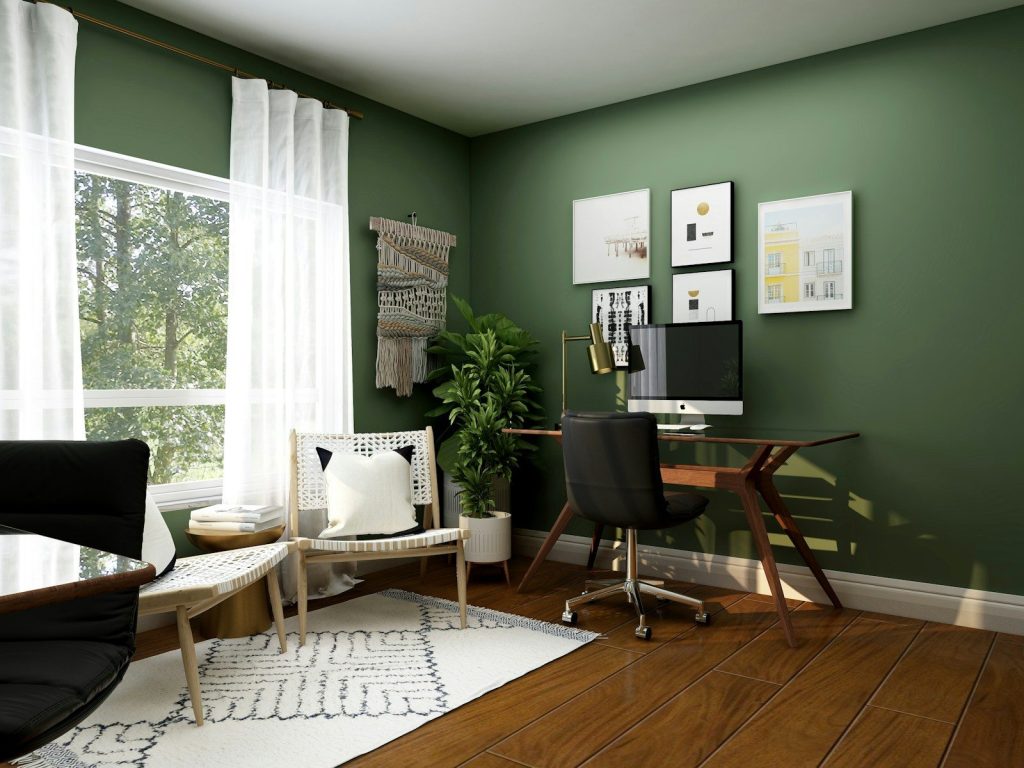
You do not need a dedicated room to create an effective office. An unused corner, spare bedroom, or quiet section of the living room can become a productive workspace with thoughtful planning.
Choose an area with minimal distractions and enough room for your essentials. Making the most of existing space avoids costly renovations while giving your work a consistent home.
Let Natural Light Do the Heavy Lifting
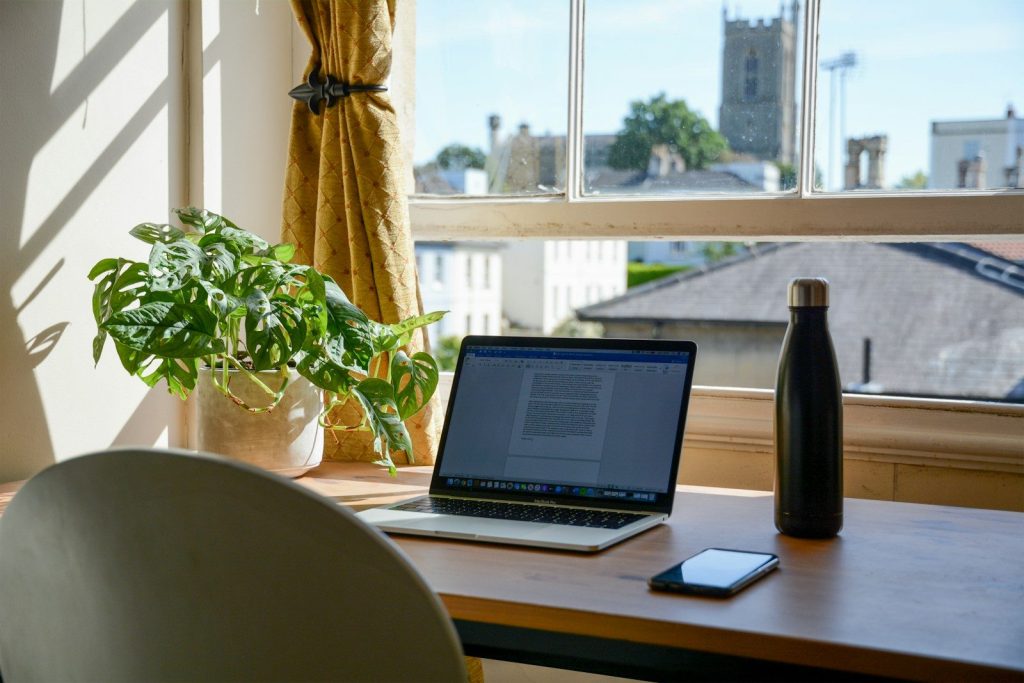
Position your desk near a window whenever possible to take advantage of daylight. Natural light can make long work sessions feel more comfortable while reducing the need for artificial lighting during the day.
If windows are limited, add a quality desk lamp that provides focused illumination. Better lighting helps reduce eye strain and creates a more welcoming workspace.
Keep Your Desk Clear With Smart Storage
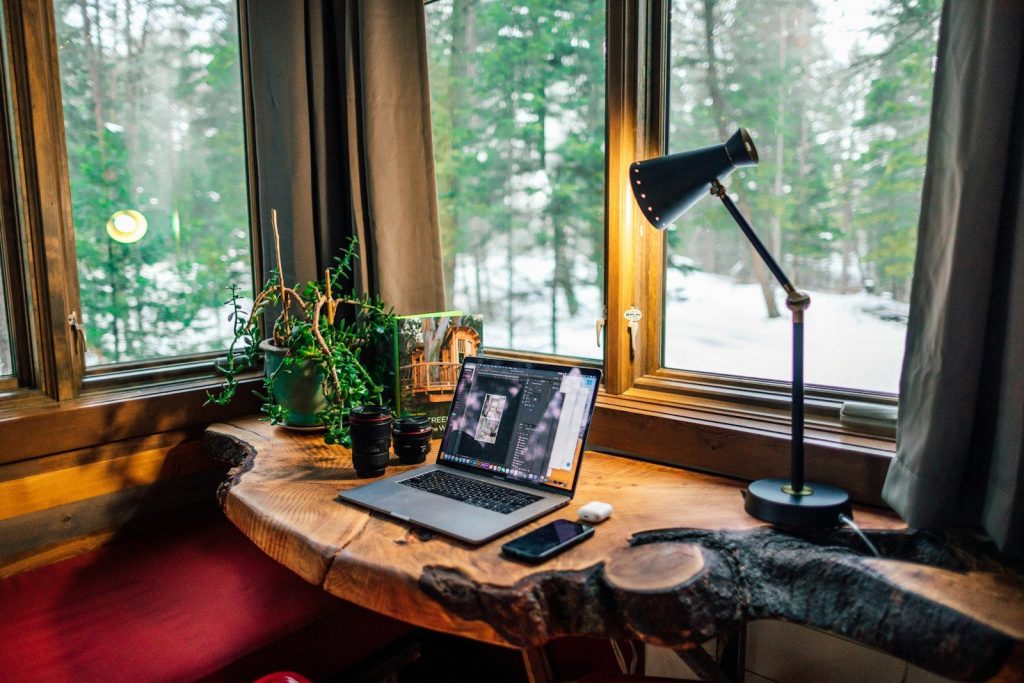
A cluttered desk can make even simple tasks feel overwhelming. Use drawer organizers, shelves, and storage boxes to keep supplies within reach without covering your work surface.
Repurposed baskets, jars, and containers already found around the house can organize office items just as effectively as specialty products. Practical storage often costs very little when you reuse what you own.
Choose Furniture That Works Harder
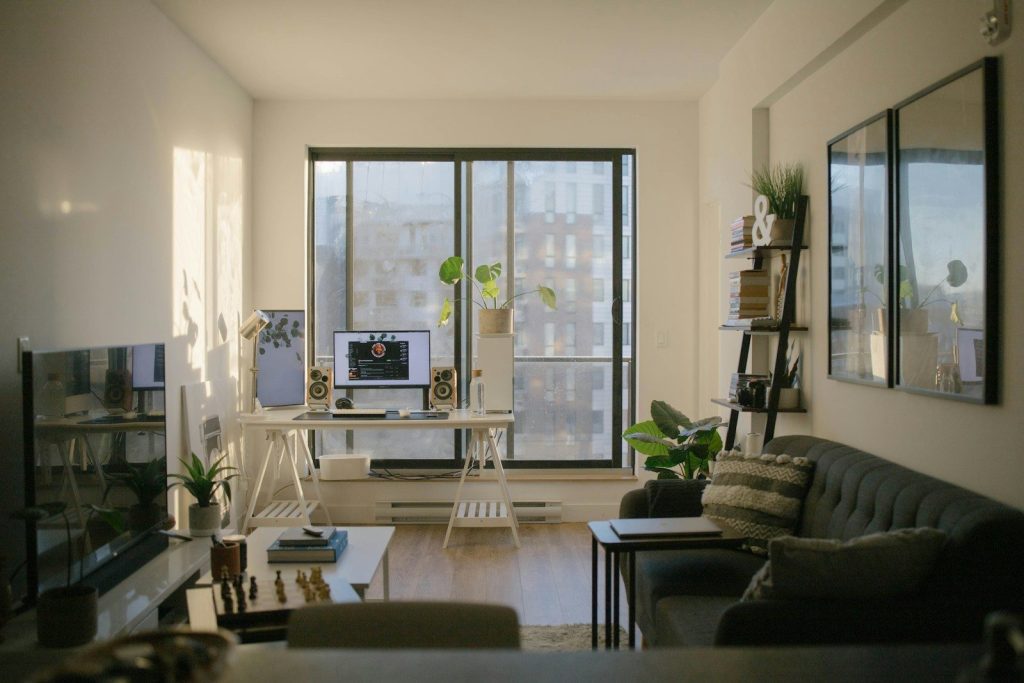
A desk should fit both your space and your daily tasks instead of dominating the room. Compact desks with built-in storage or multipurpose tables can provide flexibility without sacrificing function.
If you already own sturdy furniture, consider adapting it before buying something new. A dining table, console, or vintage desk may work perfectly with a few simple adjustments.
Add Personality Without Creating Clutter

Decor can make a workspace more enjoyable, but too many accessories quickly compete for attention. A favorite framed photo, artwork, or small plant often adds enough warmth without overwhelming the room.
Choose decorations that inspire rather than distract. Keeping surfaces simple makes cleaning easier and helps maintain a calm environment for focused work.
Make Organization Part of Your Routine
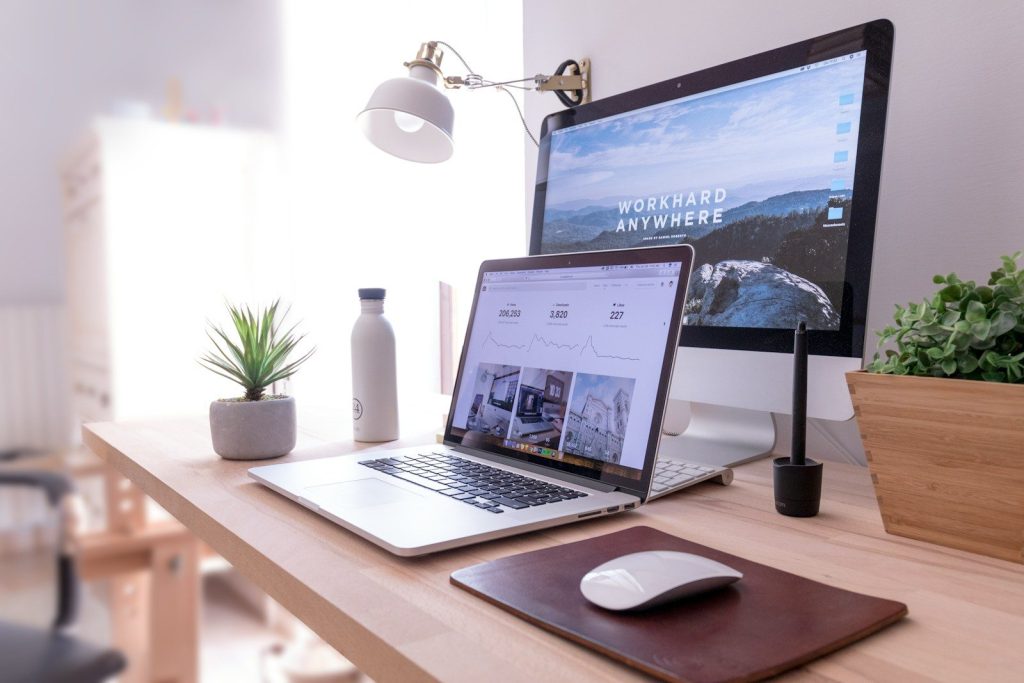
Create designated spaces for paperwork, chargers, notebooks, and office supplies. Knowing exactly where everything belongs saves time and prevents unnecessary purchases of items you already own.
Spend a few minutes at the end of each workday returning everything to its place. This simple habit makes every morning feel more organized and ready for productivity.
Use Color and Texture With Purpose
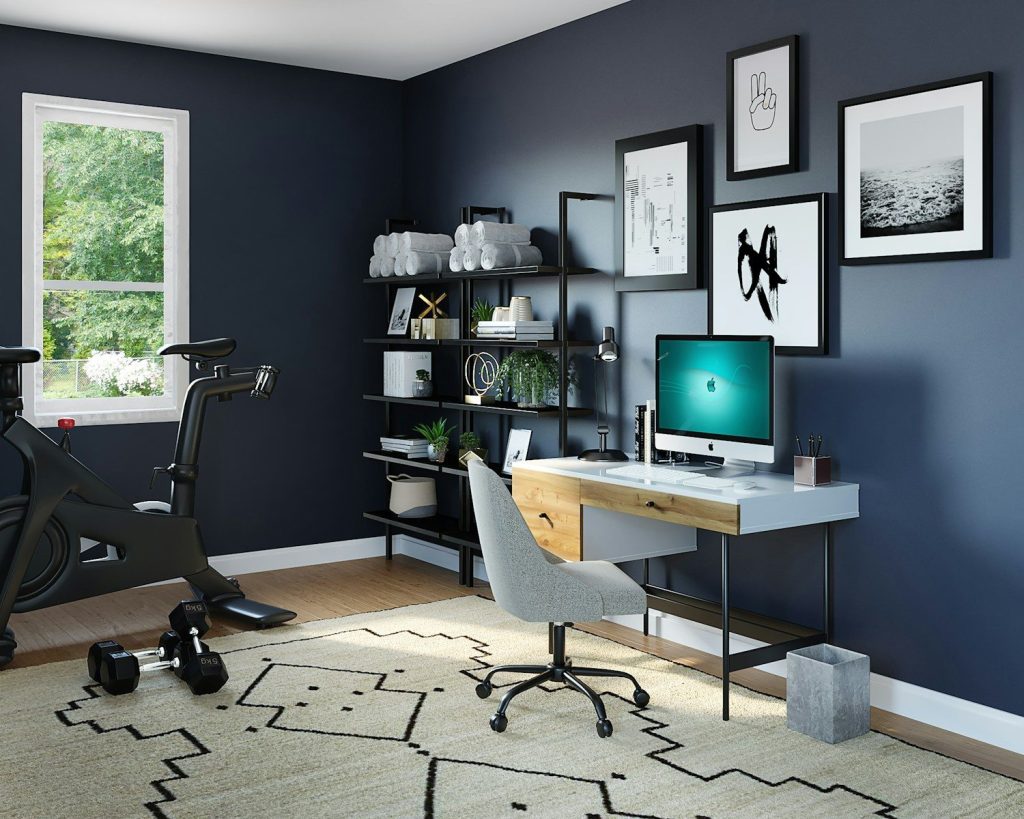
Soft colors and natural materials can make a home office feel inviting without requiring a complete makeover. Adding a comfortable rug, curtains, or cushions creates warmth while improving the overall atmosphere.
Focus on one or two coordinated updates instead of replacing everything at once. Gradual improvements help control costs while allowing your office to evolve naturally.
Design a Space You Will Actually Enjoy Using
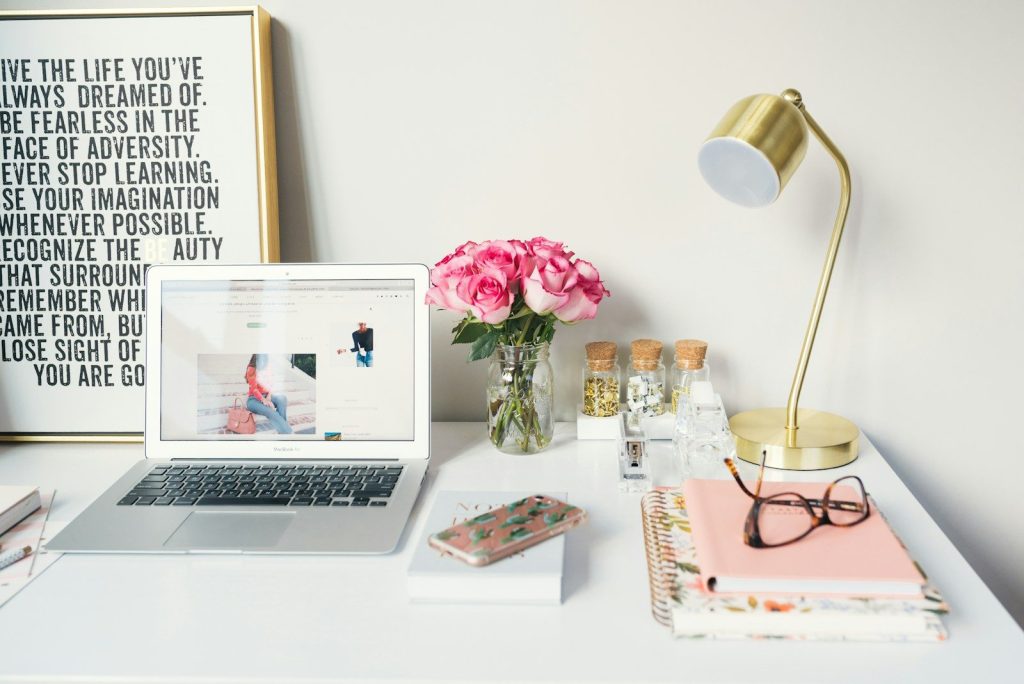
The best home office reflects your personal work style rather than following every decorating trend. Prioritize comfort, efficiency, and practical organization so the space continues to support your needs over time.
Thoughtful improvements often outperform expensive purchases when they solve everyday challenges. A well-planned office can increase productivity, reduce stress, and make working from home far more enjoyable.