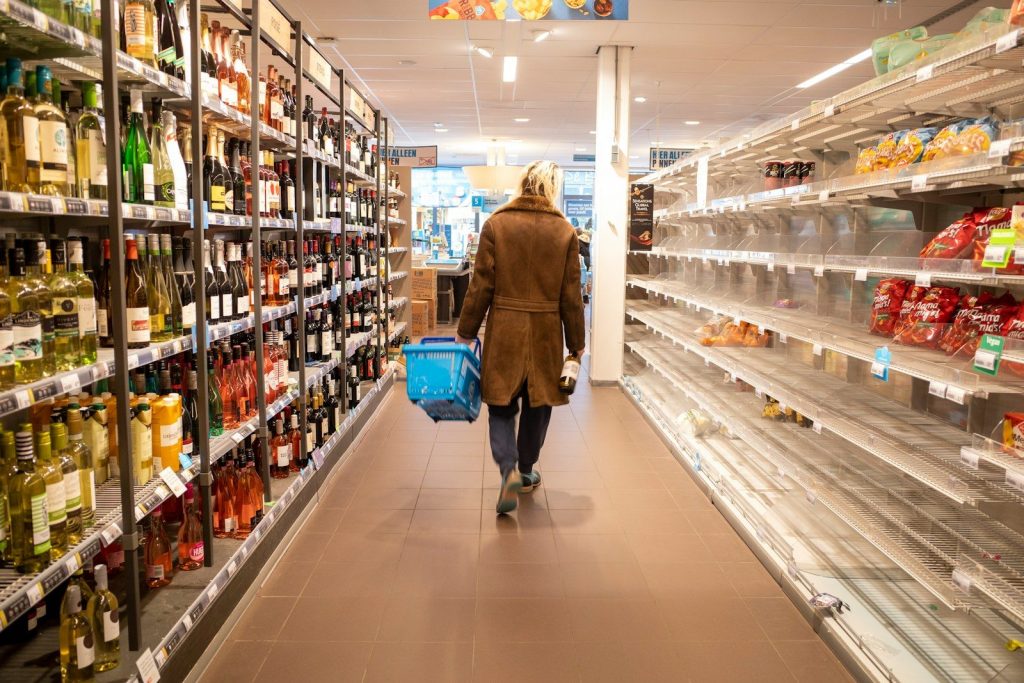

The American grocery cart looks different in 2026. Not by choice, mostly. Food prices have climbed across nearly every category, with beef up roughly 15 percent, coffee up around 18 percent, and fish and seafood rising 8 percent compared to pre-tariff trends.
Combine that with shrinking paychecks, and shoppers are making hard calls in every aisle. Some of the swaps are smart. Some are just survival. Either way, the list of foods being left on the shelf is growing fast.
1. Beef
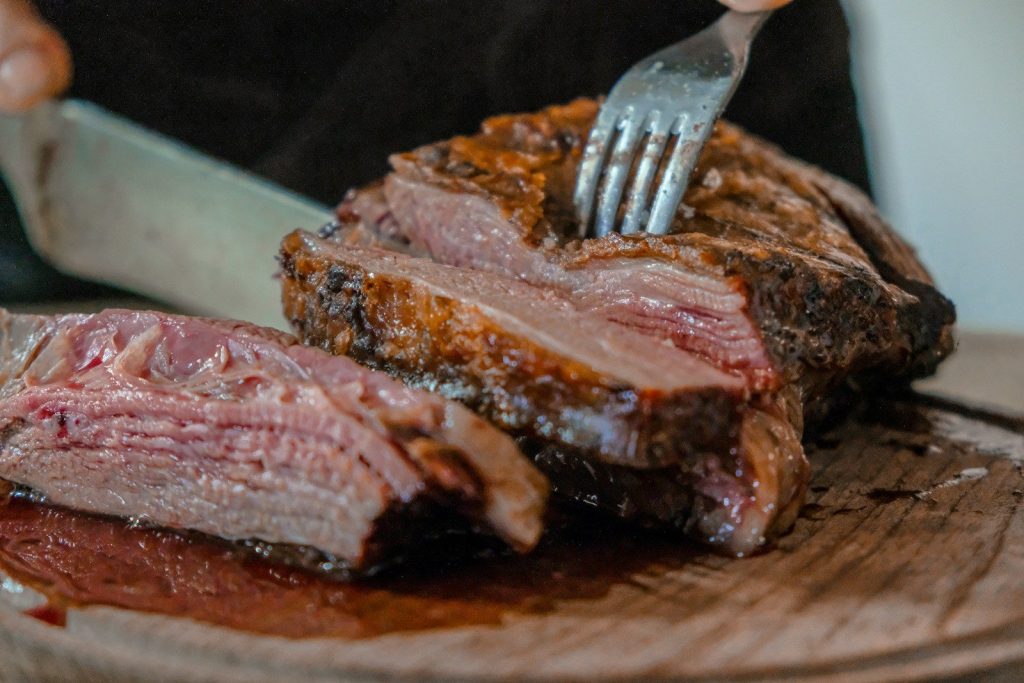
Beef and veal prices were 14.8 percent higher in April 2026 than they were in April 2025. That kind of jump hits hard when beef used to be the default weeknight protein for millions of households. One Reddit user summed it up plainly: “I used to say steak, but now it’s becoming beef in general. Ground beef used to be the go-to protein in my house. Burgers, cottage pie, meatloaf. Now it’s more expensive than chicken.”
What they’re eating instead: Chicken thighs, ground turkey, and canned tuna. High beef prices are pushing more Americans toward chicken and cheaper cuts, especially during grilling season. Ground turkey in particular handles most of the same recipes without the price tag.
2. Name-Brand Chips and Snacks
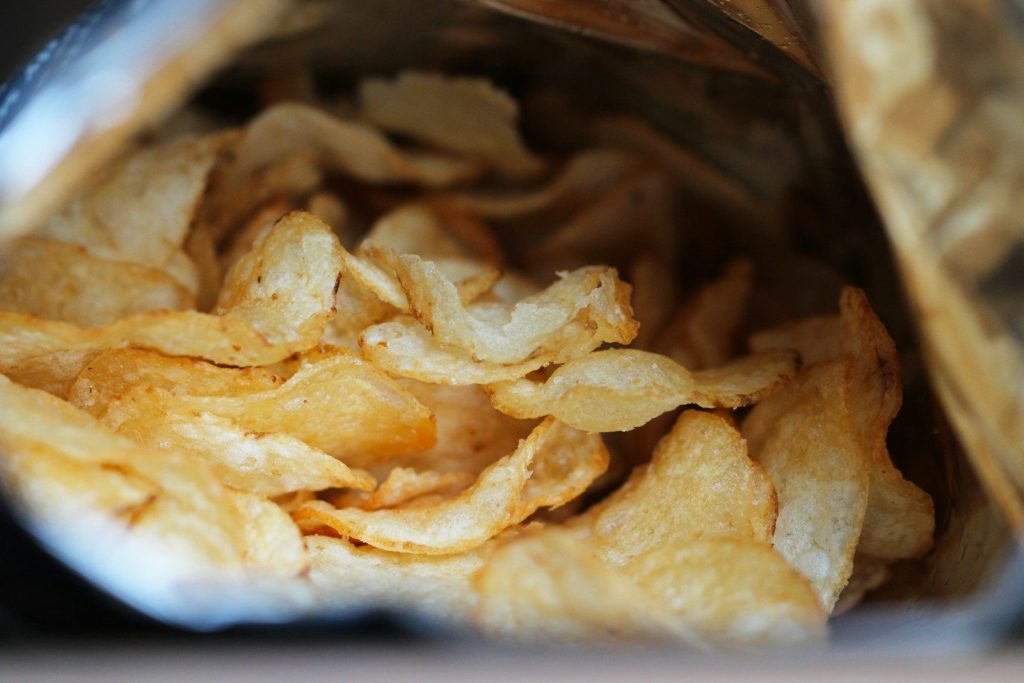
A viral Reddit thread with nearly 5,000 responses pointed to name-brand chips as one of the first things to go, with users reporting that a bag of Doritos was running $6 or $7 at local stores. For a snack that disappears in one sitting, that’s a tough sell.
What they’re eating instead: Store-brand versions of the same chips, popcorn kernels popped at home, and rice cakes. The taste gap between store brands and name brands has narrowed considerably over the past few years. Most people stop noticing after the first bag.
3. Coffee
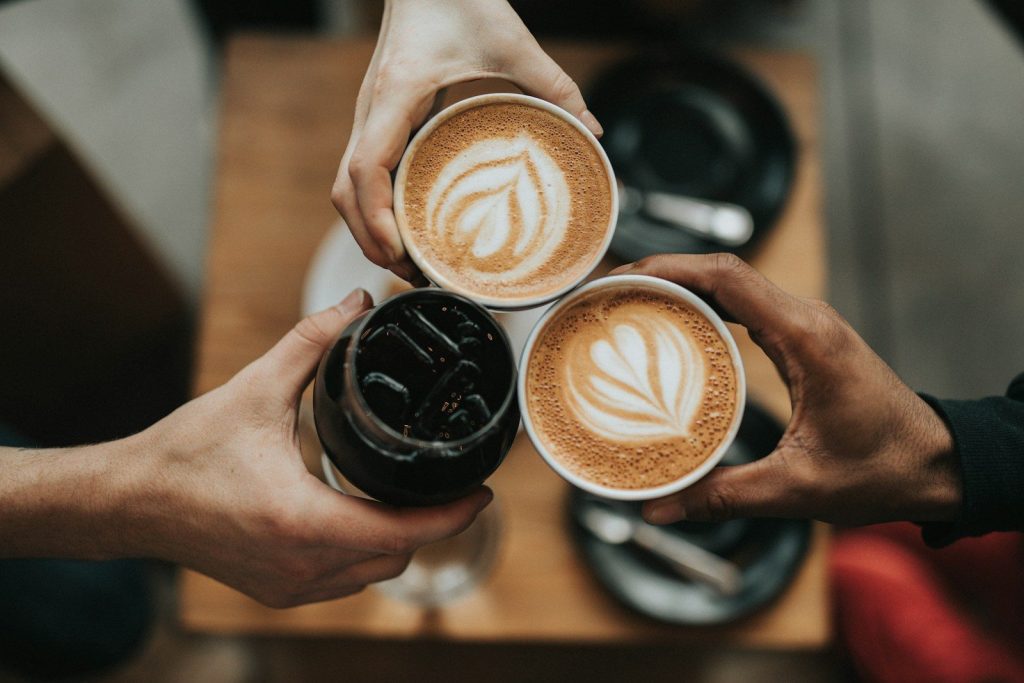
Coffee, tea, and cocoa prices rose 12 percent for American consumers as a direct result of new tariffs. That follows a rise of around 18 percent over 2025, meaning anyone who buys whole beans or ground coffee has effectively watched their morning routine get a lot more expensive in a short time.
What they’re eating instead: Store-brand coffee is the obvious first move. Some households are stretching bags further by mixing in chicory, a practice common in New Orleans for generations. Cold brew concentrate, made at home in large batches, also cuts the per-cup cost significantly compared to daily café stops.
4. Fresh Seafood
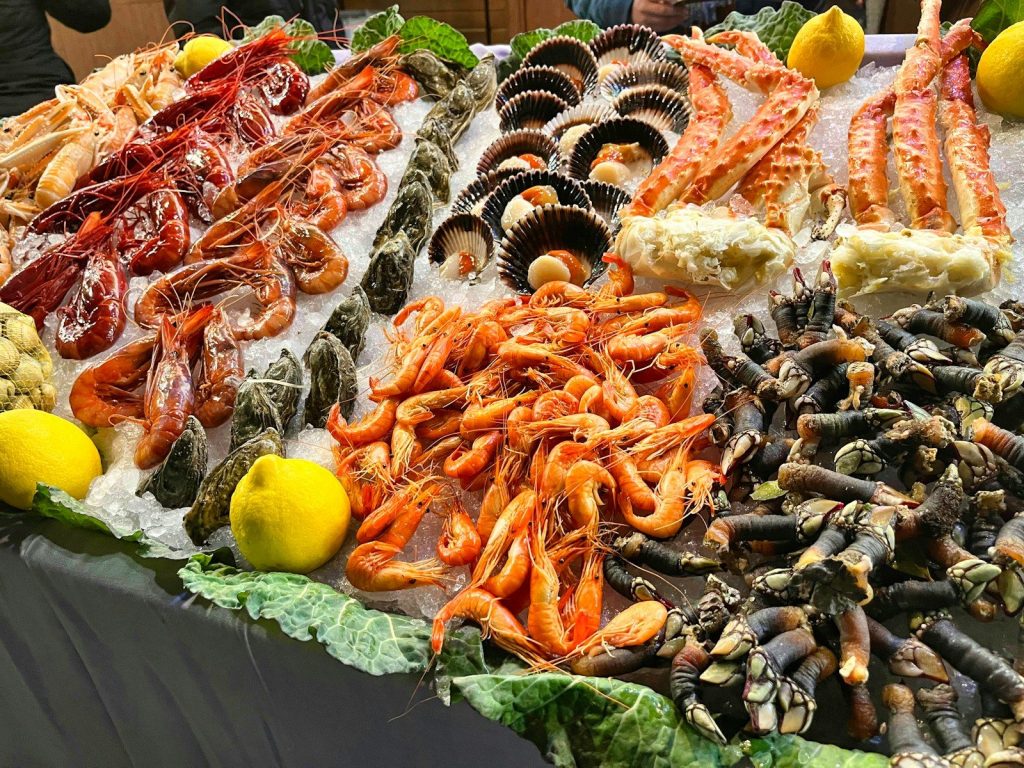
The USDA expects prices for fish and seafood to rise faster than their 20-year historical average in 2026. Fresh fish at the counter, already a premium purchase, has become genuinely out of reach for many families shopping on a budget.
What they’re eating instead: Canned salmon, canned sardines, and frozen fish fillets. Canned salmon in particular offers omega-3s and protein at a fraction of the fresh price. Sardines have been quietly having a moment among budget-conscious shoppers who discovered they work well in pasta and on toast.
5. Candy and Packaged Sweets
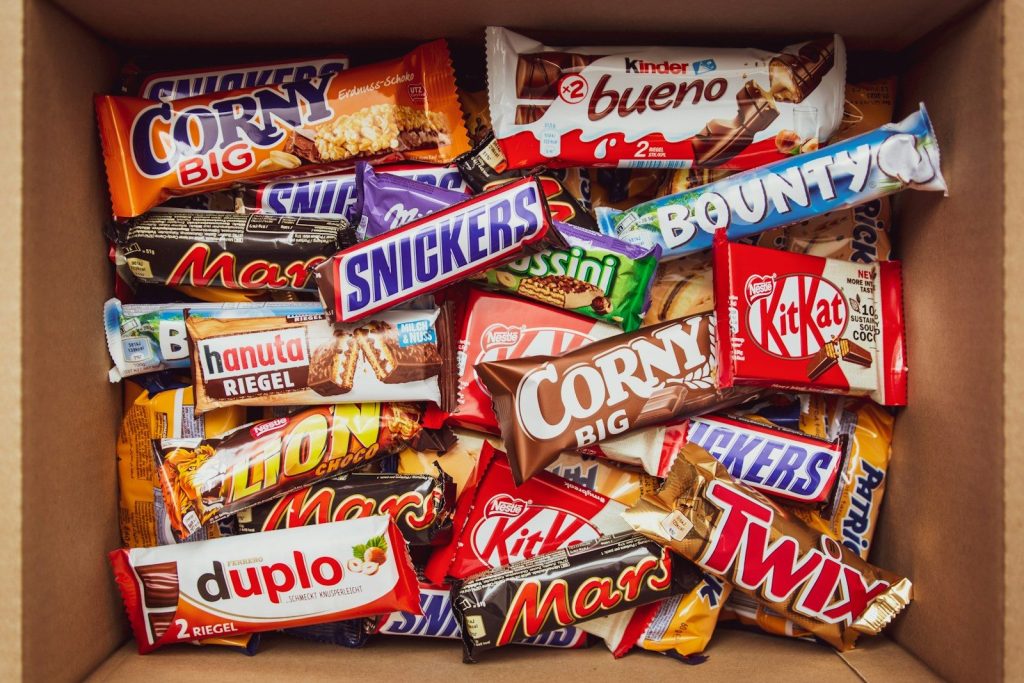
The USDA projects that sugars and sweets, including candy, cookies, and other desserts, will see price increases of around 6.3 to 6.7 percent, more than double the historical average. A category that was already borderline indulgent now costs enough that households are rethinking whether it belongs in the cart at all.
What they’re eating instead: Baking at home has picked back up. Flour, sugar, and butter remain relatively affordable, and a batch of homemade cookies costs a fraction of a packaged alternative. Frozen fruit blended into a simple dessert is another swap that’s been gaining traction.
6. Fast Food
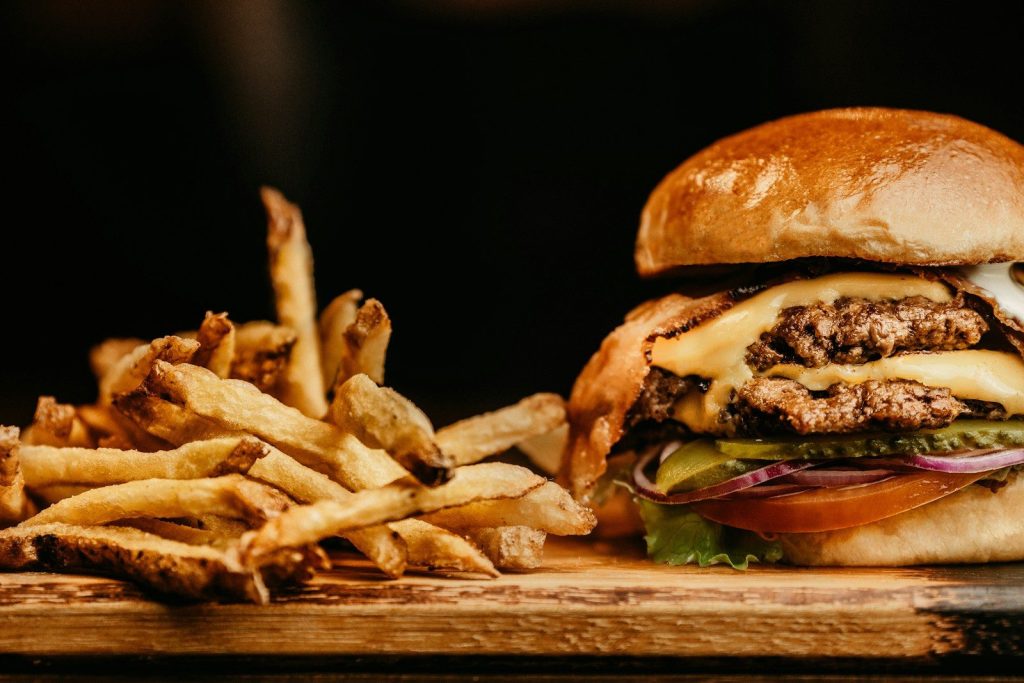
Among the most-cited responses in that same Reddit thread was fast food: “Honestly, fast food,” one user wrote, and the sentiment spread quickly. A meal at a fast food counter that once cost $7 or $8 can now run $13 to $15 for a single person. The value proposition that made fast food a budget staple has largely evaporated.
What they’re eating instead: Cooking bigger batches at home and eating leftovers. Sheet pan meals, slow cooker recipes, and rice-and-beans combinations have all seen renewed interest. The math is simply too obvious to ignore.
7. Fresh Fruits
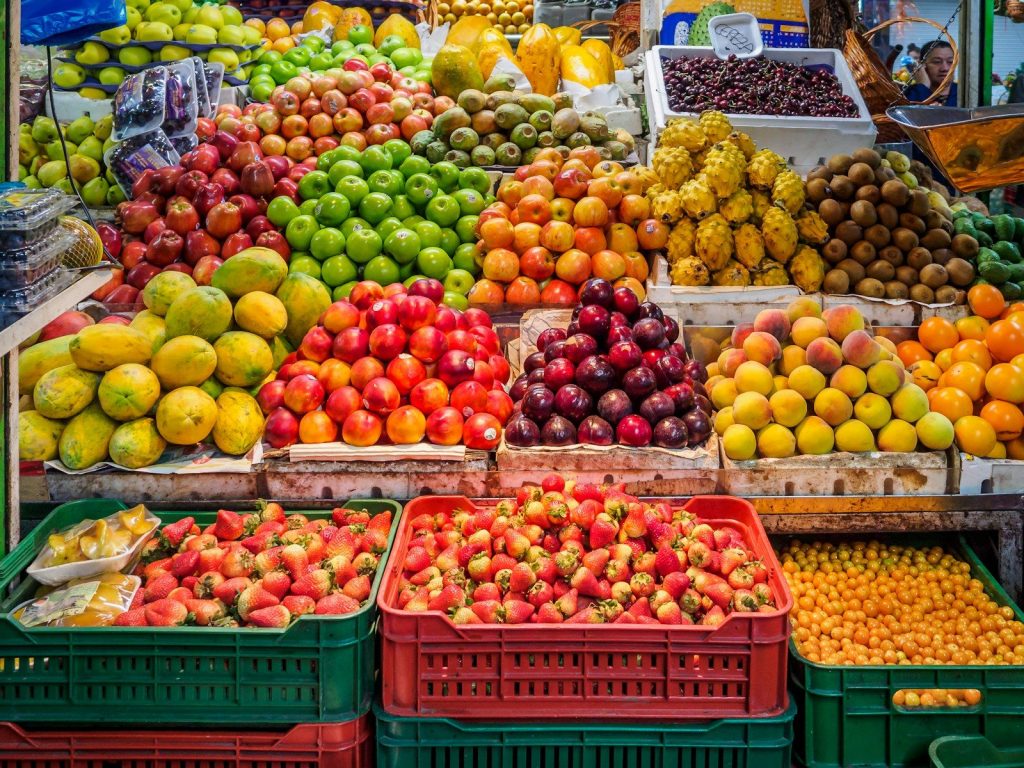
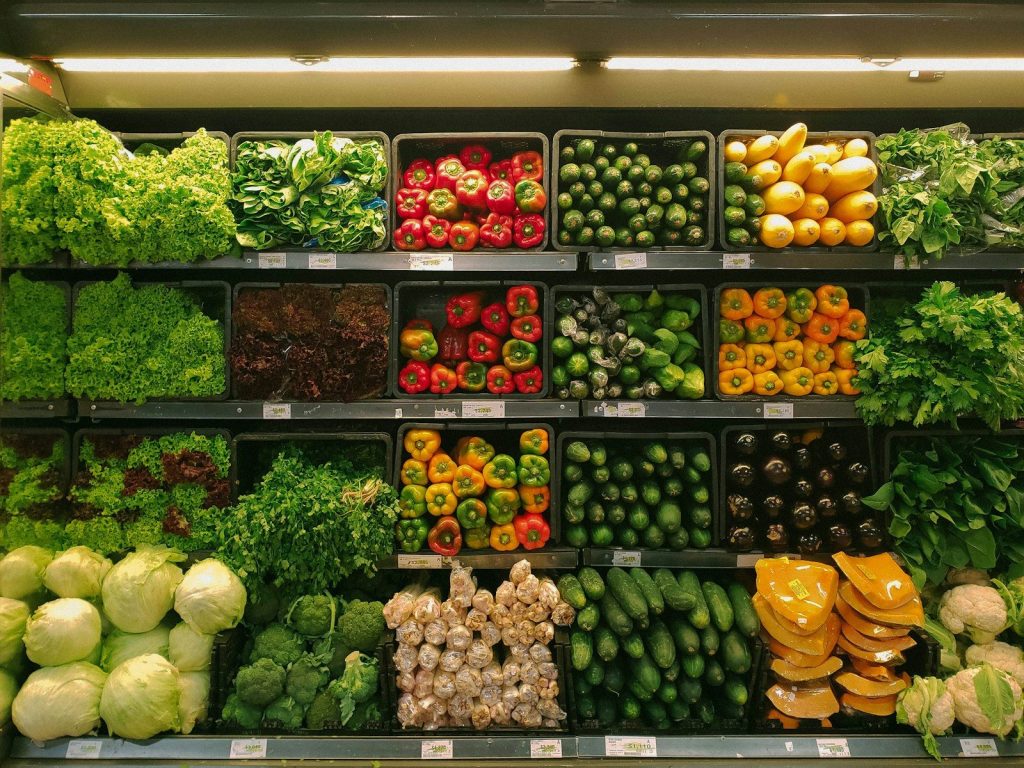
Fresh fruit prices rose 7 percent for American consumers compared to pre-tariff baselines. Berries, citrus, and imported tropical fruits have taken the biggest hits, making the fresh produce section feel like a luxury aisle on a tight budget.
What they’re eating instead: Frozen fruits and vegetables have emerged as a practical alternative, with registered dietician Heidi McIndoo noting that they are frozen soon after harvesting and are very nutrient-dense, usually less expensive, and carry far less risk of going to waste. Bananas and apples have held their prices better than most other fruits and remain reliable staples.
8. Prepared and Convenience Foods
Pre-marinated meats, meal kits, pre-cut vegetables, and store-bought rotisserie-style sides all carry a convenience premium that’s harder to justify when budgets are stretched. James Giese, a 62-year-old from Madison, Wisconsin, described cutting back on prepared foods and meat and even growing potatoes in his backyard to stretch his grocery budget, saying, “I’m probably considered middle-income, but it’s starting to pinch.”
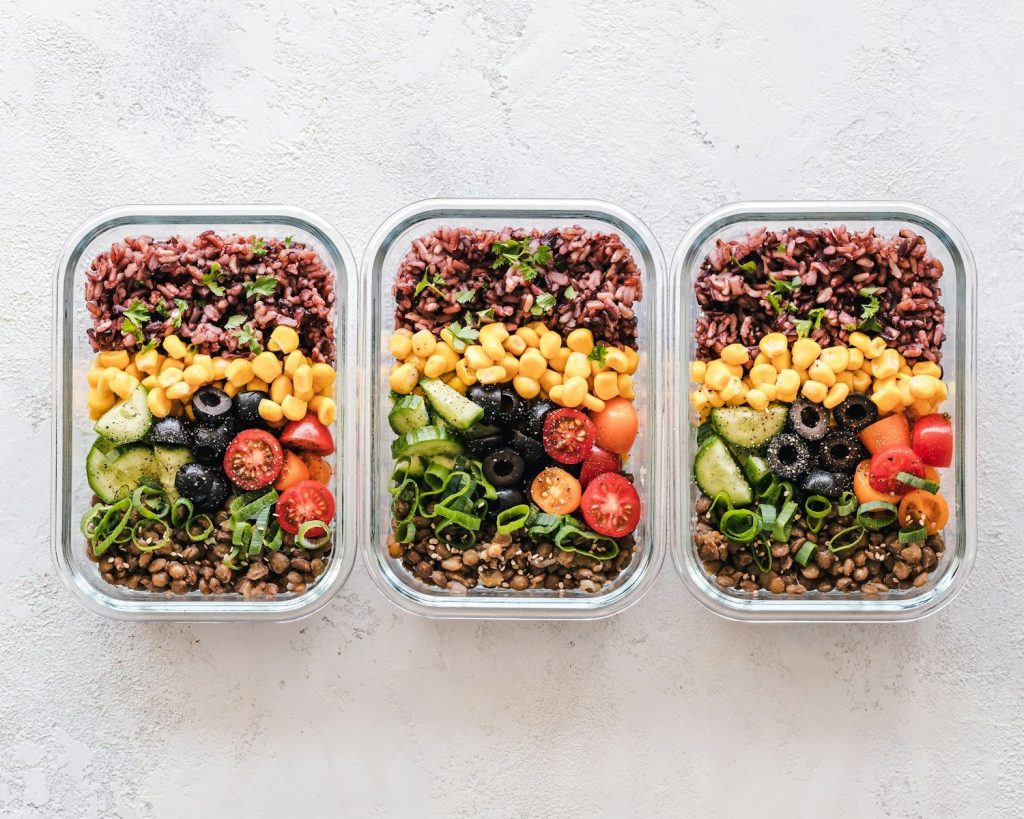
What they’re eating instead: Basic ingredients bought in bulk. Dry lentils, dried beans, and whole grains cost a fraction of their convenience-food equivalents and stretch much further per meal. The prep time is real, but for households managing tight budgets, it’s become routine.
The Bigger Picture
Food insecurity rates reached around 14 percent on average through 2025, up from approximately 12.5 percent in 2024, according to Purdue University’s Center for Food Demand Analysis and Sustainability. The changes people are making at the grocery store reflect something larger than personal preference. Households across income levels are recalibrating what a normal week of eating looks like.
Some of the swaps will stick long after prices settle, because people discover that lentil soup is good, that frozen mango works fine in a smoothie, and that ground turkey tacos are hard to tell apart. Necessity has a way of changing habits permanently.