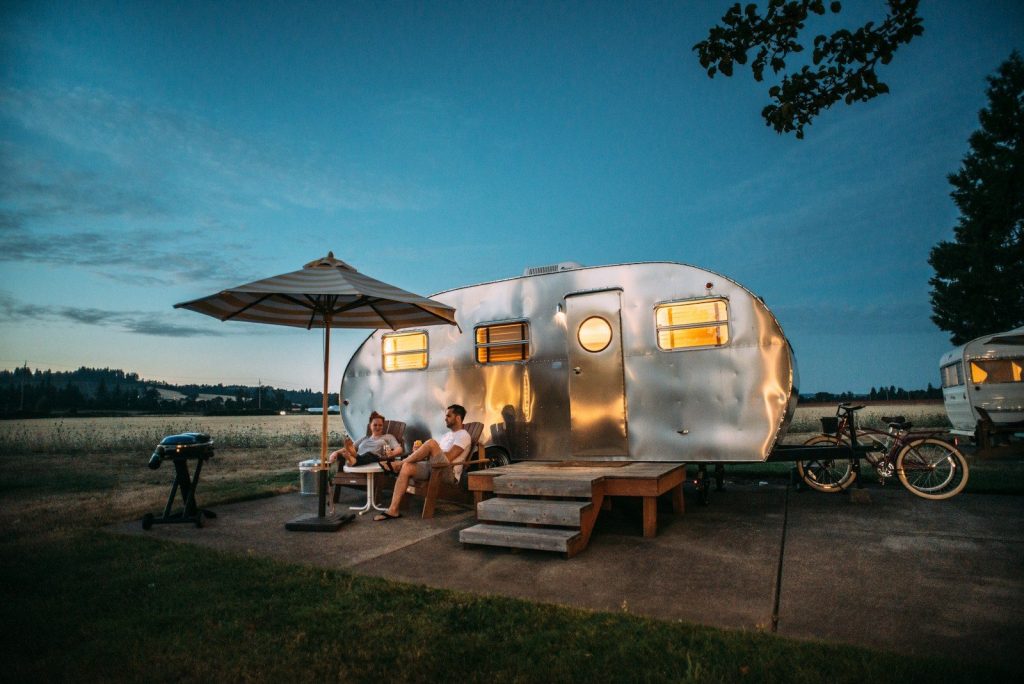

Planning a family camping trip does not have to mean spending a fortune on new gear or expensive activities. A little preparation can turn a simple weekend outdoors into a memorable experience while keeping costs under control.
These practical ideas focus on comfort, organization, and smart spending so your family can enjoy nature without worrying about unnecessary expenses.
Plan Around What You Already Own
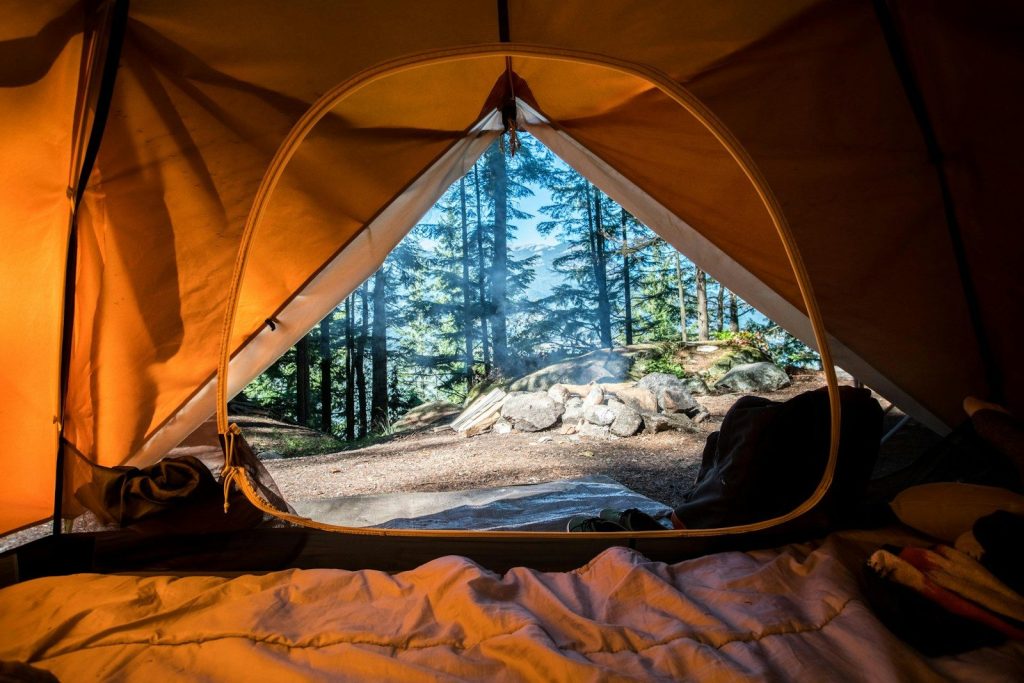
Before shopping for camping supplies, take inventory of what you already have at home. Blankets, flashlights, coolers, storage bins, and cooking utensils often work just as well as specialized camping equipment.
Borrow larger items such as tents or portable stoves from friends or relatives if you camp only occasionally. Using existing resources keeps your budget focused on essentials instead of duplicate purchases.
Pick a Campground That Fits Your Budget
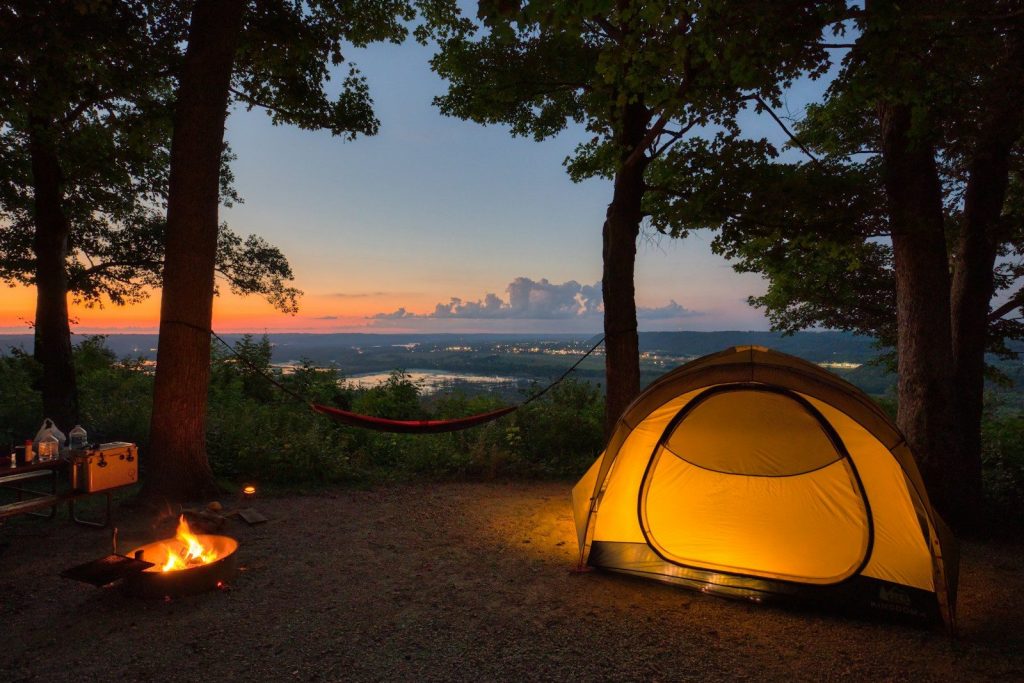
Many beautiful campgrounds offer affordable overnight rates without requiring expensive resort-style amenities. State parks and local recreation areas often provide excellent value for families.
Choose a location within a comfortable driving distance to reduce fuel costs. Spending less time on the road also gives everyone more time to enjoy hiking, fishing, or relaxing together.
Prepare Meals Before Leaving Home

Meal planning prevents costly convenience purchases during your trip. Chop vegetables, marinate meats, and portion snacks before packing the cooler to simplify cooking at the campsite.
Simple meals such as foil packets, sandwiches, oatmeal, and pasta require fewer ingredients and less cleanup. Preparing food ahead also reduces waste because you bring only what your family needs.
Pack Smart Instead of Packing More
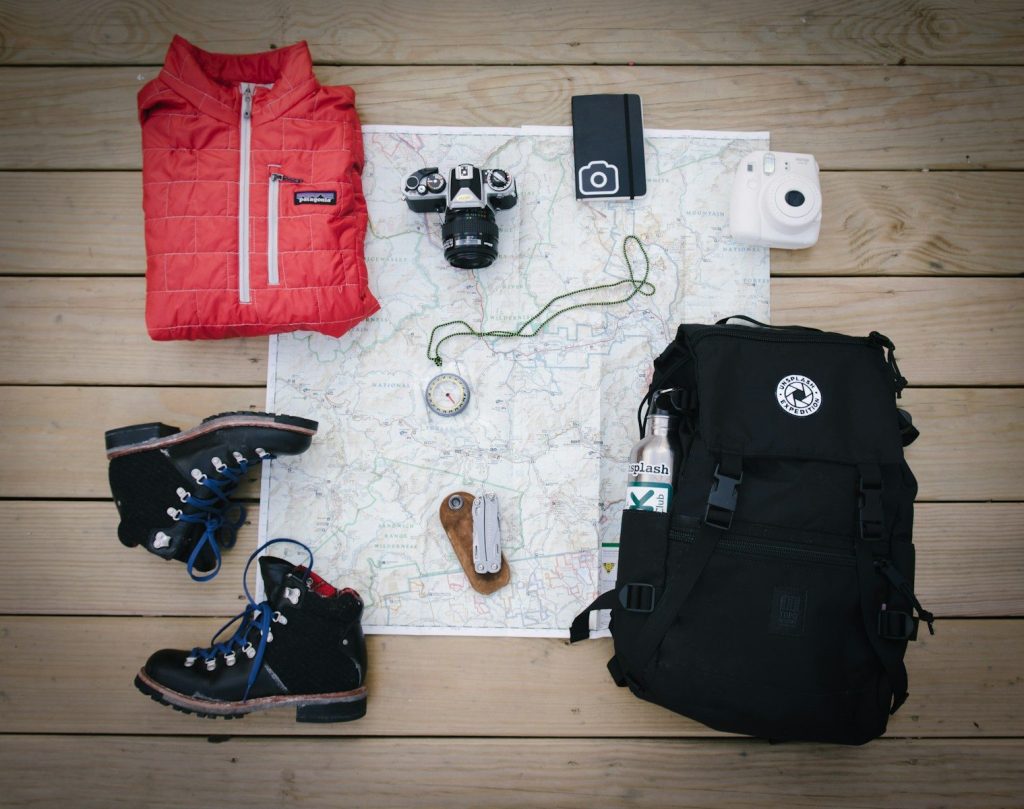
Overpacking creates clutter and makes setting up camp more difficult. Focus on versatile clothing that can be layered as temperatures change throughout the day.
Organize supplies in labeled containers so everyone knows where to find items quickly. A well-packed campsite saves time and prevents buying forgotten supplies at higher prices near tourist areas.
Make Entertainment Part of Nature

Children often remember simple outdoor activities more than expensive attractions. Nature walks, scavenger hunts, card games, storytelling, and stargazing create lasting memories without adding extra costs.
Bring a notebook so kids can sketch wildlife, collect observations, or write about the trip. These activities encourage creativity while helping everyone appreciate the surroundings.
Keep Safety Supplies Simple and Ready
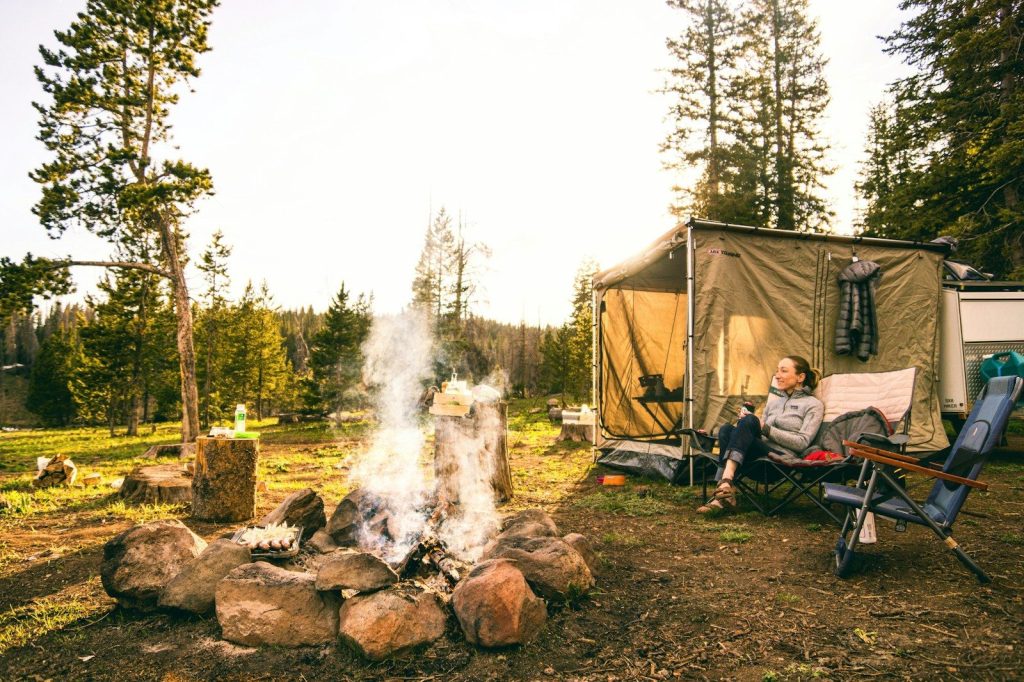
A basic first aid kit, sunscreen, insect repellent, and extra drinking water should always be easy to access. Having these essentials available can prevent minor problems from interrupting your trip.
Store emergency items together in one clearly marked bag. Knowing exactly where everything is reduces stress and helps everyone respond quickly if needed.
Leave the Campsite Better Than You Found It
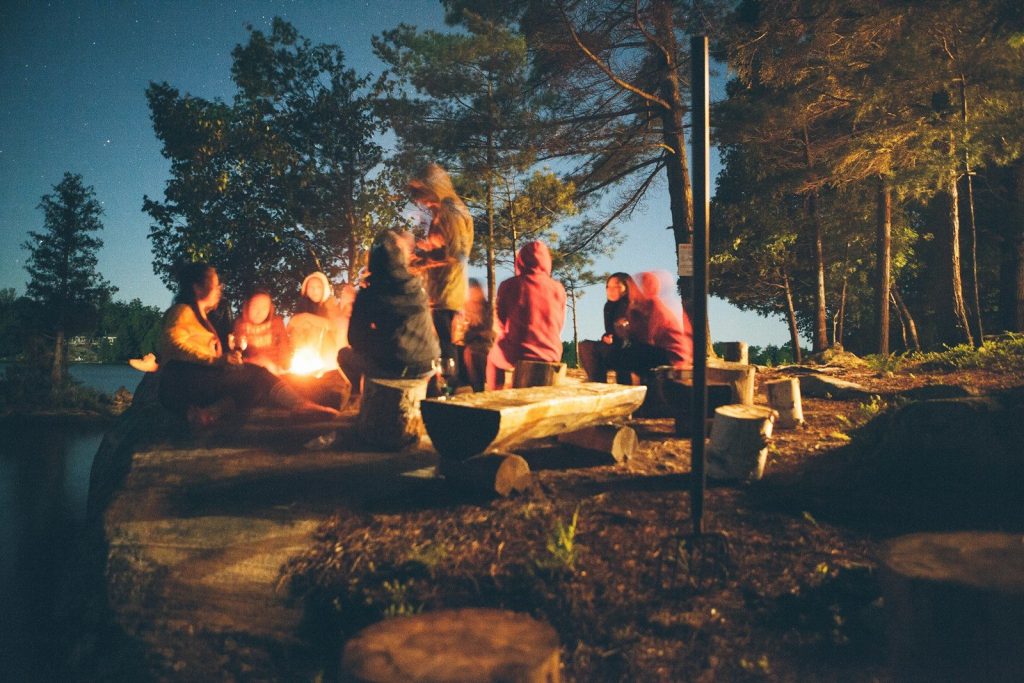
Cleaning as you go makes packing easier on the final day. Separate trash, recycle when possible, and store food securely to discourage wildlife from visiting your campsite.
Reusable plates, water bottles, and food containers reduce disposable waste while saving money over multiple camping trips. Small habits make each outing more environmentally friendly and budget-conscious.
Focus on Experiences Instead of Extras
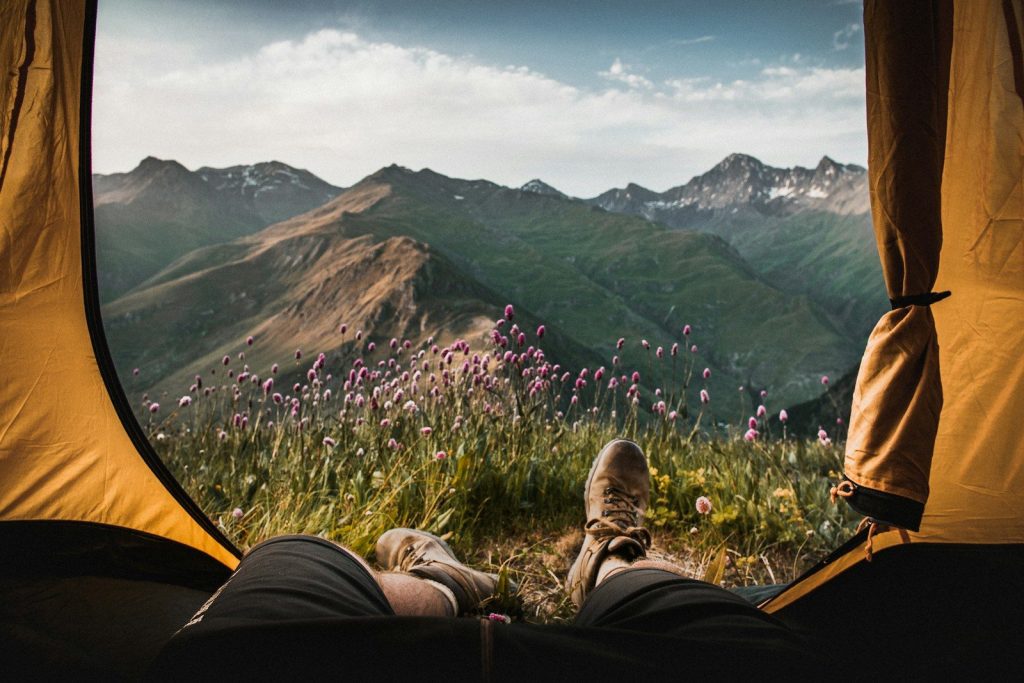
The most rewarding camping memories usually come from shared moments rather than expensive equipment. Watching a sunrise, cooking together, or sitting around a campfire often becomes the highlight of the trip.
With thoughtful planning and practical choices, family camping can remain affordable year after year. Spending wisely allows you to enjoy more adventures while making the most of every dollar.