

Shopping today takes more than comparing price tags. Many companies have found subtle ways to encourage customers to spend more while making products seem like a better value than they actually are.
The good news is that a few smart shopping habits can help you spot these tactics before they affect your budget. Once you know what to look for, keeping more money in your pocket becomes much easier.
Smaller Packages Can Hide Bigger Costs

One common tactic is reducing the amount of product while keeping the price nearly the same. At first glance, the package looks familiar, making the change easy to overlook.
Checking the weight, count, or volume instead of relying on appearance helps you compare products more accurately and avoid paying more for less.
Bigger Carts Lead To Bigger Bills

Many retailers design shopping carts and baskets to encourage larger purchases. Extra empty space can make shoppers feel like they have not picked up enough items.
Starting with a shopping list and sticking to it keeps unnecessary purchases from quietly increasing the total at checkout.
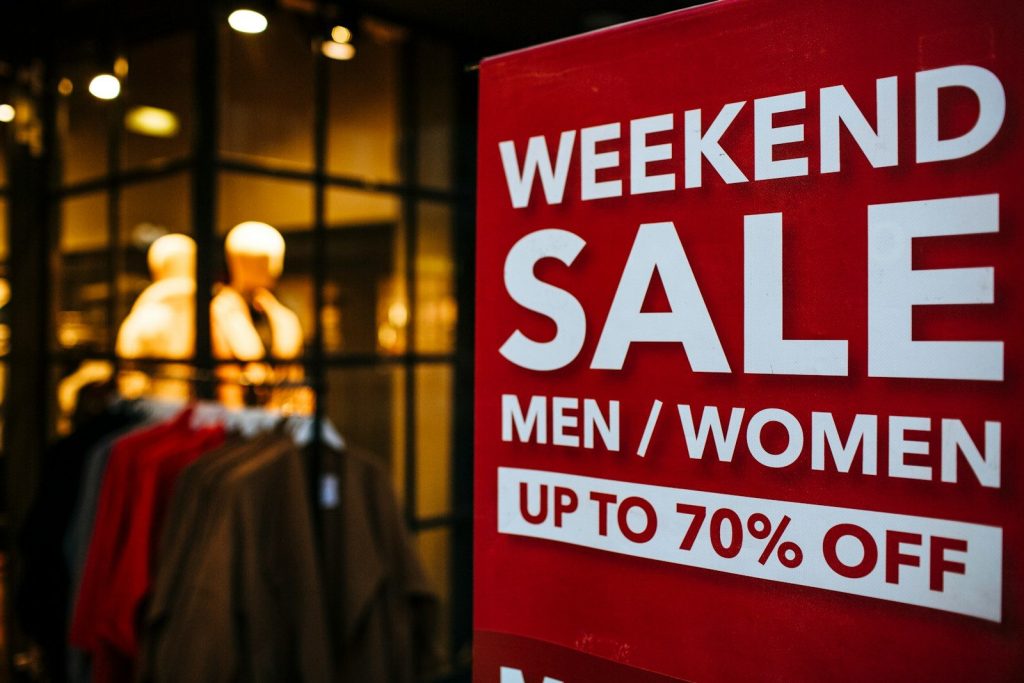
Sale Signs Can Create False Urgency

Bright sale labels naturally grab attention, but not every promotion represents a meaningful discount. Some prices return to normal after a short promotion, while others were never much higher to begin with.
Comparing prices across stores or using price history tools provides a clearer picture before making a purchase.
Subscription Discounts Deserve A Second Look
Automatic delivery programs often advertise lower prices in exchange for recurring purchases. While convenient, they can lead to buying products before you actually need them.
Reviewing subscriptions every few months helps prevent unnecessary spending and keeps household supplies from piling up.
Premium Packaging Can Influence Decisions
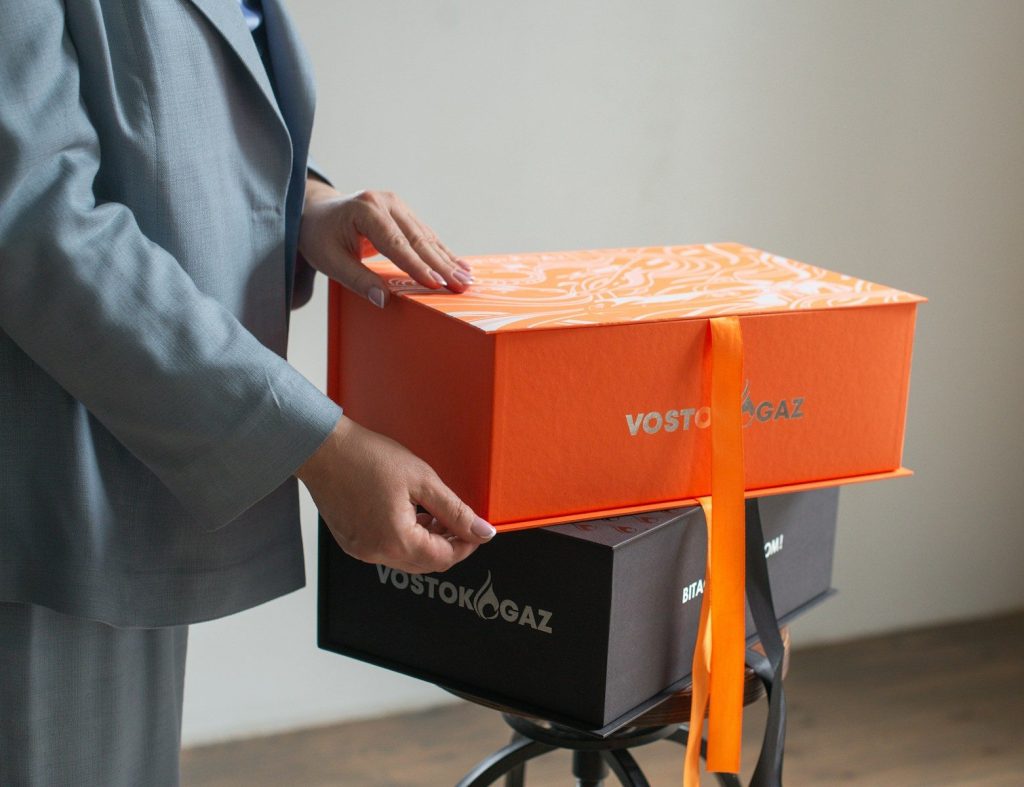
Elegant boxes, upgraded labels, and attractive displays often make products appear more valuable even when the contents remain very similar to lower-priced alternatives.
Reading ingredient lists, specifications, or product details often reveals that store brands provide nearly identical performance.
Checkout Extras Add Up Quickly
Small purchases near the register may seem harmless, but repeated impulse buys can quietly increase monthly spending. Candy, drinks, and travel-sized products are placed where shoppers are most likely to make last-minute decisions.
Pausing for a few seconds before adding anything outside your list can prevent many unnecessary purchases.
Convenience Usually Comes At A Price

Precut fruit, individually packaged snacks, and ready-to-use meal ingredients save time but often cost significantly more than preparing them yourself.
Choosing convenience only when it truly fits your schedule helps balance time savings with smarter spending.
Paying Attention Is Your Best Money Saver

Companies will always look for creative ways to encourage spending, but informed shoppers have an advantage. Looking beyond the marketing message helps every purchase become a more thoughtful decision.
Small habits such as comparing unit prices, planning purchases, and avoiding impulse decisions can protect your budget throughout the year without making shopping feel complicated.
Featured Image: Photo by Blake Wisz on Unsplash