
Summer heat can make every room feel uncomfortable, especially when air conditioning runs nonstop, and electric bills climb just as fast. The good news is that staying cool often comes down to a few smart household habits rather than expensive upgrades.
Many older homes stayed comfortable long before central air became common. By combining simple cooling tricks with better timing, you can reduce indoor heat, ease the workload on your cooling system, and keep more money in your pocket.
Close curtains before the sun takes over

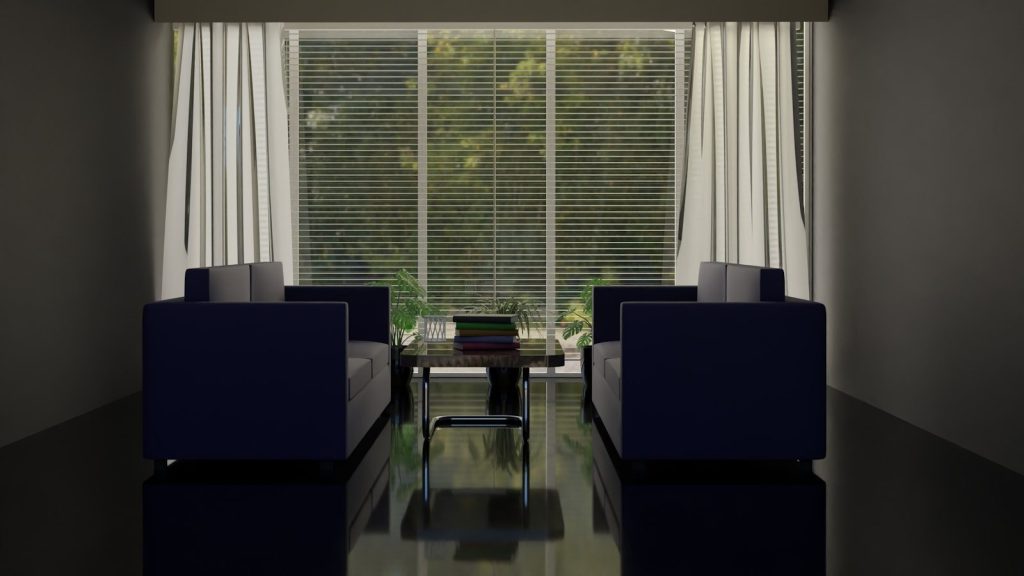
Windows can quickly turn a comfortable room into a warm one once direct sunlight pours inside. Keeping curtains or blinds closed during the hottest part of the day blocks much of that heat before it reaches your living space.
Light colored curtains work especially well because they reflect sunlight instead of absorbing it. This simple habit takes only seconds each morning but can make afternoons noticeably more comfortable.
Let cooler night air do the work
Even after a hot day, outdoor temperatures often drop once the sun goes down. Opening windows during the evening and early morning allows cooler air to circulate naturally through your home before the next day’s heat arrives.
Creating a gentle cross breeze by opening windows on opposite sides of the house improves airflow even more. Closing them again before temperatures rise helps trap that cooler air indoors.
Cook outside the hottest hours

Your oven and stovetop add surprising amounts of heat to the kitchen, especially during summer afternoons. Preparing meals earlier in the day or later in the evening helps keep indoor temperatures lower.
Cold meals, slow cookers, pressure cookers, or outdoor grills are also practical alternatives when the forecast calls for extreme heat. Less indoor cooking means your cooling system has less work to do.
Use ceiling fans the right way
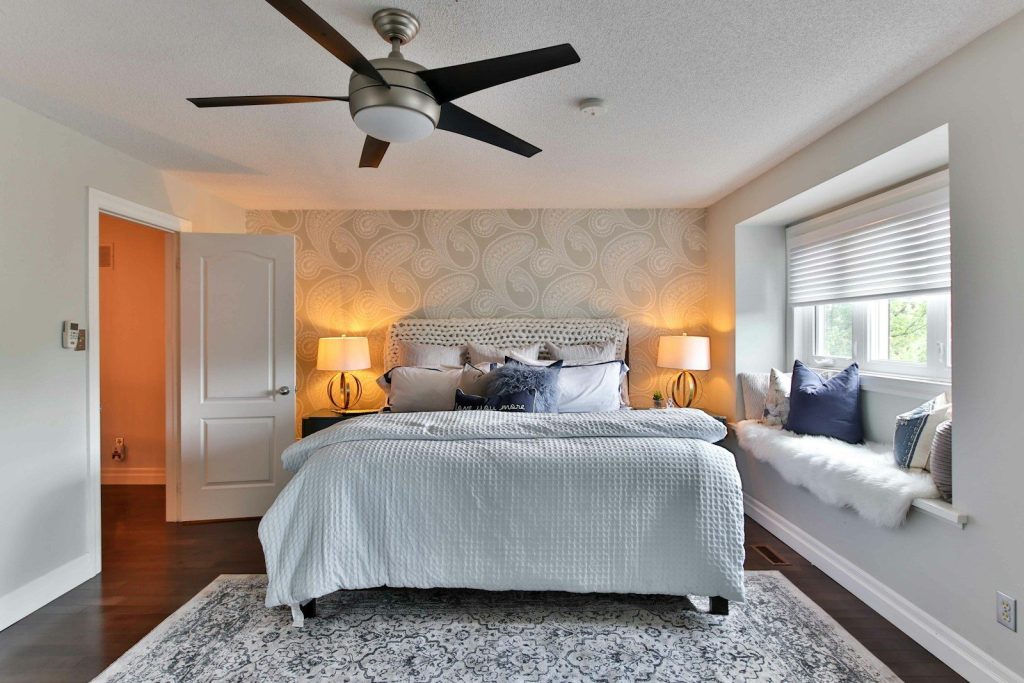
Fans do not lower room temperature, but they help your body feel cooler by moving air across your skin. During summer, ceiling fans should rotate in the direction that pushes air downward into the room.
Turning fans off when nobody is present also saves electricity because fans cool people rather than empty spaces. This small adjustment improves comfort without increasing energy waste.
Seal the places where cool air escapes
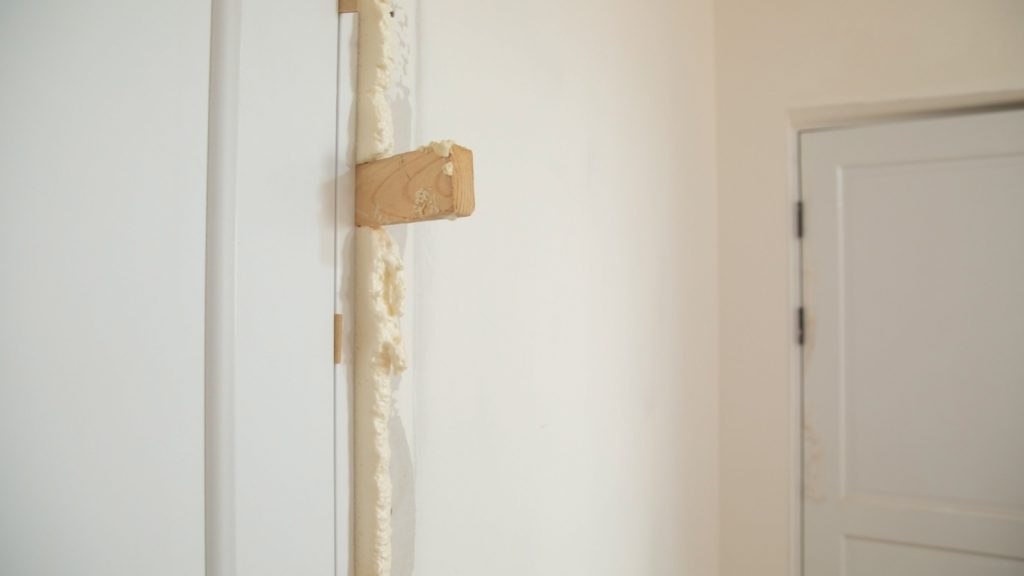
Tiny gaps around doors and windows often let cooled air leak outside while warm air slips indoors. Weather stripping and simple draft seals are inexpensive improvements that help your home stay comfortable longer.
Checking these areas before peak summer arrives prevents your cooling system from working harder than necessary. Small repairs today may lead to lower utility bills throughout the season.
Reduce indoor heat from electronics

Televisions, desktop computers, gaming consoles, and other electronics quietly produce heat while running. Turning devices off when they are not needed keeps rooms slightly cooler and reduces electricity use at the same time.
Charging phones and laptops overnight instead of during the hottest afternoon hours can also help limit extra warmth. These small changes become more noticeable in smaller rooms.
Create your own cooling corner

Not every room needs to stay equally cool throughout the day. Choose one comfortable space where family members can relax during the hottest hours instead of cooling the entire house constantly.
Adding a fan, comfortable seating, and cold drinks turns that room into a refreshing retreat. Concentrating your time in one cooler area often reduces overall energy use without sacrificing comfort.
Build cooling habits instead of bigger bills

Staying comfortable during summer is rarely about one dramatic solution. It comes from combining small habits that reduce indoor heat before it becomes a problem, allowing your cooling system to work more efficiently.
Closing curtains, improving airflow, limiting indoor heat sources, and making inexpensive home improvements can all work together to create a cooler living space. These practical changes help stretch your household budget while making even the hottest days easier to manage.
Featured Image: Photo by Musemind UX Agency on Unsplash