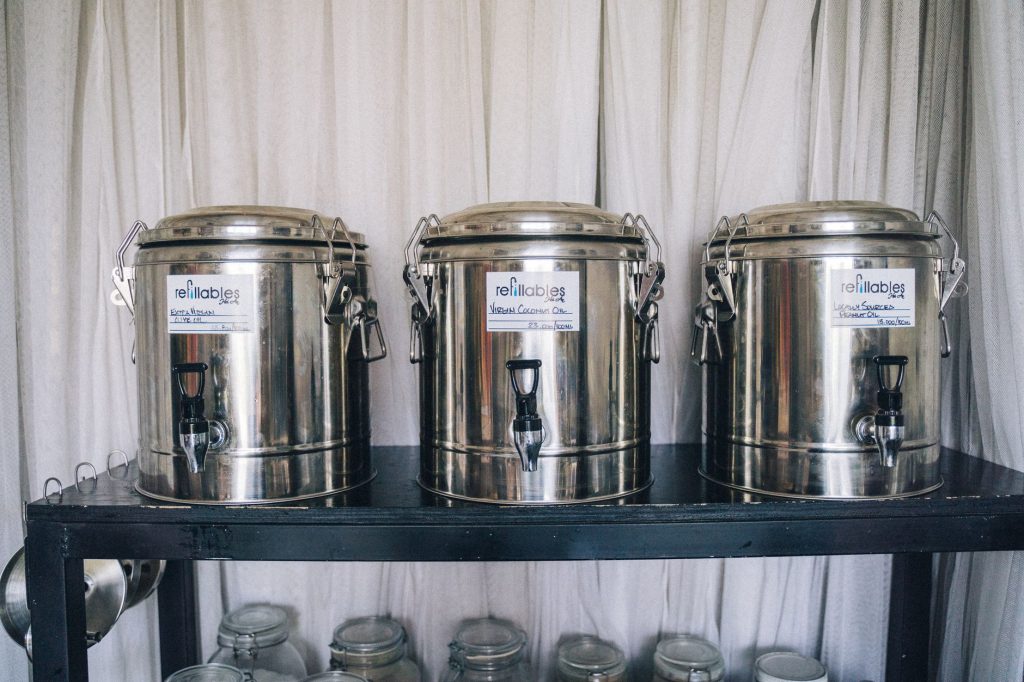

Before you buy another full bottle, box, or jar, these refill-counter staples are worth checking first.
Refill counters are not just for shoppers carrying matching glass jars. For some everyday products, the savings can come from skipping the new pump, cap, label, box, or tiny bottle altogether. The catch is that not every refill is a bargain. The smart move is to compare the per-ounce, per-pound, or per-load price, then factor in whether you will actually use the product before it sits around. These five refills are often worth a second look before you head down the regular aisle.
Laundry Detergent
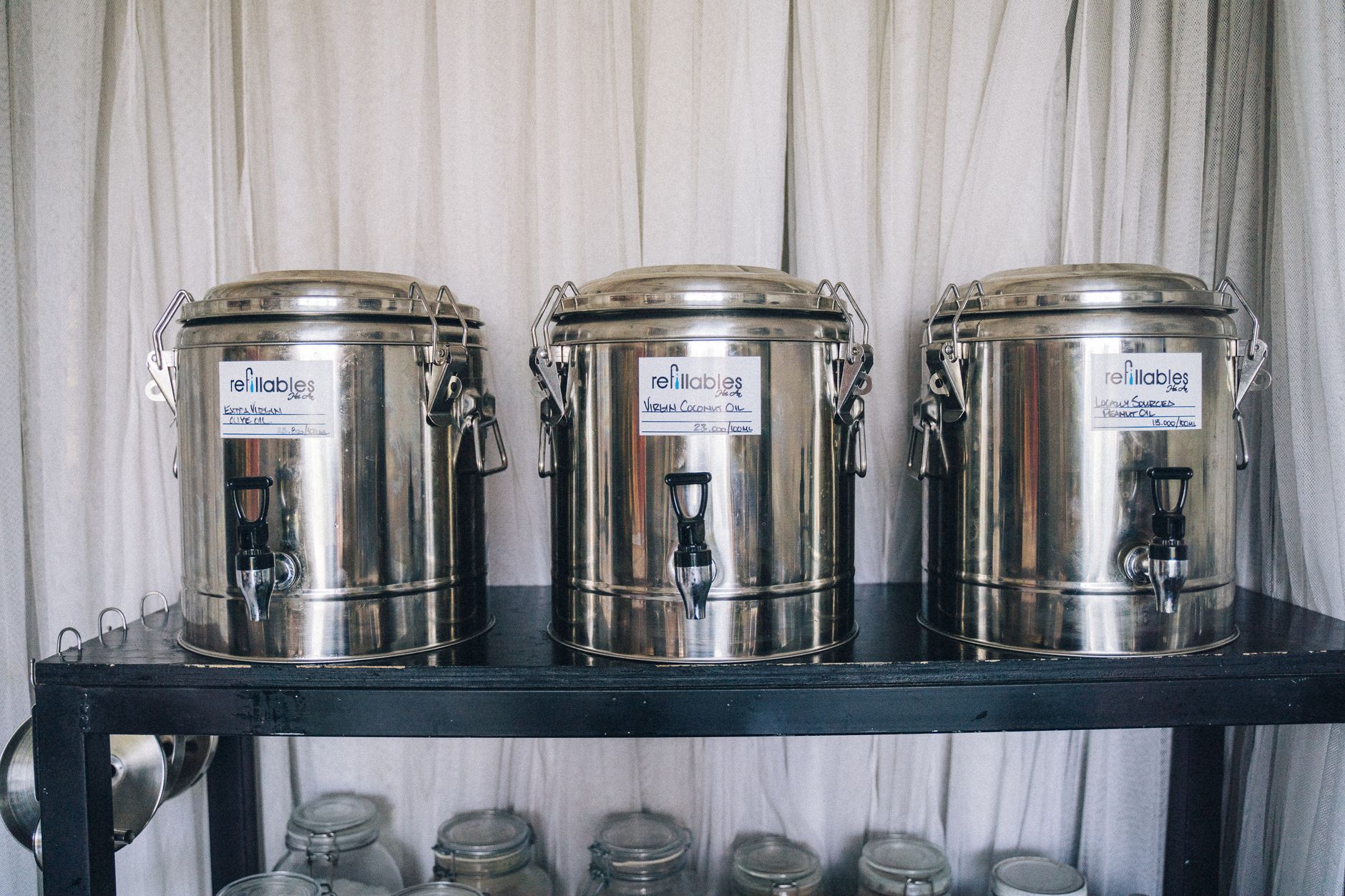
Laundry detergent is one of the easiest refill-counter comparisons because the regular shelf price often includes a heavy plastic jug, a cap, a label, and a lot of water. At a refill station, you may be paying mostly for the liquid itself, especially if the store prices it by weight or ounce. This helps households that do frequent laundry and already know which type works for their machines.
- Check the cost per load, not just the fill price.
- Make sure the formula is compatible with high-efficiency washers if needed.
- Label your refill bottle so nobody mixes it with other cleaners.
The mistake is buying too much because the counter looks cheaper. Detergent can thicken, separate, or simply take up space if you overstock. Refill the amount you can use in a reasonable time, and compare it against sale prices on your usual brand.
Dish Soap
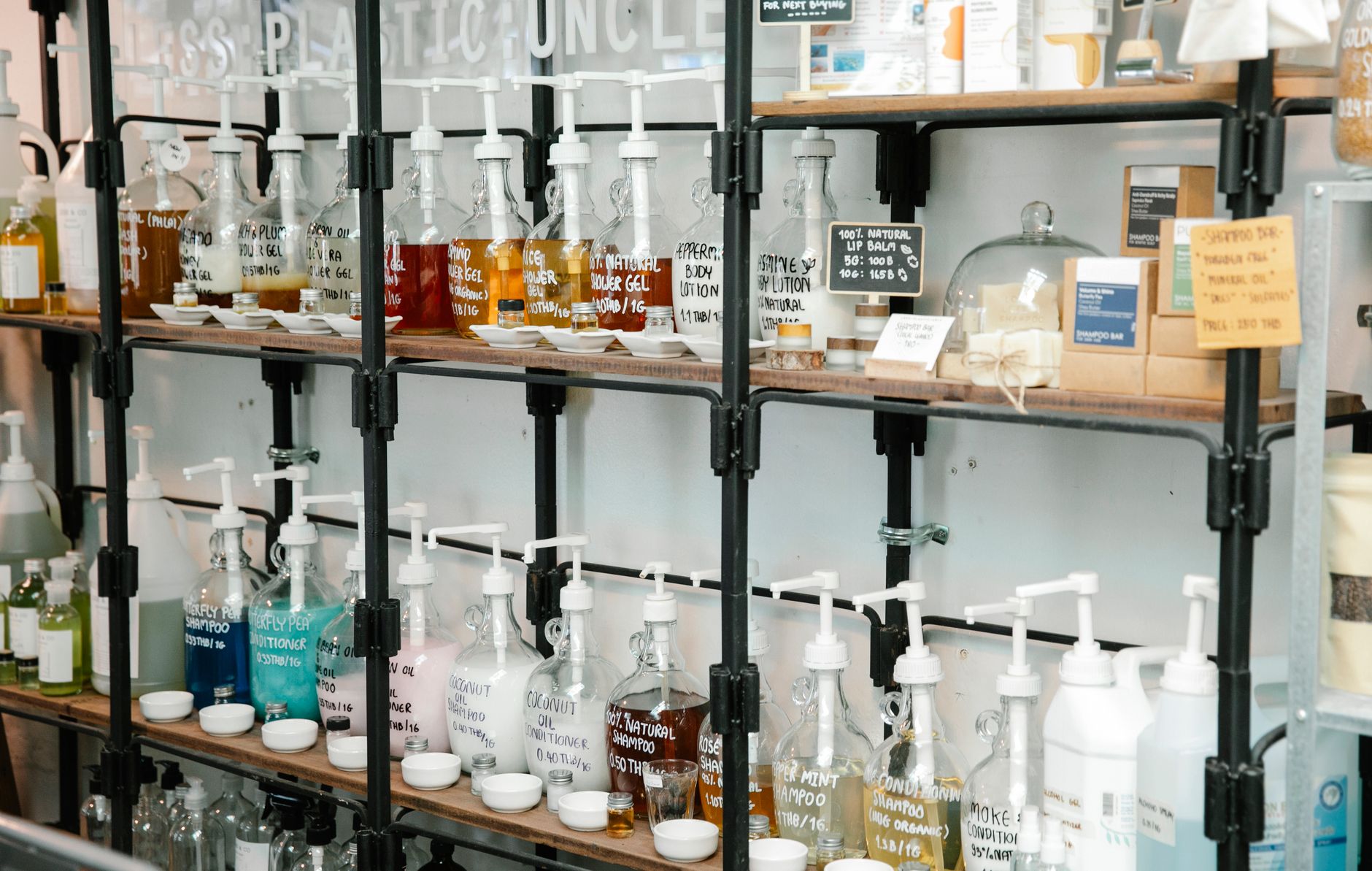
Dish soap is a refill-counter classic because many households go through it steadily, but the bottle itself adds cost every time. If you already have a sturdy pump bottle at the sink, a refill can be a practical way to avoid paying again for packaging. It is especially useful for families that hand-wash pans, lunch containers, water bottles, and pet bowls daily.
- Compare price per ounce against the biggest bottle on the shelf.
- Check scent and concentration before filling a large container.
- Use a clean, dry bottle to avoid diluting the soap.
What can go wrong is assuming all dish soap works the same. A thin refill may require extra pumps, which can erase the savings. Start with a modest amount if the formula is new to you, then scale up once you know it cuts grease well.
Shampoo and Conditioner
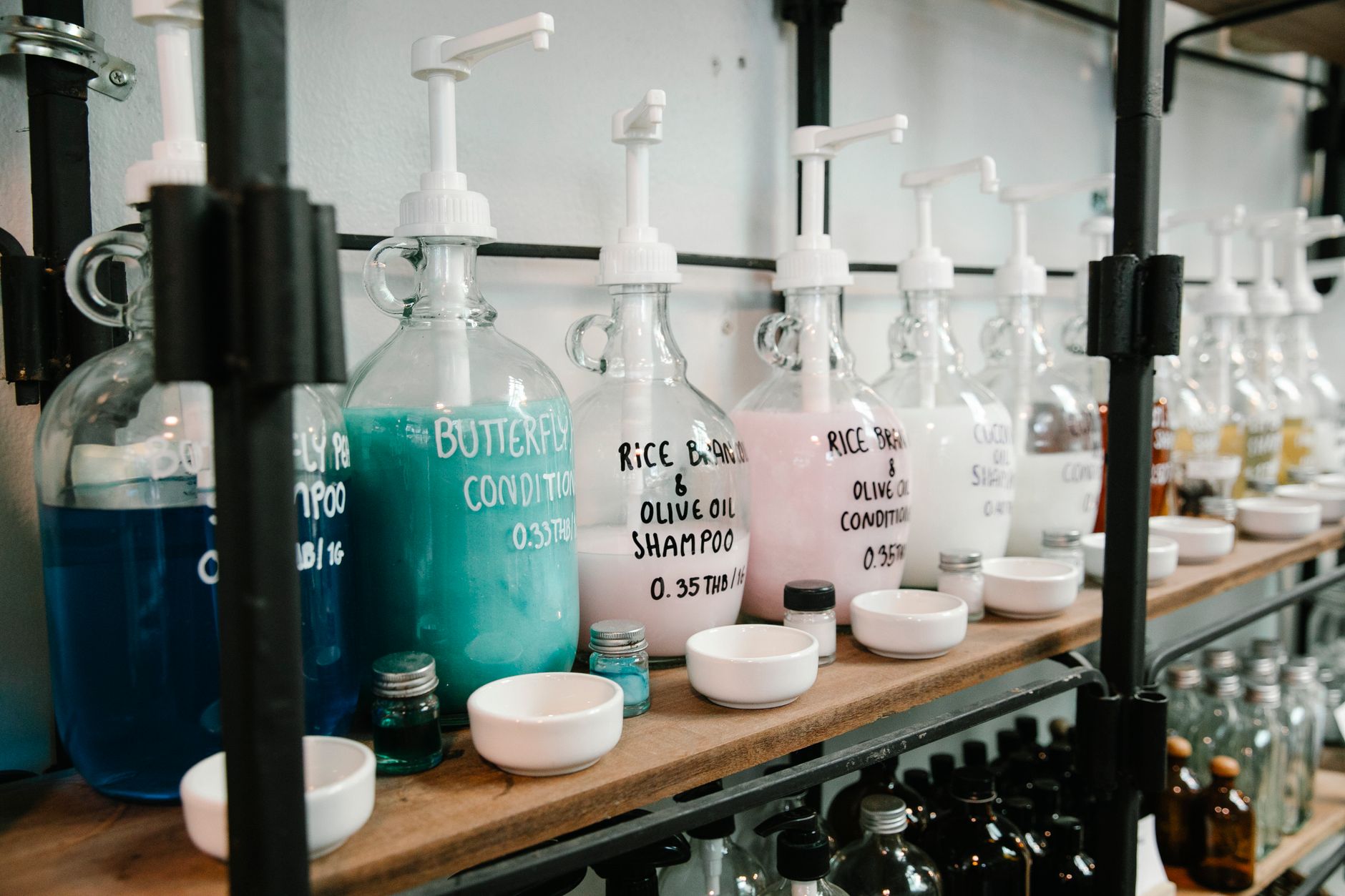
Shampoo and conditioner can be sneaky budget leaks because small bottles make the shelf price feel manageable while the per-ounce price stays high. Refill counters can be a better deal when you already like the formula and use it consistently. They can also help households with multiple adults or teens who empty bathroom products quickly.
- Compare the refill price to larger value-size bottles, not travel sizes.
- Confirm whether the product is shampoo, conditioner, body wash, or hand soap before filling.
- Use waterproof labels if several bottles look alike in the shower.
The risk is buying a large refill of a product that irritates your scalp, weighs down your hair, or smells stronger at home than it did in the store. If the counter allows it, buy a small refill first. Savings only count if the bottle gets finished.
Spices
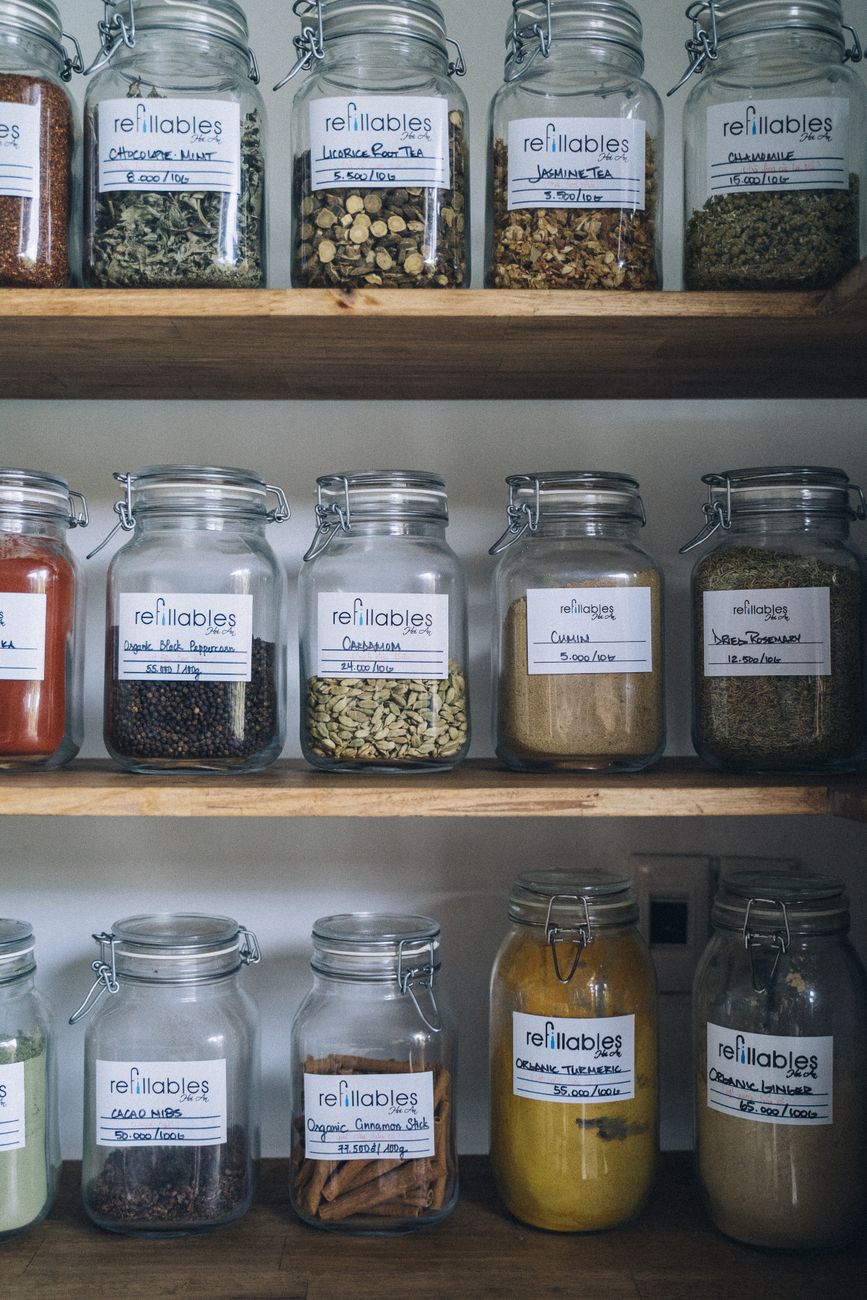
Spices are where refill counters can quietly win because many recipes call for only a teaspoon or two. Buying a full jar of something you use twice a year can leave you with stale flavor and wasted cabinet space. A bulk spice counter lets you buy a small amount of cumin, paprika, cinnamon, curry powder, or dried herbs without paying for another glass jar and lid.
- Check the price per ounce, but also think about how little you need.
- Write the spice name and purchase date on the bag or jar.
- Smell for freshness if the store allows it and the setup is clean.
The biggest mistake is treating bulk spices like pantry decorations. Buy for the next few meals, not for a fantasy cooking streak. Smaller, fresher refills can beat cheaper-looking jars that lose their punch before you use them.
Olive Oil and Vinegar
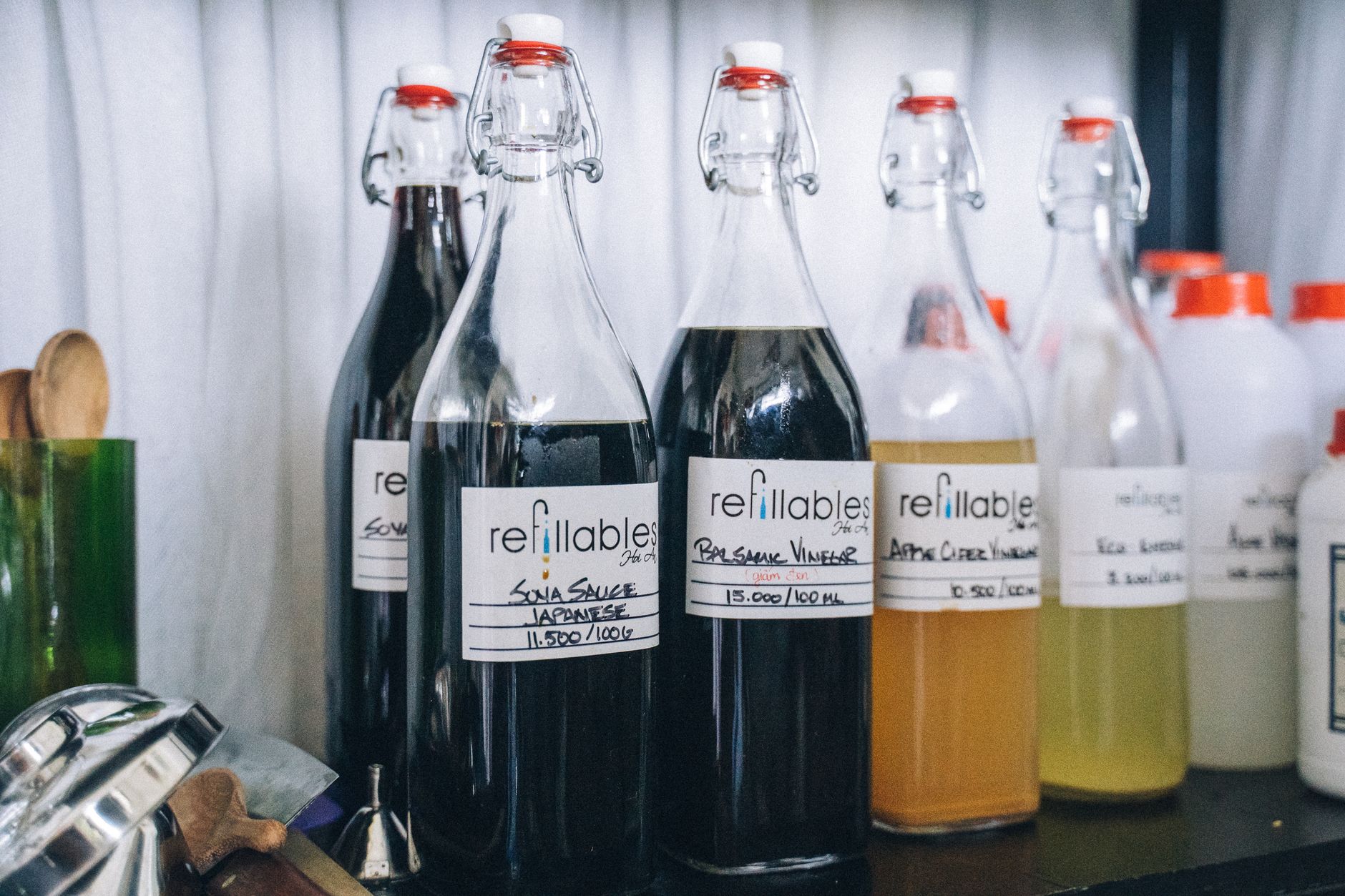
Olive oil and vinegar refills can be worth checking when a store sells them by volume and lets you reuse a clean bottle. The shelf aisle often charges more for decorative glass, imported-looking labels, and small specialty sizes. A refill counter may let you buy the amount you cook with regularly, from everyday olive oil to balsamic or red wine vinegar.
- Compare the refill price to the same quality level, not the cheapest bottle in the aisle.
- Ask how the store handles freshness, turnover, and bottle cleaning rules.
- Keep oils away from heat and light once you get home.
This one needs a little caution because quality and freshness matter. A bargain refill that tastes flat or sits too long is not a bargain for dressings, bread dipping, or finishing dishes. Buy a practical amount, then note how quickly your household uses it.
Refill counters work best when you treat them like any other price comparison, not an automatic bargain. Bring clean containers, check the tare weight if the store charges by weight, and compare the unit price against sales, coupons, and larger sizes. If the product is something your household already finishes often, the refill counter may save money and cabinet space at the same time.