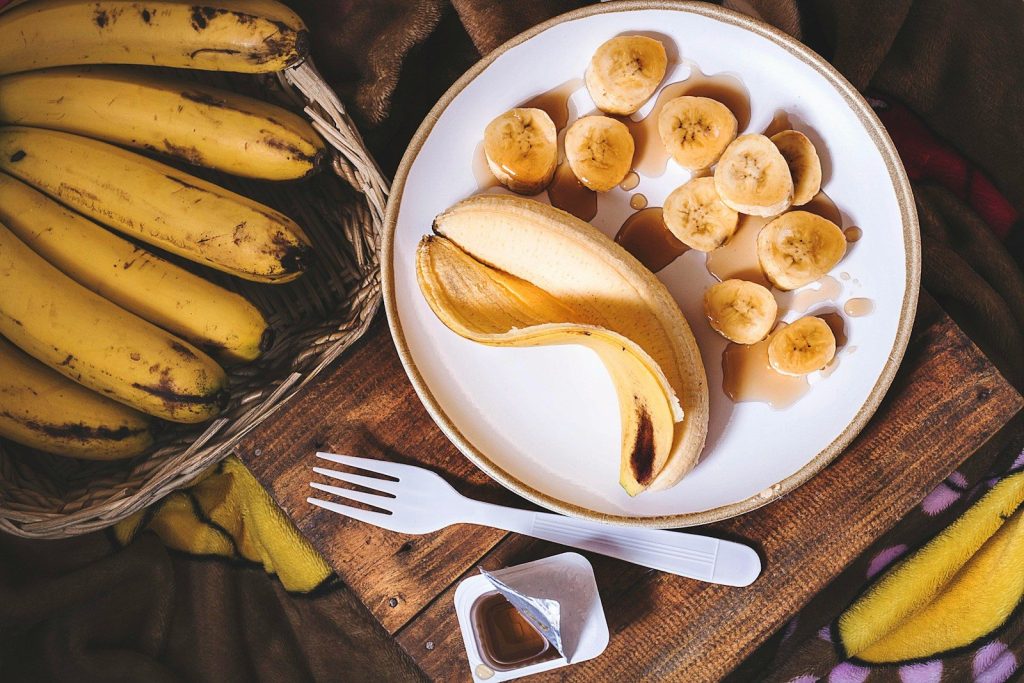

Bananas get dismissed a lot. Too much sugar, too many carbs, not exciting enough for the wellness crowd that’s moved on to açaí and adaptogenic mushrooms. But the research that has built up around regular banana consumption tells a different story, and some of it is genuinely unexpected.
These aren’t just a convenient snack. They’re one of the more nutritionally complex fruits available, and eating one a day produces effects that go well beyond basic energy.
1. Your Blood Pressure May Actually Drop
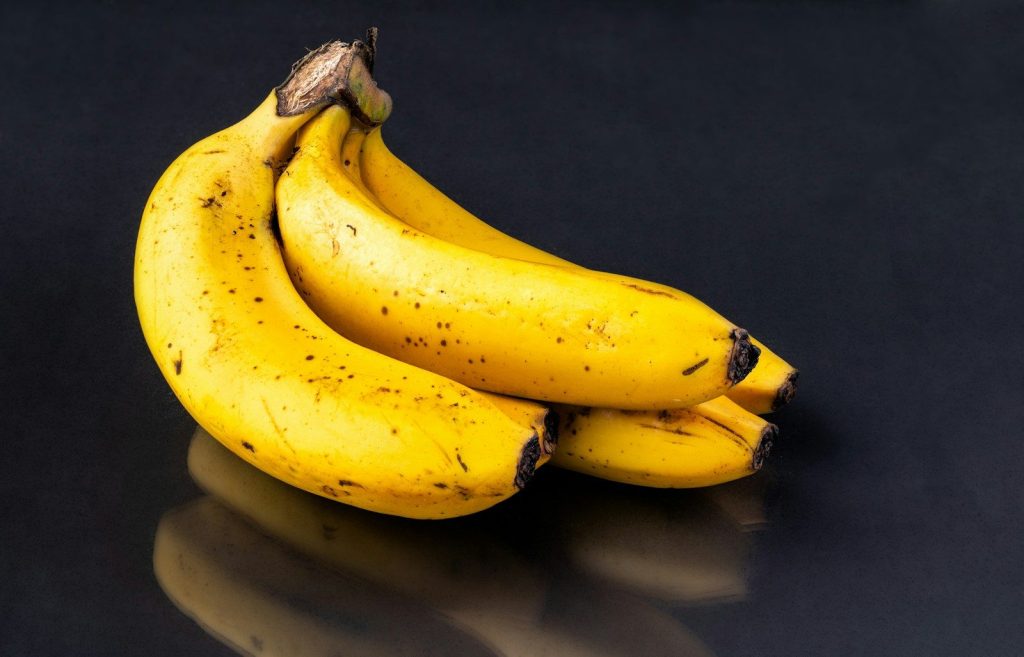
Bananas are one of the richest dietary sources of potassium, with a medium banana delivering around 422 milligrams. Potassium helps the kidneys flush excess sodium, which directly reduces pressure on arterial walls.
A 2024 meta-analysis published in the American Journal of Clinical Nutrition reinforced what earlier studies had suggested: consistent potassium intake from whole food sources correlates with meaningfully lower systolic blood pressure over time. For people who already watch their sodium, adding a daily banana compounds that benefit.
2. Digestion Gets More Consistent
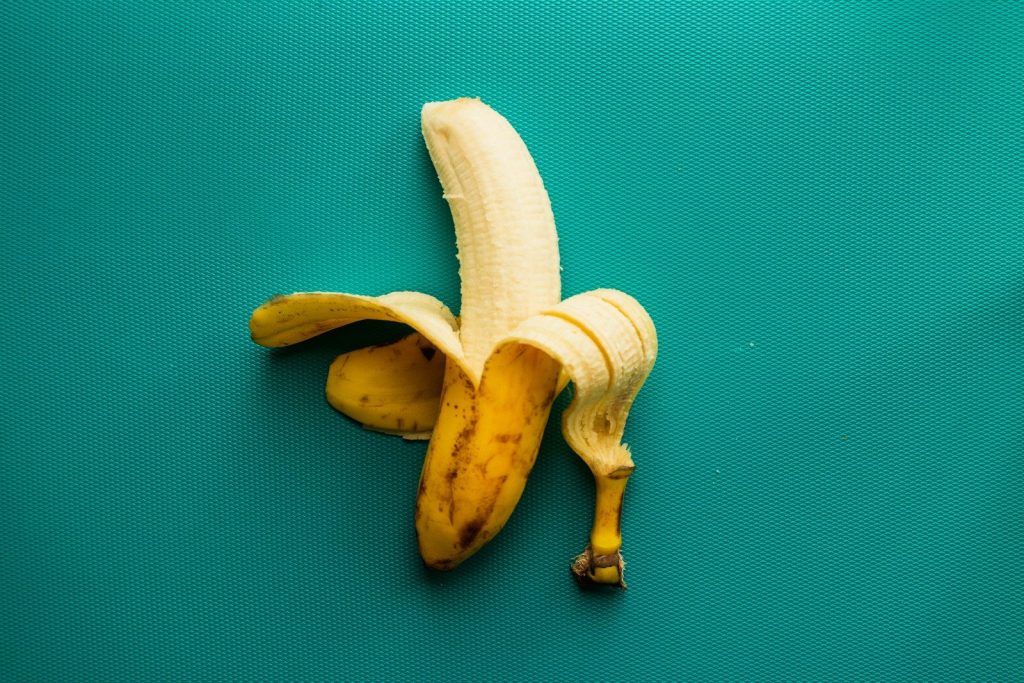
Unripe bananas contain resistant starch, which passes through the small intestine largely undigested and feeds beneficial bacteria in the colon. Ripe bananas shift toward soluble fiber, specifically pectin, which slows digestion and softens stool. Together, depending on ripeness, bananas support two different ends of digestive balance.
People who struggle with irregularity often notice a shift within two to three weeks of daily consumption. That’s not a dramatic claim. It’s just how fiber works when it’s coming in consistently.
3. Mood Stabilization Is a Real Effect
Bananas contain tryptophan, a precursor to serotonin, along with vitamin B6, which the body needs to actually convert tryptophan into serotonin. Without B6, tryptophan sits unused. That combination matters.
A daily banana doesn’t replace treatment for clinical depression, but for people experiencing routine mood dips, fatigue, or low motivation, the nutritional support for serotonin production is legitimate. Nutritional psychiatry has gained serious academic footing since 2022, and B6 deficiency is far more common than most people assume.
4. Sleep Quality Can Improve
The same tryptophan-to-serotonin pathway feeds into melatonin production. Bananas also contain magnesium, which helps relax muscles and supports the nervous system’s ability to wind down.
Eating a banana an hour or two before bed has become a popular recommendation in sleep hygiene circles, and the biochemistry behind it holds up. It won’t fix chronic insomnia, but for people whose sleep is light or disrupted, the combination of magnesium and tryptophan provides a real assist.
5. Exercise Recovery Speeds Up

Athletes have known this for years, but it applies to anyone who moves regularly. Bananas replenish glycogen stores depleted during exercise and deliver potassium and magnesium lost through sweat.
A 2023 study out of Appalachian State University found that banana consumption post-exercise was as effective as commercial sports drinks for reducing inflammation markers and supporting recovery. No artificial dyes, no added sodium. The carbohydrate ratio in a ripe banana happens to be close to ideal for post-workout muscle glycogen restoration.
6. Blood Sugar Response Is More Nuanced Than Expected
Bananas have a reputation for spiking blood sugar, mostly because of their natural sugars. The reality is more complicated. The fiber content, especially in less ripe bananas, slows glucose absorption significantly. The glycemic index of a green banana is around 42.
Even a fully ripe banana sits around 51, which is moderate. Pairing a banana with protein or healthy fat lowers that response further. People with type 2 diabetes should still monitor portion size, but the blanket warning against bananas has been walked back considerably in recent clinical guidance.
7. Kidney Health Gets Quiet Support
Regular potassium intake is associated with reduced risk of kidney stones, particularly calcium oxalate stones, which are the most common type. Potassium citrate, found in bananas, inhibits stone formation.
Studies tracking dietary patterns over time have consistently found that people with higher fruit-based potassium intake develop kidney stones at lower rates. The kidneys also benefit from the low sodium content of bananas, since high sodium forces the kidneys to work harder to maintain fluid balance.
8. Skin May Reflect the Change
Vitamin C, vitamin B6, and manganese all show up in bananas, and all three play roles in collagen synthesis and oxidative stress reduction. Collagen production slows naturally with age, and dietary support for it matters more than most skincare marketing admits. The manganese content in a single banana covers roughly 16 percent of the recommended daily intake.
Over months of consistent consumption, people sometimes report improved skin elasticity and a reduction in dullness, effects that are hard to separate from overall nutritional improvement but appear repeatedly in self-reported dietary studies.
9. The Cumulative Effect Is the Point
None of these changes happen overnight. That’s actually what makes them worth paying attention to. A banana a day isn’t a treatment or a cure, but as a daily nutritional habit, it stacks benefits across cardiovascular health, gut function, mood, sleep, and recovery in a way that few single foods can match.
At around 25 cents per fruit in most American grocery stores in 2026, the cost-to-benefit ratio is hard to argue with. The simplicity of it is easy to dismiss. The consistency of the evidence is harder to ignore.