
For decades, objects from the 1970s occupied an awkward position in the vintage market. They were too recent to feel genuinely antique, and too dated to feel desirable. The decade got passed over in favor of mid-century pieces from the ’50s and early ’60s. That has changed.
By 2026, auction platforms including Heritage Auctions, Catawiki, and 1stDibs report steady growth in late-century categories, with 1970s items selling well above their historical averages. The generation that grew up during that decade now has real disposable income and a strong pull toward the objects of their childhood. Younger collectors have also developed an appetite for the analog textures and pre-digital craftsmanship that define the era.
Original condition, documented provenance, and confirmed rarity are what the market is paying for. What follows are eight categories where that value shows up most unexpectedly.
1. Atari 2600 Cartridges — $500 to $30,000+
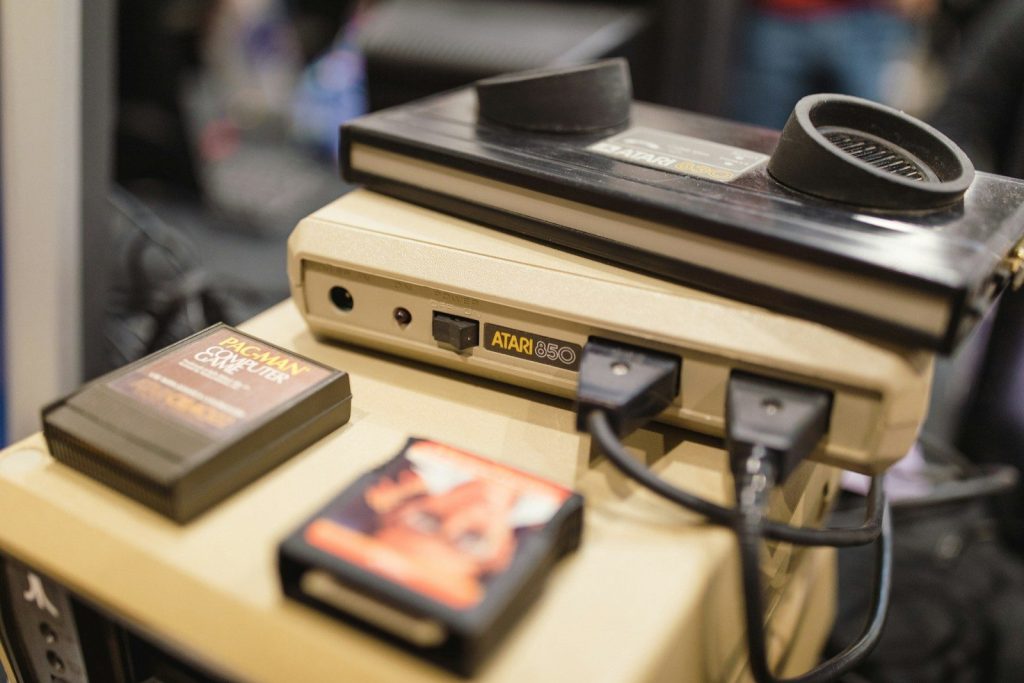
The Atari 2600 debuted in 1977 and redefined home entertainment. Most common cartridges sell for a few dollars. Sealed, mint-condition copies of low-print-run games are a different category entirely.
The most extreme example is Air Raid, a cartridge so scarce that only a handful of confirmed copies exist. One sealed, complete-in-box example sold for more than $33,000. Sealed copies of other low-circulation titles such as Swordquest: Earthworld and Swordquest: Waterworld in original boxes with all inserts intact regularly sell for $500 to several thousand dollars. The box and manual carry nearly as much weight as the cartridge itself, a complete-in-box set can be worth ten times the cartridge alone.
2. First-Generation Star Wars Action Figures — $200 to $45,000+
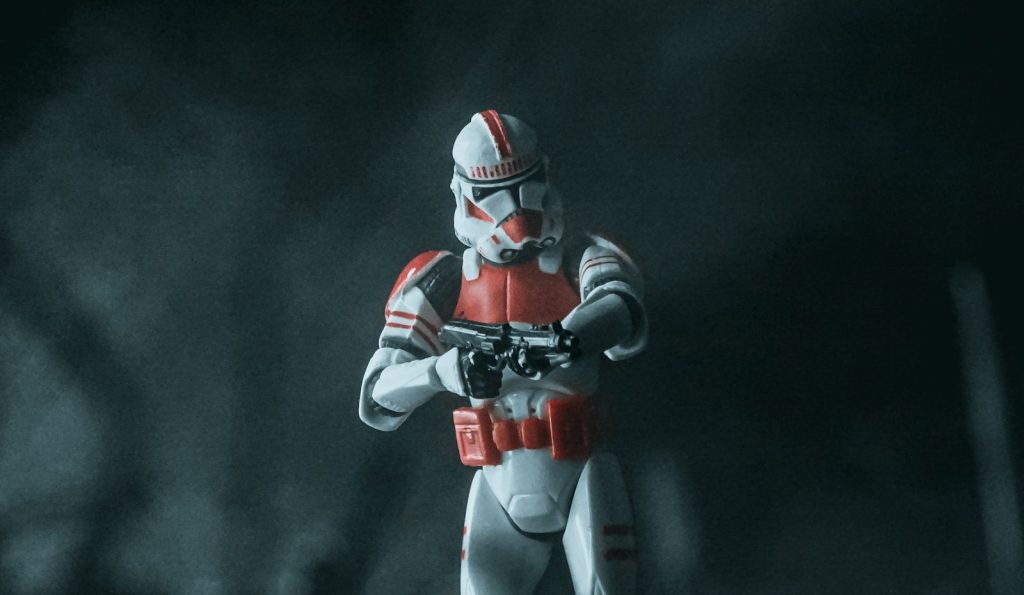
Kenner released its first wave of Star Wars figures in 1977 and 1978. The original 12-back cards, named for the twelve figures pictured on the cardboard backing, are the most sought-after items from this era. A carded Vinyl Cape Jawa, produced briefly before the soft vinyl cape was replaced with cloth, has sold for well over $20,000, with high-grade AFA 80+ examples now reaching $30,000 to $45,000 at auction.
Loose, uncarded figures from the first wave in excellent condition regularly bring $200 to $600 each.
Collectors look for tight joints, no paint loss on the face, and weapons confirmed as original. AFA grading can add meaningful value when it comes time to sell.
3. Nakamichi Cassette Decks — $800 to $5,000
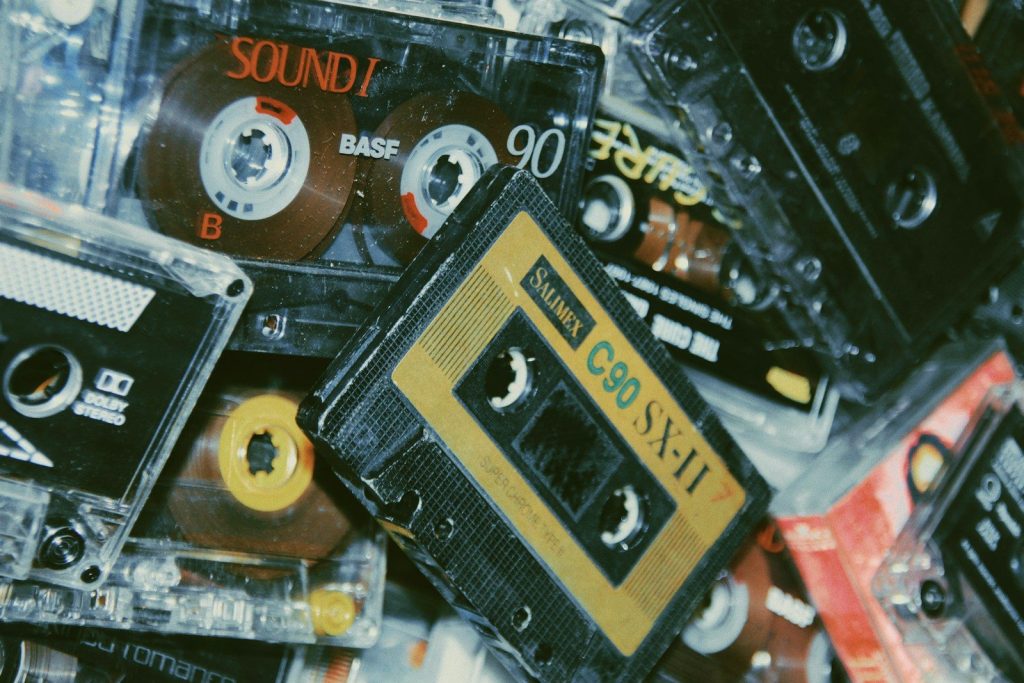
The analog audio revival has not slowed, and no piece of equipment represents it more fully than a Nakamichi cassette deck in working condition. The Japanese manufacturer produced some of the most precisely engineered tape mechanisms ever made available to consumers, and the early 1970s models, particularly the 1000 and 700, both introduced in 1973, are considered the clearest expression of that philosophy.
The Nakamichi 1000 and 700 series are the primary targets. Fully serviced examples in excellent condition can sell for $2,000 to $5,000. A non-working unit with all original parts can still fetch $800 or more from restoration buyers.
4. CBS-Era Fender and Gibson Guitars — $2,000 to $15,000+
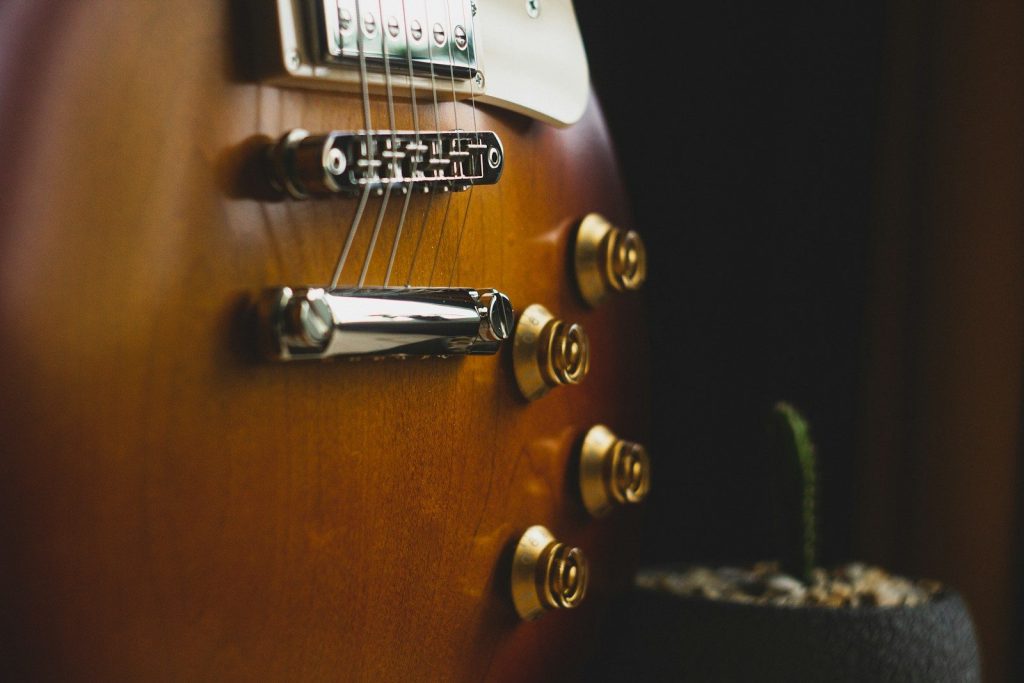
The 1970s Stratocasters and Telecasters occupy a practical sweet spot. They are genuinely vintage instruments featuring the large headstock (introduced in late 1965) and the bullet truss rod (introduced in 1971) that have come to define the CBS era’s look. A 1974 Fender Stratocaster in original finish with its original case trades at $4,000 to $8,000 depending on color.
Sunburst and natural are common. Mocha and black are rarer and priced accordingly.
On the Gibson side, 1970s Les Paul Customs and Deluxes have climbed to $3,000 to $6,000 for all-original examples. Replacement hardware, even period-correct hardware, drops the price noticeably.
5. Pyrex Pattern Cookware — $50 to $900 per piece
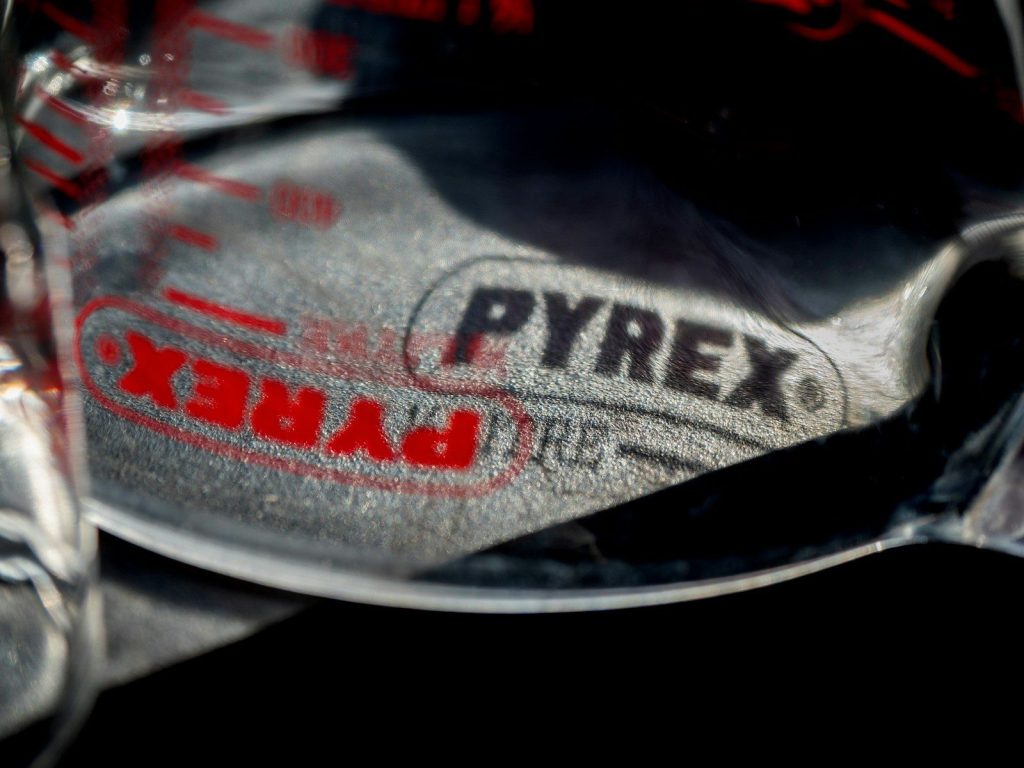
Vintage Pyrex has grown from a niche hobby into a fully organized market with documented price guides and specialist dealers. The pieces commanding the highest prices are limited-pattern promotional sets from the 1970s, designs like Lucky in Love, Friendship, and the Balloons pattern. A complete set of four nesting bowls in a rare pattern can sell for $600 to $900.
Crazing, the network of fine cracks that develops in the glaze over time, eliminates most of a piece’s value. Collectors look for saturated, unscratched color and undamaged rims.
6. Halston and DVF Clothing — $300 to $4,000+
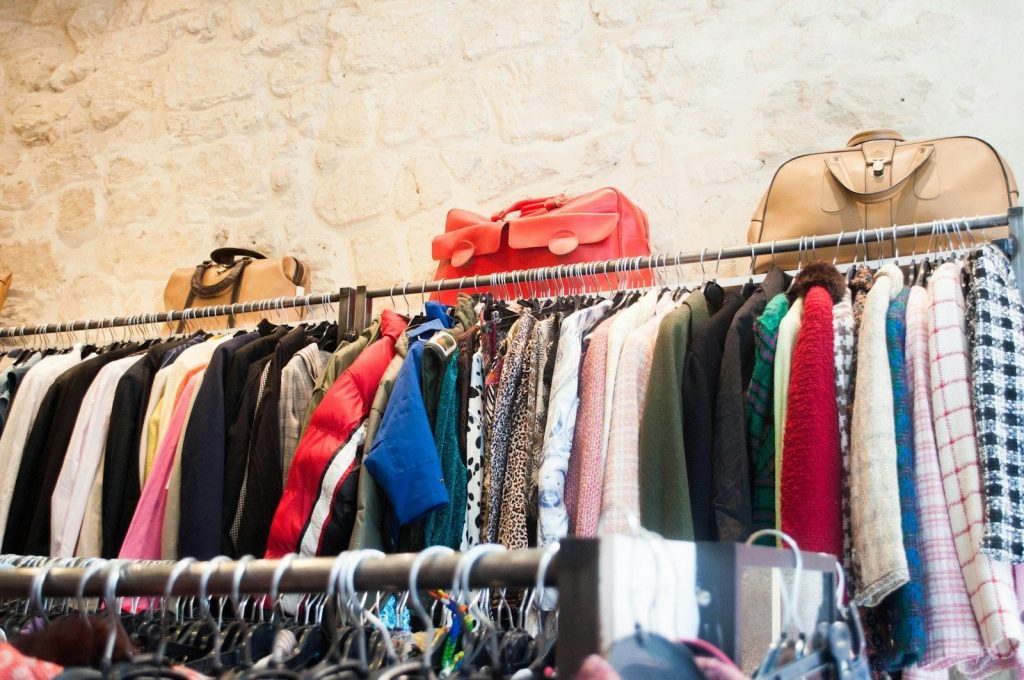
A Halston Ultrasuede shirtdress in excellent condition, no fading, no alterations, original label intact, sells for $800 to $2,500. DVF’s original wrap dresses, first introduced in 1974, particularly bold graphic prints from 1974 to 1977, have reached $4,000 at specialist auctions when the condition is exceptional and the print is a confirmed early design.
Documentation multiplies value here more than in almost any other category. An original receipt or a verified chain-of-custody history adds a measurable premium. Provenance is often the deciding factor between a good price and a great one.
7. Polaroid SX-70 Cameras — $200 to $600
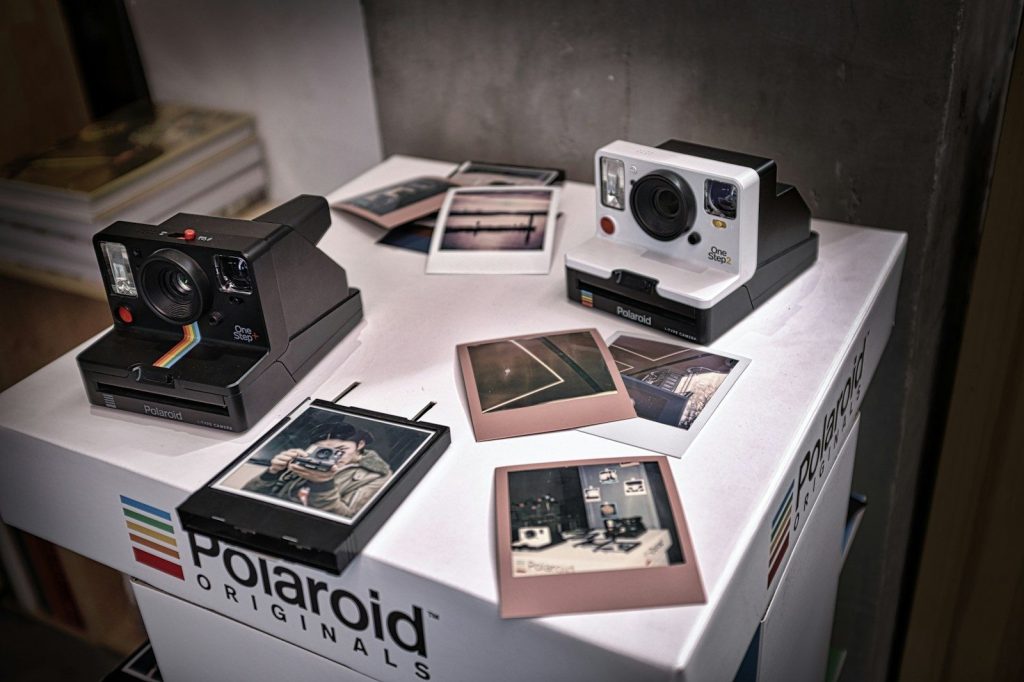
Introduced in 1972, the SX-70 is widely regarded as one of the most thoughtfully designed consumer cameras ever produced. Working examples in clean condition sell for $200 to $400.
The rarer Sonar OneStep autofocus variant pushes $500 to $600.
Non-working units still attract buyers because the restoration community is active and original parts are increasingly hard to source.
8. Signed and First-Edition Rock LPs — $500 to $15,000+
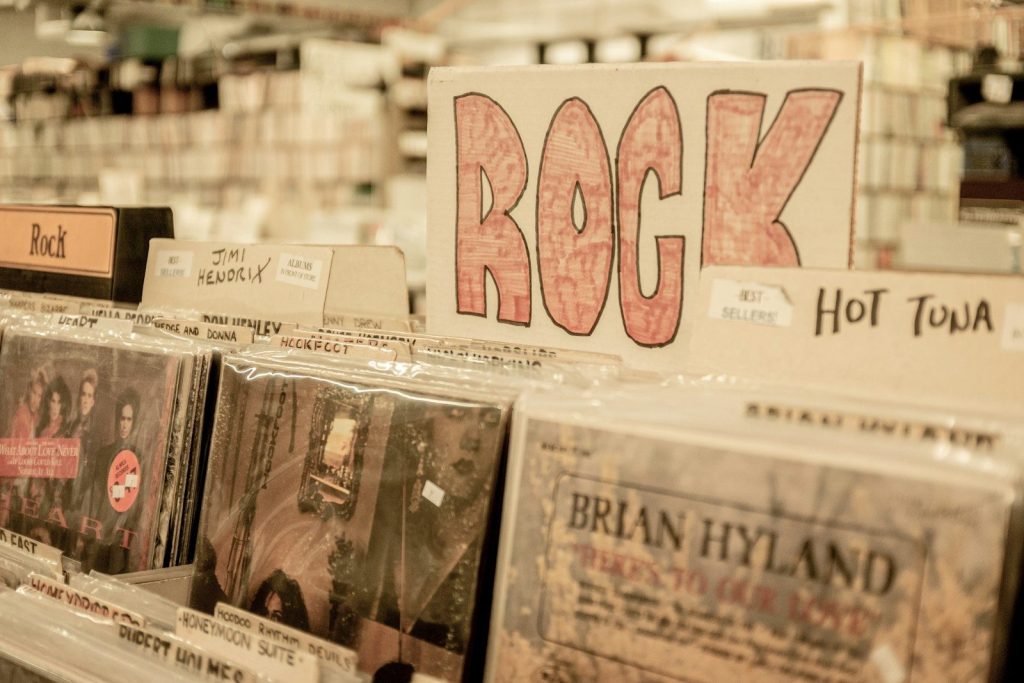
Original pressings of landmark 1970s albums have crossed into investment-grade territory. A near-mint first UK pressing of Pink Floyd’s The Dark Side of the Moon has sold for over $13,000 when the provenance is exceptional. One recent sale on Discogs, believed to be among the first 300 copies produced, reached that figure in early 2026. Led Zeppelin’s fourth album, in an original 1971 UK pressing, can get you $400 to $800 for typical examples in excellent condition, with the rarest near-mint copies potentially reaching higher.
Signed copies of any major 1970s release carry a further premium, with authenticated signatures from artists no longer living holding the most consistent long-term value.
Before You Buy or Sell

Original condition outperforms restored condition across every category here. A guitar with a worn factory finish is worth more than one that has been refinished. The same logic applies to cookware, cameras, and clothing.
Sold listings, not active listings, are the only prices that matter when researching value. An item listed at $2,000 tells nothing. An item that sold for $2,000 is actual market data. Estate sales and local marketplace listings remain the best sources for underpriced material, online platforms have largely caught up to scarcity pricing, but local sellers still frequently undervalue what they have. That gap is where the real finds still are.