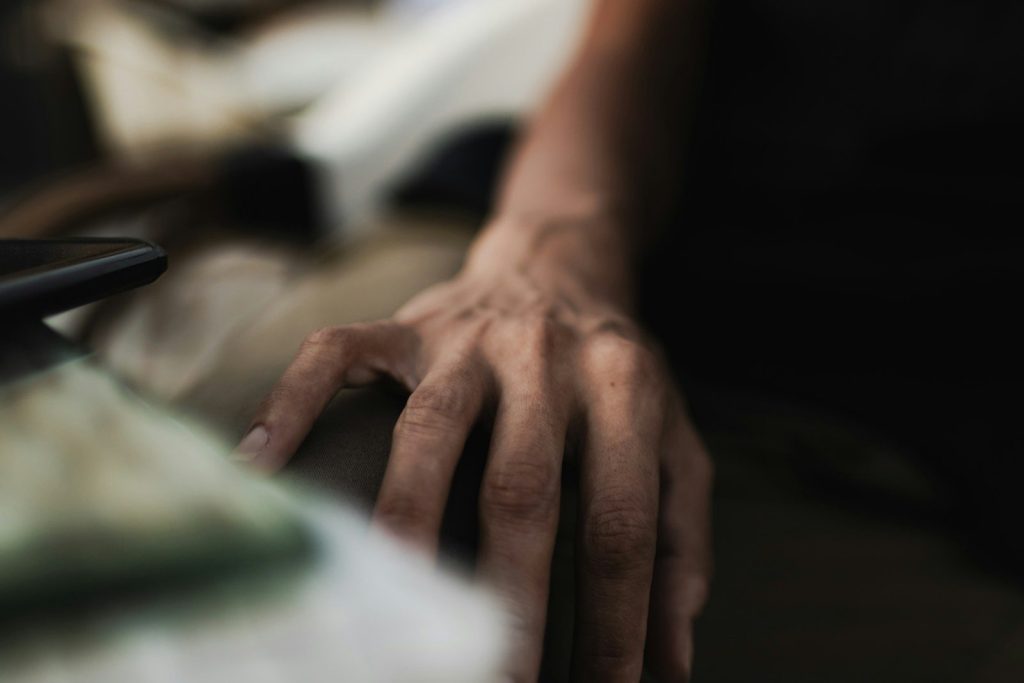

Bulging veins can appear alarming, especially when they suddenly become more visible. In many cases, they are simply enlarged veins located close to the skin’s surface. Age, genetics, activity levels, and body composition can all influence how noticeable veins become.
For some people, prominent veins are mostly cosmetic. For others, they may signal an underlying circulation issue that deserves attention. Understanding the difference is often the first step toward making informed decisions about treatment and prevention.
1. Aging Plays a Major Role
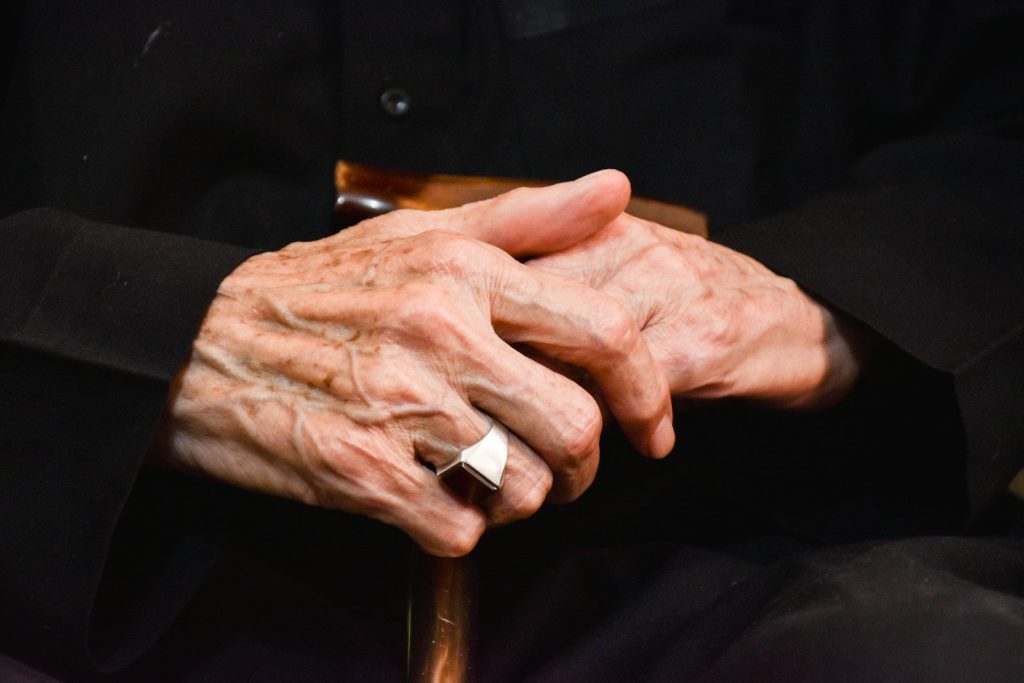
As people get older, veins naturally lose some of their elasticity. The valves inside veins, which help blood flow back toward the heart, can weaken over time. When those valves do not work as efficiently, blood may pool in certain areas, causing veins to enlarge and become more visible.
This is one reason bulging veins become increasingly common after age 50. By 2026, millions of older Americans continue to manage vein-related conditions as part of normal aging.
2. Genetics Matter More Than Many Expect

Family history is one of the strongest predictors of bulging veins. If parents or grandparents experienced varicose veins, future generations are more likely to develop them as well.
Genetics can affect vein wall strength, valve function, and overall circulation. Healthy habits may reduce symptoms, but inherited factors often influence whether visible veins develop in the first place.
3. Not All Bulging Veins Are Varicose Veins

People often use the term “varicose veins” to describe any visible vein, but several different vein types exist.
Varicose veins are typically twisted, enlarged, and raised above the skin. Spider veins are smaller and resemble branching webs or fine lines. Athletes and physically active individuals may also develop prominent veins due to low body fat and increased muscle mass. In those cases, visible veins are usually a normal response to physical conditioning.
4. Standing for Long Periods Can Increase Risk

Jobs that require extended standing have long been linked to vein problems. Teachers, retail workers, healthcare professionals, and factory employees often spend hours on their feet each day.
Gravity places constant pressure on the veins in the legs. Over many years, that pressure can contribute to valve damage and reduced circulation efficiency. Taking regular walking breaks and changing positions throughout the day may help reduce strain on the veins.
5. Symptoms Go Beyond Appearance

Many people focus on how bulging veins look, but physical symptoms are often a larger concern.
Some individuals experience aching, heaviness, throbbing, swelling, or nighttime leg cramps. Symptoms may become more noticeable after long periods of sitting or standing. In some cases, discomfort can affect daily activities and overall quality of life. When symptoms begin interfering with normal routines, medical evaluation becomes more important.
6. Exercise Can Help Circulation
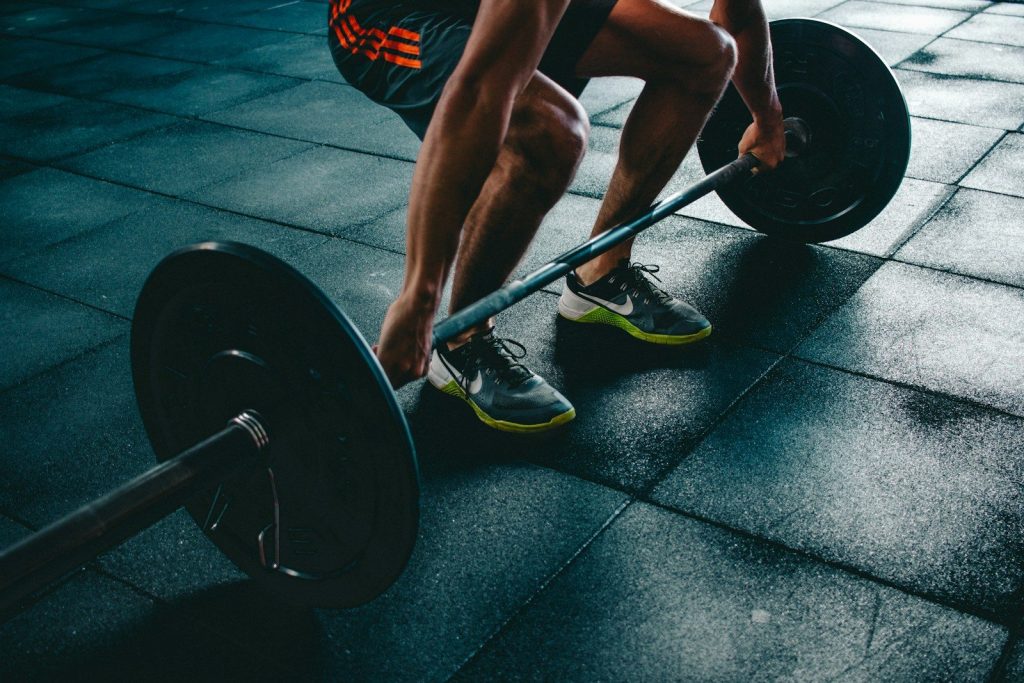
Regular movement supports healthy blood flow. Walking is especially beneficial because it activates the calf muscles, which act as a natural pump that helps move blood upward through the legs.
Swimming, cycling, and other low-impact activities can also support circulation. Exercise will not eliminate existing varicose veins, but it may help reduce discomfort and slow further progression in some people.
7. Treatment Options Have Improved
Modern vein treatments are far less invasive than many people assume. Procedures that once required lengthy recovery periods have largely been replaced by outpatient techniques.
Doctors may recommend compression stockings, laser therapy, radiofrequency treatments, sclerotherapy, or other minimally invasive procedures depending on the condition being treated. Many patients return to normal activities quickly after treatment. The best approach depends on symptom severity, overall health, and the specific veins involved.
8. Some Cases Need Medical Attention
Bulging veins are often harmless, yet certain warning signs should never be ignored. Persistent swelling, skin discoloration, open sores near the ankles, sudden pain, warmth, or redness can indicate more serious circulation problems. Blood clots and chronic venous disease require prompt medical evaluation.
A visible vein may seem like a minor issue on the surface, but circulation affects far more than appearance.
Prevention Starts Earlier Than Most People Think

Healthy vein habits are easiest to build before symptoms appear. Maintaining a healthy weight, staying physically active, avoiding long periods of inactivity, and elevating the legs when possible can all support vein health over time.
No strategy can completely overcome genetics or aging, but daily habits influence how much stress veins experience year after year. For many people, small adjustments made today can help keep circulation functioning more comfortably for decades to come.