

Many foods earn a healthy reputation for good reason. They contain vitamins, minerals, fiber, healthy fats, or other nutrients that support overall wellness. Still, even nutritious foods can cause problems when portions grow too large.
The idea that a food is “healthy” sometimes leads people to eat more of it than they realize. Calories add up, sugar can sneak in, and certain nutrients can become excessive. A balanced diet is not about avoiding healthy foods. It is about knowing when enough is enough. Here are nine healthy foods that are often best enjoyed in moderation.
1. Avocados
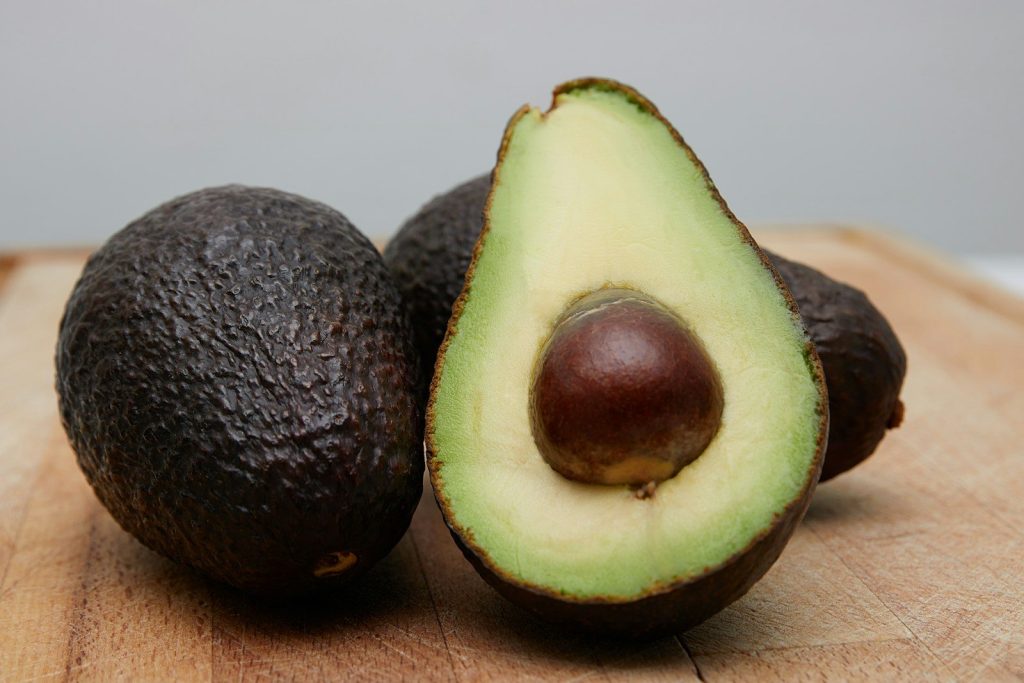
Avocados have become a staple in many kitchens. They provide heart-friendly monounsaturated fats, fiber, potassium, and several vitamins.
The catch is their calorie content. A single large avocado can contain well over 300 calories. That does not make avocados unhealthy, but it does make portion size worth considering. Adding a few slices to a sandwich or salad delivers many of the benefits without turning a light meal into a calorie-heavy one.
2. Nuts
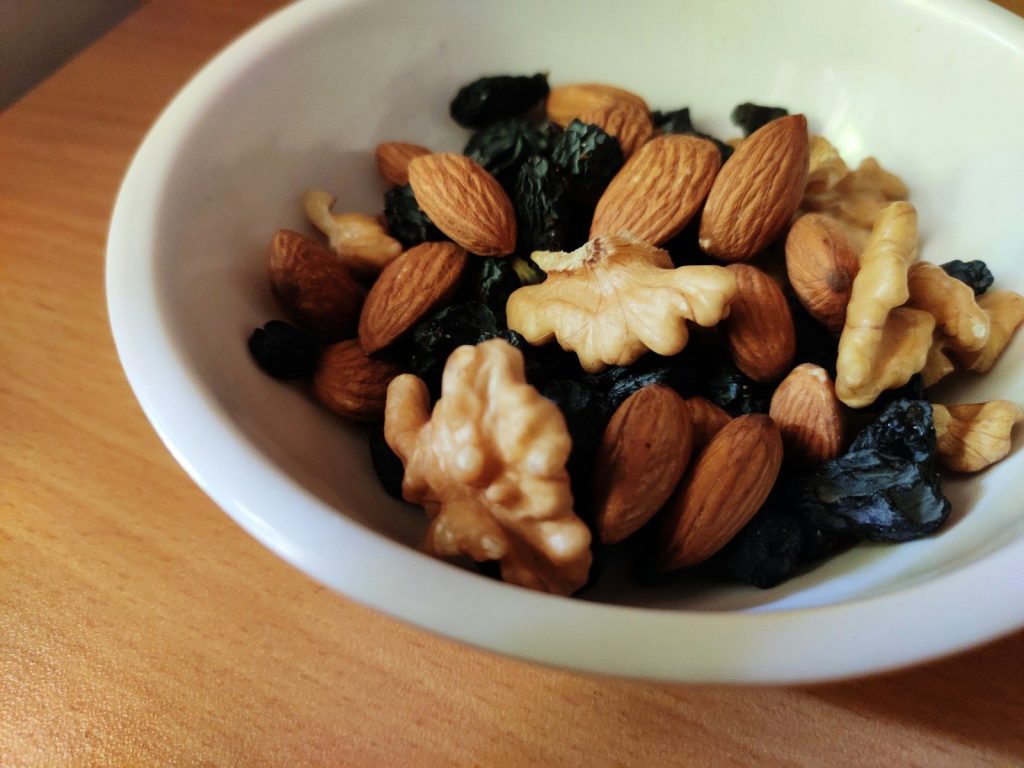
Almonds, walnuts, pistachios, and cashews are packed with nutrients. They offer protein, healthy fats, fiber, and minerals that support heart health.
They are also remarkably easy to overeat. A handful can quickly become several handfuls while watching television or working at a desk. Because nuts are calorie-dense, those extra servings can add up fast. Measuring portions occasionally can help keep consumption in check without giving up a nutritious snack.
3. Dried Fruit

Dried fruit often looks like a healthier alternative to candy. Raisins, dates, apricots, and figs contain fiber and nutrients that fresh fruit provides. The difference is concentration. Removing water shrinks the fruit while leaving most of the sugar behind. A small serving can contain the equivalent of several pieces of fresh fruit.
Dried fruit can fit into a healthy diet, especially when paired with nuts or yogurt, but large portions can deliver more sugar and calories than expected.
4. Dark Chocolate

Dark chocolate has earned praise for its antioxidant content. Many varieties also contain minerals such as iron and magnesium.
That does not change the fact that chocolate remains a treat. Most bars still contain calories, fat, and sugar. A square or two can satisfy a craving and provide the benefits often associated with dark chocolate. Finishing an entire bar in one sitting turns a smart indulgence into something less helpful.
5. Smoothies

A homemade smoothie can be loaded with fruit, vegetables, protein, and healthy ingredients. It sounds like the perfect meal.
Sometimes it is. Other times, a large smoothie contains several bananas, multiple servings of fruit, nut butter, sweetened yogurt, and juice. The result can rival the calorie count of a restaurant meal. Smoothies work best when ingredients are chosen thoughtfully rather than poured into a blender without much consideration.
6. Olive Oil

Olive oil remains one of the most respected ingredients in nutrition. It is strongly associated with healthy eating patterns and contains beneficial fats.
Even so, oil is concentrated energy. One tablespoon contains roughly 120 calories. Pouring freely into pans, salads, and roasted vegetables can increase calorie intake more than many people realize. Using olive oil intentionally allows its flavor and benefits to shine without excess.
7. Whole-Grain Bread

Whole-grain bread offers more fiber and nutrients than many refined breads. It can support digestion and help people feel fuller after meals.
The word “whole grain” sometimes creates the impression that portion size no longer matters. Calories still count, and multiple thick slices can contribute more energy than expected. A sandwich on whole-grain bread can be part of a healthy meal. Several extra slices throughout the day can quietly increase total intake.
8. Greek Yogurt

Greek yogurt delivers protein, calcium, and probiotics that support digestive health. It has become one of the most popular healthy foods of the past decade.
Problems usually arise with flavored varieties. Many contain added sugars that can push nutrition numbers in the wrong direction. Even plain Greek yogurt can become less balanced when topped with large amounts of sweeteners, granola, and dried fruit. A moderate serving provides plenty of nutrition on its own.
9. Honey

Honey is often viewed as a natural alternative to refined sugar. It contains small amounts of antioxidants and has a long history of culinary use. Natural does not mean calorie-free. Honey still affects blood sugar and contributes added sugars to the diet. A drizzle in tea, oatmeal, or yogurt can add flavor without much concern. Large amounts can quickly turn into a daily sugar habit.
Healthy eating is often less about finding perfect foods and more about respecting portion sizes. Even some of the most nutritious choices work best when they remain part of a balanced plate rather than the centerpiece of every meal.