
Paying for college often means looking beyond federal aid, and private student loans can fill the gap. While many lenders appear similar at first glance, the fine details can shape your borrowing experience long after graduation.
Comparing lenders carefully is about more than finding the lowest advertised rate. Features like repayment flexibility, borrower protections, and eligibility requirements can influence both your monthly budget and your long-term financial plans.
The Interest Rate Is Only Part of the Story

A low interest rate naturally grabs attention, but it should not be the only factor guiding your decision. The annual percentage rate gives a broader picture because it reflects the overall borrowing cost, making it easier to compare offers from different lenders.
It also helps to understand whether the loan has a fixed or variable interest rate. Fixed rates stay the same throughout repayment, while variable rates can change over time, potentially affecting future monthly payments.
Why Repayment Choices Matter So Much

Private lenders often offer different repayment options while you’re still in school. Some allow full payment deferral, while others encourage interest-only or small fixed monthly payments before graduation.
Choosing the option that fits your current finances can influence how much interest builds before repayment begins. Thinking ahead about your future budget makes it easier to select a plan that feels manageable after college.
A Cosigner Can Open More Doors

Many students have limited credit histories, making it difficult to qualify for the best loan terms on their own. Applying with a qualified cosigner may improve approval chances and help secure more competitive rates.
Some lenders also offer cosigner release after a period of responsible payments. That feature allows the borrower to eventually take full responsibility for the loan without permanently involving another family member.
Every Lender Evaluates Borrowers Differently
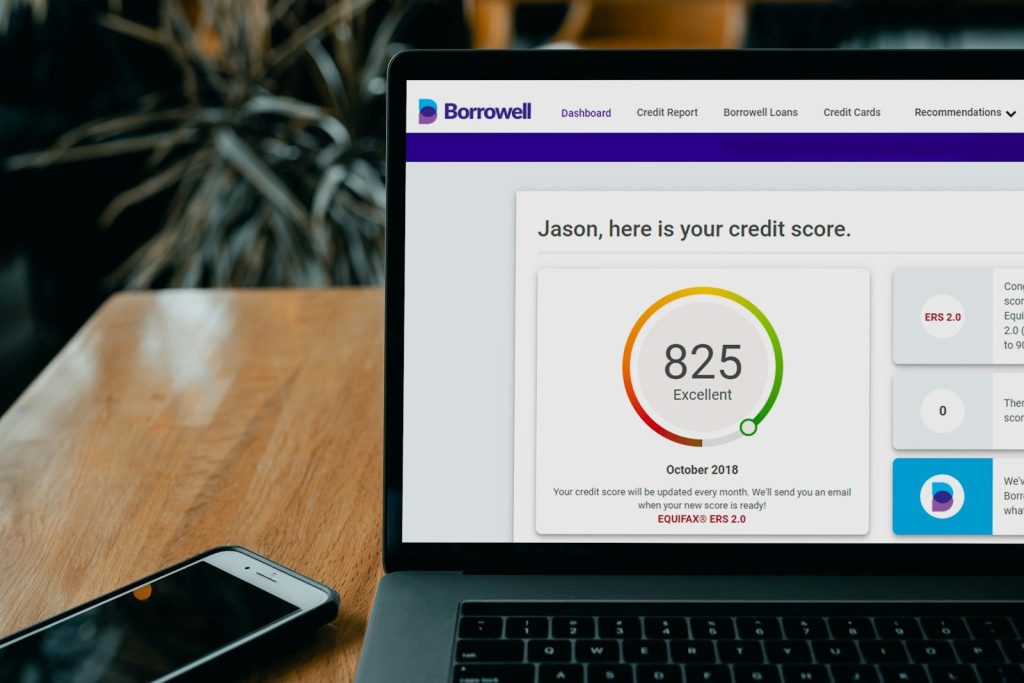
Approval standards vary from one lender to another. Some place greater emphasis on credit scores, while others consider factors such as school enrollment, degree program, projected graduation, or future earning potential.
Because of these differences, students who do not qualify with one lender may receive a better offer elsewhere. Comparing several lenders gives borrowers a clearer understanding of their available options.
Small Borrower Benefits Can Add Real Value

Many lenders include benefits that extend beyond the loan itself. Automatic payment discounts can reduce interest costs, while some companies provide career resources, financial education tools, or access to personal finance guidance.
Hardship assistance programs are another feature worth reviewing. Temporary payment relief or modified repayment plans may become valuable if unexpected financial challenges arise after graduation.
Borrowing Limits Are Not Always the Same
Private lenders set different borrowing limits based on factors such as the cost of attendance, degree level, and financial need. Undergraduate, graduate, professional, and career training students may all encounter different loan options.
Reviewing eligibility requirements before applying helps avoid unnecessary applications and keeps your search focused on lenders that support your specific educational goals.
Looking Beyond the First Offer

The first loan offer you receive is not always the strongest choice. Comparing several lenders side by side allows you to evaluate rates, repayment flexibility, borrower protections, fees, and additional benefits before making a commitment.
A careful comparison today can prevent surprises later. Taking a little extra time to understand the details helps ensure your private student loan supports both your education and your financial future.
Featured Image: Photo by wong yu liang on Shutterstock