

Work can quickly become overwhelming when emails, meetings, and last-minute requests compete for your attention. Staying busy all day does not always mean you are making meaningful progress.
The good news is that better time management rarely requires expensive tools or complicated systems. A few intentional habits can help you accomplish more, reduce stress, and make better use of every workday.
Start With Your Three Most Important Tasks

Before opening your inbox, write down the three tasks that will make the biggest impact if completed today. This simple habit gives your day a clear direction before distractions take over.
Finishing meaningful work early prevents smaller requests from consuming your schedule. It also reduces the need for overtime, helping you protect both your personal time and your energy.
Group Similar Tasks Into One Time Block

Jumping between emails, reports, phone calls, and meetings slows your momentum. Instead, batch similar work together so your brain stays focused on one type of task at a time.
For example, answer emails twice a day instead of every few minutes. This approach reduces interruptions and helps large projects move forward faster.
Use a Timer to Stay Focused

Set a timer for twenty-five or thirty minutes and work on one task without checking messages or social media. When the timer ends, take a short break before starting another session.
Short periods of focused work often produce better results than trying to multitask all afternoon. You may even finish early enough to avoid staying late at the office.
Schedule Meetings Only When Necessary
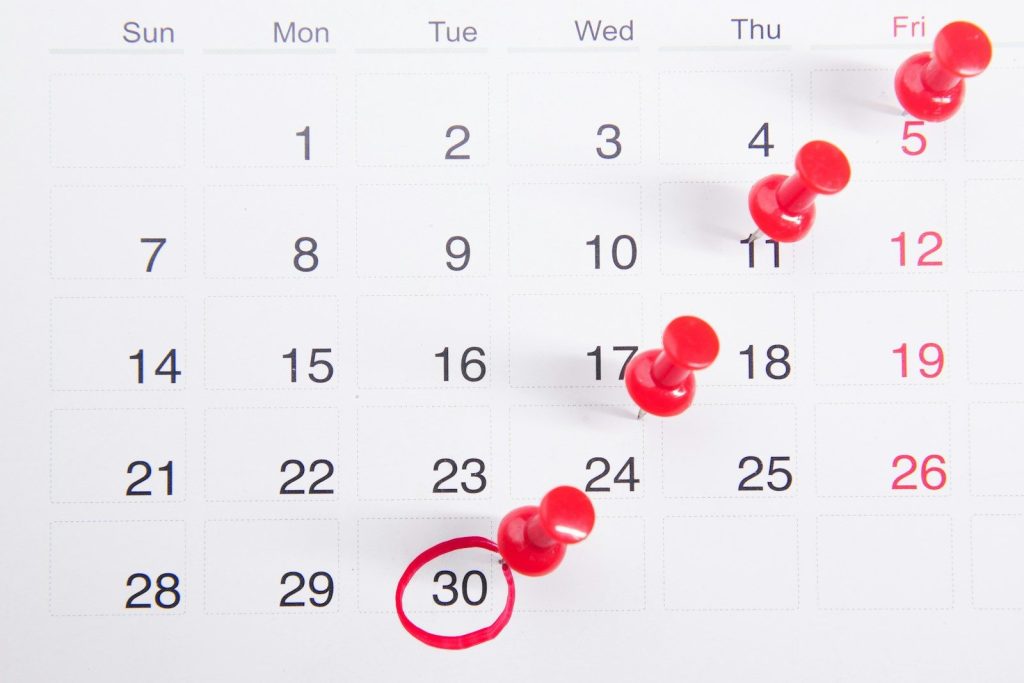
Not every discussion needs a calendar invitation. Some questions can be answered with a quick message or brief phone call instead of a thirty-minute meeting.
Protecting your calendar creates more uninterrupted work time. That means fewer rushed deadlines and more opportunities to finish important projects during normal business hours.
Create Templates for Repetitive Work
If you frequently send similar emails, prepare reports, or answer common questions, save templates that you can reuse whenever needed.
Spending a few minutes creating templates today can save hours over the coming months. Small efficiencies often add up faster than people expect.
Keep Your Workspace Simple
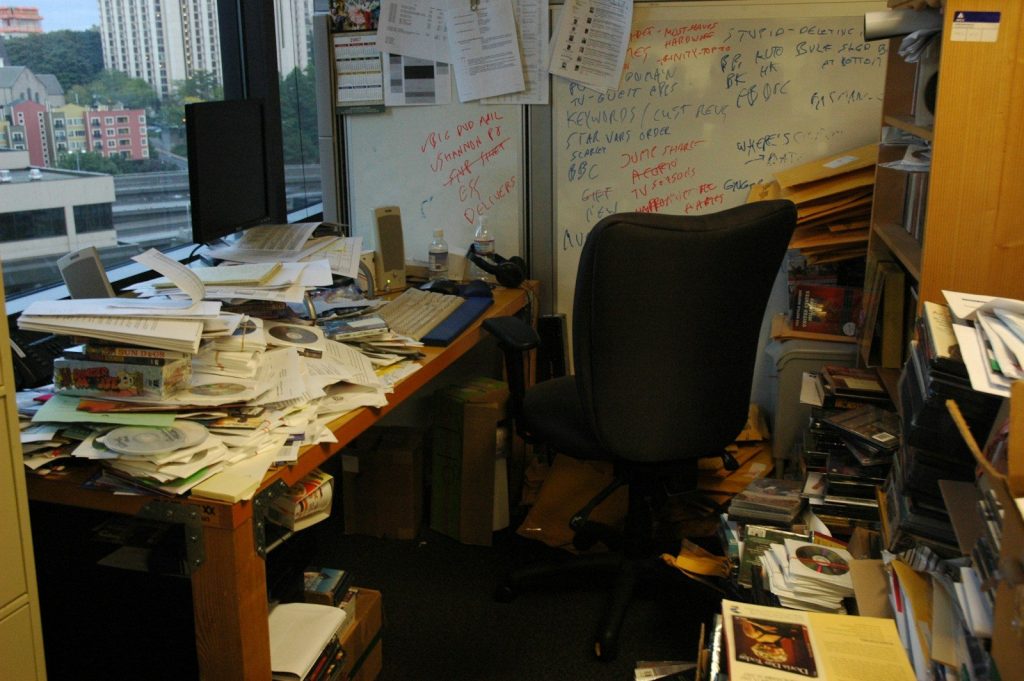
A cluttered desk can become a constant source of distraction. Keep only the items you regularly use within reach and store everything else neatly.
An organized workspace makes it easier to find documents, reduces wasted time searching for supplies, and helps you stay focused throughout the day.
Leave Small Gaps Between Appointments

Scheduling meetings back to back leaves no room for unexpected tasks or quick breaks. Even a ten-minute buffer can prevent your entire day from falling behind.
Those small breaks also give you time to organize notes, prepare for the next conversation, or simply reset before tackling another project.
Review Tomorrow Before You Finish Today

Spend the last ten minutes of your workday organizing tomorrow’s priorities. Write down unfinished tasks, prepare needed documents, and clear your workspace before leaving.
Starting the next morning with a plan reduces stress and helps you begin working immediately instead of figuring out what to do first.
Featured Image: Photo by Ian Harber on Unsplash