

Every drop of water flowing through your home costs more than you might think. Between water, sewer, and energy charges, small daily habits can quietly increase monthly utility bills without anyone noticing.
Fortunately, lowering water use does not require expensive equipment or major renovations. A few practical changes can help your household waste less, spend less, and make everyday routines more efficient.
Turn Small Leaks Into Your First DIY Project
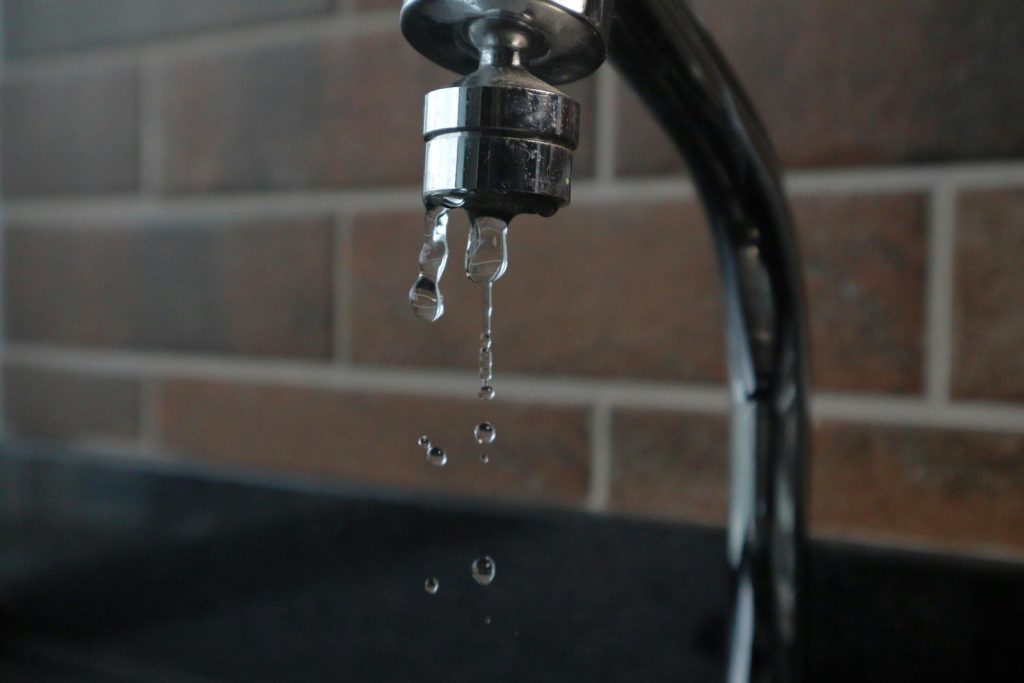
A dripping faucet may seem harmless because each drip looks insignificant. Over weeks and months, however, those tiny leaks can waste hundreds of gallons of water.
Check faucets, showerheads, and toilets every few months for signs of leaks. Replacing a worn washer or seal is often inexpensive and can quickly pay for itself through lower utility costs.
Let The Dishwasher Do The Work
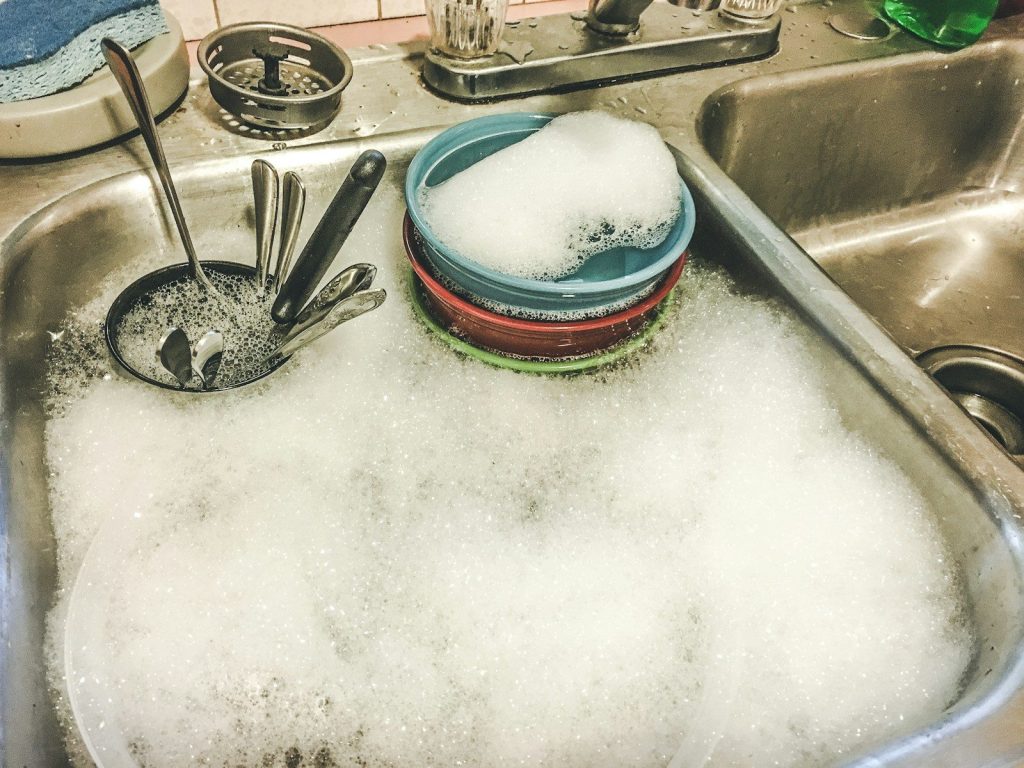
Many people still rinse dishes under running water before loading the dishwasher, even though most modern machines are designed to handle food residue.
Scrape leftovers into the trash or compost instead of prewashing everything. You save water without sacrificing clean dishes at the end of the cycle.
Collect Water While You Wait

Instead of letting cold water disappear down the drain while waiting for it to warm up, place a clean bucket or watering can underneath the faucet.
That collected water works perfectly for houseplants, outdoor flowers, pet bowls, or light cleaning jobs, giving every gallon a second purpose.
Water Plants At The Right Time
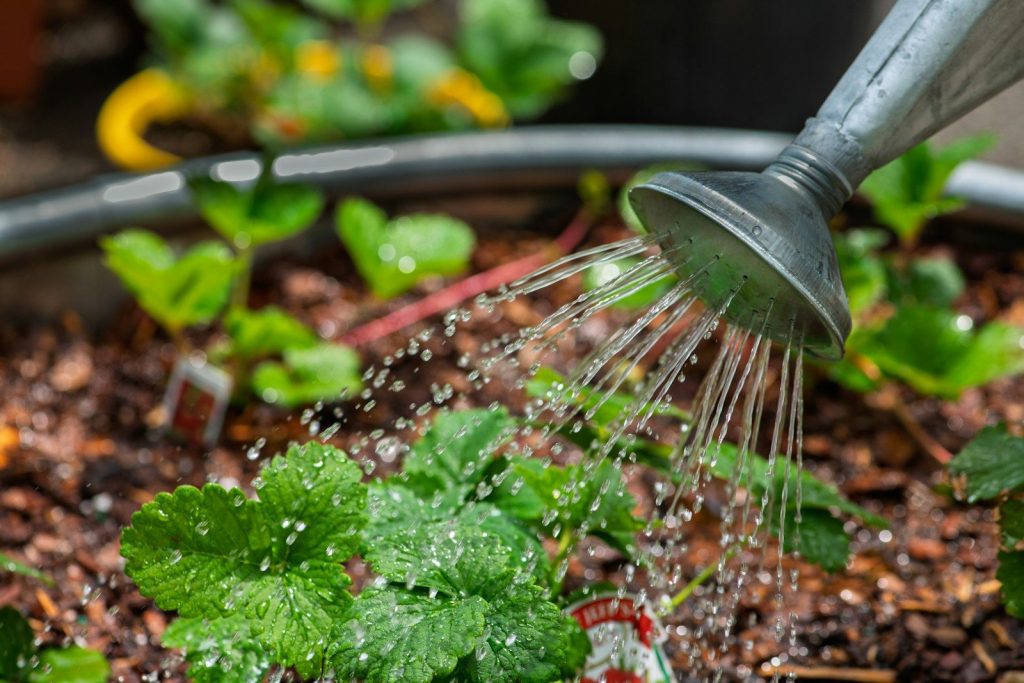
Watering the garden during the hottest part of the afternoon causes more moisture to evaporate before plants can absorb it.
Early morning or evening watering helps soil retain moisture longer. Your plants stay healthier while you use less water throughout the growing season.
Wash Full Loads Every Time
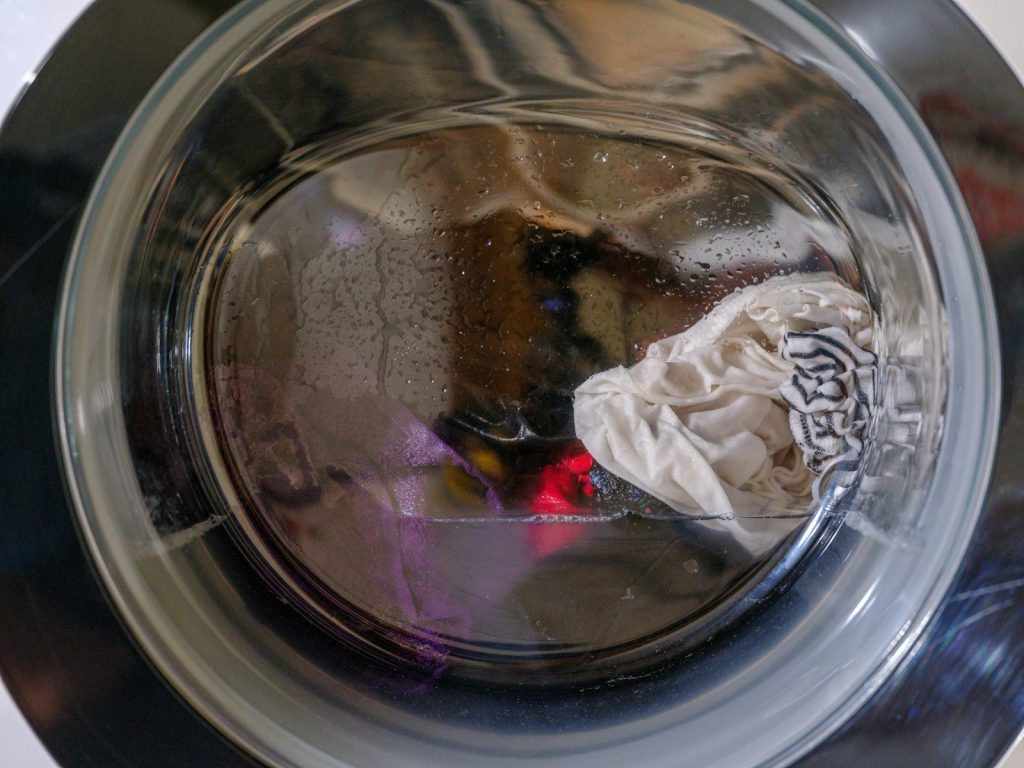
Whether you are running the washing machine or dishwasher, partial loads often consume nearly the same amount of water as full ones.
Waiting until appliances are properly loaded reduces the number of cycles each week. It also saves electricity along with water, creating double the value.
Keep A Pitcher Of Cold Water In The Refrigerator
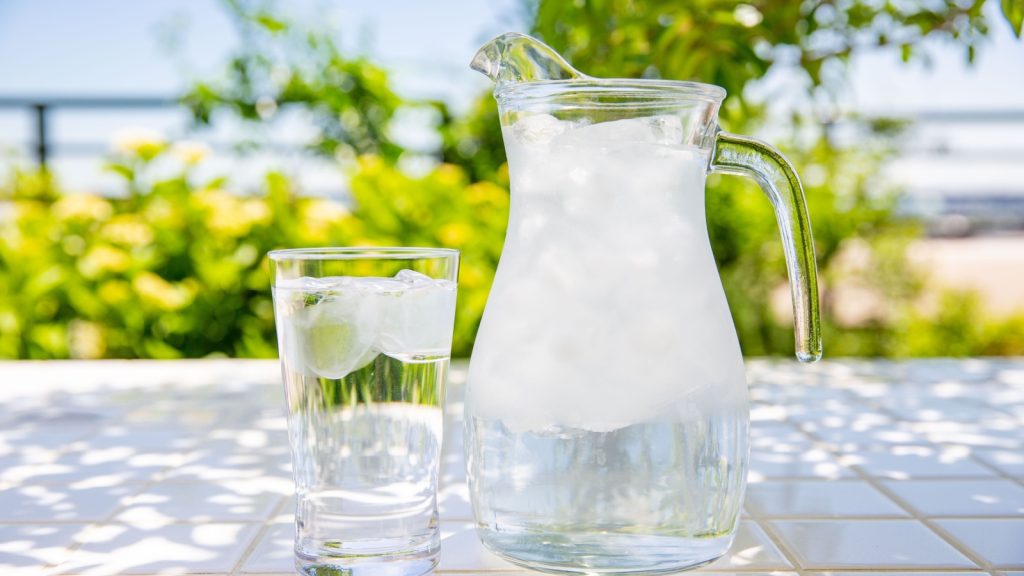
Running the kitchen faucet until the water becomes cold wastes more than most people realize, especially during warmer months.
Store a reusable pitcher of drinking water in the refrigerator instead. You always have chilled water ready without sending gallons down the drain.
Sweep Instead Of Spraying Outdoors
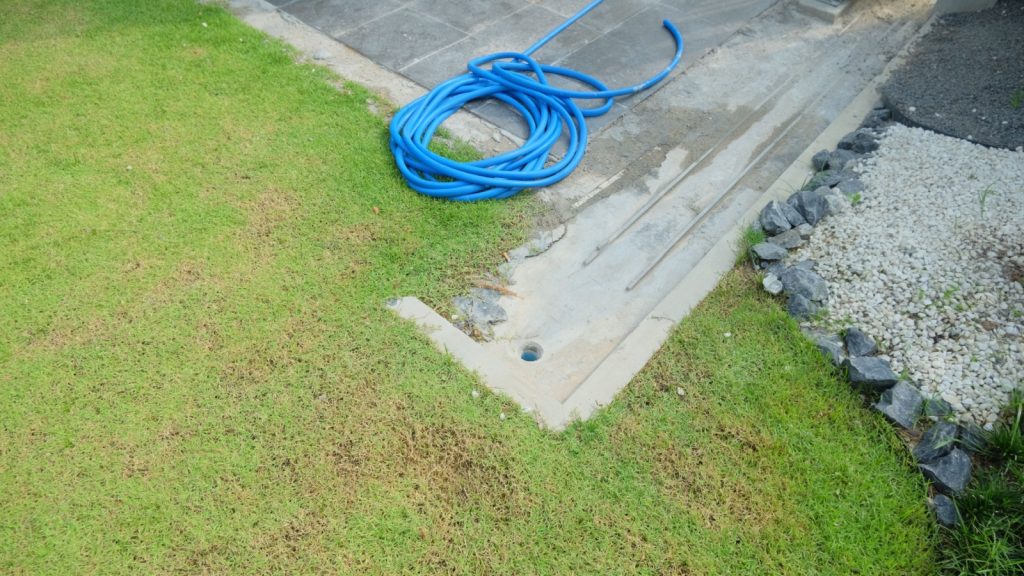
Driveways, patios, and sidewalks rarely need to be cleaned with a garden hose after every outdoor project.
A sturdy broom removes dirt, leaves, and grass clippings just as effectively for routine cleanup while using no water at all.
Saving Water Is Really About Saving More

Every small habit in your home affects more than your water bill. Using less water also reduces the energy required to heat and move it through your home.
When you combine several simple routines, the savings become noticeable over time. You spend less each month, reduce unnecessary waste, and make your household more efficient without giving up comfort.
Featured Image: Photo by olgsera on Shutterstock