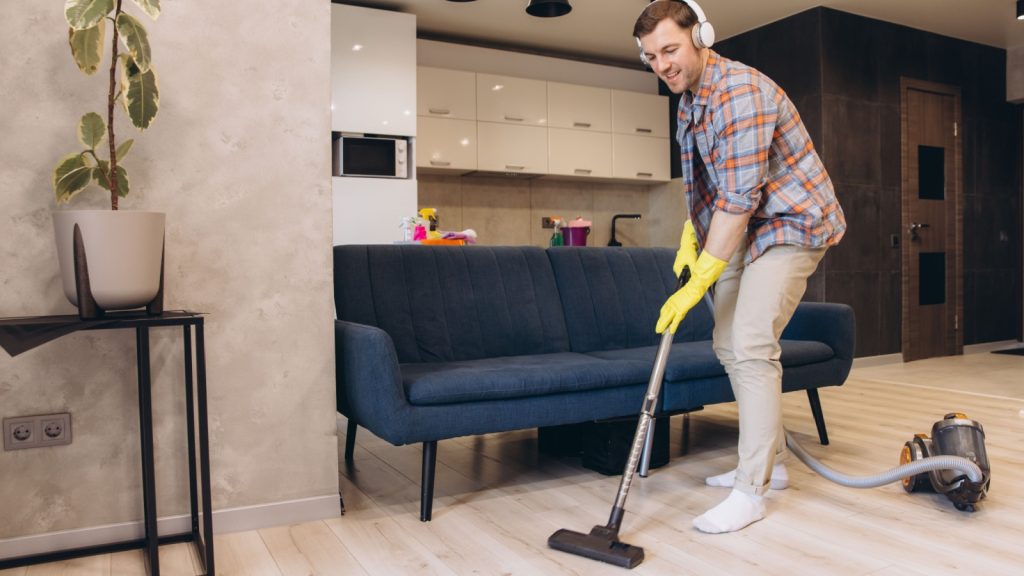

Hiring someone for every small repair or maintenance task can quietly drain hundreds or even thousands of dollars each year. More homeowners and renters are discovering that a few practical skills can solve everyday problems without requiring professional help.
The goal is not to become an expert overnight or tackle risky projects alone. Learning a handful of safe, beginner-friendly skills can help you spend less, waste fewer materials, and feel more confident around the house.
Master Basic Wall Repairs
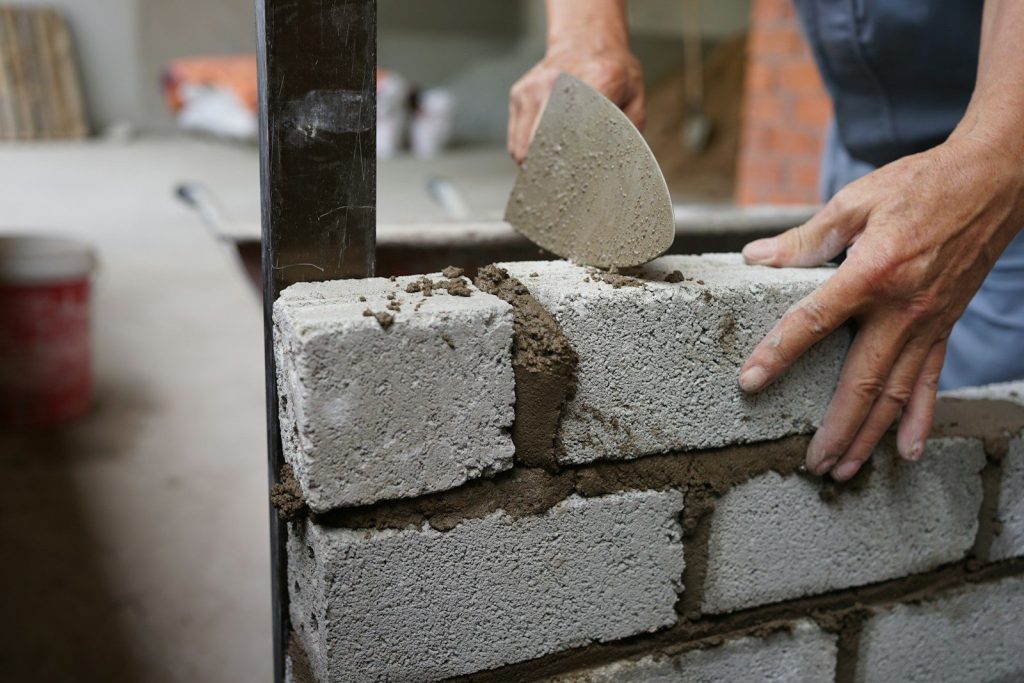
Tiny nail holes, dents, and small cracks are among the easiest home repairs to learn. A little spackle, sandpaper, and touch-up paint can make a wall look almost new.
Instead of paying for cosmetic repairs before moving or selling a home, fixing minor damage yourself keeps more money in your pocket while improving your space in less than an hour.
Change Your Own Air Filters
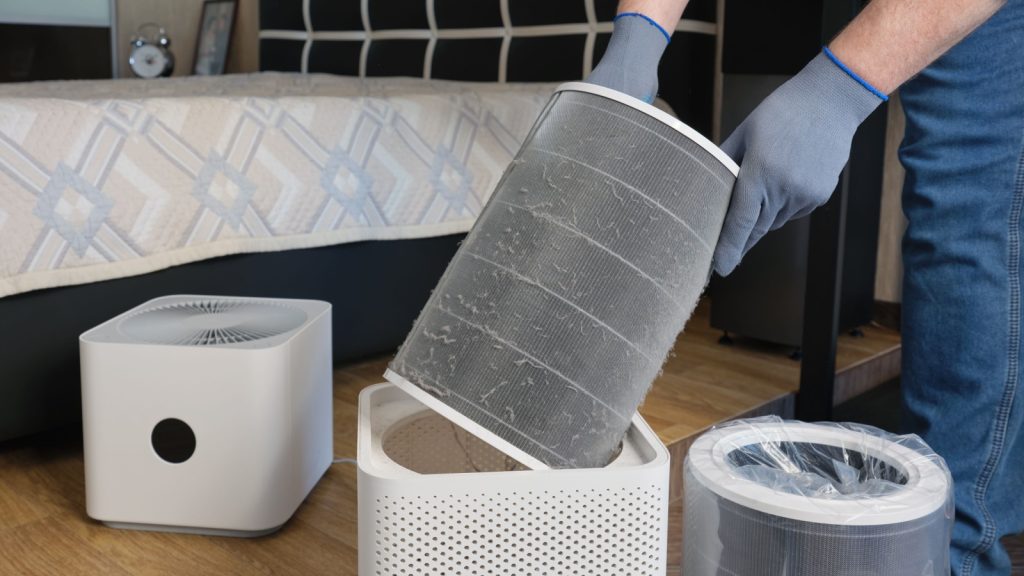
Many people forget about heating and cooling filters until energy bills start creeping higher. Replacing them is usually a simple task that takes only a few minutes.
A clean filter helps your system work more efficiently and may extend its lifespan. Spending a few dollars on a replacement can help avoid much larger repair costs later.
Learn Simple Plumbing Fixes
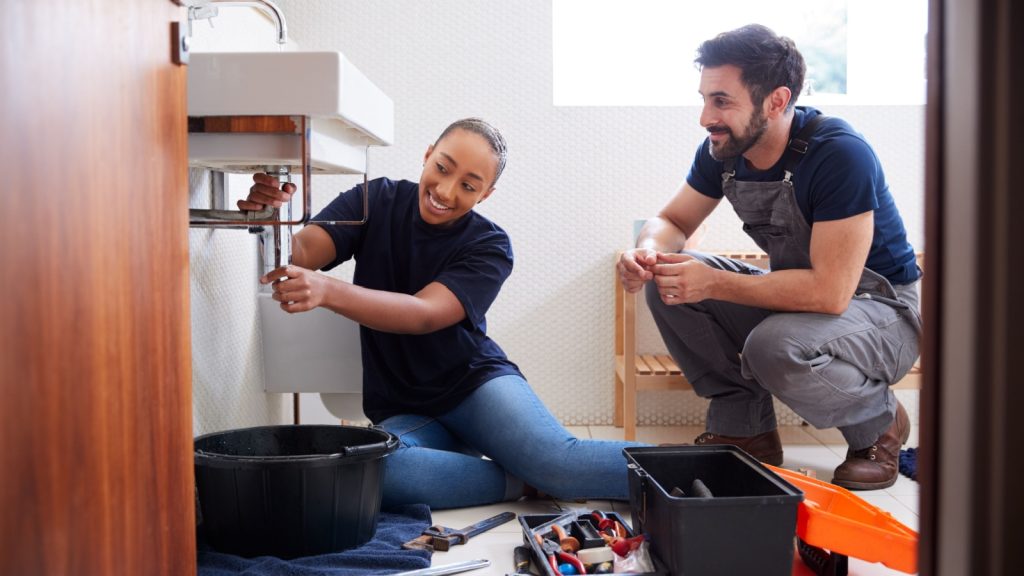
A constantly running toilet or dripping faucet often looks more intimidating than it really is. Many common repairs require inexpensive replacement parts and basic tools.
Knowing how to stop a small leak quickly can also prevent water damage. That makes this one of the most valuable DIY skills for saving money over time.
Sharpen Instead Of Replace
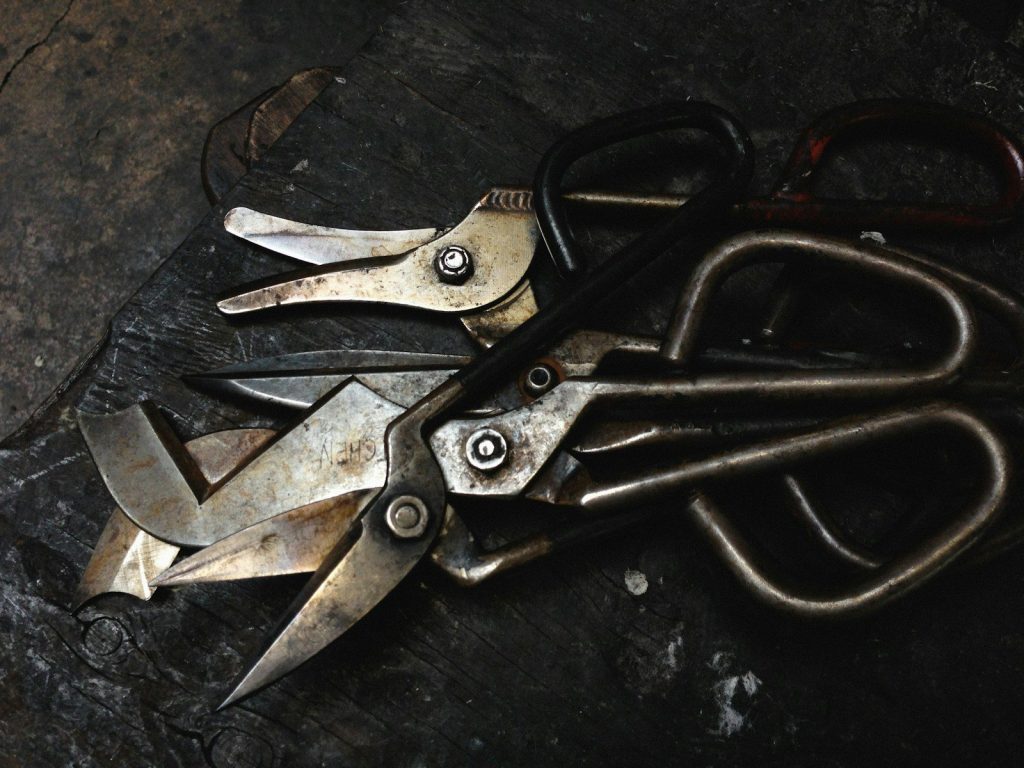
Kitchen knives, garden shears, and scissors often get replaced simply because they become dull. In many cases, they only need proper sharpening.
A sharpening stone or handheld tool costs far less than replacing quality equipment. It also helps reduce unnecessary household waste.
Wash Your Car At Home
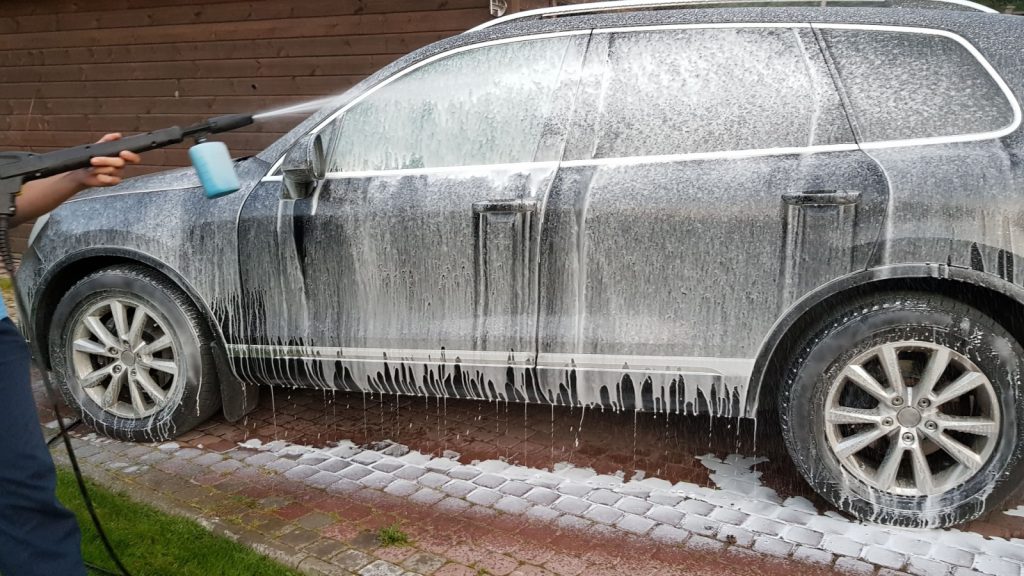
Professional car washes add up surprisingly fast over the course of a year, especially if you visit regularly.
Using a bucket, microfiber cloth, and quality soap gives you better control over the cleaning process while saving money every month. It is also a good chance to spot small scratches before they become bigger problems.
Build Basic Furniture Skills
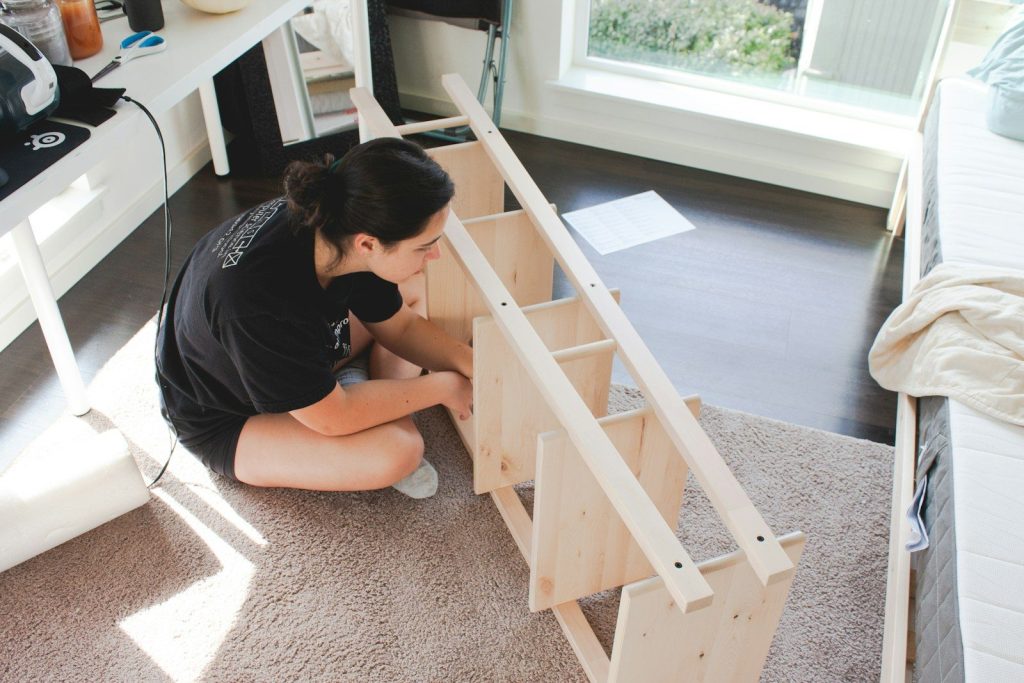
Loose chair legs, wobbly shelves, and squeaky tables often need nothing more than tightened hardware or fresh wood glue.
Learning these simple repairs extends the life of furniture you already own. That delays expensive replacements and keeps usable items out of the landfill.
Maintain Your Yard Yourself
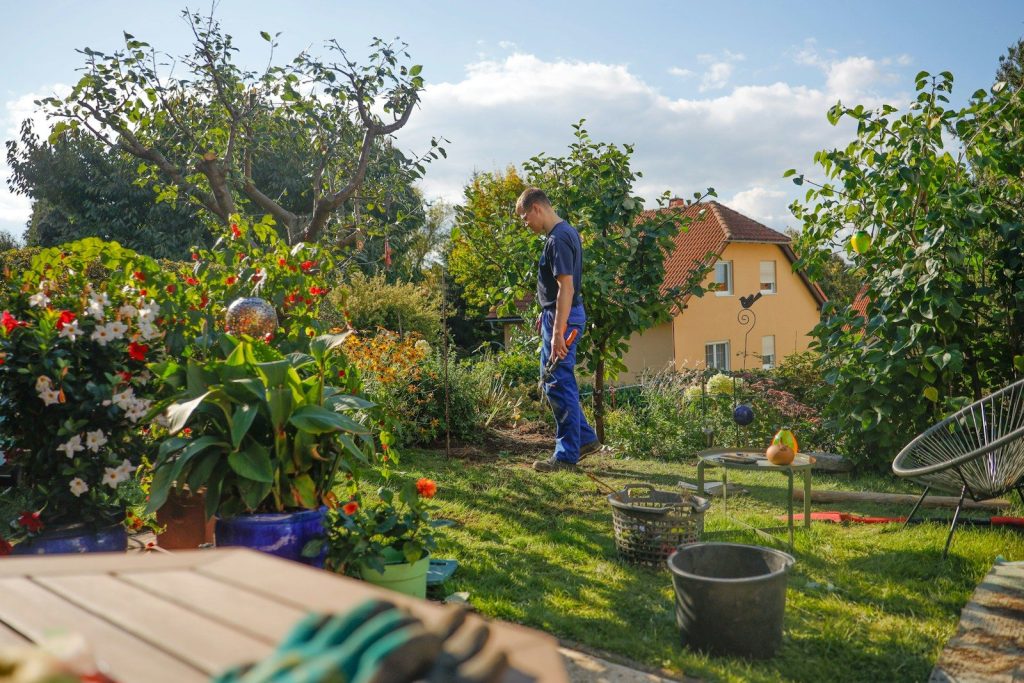
Simple yard care such as trimming shrubs, spreading mulch, or reseeding bare patches does not require professional landscaping experience.
Doing seasonal maintenance yourself keeps outdoor spaces looking tidy while avoiding recurring service fees. Even learning one new task each season can produce noticeable savings.
Every Skill Becomes a Long-Term Investment

The biggest benefit of DIY knowledge is not completing one project. It is having the confidence to solve future problems without automatically reaching for your wallet.
Each new skill builds on the last one. Over time, those small repairs, maintenance jobs, and practical fixes can save hundreds of dollars while making everyday life a little easier.
Featured Image: Anatoliy Cherkas on Shutterstock