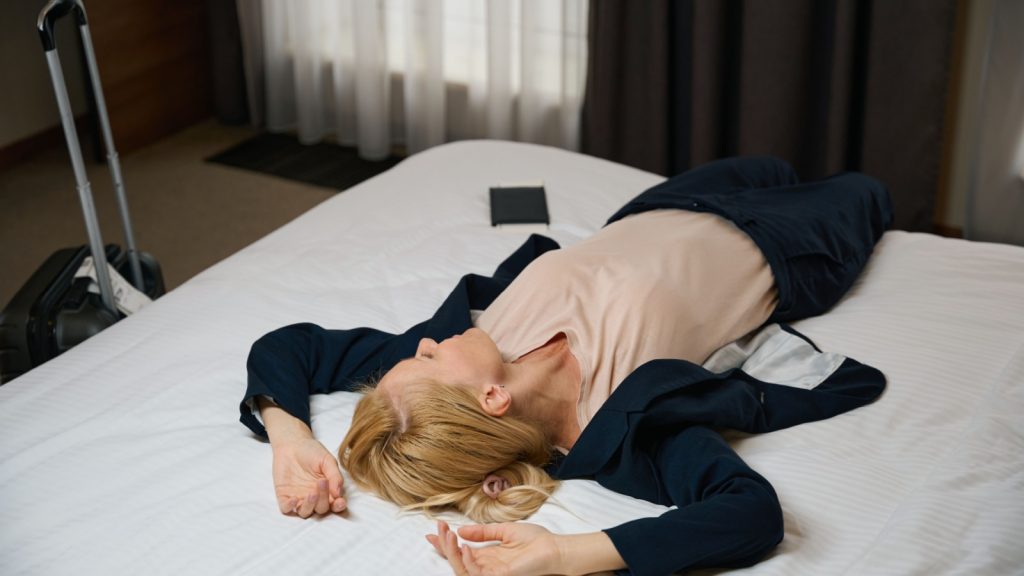

Jet lag can steal valuable vacation time, leaving travelers tired when they should be exploring a new destination. Many people assume they need expensive supplements or premium travel products, but simple habits often make the biggest difference.
A few thoughtful changes before, during, and after your flight can help your body adjust more quickly. These practical tips help Saving Savers readers enjoy more of every trip while keeping travel costs under control.
Adjust Your Sleep Before You Leave

One of the easiest ways to reduce jet lag begins several days before your flight. Gradually shifting your bedtime closer to your destination’s time zone gives your body a head start.
Even moving your schedule by thirty to sixty minutes each day can help. This free habit makes the transition feel less dramatic once you arrive and helps you enjoy your first vacation day.
Change Your Watch After Boarding
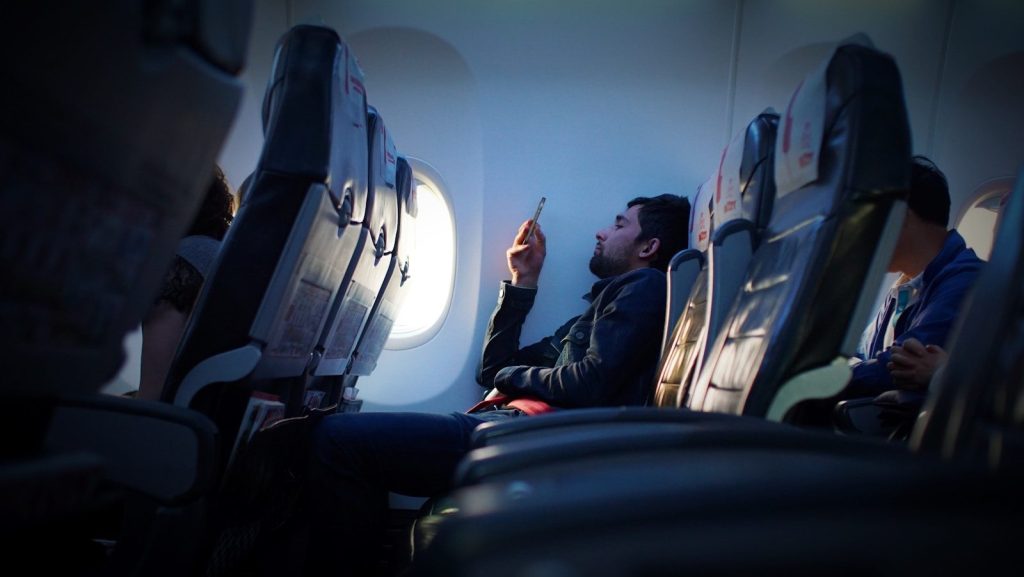
As soon as you settle into your seat, set your phone or watch to your destination’s local time. This simple mental shift encourages you to start thinking according to your new schedule.
Instead of eating or sleeping based on your departure city, begin following your destination’s routine whenever possible. Your body often adapts more naturally when your daily habits follow the new clock.
Stay Hydrated During Your Flight
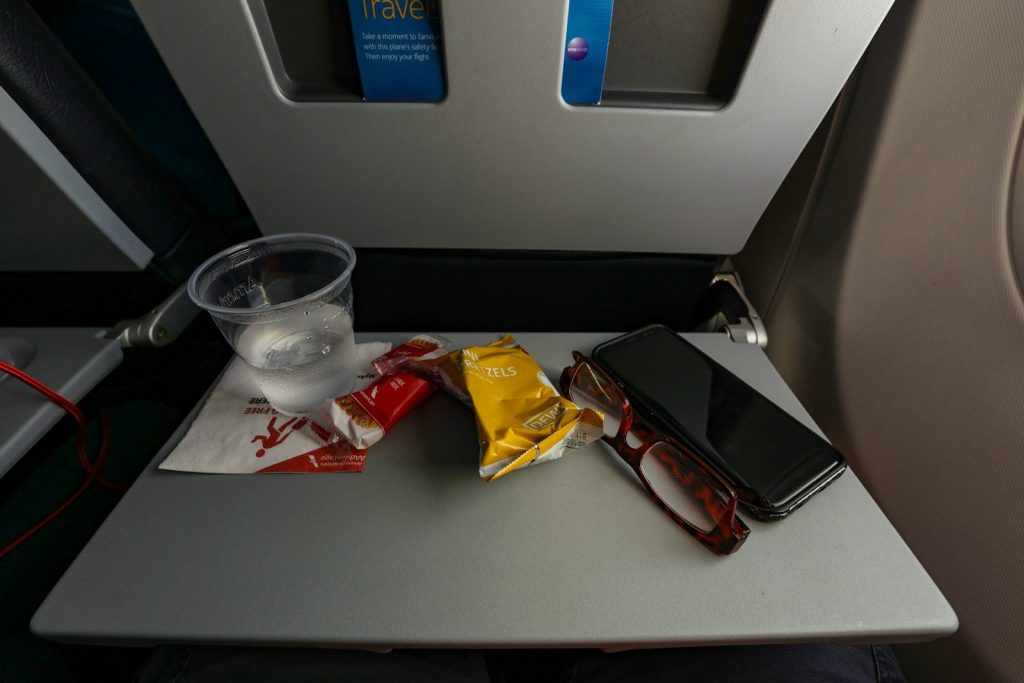
Airplane cabins are much drier than most indoor spaces, making dehydration surprisingly common. Drinking water regularly throughout your journey can help you feel more refreshed after landing.
Carrying a reusable water bottle saves money while reducing waste. Refilling it after airport security keeps hydration simple without paying premium prices for bottled drinks.
Spend Time Outside After Arrival

Natural daylight is one of the most powerful signals for your body’s internal clock. Spending time outdoors soon after arriving can help your body recognize the new day and evening schedule.
Even a leisurely walk through a local neighborhood provides benefits. You begin exploring your destination while helping your body adjust without purchasing any special products.
Eat Meals on Local Time

Your body pays attention to meal schedules as much as sleep schedules. Eating breakfast, lunch, and dinner according to your destination can support a smoother adjustment.
Skip the temptation to snack constantly because you feel awake at unusual hours. Following local meal times helps establish a new daily rhythm more quickly.
Avoid Packing Every Minute
Many travelers schedule sightseeing from sunrise until bedtime on their first day. Leaving room for a slower afternoon can prevent exhaustion from taking over your vacation.
Planning fewer activities at the beginning allows you to enjoy them more fully. Better pacing also reduces the temptation to spend money on last minute transportation or convenience purchases when fatigue sets in.
Skip Heavy Caffeine Late in the Day

Coffee can help you stay alert after a long flight, but drinking large amounts late in the afternoon may make it harder to sleep when bedtime finally arrives.
Instead, enjoy moderate amounts earlier in the day and switch to water during the evening. Better sleep means more energy for exploring and fewer sluggish vacation mornings.
Build Recovery Into Your Budget

The smartest travelers understand that rest is part of the itinerary. Planning your arrival day wisely helps you enjoy the rest of your vacation without feeling like you are constantly catching up.
Simple habits such as sleeping strategically, staying hydrated, following local schedules, and avoiding unnecessary purchases prove that better travel experiences often come from thoughtful planning rather than spending more money.
Featured Image: Photo by Svitlana Hulko on Shutterstock