

Homeowners insurance offers valuable protection, but many people assume it covers every type of damage or loss. That misunderstanding can become expensive when an unexpected event leads to a denied claim or large out-of-pocket bill.
Taking time to understand common coverage gaps can help you avoid costly surprises. A quick policy review today may save thousands of dollars and help you make smarter decisions about protecting your home and budget.
Flood damage often needs separate protection
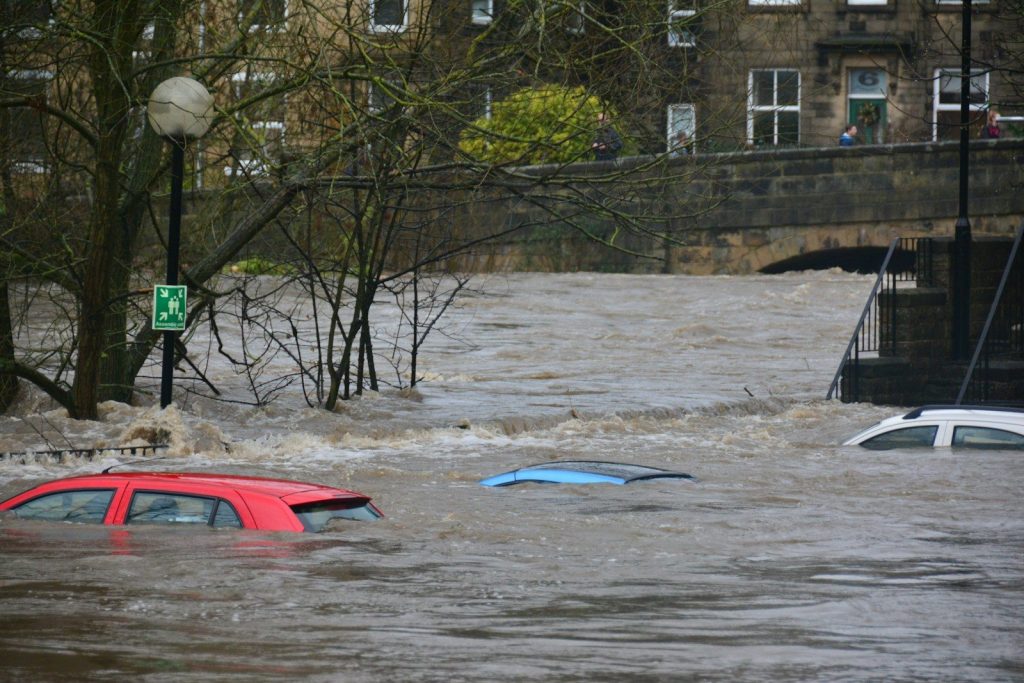
Many homeowners assume water entering the home after heavy rain or rising rivers is automatically covered. In reality, flood-related damage often requires separate insurance depending on where you live.
Even homes outside high-risk flood zones can experience unexpected flooding. Reviewing your property’s flood risk before storm season helps you avoid expensive repairs later.
Earthquakes may not be included
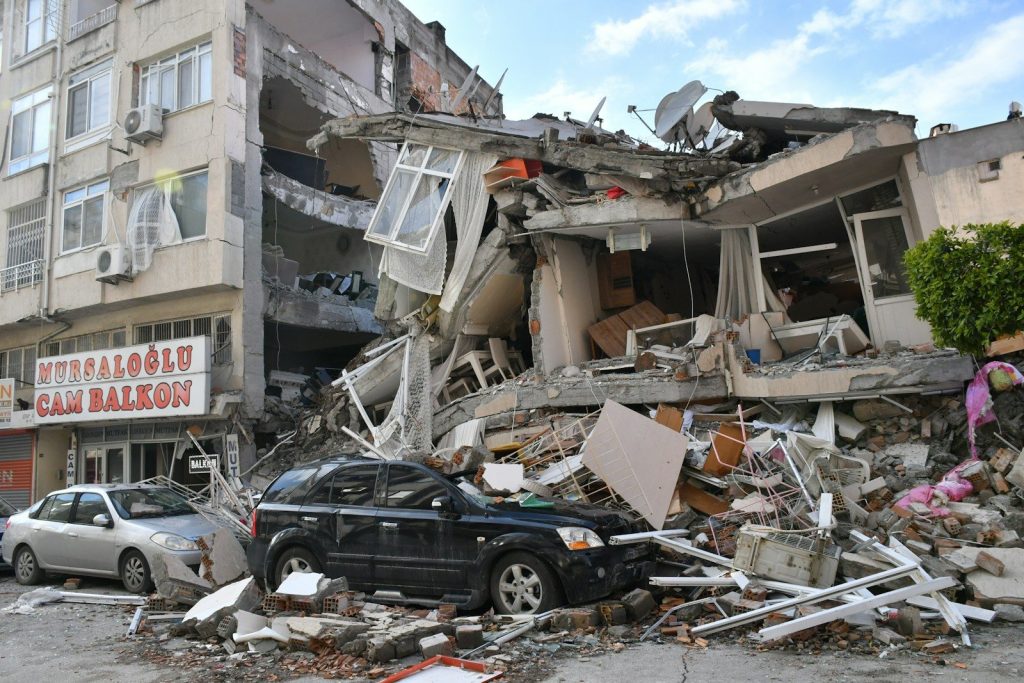
Standard homeowners policies frequently exclude damage caused by earthquakes. While not every region faces the same level of risk, homeowners in certain areas may need additional coverage.
Checking local geological risks before renewing your policy is a simple step that can prevent major financial setbacks. Extra protection may cost far less than rebuilding structural damage.
Gradual wear is usually your responsibility
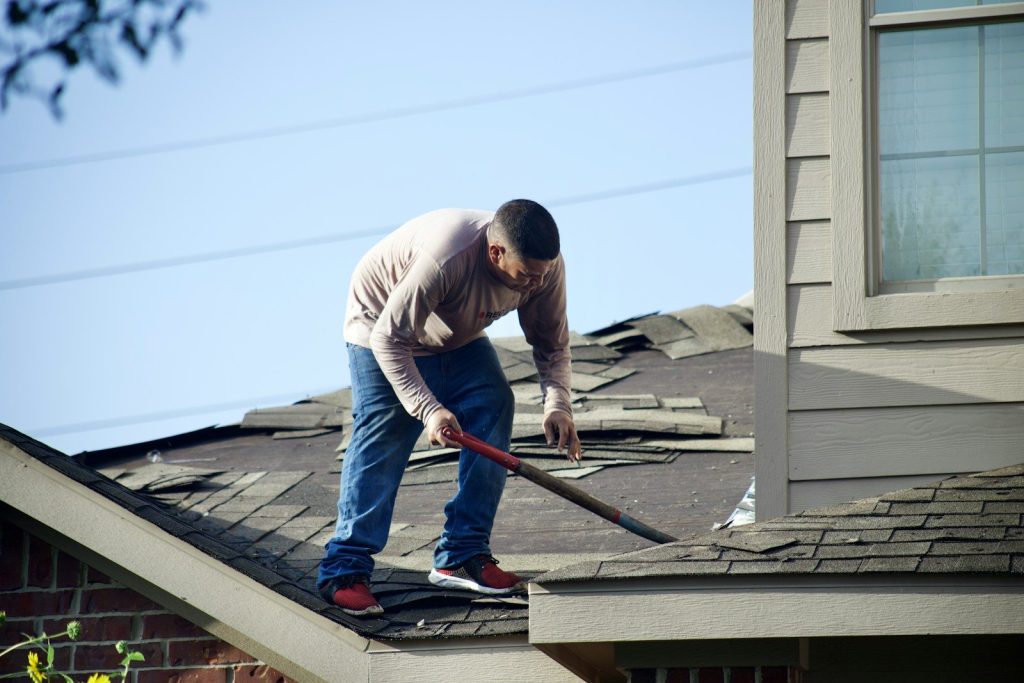
Insurance is designed for sudden and unexpected events, not problems that develop slowly over time. Roof aging, worn plumbing, and deteriorating foundations are often considered normal maintenance issues.
Routine inspections can help you spot small problems before they become expensive repairs. Preventive maintenance remains one of the smartest ways to protect your home investment.
Sewer backups can become expensive

A blocked sewer line or backed-up drain can cause serious damage inside a home. Many standard insurance policies do not automatically include this type of protection.
Adding optional coverage may be worthwhile if your property has experienced drainage problems before. Comparing the extra premium with potential cleanup costs can help guide your decision.
High-value belongings may have limits

Jewelry, artwork, collectibles, musical instruments, and expensive electronics may have coverage limits that are lower than their actual value. Many homeowners discover this only after filing a claim.
Creating a home inventory with photos and receipts makes it easier to understand what additional protection may be needed. Keeping records updated also simplifies future claims.
Home business equipment may not qualify

Working from home has become increasingly common, yet business-related equipment is not always covered the same way as personal belongings. Computers, specialized tools, or inventory may require separate protection.
Reviewing your policy after starting a home business helps ensure valuable equipment is properly insured. Small adjustments today can prevent major financial losses later.
Vacant homes carry different risks
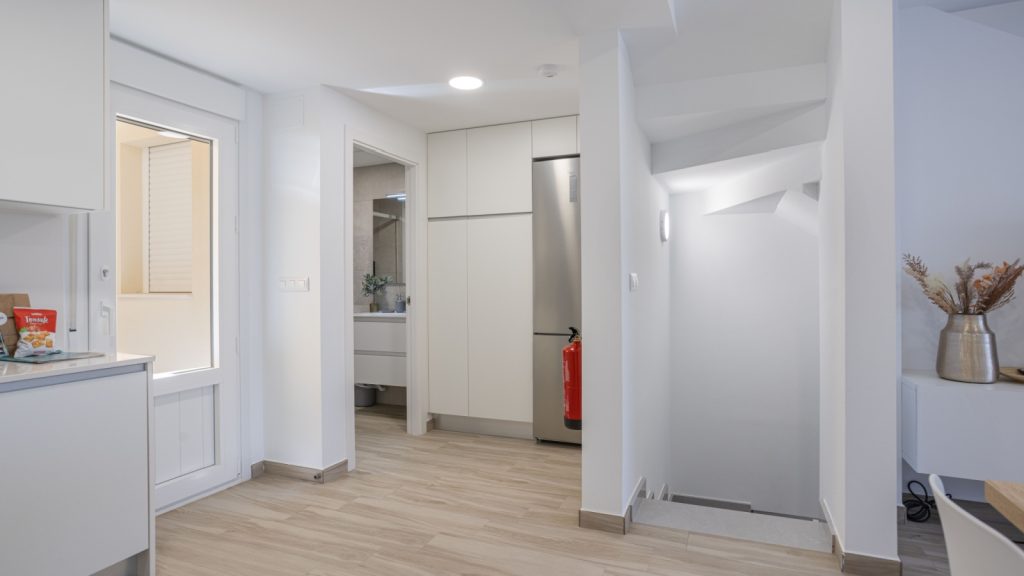
Homes left empty for long periods often face different insurance rules. Extended vacancies can increase the chance of unnoticed leaks, theft, or weather-related damage.
If you expect to leave your property unoccupied for weeks or months, notify your insurance company before you travel. Understanding the requirements in advance can help avoid claim complications.
Reading the fine print can protect your budget

The best insurance policy is one you fully understand before an emergency happens. Knowing what is covered, what is excluded, and where additional protection makes sense allows you to plan with confidence instead of reacting under pressure.
Reviewing your homeowners policy every year also helps account for renovations, new belongings, or lifestyle changes. Staying informed is one of the easiest ways to avoid unexpected expenses and keep your household finances on solid ground.
Featured Image: Photo by Garun.Prdt on Shutterstock