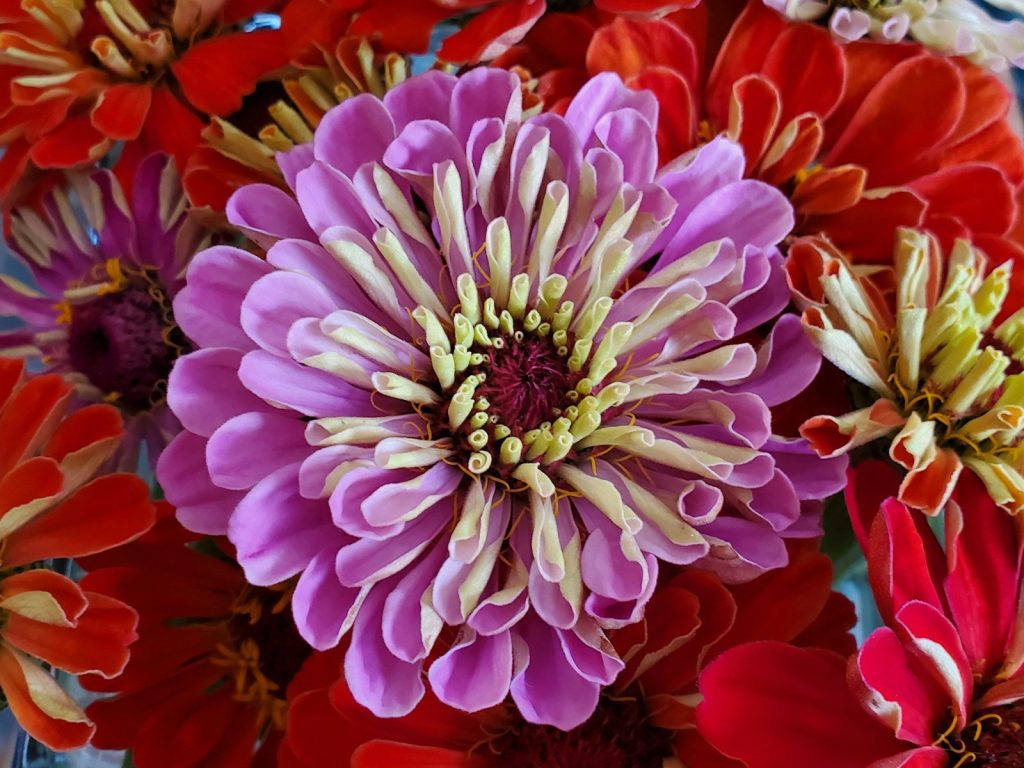

Summer gardens often struggle during long stretches of hot weather. Some flowers stop blooming once temperatures rise, especially during dry periods. Heat-tolerant flowers continue producing color through the hottest weeks of the season with far less maintenance.
Many of these plants grow well in garden beds, borders, containers, and hanging baskets. Most also attract butterflies, bees, and hummingbirds. With the right flower selection, outdoor areas can stay colorful from early summer into fall.
These eight flowers handle heat extremely well and continue blooming throughout the season.
1. Zinnias
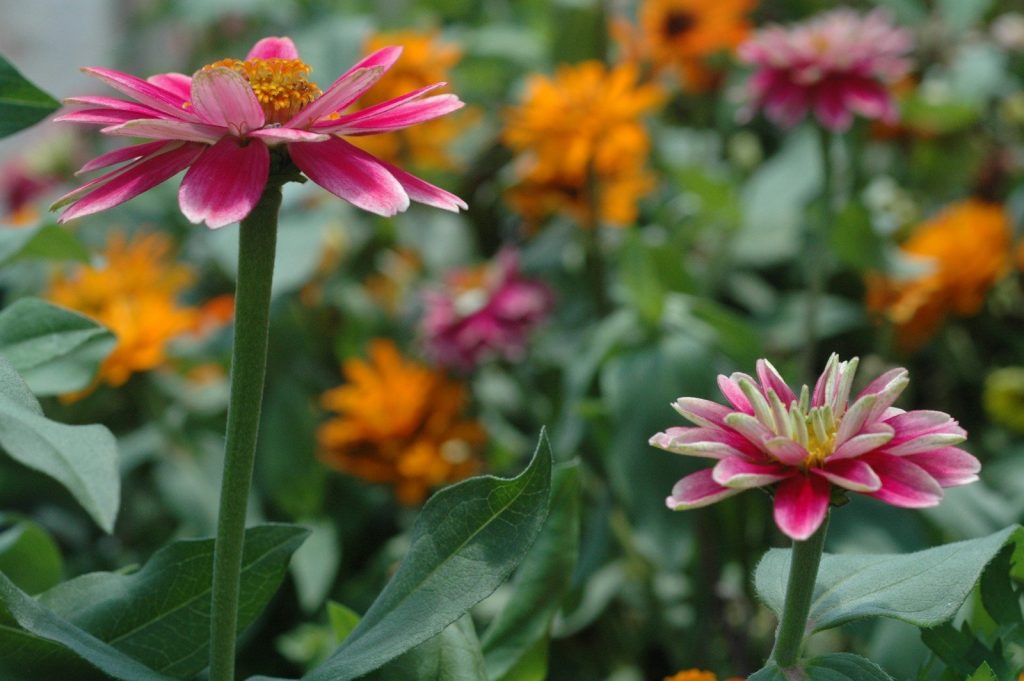
Zinnias perform well in direct sunlight and warm temperatures. Their bright blooms appear in shades of red, pink, orange, yellow, purple, and white. Some varieties grow low to the ground, and others produce tall stems that work well in cutting gardens.
These flowers grow quickly from seed and bloom heavily during summer. Regular deadheading helps encourage fresh flowers for weeks at a time.
Zinnias prefer well-drained soil and moderate watering. Once established, they tolerate hot conditions with little trouble. Butterflies are especially drawn to their colorful blooms.
2. Marigolds
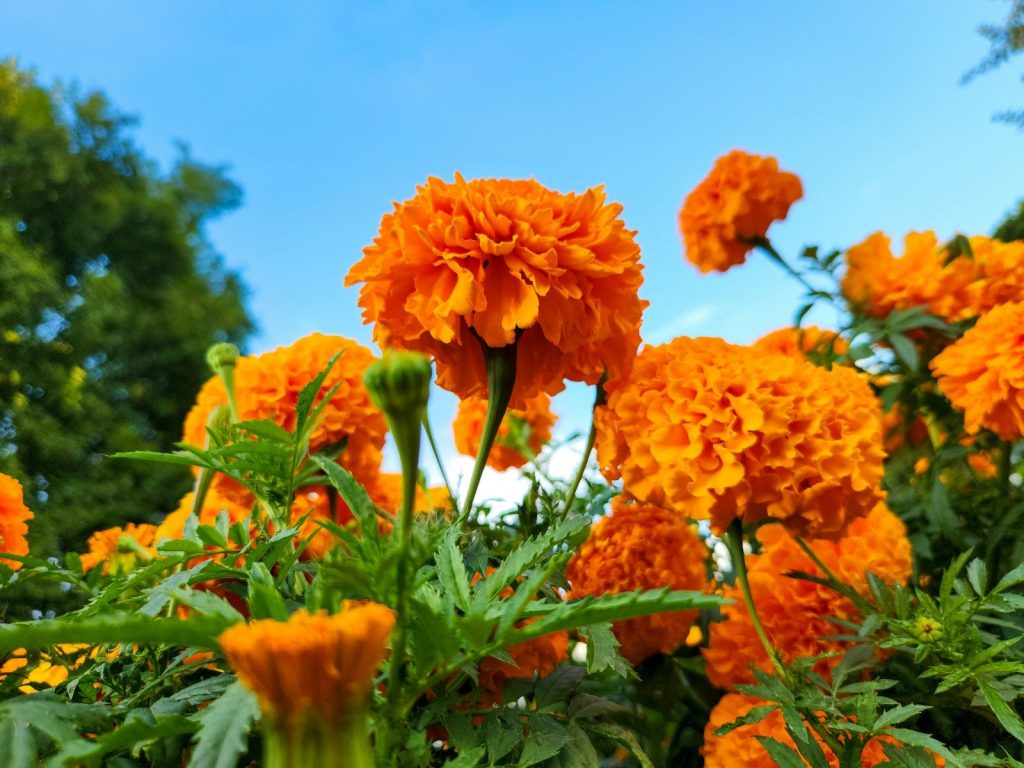
Marigolds remain one of the most dependable flowers for hot weather gardens. Their rich gold, orange, and yellow blooms add strong color to flower beds and containers throughout summer.
These flowers handle heat and dry conditions very well. French marigolds stay compact and tidy, which makes them useful for borders and smaller spaces. African marigolds grow larger blooms that stand out in larger planting areas.
Many gardeners also plant marigolds near vegetables because their scent may help discourage certain pests. Regular sunlight and occasional watering keep them blooming steadily for months.
3. Lantana
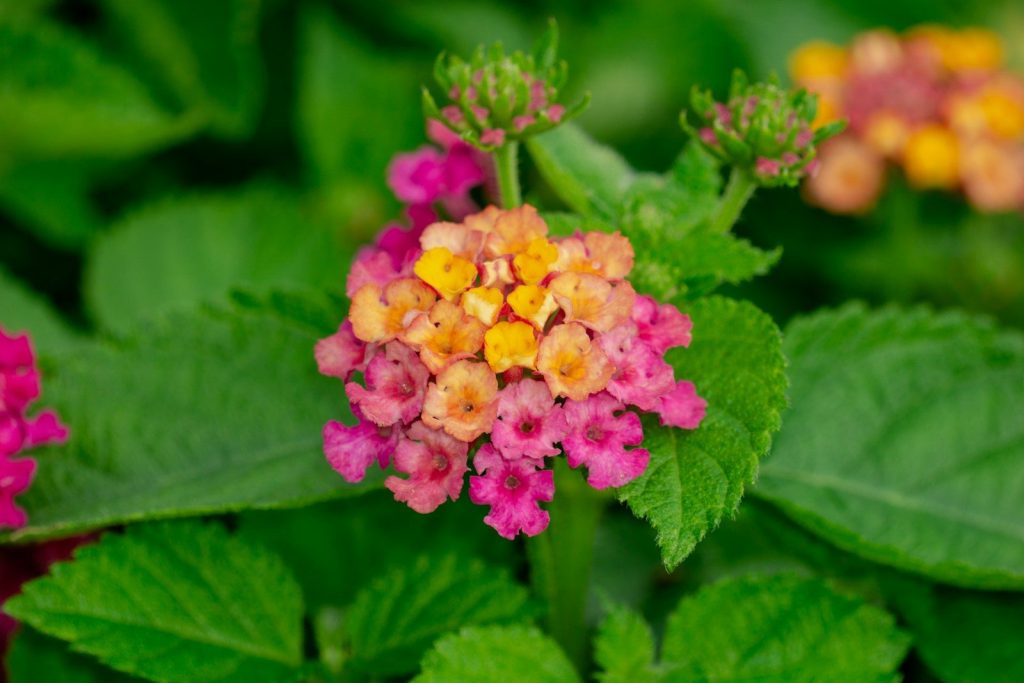
Lantana thrives in high temperatures and strong sunlight. Its clusters of tiny flowers bloom in bright color combinations such as yellow and pink, orange and red, or purple and white.
This plant grows well in containers, hanging baskets, and garden borders. Once established, lantana tolerates drought conditions very well. The flowers continue appearing through summer with minimal care.
Butterflies and bees visit lantana often, making it a useful choice for pollinator gardens. In warmer regions, some varieties return each year as perennial plants.
4. Coneflowers
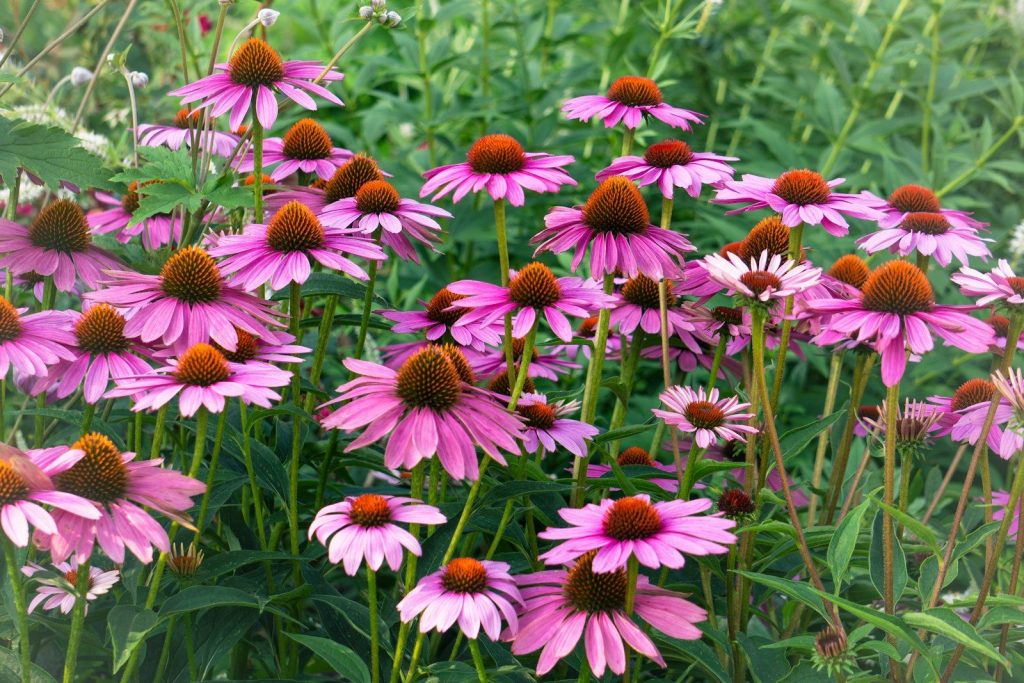
Coneflowers, also known as echinacea, produce large daisy-shaped blooms that hold up well in summer heat. Their sturdy stems stay upright during dry weather, and the flowers continue blooming for long periods.
Purple coneflowers remain the most common variety, though newer types also appear in shades of white, orange, yellow, and red. These flowers attract butterflies during summer and birds later in the season.
Coneflowers grow best in full sun with well-drained soil. Mature plants require little watering and adapt well to different garden conditions.
5. Portulaca
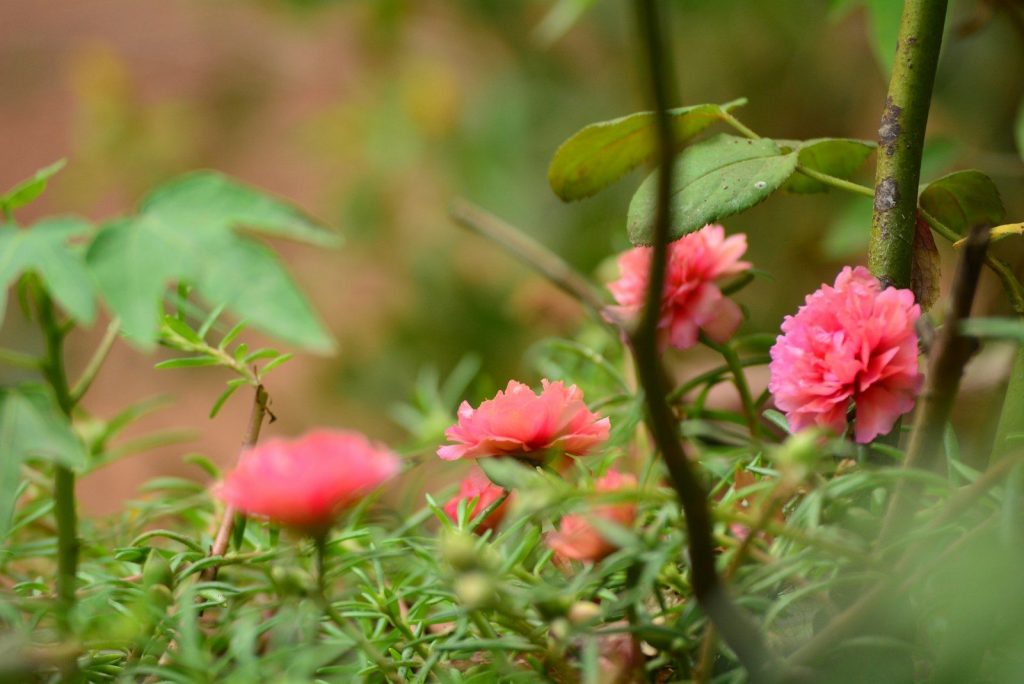
Portulaca, often called moss rose, grows well in hot and dry environments. Its small rose-like blooms open during sunny weather and appear in many bright colors.
This plant has succulent-style leaves that store moisture, allowing it to survive dry periods more easily than many other flowering plants. Portulaca spreads across the ground and works especially well in rock gardens, containers, and along walkways.
Strong sunlight encourages continuous blooming throughout summer. Poor soil conditions rarely affect its growth, making it a reliable option for low-maintenance gardens.
6. Salvia
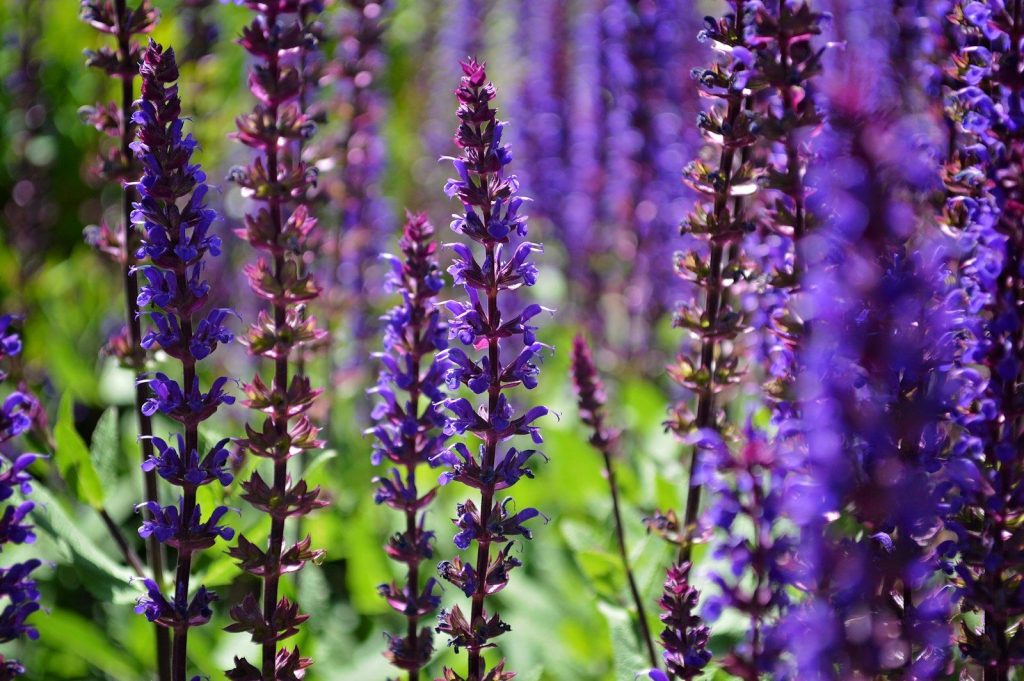
Salvia produces tall flower spikes that bloom steadily through hot summer weather. Popular colors include purple, blue, red, and pink. The flowers add height and texture to flower beds without requiring constant attention.
Hummingbirds and pollinators are naturally attracted to salvia blooms. Many varieties also tolerate drought once their roots become established.
Salvia pairs well with other summer flowers and works in both formal gardens and casual planting areas. Occasional trimming helps encourage fresh blooms later in the season.
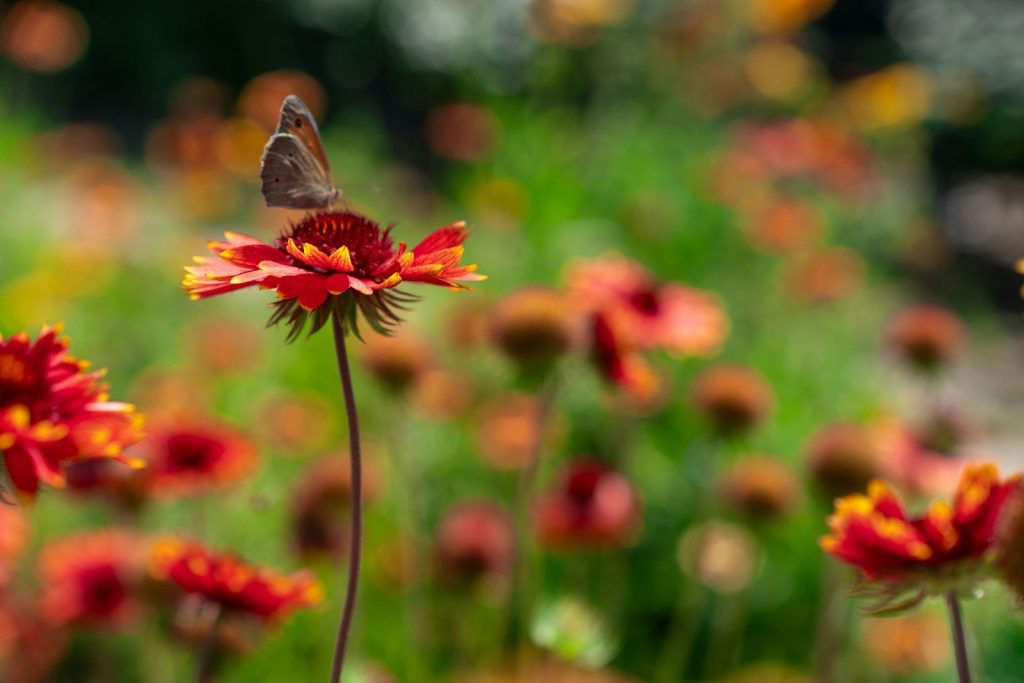
7. Blanket Flower
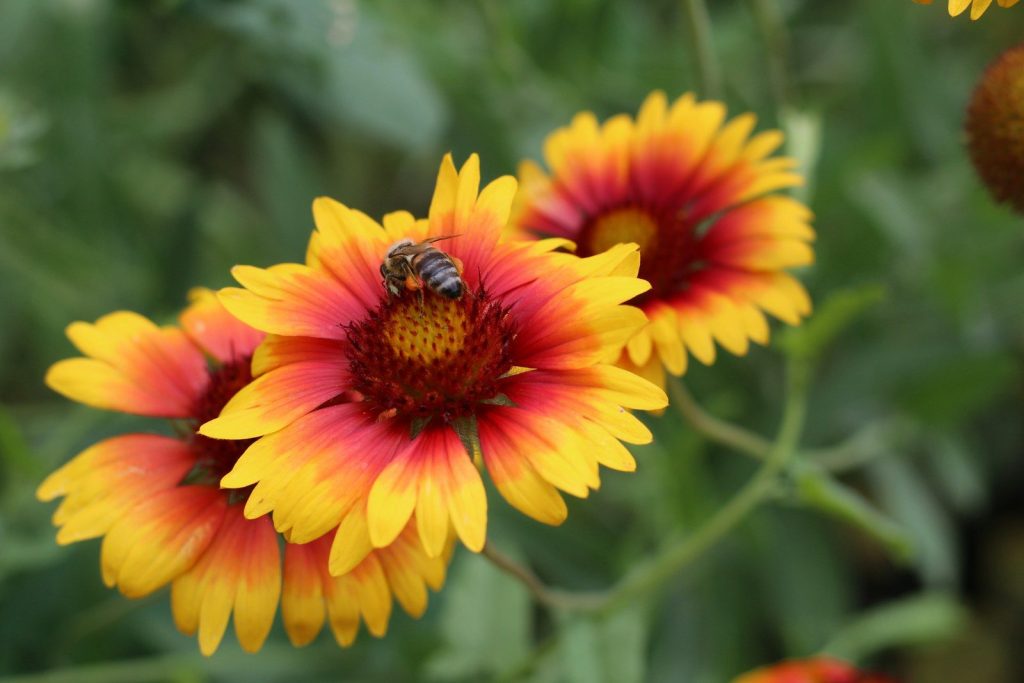
Blanket flowers produce warm-toned blooms in shades of red, orange, and yellow. Their bright petals resemble sunset colors and remain attractive through long periods of heat.
These flowers grow well in sandy and rocky soil where many other plants struggle. Blanket flowers also tolerate drought conditions and continue blooming with minimal watering.
Their long flowering season makes them useful for borders, wildflower gardens, and pollinator-friendly planting areas. Removing faded flowers can help extend blooming into early fall.
8. Vinca
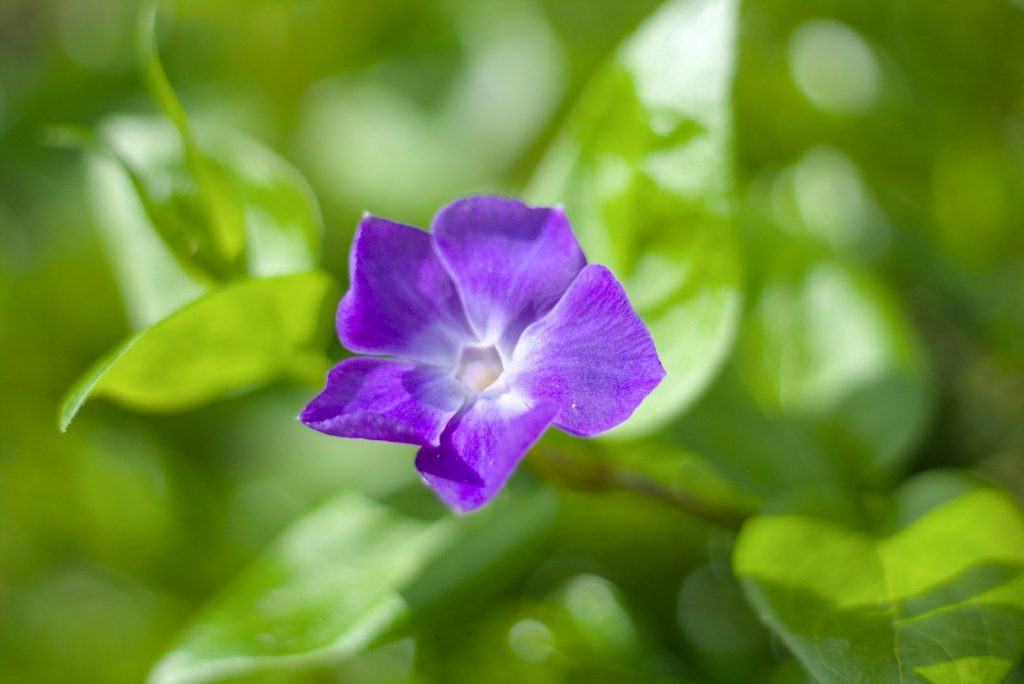
Vinca handles high temperatures and humidity extremely well. Its glossy green leaves remain healthy during hot weather, and the flowers continue blooming steadily through summer.
Common flower colors include white, pink, red, lavender, and purple. Vinca works well in containers, flower beds, and large mass plantings.
These flowers prefer full sun and well-drained soil. Once established, they require very little maintenance and tolerate dry conditions better than many traditional bedding plants.
A Garden Full of Summer Color
Heat-tolerant flowers make summer gardening much easier. Plants such as zinnias, lantana, salvia, and vinca continue producing blooms long after delicate flowers begin fading in the heat.
Most summer-blooming flowers grow best in full sun with occasional deep watering. Mulch can also help soil hold moisture during dry weather.
A thoughtful mix of heat-tolerant plants keeps gardens colorful, healthy, and active with pollinators throughout the entire summer season.