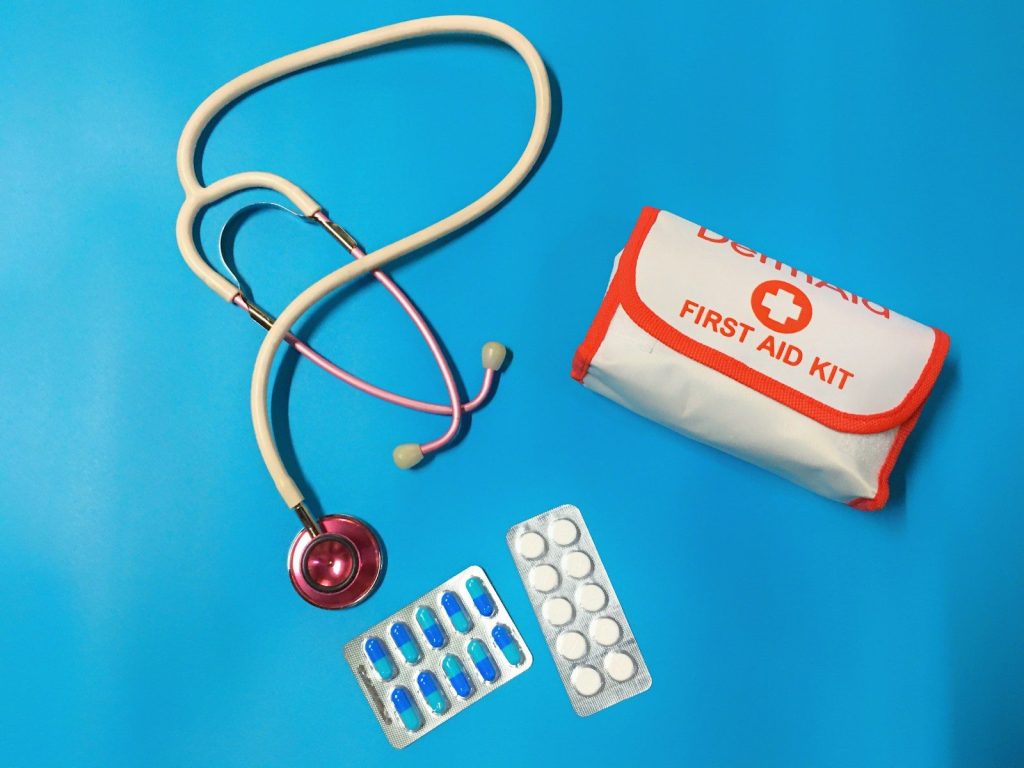

Unexpected power outages, storms, and other emergencies can quickly become more stressful if you are unprepared. Building a simple emergency kit ahead of time helps your household stay comfortable while avoiding expensive last-minute shopping.
You do not have to buy everything at once. Adding a few practical supplies over time creates a reliable emergency kit without putting pressure on your budget.
Flashlight with extra batteries
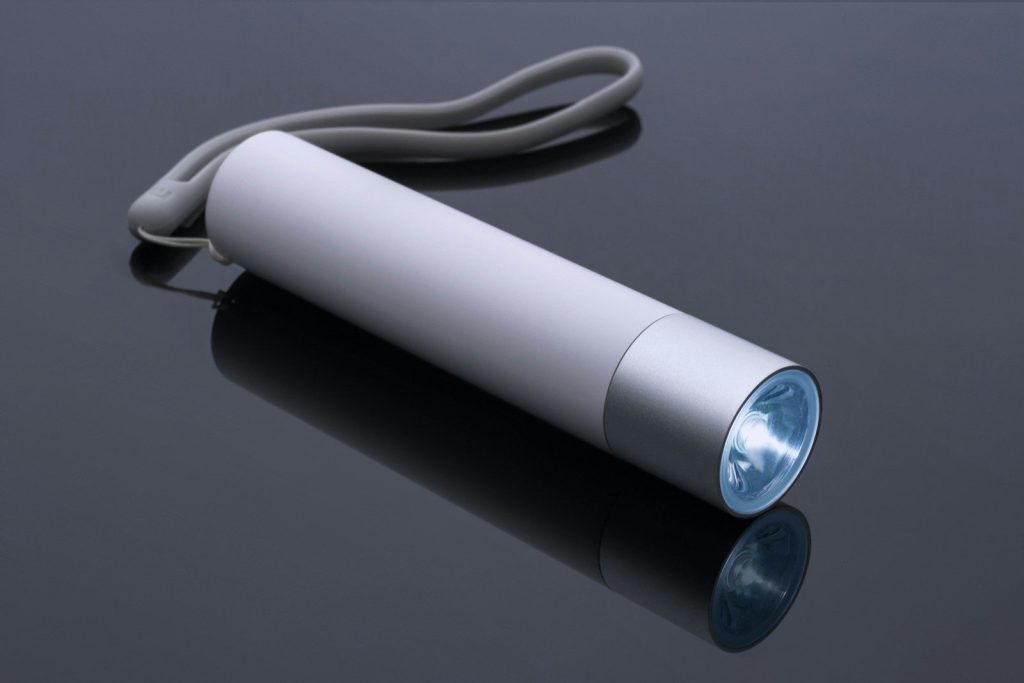
A dependable flashlight is one of the first items every emergency kit should include. Unlike your phone, it provides reliable light without draining the battery you may need for important calls.
Keep extra batteries stored together in a waterproof bag and check them every few months. Buying batteries during sales helps reduce replacement costs over time.
First aid kit
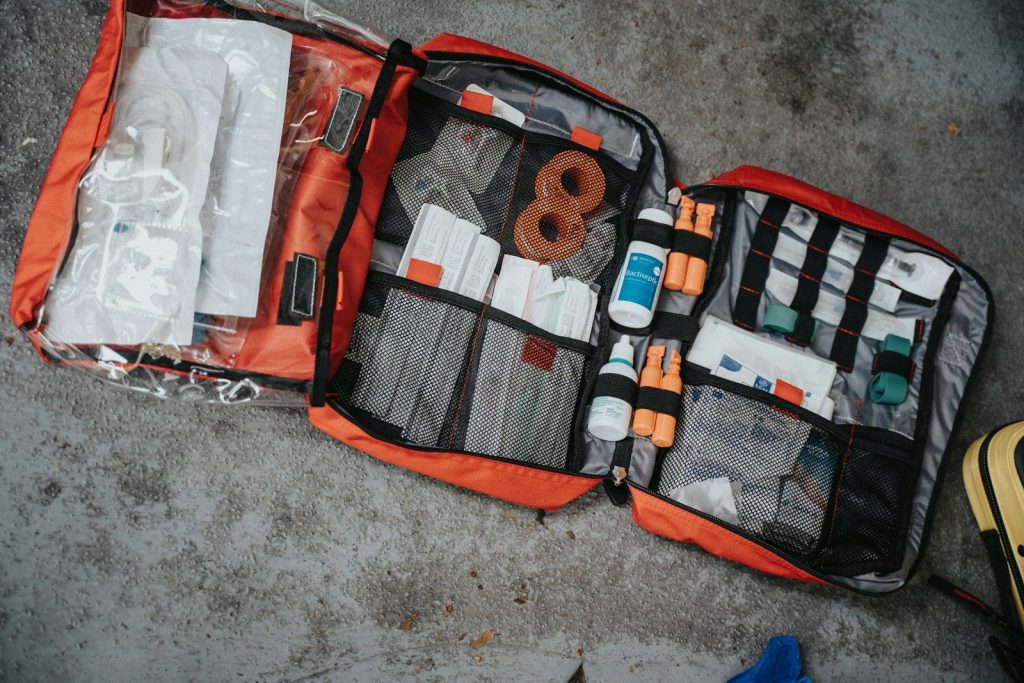
A basic first aid kit should include bandages, antiseptic wipes, gauze, adhesive tape, pain relievers, and any personal medications your family may need. Having supplies ready allows you to handle minor injuries quickly.
Instead of buying a large preassembled kit, consider building your own using items already in your medicine cabinet. Replacing only used supplies can be more affordable.
Bottled water
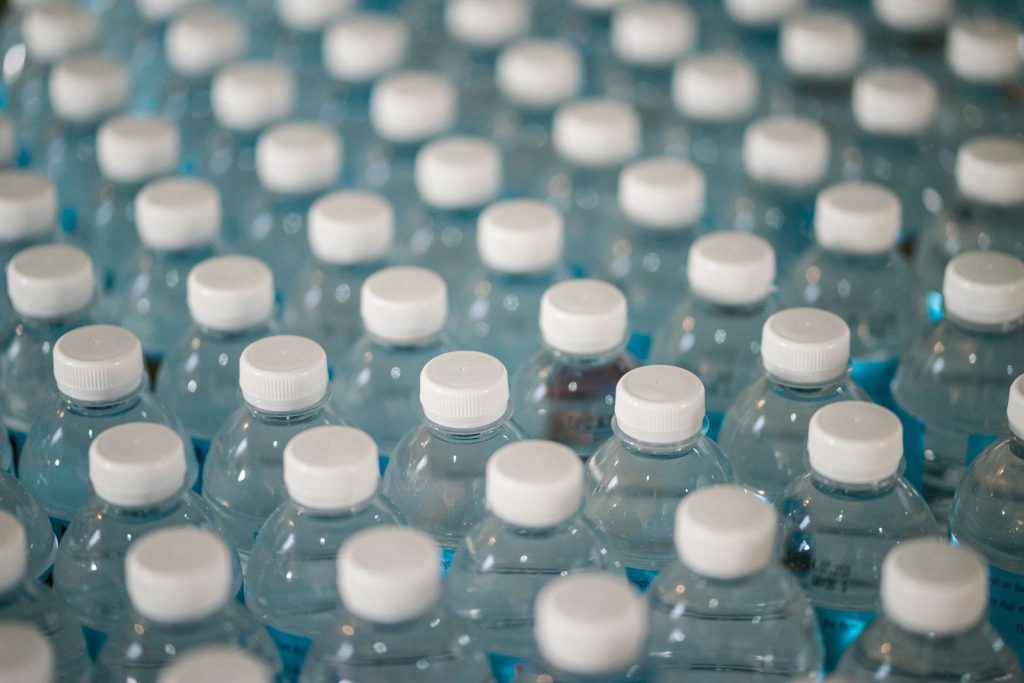
Clean drinking water is essential during many emergencies, especially if local supplies become unavailable. Store enough water for every member of your household and replace it before the expiration date.
Buying water gradually during regular grocery trips spreads out the cost. Proper storage helps prevent unnecessary waste.
Shelf-stable food
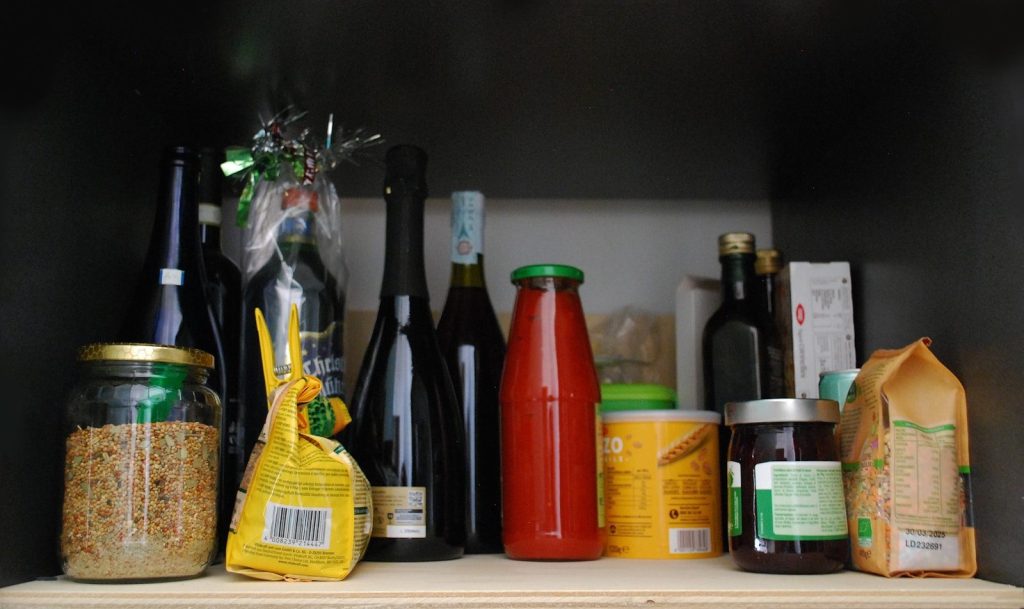
Choose foods that require little or no preparation, such as canned goods, peanut butter, crackers, dried fruit, protein bars, and ready-to-eat meals. Select items your family already enjoys eating.
Rotate these foods into your normal meal planning before they expire and replace them with fresh supplies. This simple habit prevents wasted groceries.
Portable phone charger
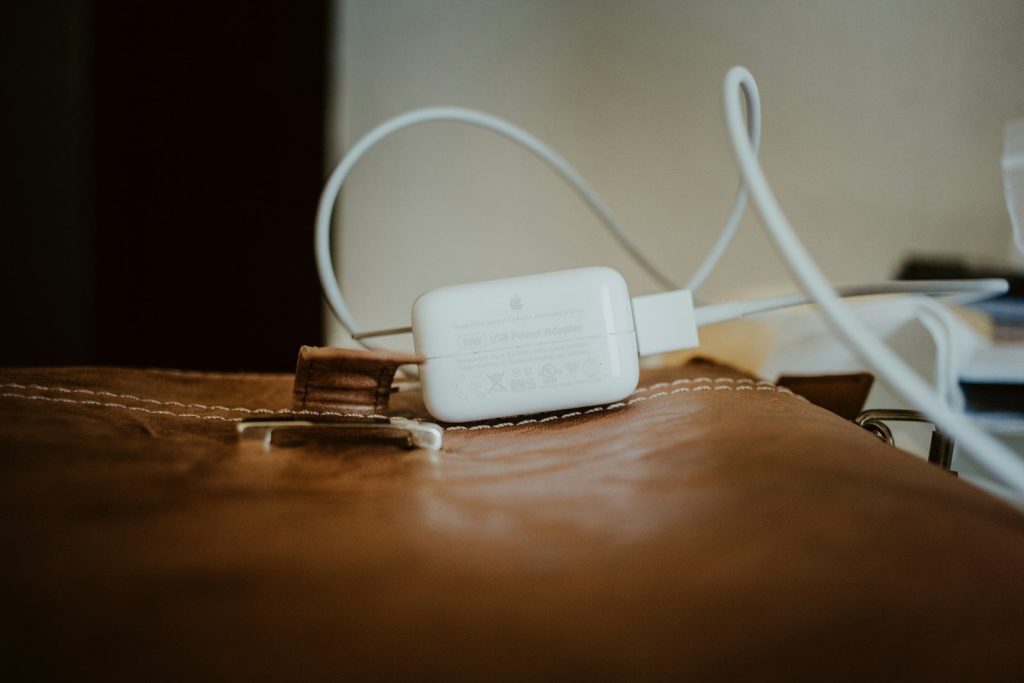
A fully charged power bank can keep your phone working during extended outages when electricity is unavailable. Communication becomes much easier when your devices remain powered.
Recharge the power bank every few months so it is always ready. A reusable charger is often more practical than buying disposable battery-powered options.
Important documents
Store copies of identification cards, insurance information, medical records, emergency contacts, and other essential paperwork inside a waterproof folder. Quick access to these documents can save valuable time.
Digital copies stored securely provide additional protection if paper documents become damaged. Having both versions offers greater peace of mind.
Multi tool
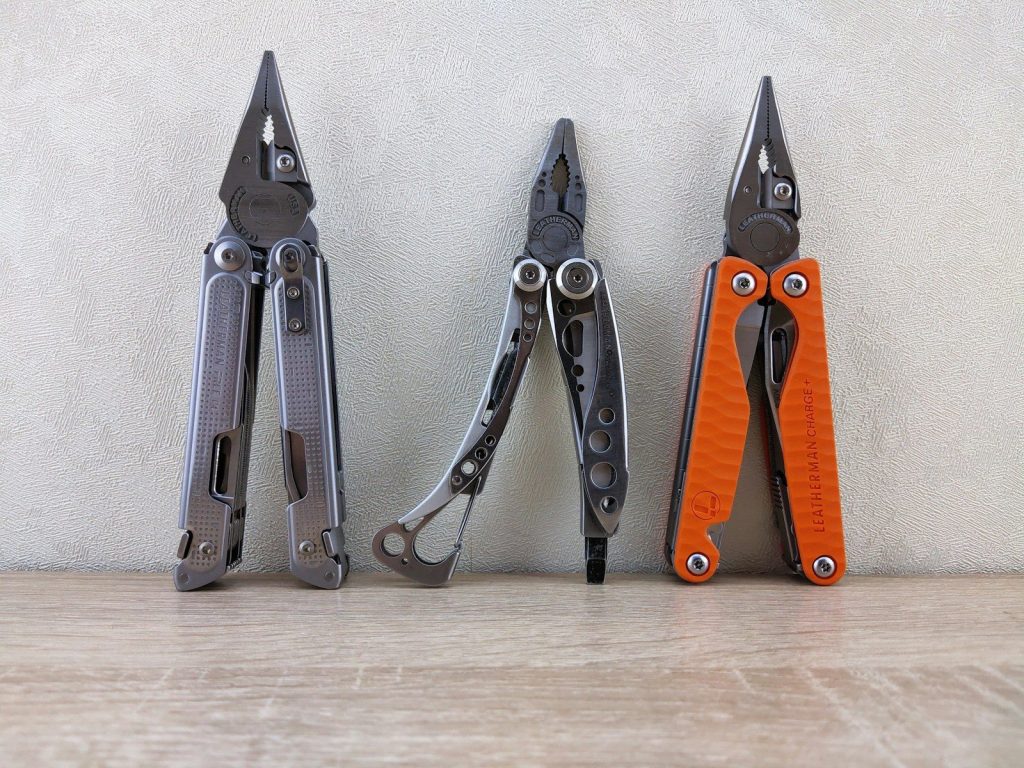
A quality multi tool combines several useful functions into one compact item. Pliers, screwdrivers, scissors, and small blades can help with minor repairs and everyday emergency tasks.
Owning one versatile tool often eliminates the need to pack several separate items. It saves both storage space and money.
Emergency blanket

Emergency blankets are lightweight, compact, and designed to help retain body heat during cold weather or unexpected situations. They take up very little room while providing valuable protection.
Keeping one in your emergency kit, vehicle, or travel bag is an inexpensive way to prepare for changing conditions. Small investments today can help prevent much bigger expenses later.
Featured Image: Photo by Kristine Wook on Unsplash